
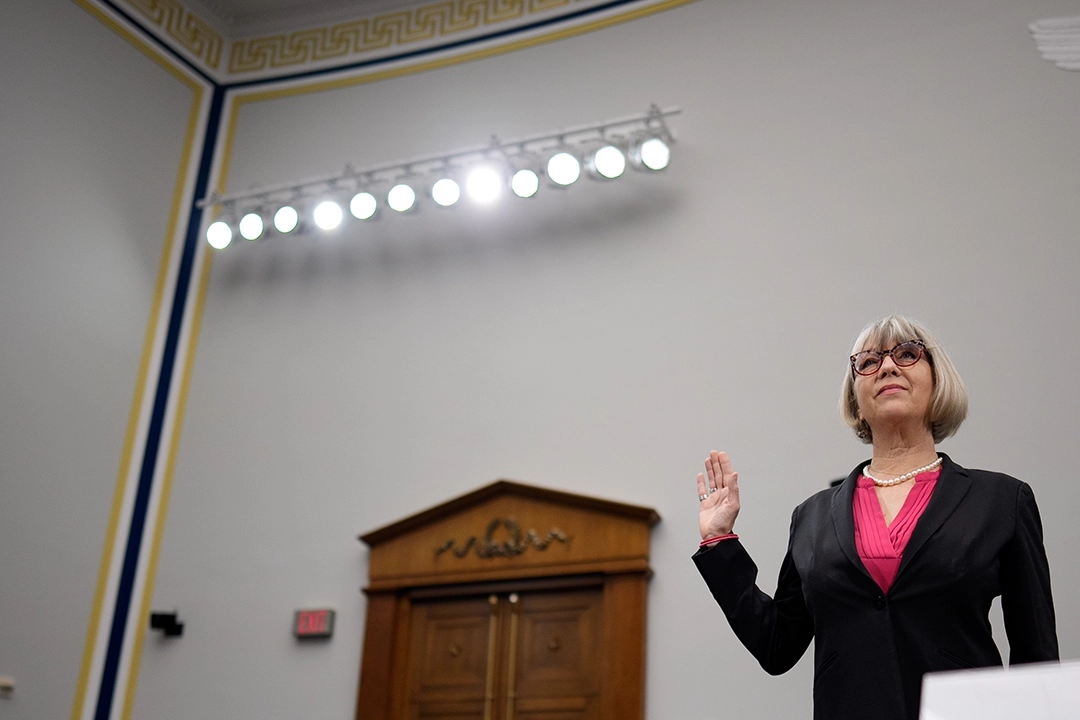
WASHINGTON, DC - JULY 21: National Museum of American History Director Dr. Anthea Hartig is sworn in during an Oversight and Government Reform subcommittee on Delivering on Government Efficiency hearing on Capitol Hill on July 21, 2026 in Washington, DC. The hearing titled, "Rewriting American History: Examining the Smithsonian's Efforts to Reshape the Past," is being held as the White House began an investigation into the Smithsonian last year and has recently put out a report alleging political activism. (Photo by Andrew Harnik/Getty Images)
Yesterday, a video circulated widely across social media showing the arrest of a young transgender person on February 5, 2025, at the University of Central Florida in Orlando. The footage shows a “highly agitated” Jarrett Vick, a 27-year-old transgender student, confronting several officers who were on campus for unrelated reasons. The exchange turned violent after one of the officers referred to Vick using masculine pronouns. Jarrett screamed that he address her in the feminine. The officers told her to lower her voice and calm down, but as the confrontation developed into a hysterical episode with unpredictable consequences, they decided to deploy pepper spray and a Taser. He was handcuffed and charged with assaulting an officer, violently resisting arrest, and disorderly conduct. He was later acquitted, and the case was closed.
The events occurred in what we now consider “the remote past.” At the time, a person’s right to be named and treated according to the gender with which they identified was presented as inalienable and beyond question. Anyone who acted otherwise could face serious consequences. I do not know whether that principle retains the same force today. What does seem clear is that the officer had no freedom to describe reality as he perceived it. That margin of self-determination was denied to him. I have no problem calling a person whatever they please, provided they ask me politely. I would extend the courtesy even to the matter of species. I may object when the request comes in the form of a scream.
The belated circulation of the footage, more than a year after the episode, has prompted sharply conflicting interpretations—one need only read the comments. Some consider the response disproportionate to a gender “mistake.” Others, far fewer judging from what I was able to read, question the officers’ conduct and the use of excessive force during an evident emotional crisis.
Whatever the legitimacy and necessity of many of its demands, the past decade was marked by an intense—deranged, some would say—reassessment of the narratives, values, and categories that had until then been accepted as true across the social, educational, cultural, and historical spheres. Questions of race, gender, identity, sexuality, colonialism, and minority representation saturated public debate and led to reparative policies, institutional changes, and drastic reinterpretations of the past. The process helped expose exclusions and historical inequalities long pushed to the margins. It also opened an uncomfortable field of friction whenever criticism degenerated into almost childish simplifications, retrospective verdicts and sentences, cancellations, or brazen attempts to replace an entire cognitive system with another, equally rigid and doctrinaire.
From Cuba, I had the impression that, instead of integrating these new realities into the dynamics of everyday life and translating them into workable practices, almost every imaginable arena erupted in excessively forceful claims and demands intent on summarily driving out the old consensuses. These advances, often just, elicited sympathy while stirring suspicion and resentment among broad sectors of society, whose lifelong convictions suddenly found themselves confined within a considerably narrower range of acceptance.
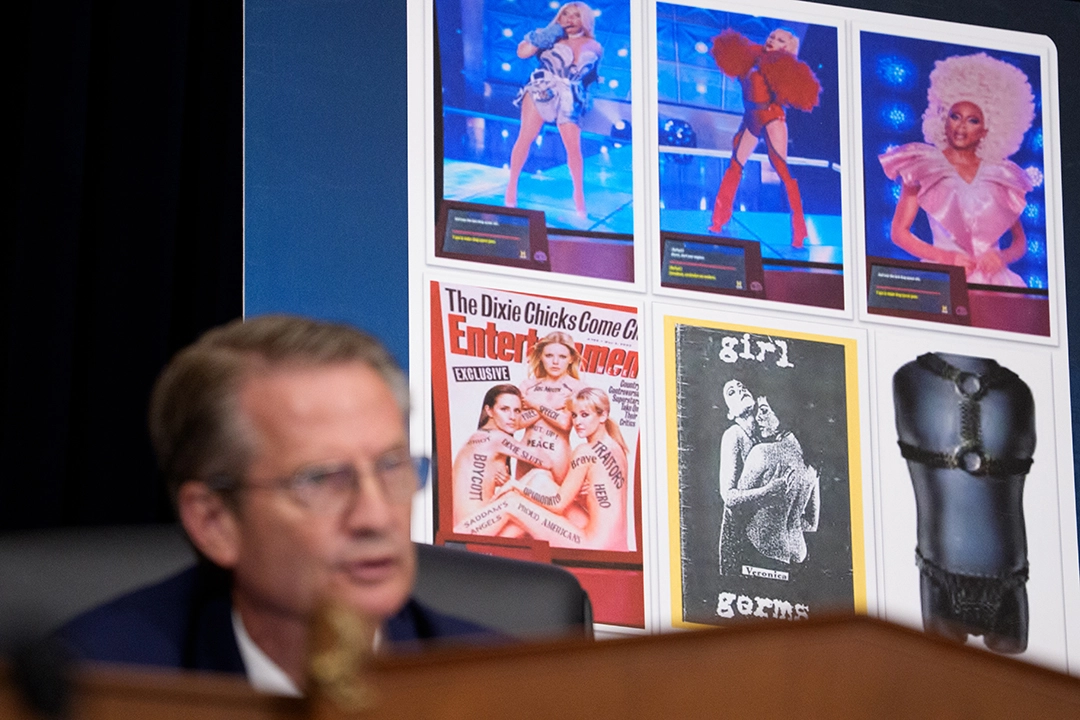
WASHINGTON, DC - JULY 21: Chairman Rep. Tim Burchett (R-TN) displays images from an exhibit as National Museum of American History Director Dr. Anthea Hartig appears during an Oversight and Government Reform subcommittee on Delivering on Government Efficiency hearing on Capitol Hill on July 21, 2026 in Washington, DC. The hearing titled, "Rewriting American History: Examining the Smithsonian's Efforts to Reshape the Past," is being held as the White House began an investigation into the Smithsonian last year and has recently put out a report alleging political activism. (Photo by Andrew Harnik/Getty Images)
A counterattack was bound to come.
On July 4, the White House released a report titled Saving America’s Story, accusing the Smithsonian of extreme political activism and of presenting the United States primarily through slavery, racism, white supremacy, misogyny, and systemic injustice. The administration had also launched a review of selected Smithsonian museums and raised the prospect of withholding federal funds.
Anthea Hartig, director of the National Museum of American History, was called to testify at a hearing titled “Rewriting American History: Examining the Smithsonian’s Efforts to Reshape the Past,” convened on July 21, 2026, by the House Oversight and Government Reform Subcommittee on Delivering on Government Efficiency.
One of the most contentious issues concerned the treatment of gender and sexual diversity in the exhibitions. Republican lawmakers singled out a show that included the diary of a thirteen-year-old whose gender identity differed from the one assigned at birth. Subcommittee Chair Tim Burchett asked Hartig whether such material belonged in an exhibition accessible to children. Representative Nancy Mace went so far as to ask Hartig when her own gender had been revealed to her.
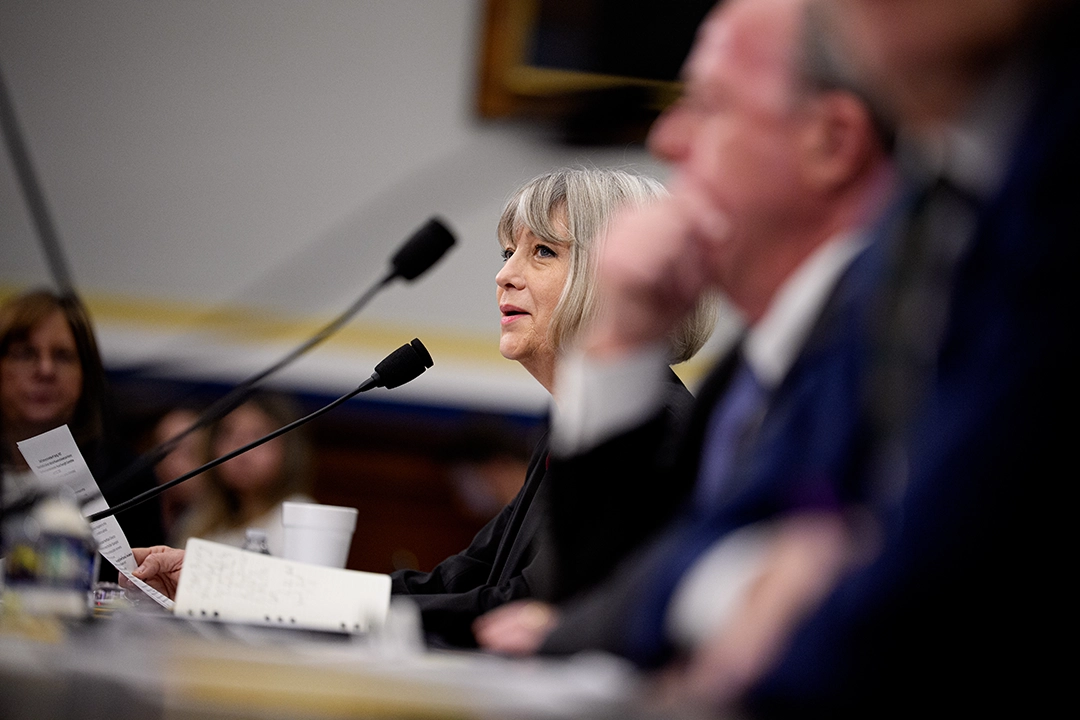
WASHINGTON, DC - JULY 21: National Museum of American History Director Dr. Anthea Hartig speaks during an Oversight and Government Reform subcommittee on Delivering on Government Efficiency hearing on Capitol Hill on July 21, 2026 in Washington, DC. The hearing titled, "Rewriting American History: Examining the Smithsonian's Efforts to Reshape the Past," is being held as the White House began an investigation into the Smithsonian last year and has recently put out a report alleging political activism. (Photo by Andrew Harnik/Getty Images)
The broader direction of the historical narrative also came under scrutiny. Republican members of Congress argued that the Smithsonian should place greater emphasis on the achievements of the United States and project a more patriotic image. Hartig replied that the museum works from historical evidence, competing perspectives, and documented debate. Historian David Blight warned that triumphalist history flattens nuance, contradiction, and uncomfortable facts.
Democrats denounced what they described as another witch hunt and introduced legislation intended to bar federal officials from interfering with the Smithsonian’s historical interpretation. From the opposite camp, Mike Gonzalez of The Heritage Foundation argued that revising the exhibitions would accomplish little and called for the museum’s leadership to be replaced. The conflict between Smithsonian autonomy and the government’s determination to direct its narrative now lies in plain sight.
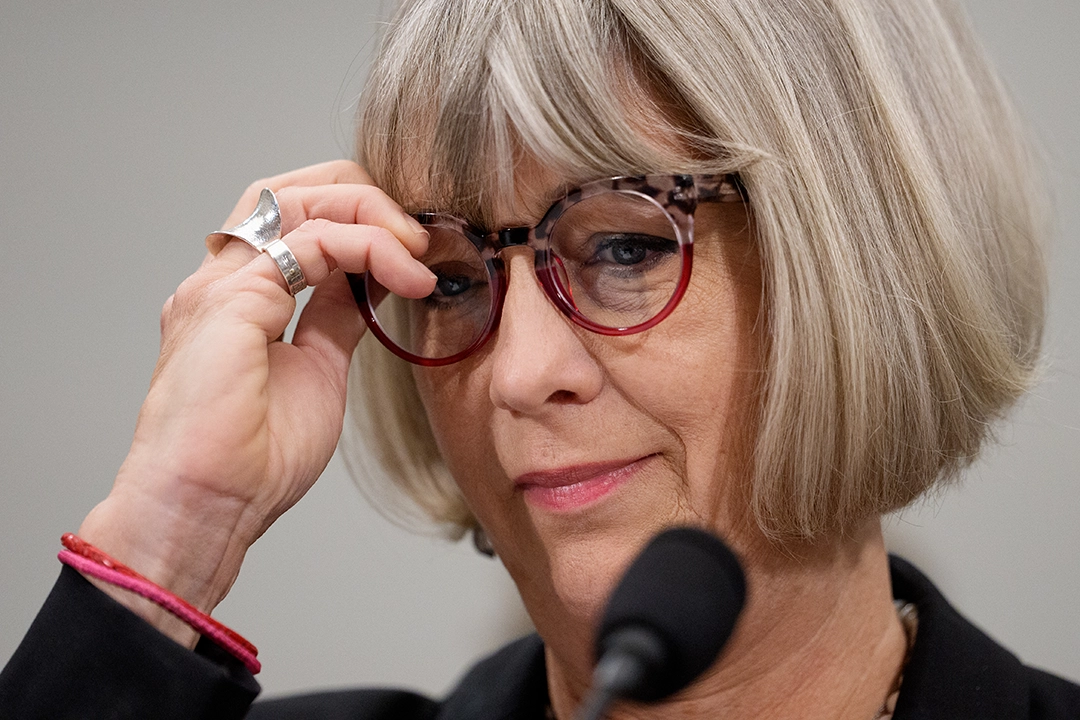
WASHINGTON, DC - JULY 21: National Museum of American History Director Dr. Anthea Hartig appears during an Oversight and Government Reform subcommittee on Delivering on Government Efficiency hearing on Capitol Hill on July 21, 2026 in Washington, DC. The hearing titled, "Rewriting American History: Examining the Smithsonian's Efforts to Reshape the Past," is being held as the White House began an investigation into the Smithsonian last year and has recently put out a report alleging political activism. (Photo by Andrew Harnik/Getty Images)
In earlier eras, incidents of this kind multiplied and flourished in a thousand different forms. In the recent past, both sides went straight to the trenches and abandoned dialogue. Their insistence on defending their positions at any cost ended up polarizing society as a whole. It is a fact. Reapportioning blame or reconstructing motives serves little purpose now. Sooner or later, every action produces a reaction of equal force. That is physics. It works even in the social and subjective realms.
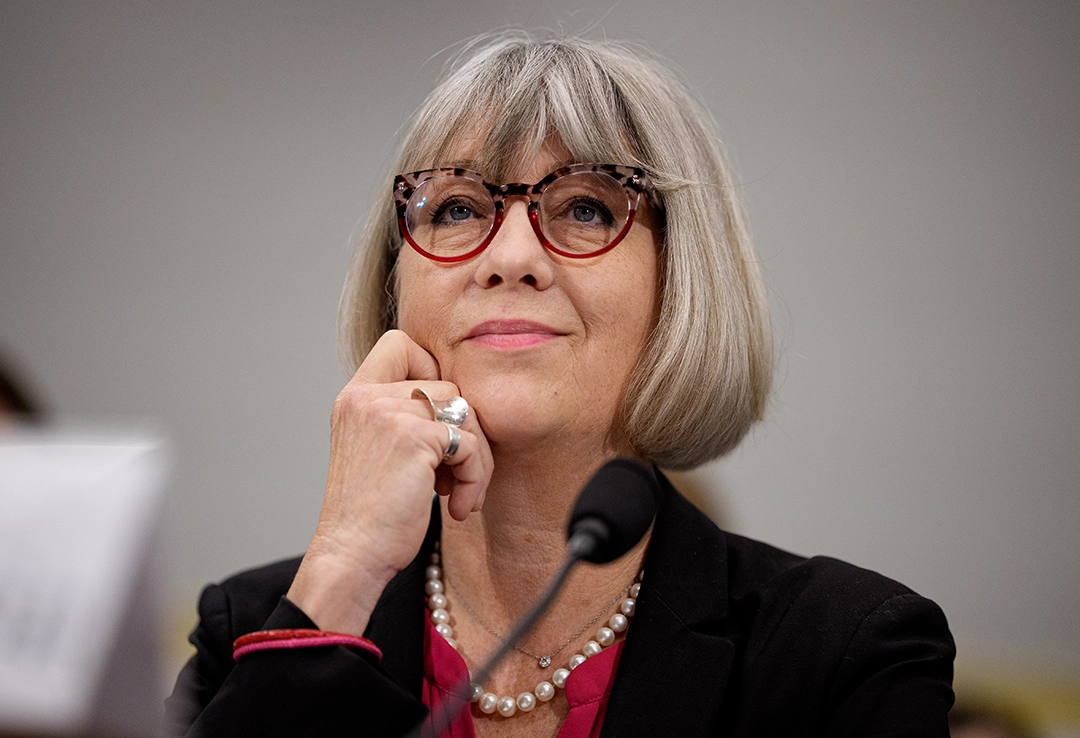
WASHINGTON, DC - JULY 21: National Museum of American History Director Dr. Anthea Hartig appears during an Oversight and Government Reform subcommittee on Delivering on Government Efficiency hearing on Capitol Hill on July 21, 2026 in Washington, DC. The hearing titled, "Rewriting American History: Examining the Smithsonian's Efforts to Reshape the Past," is being held as the White House began an investigation into the Smithsonian last year and has recently put out a report alleging political activism. (Photo by Andrew Harnik/Getty Images)
At a different scale, this is what the West has been witnessing for so long. We have finally reached a point where one of America’s most important museums is accused by the government of insufficient patriotism. If this happened in Cuba, nothing would happen. They would turn the museum inside out and put a soldier in the director’s chair. Yet I have heard that this is the freest country in the world.
Any dialogue that begins at the extremes and descends into a shouting match ends in incomprehension. The importance and necessity of consensus must be acknowledged. Society exists because we have agreed to respect a common mythology, along with its hierarchies and values. What may save us from barbarism is a clear marking of the center and renewed visibility for the intermediate zones, where nearly every actor could, at least in theory, find some shelter. Right now, even that appears impossible.
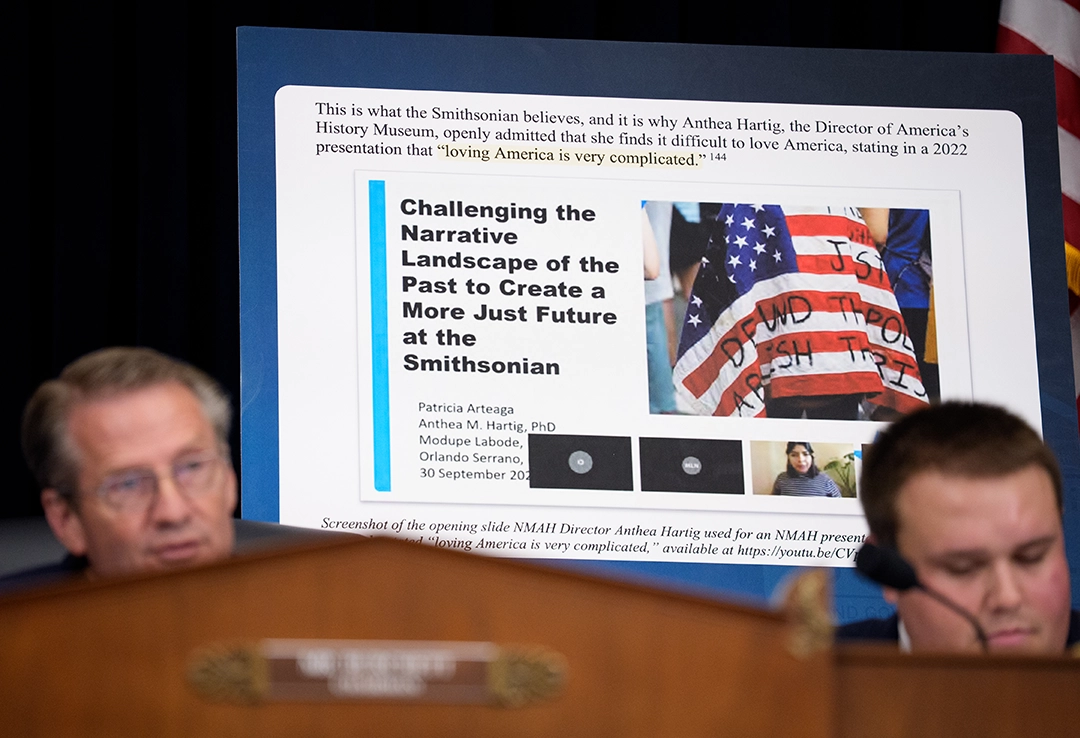
WASHINGTON, DC - JULY 21: Chairman Rep. Tim Burchett (R-TN) (L) displays a quote from National Museum of American History Director Dr. Anthea Hartig as she appears during an Oversight and Government Reform subcommittee on Delivering on Government Efficiency hearing on Capitol Hill on July 21, 2026 in Washington, DC. The hearing titled, "Rewriting American History: Examining the Smithsonian's Efforts to Reshape the Past," is being held as the White House began an investigation into the Smithsonian last year and has recently put out a report alleging political activism. (Photo by Andrew Harnik/Getty Images)





If you’re a regular reader of this blog and enjoy its content, you might consider contributing to its upkeep. Any amount, no matter how small, will be warmly appreciated
Founded in 2021, Echoes (Notes of Visual Narrative) invites everyone to explore together the visual codes that shape our world—art, photography, design, and advertising in dialogue with society.

Copyright © 2026 r10studio.com. All Rights Reserved. Website Powered by r10studio.com
Cincinnati, Ohio


Comments powered by Talkyard.