
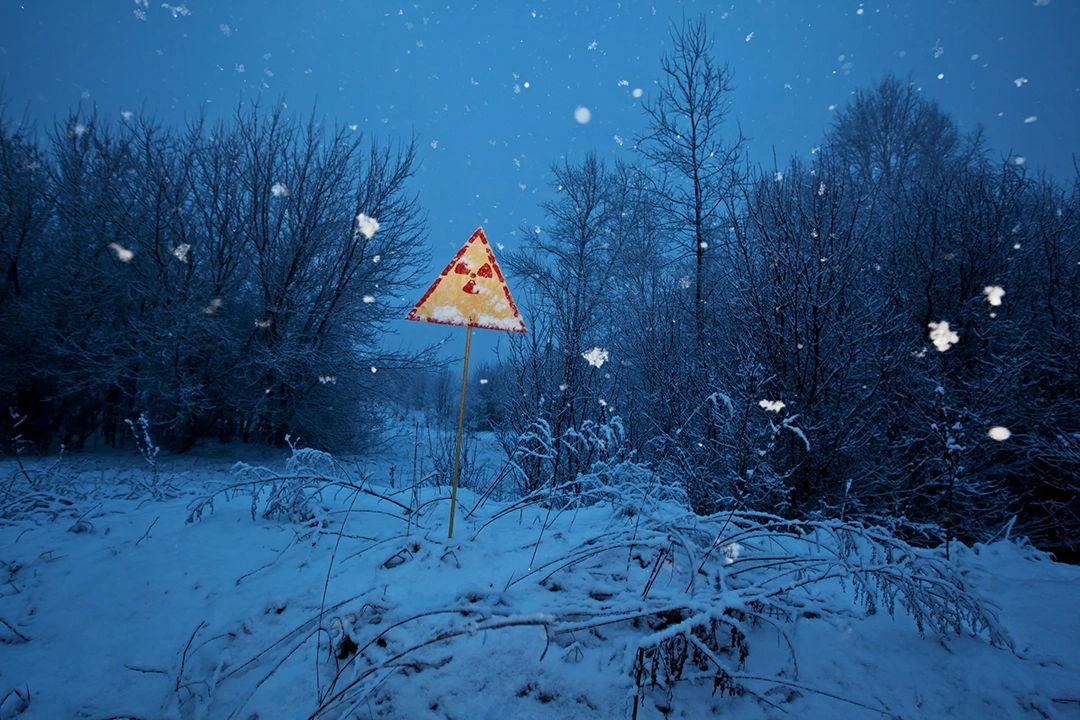
A sign by the roadside warns of radiation in the exclusion zone. Some areas were off limits to tourists. © Gerd Ludwig, 2011.
On April 26, 1986, I was almost certainly bored out of my mind, sprawled in some corner of my apartment in Havana’s Vedado district. What I remember from those days is fear. A dense, persistent fear. The certainty that I could be swallowed by three years of mandatory military service. I clung to a girl whose face recalled Mariko-san —Yoko Shimada’s, not Anna Sawai’s— and I could not imagine allowing the distance between us, already widening by the day, to stretch even a fraction further.
So I retain no memory of the Chernobyl accident. The Cuban press then functioned as it does now. Everything was fine. Everything remains fine. At most, one might concede the existence of “difficult moments.” Nothing the Cuban people, trained to endure everything, could not withstand.
Most likely, many days later, a brief note appeared tucked between reports on flour and sugar. A “contingency” in a heroic people’s reactor. Nothing the Soviet people, equally trained to endure everything, could not control.
Years passed. With my beard already turning gray, I watched the Chernobyl miniseries in the summer of 2019. It struck me with force. I began to read, to gather information without any clear purpose. Morbid curiosity, perhaps. I assembled a folder I called “Chernobyl.” It remained in Cuba, on a desktop computer. Lost for good. No one has any real sense of what Cubans have lost. Least of all in the domestic sphere.
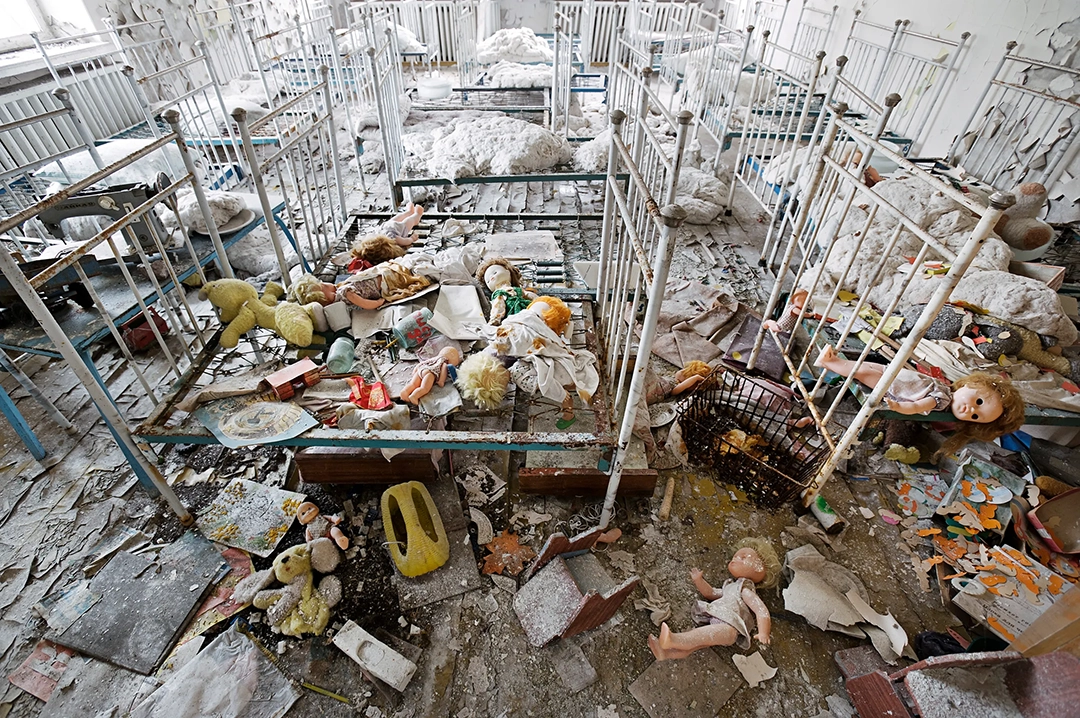
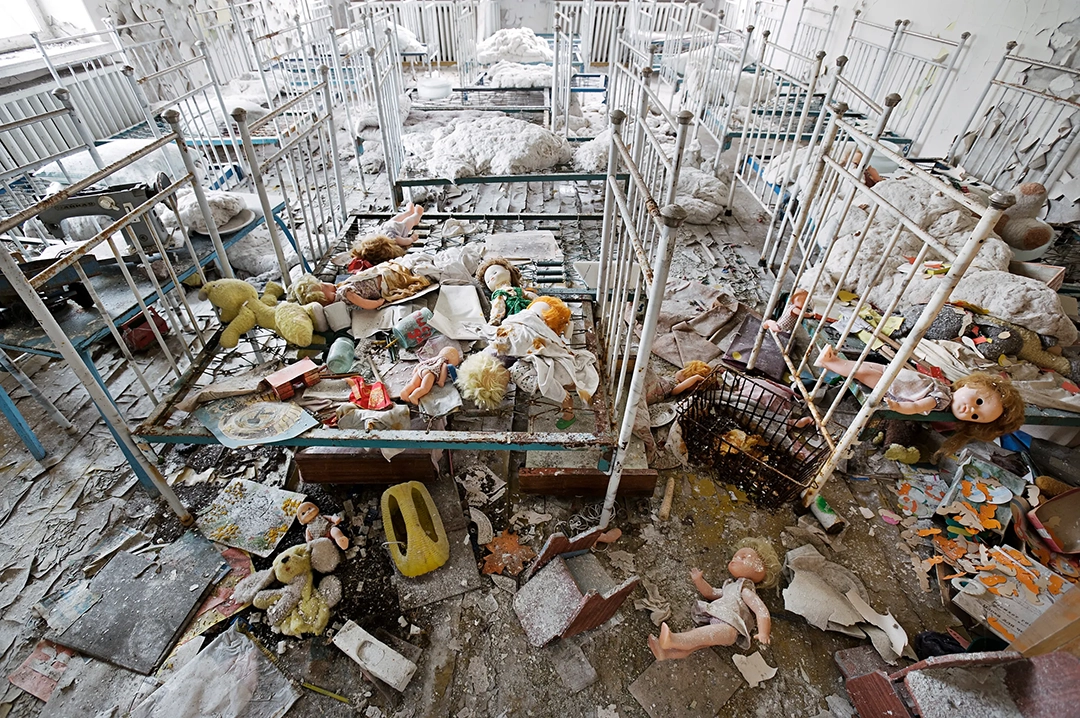
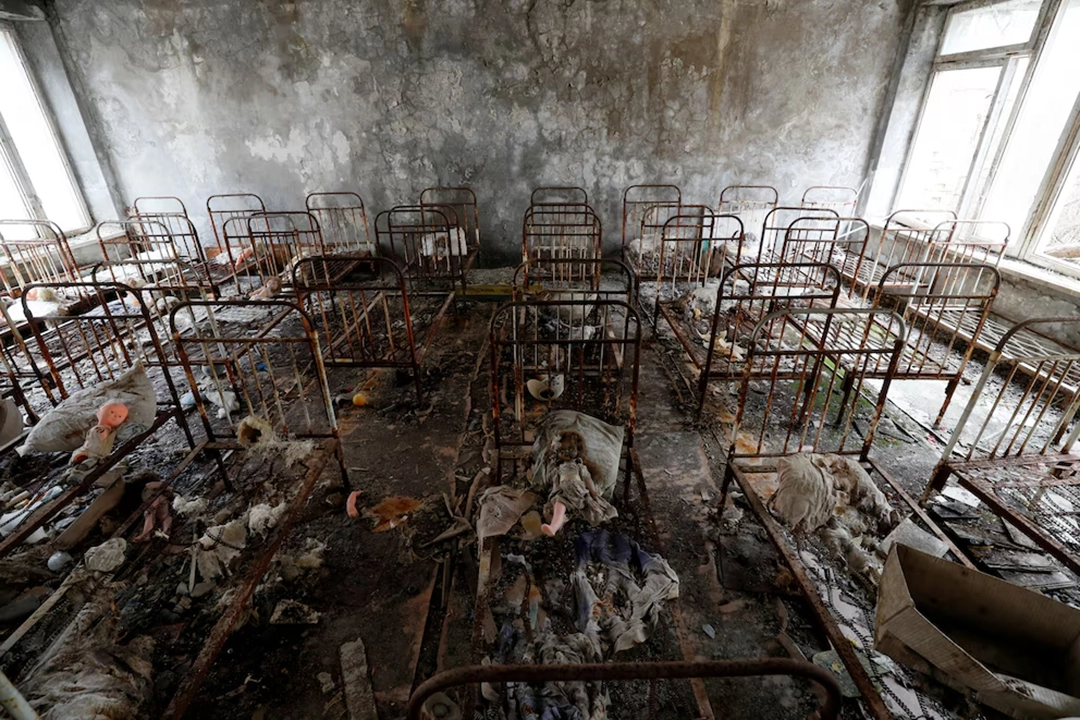
On the day of the disaster, children, unaware of the nuclear accident, played in this kindergarten in Pripyat, the city built for plant workers. They were evacuated the following day, 1986. © Gerd Ludwig
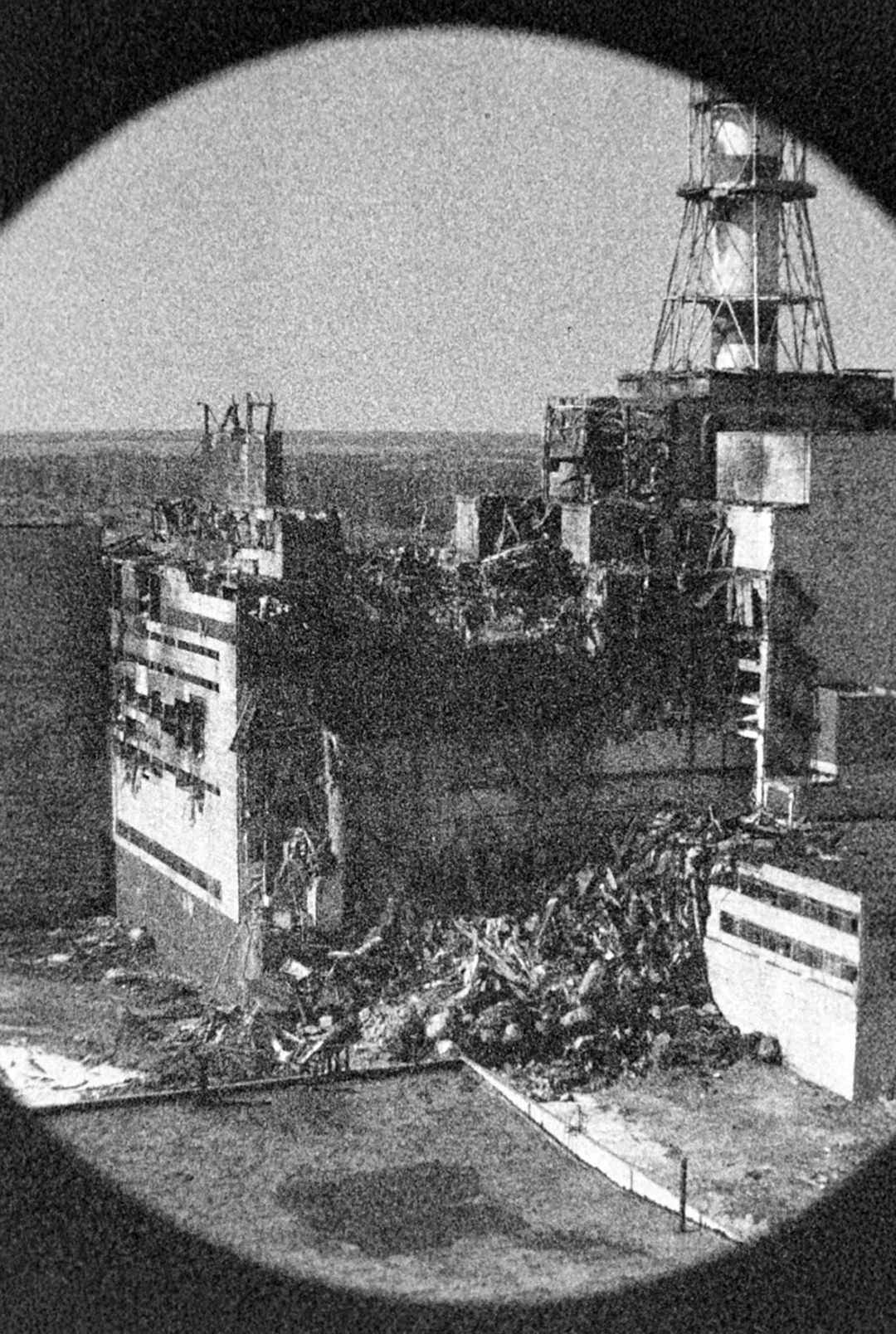
But the people of the region, of Pripyat, of northern Ukraine, lost far more. That explosion was the first true axe blow to shake the vast Soviet bear. We know how the situation was handled. With a repulsive contempt for its own working class, for its soldiers, for anyone unfortunate enough to pass through that place.
Just two days ago, The Times published, both online and in its Sunday supplement, a visual chronicle of the disaster’s evolution over time. The focus falls, as it must, on the human dimension. On the men and women drawn into its orbit.
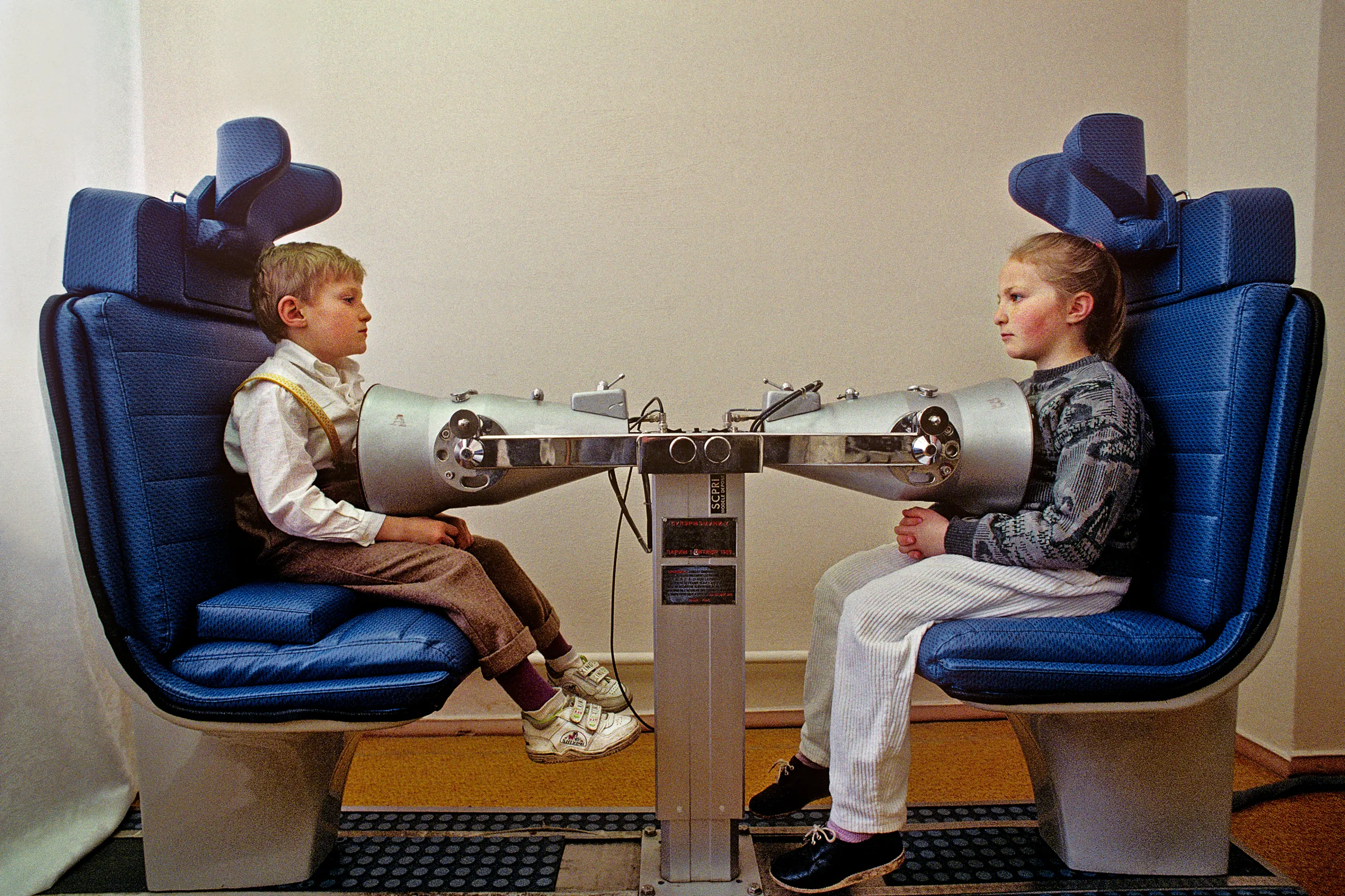
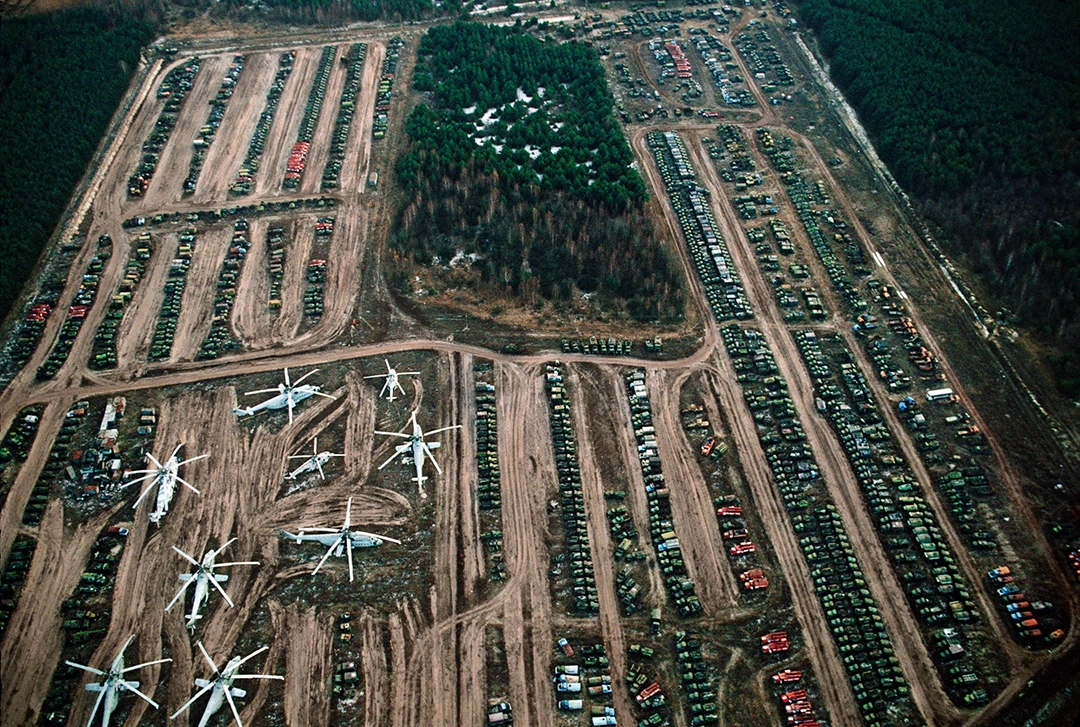
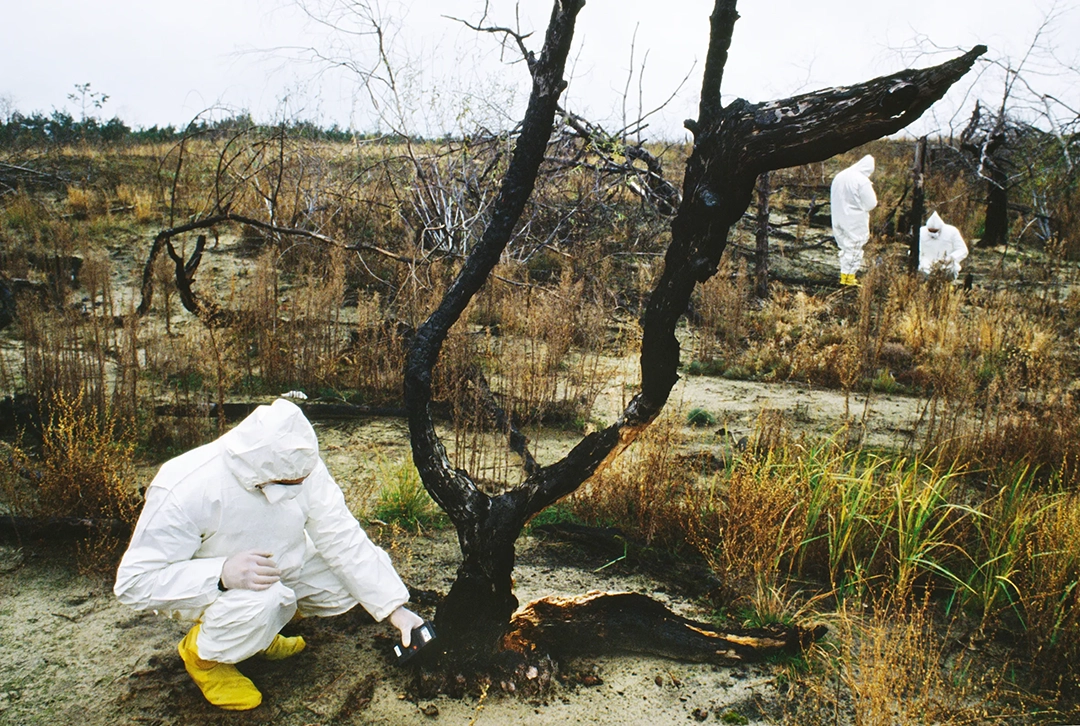
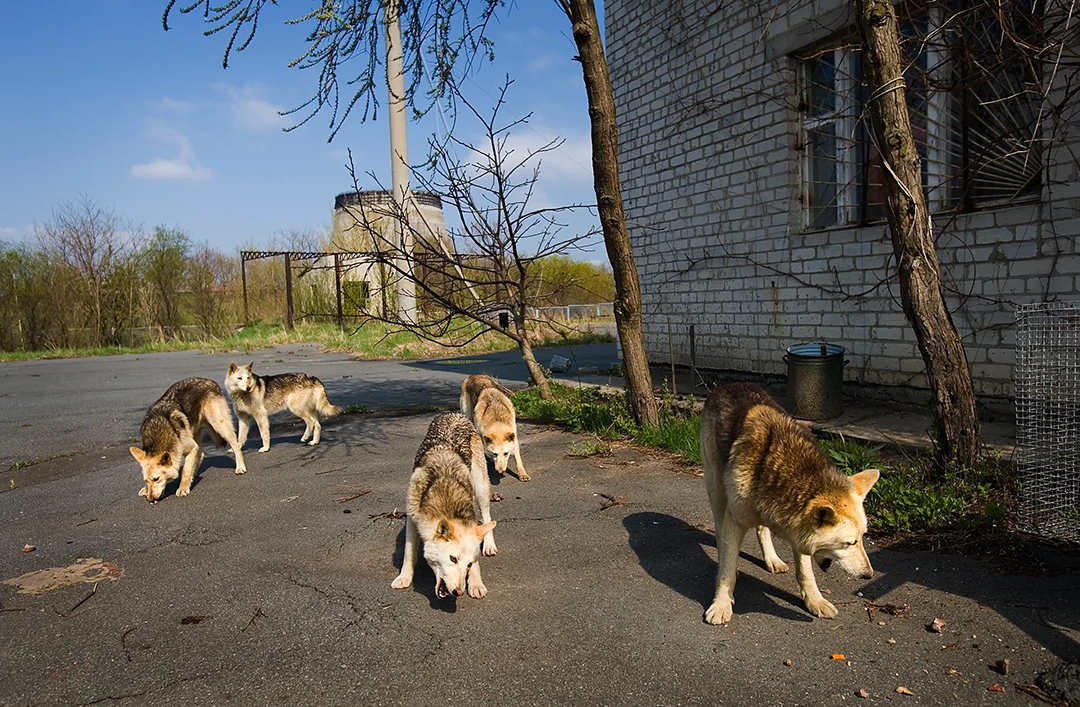
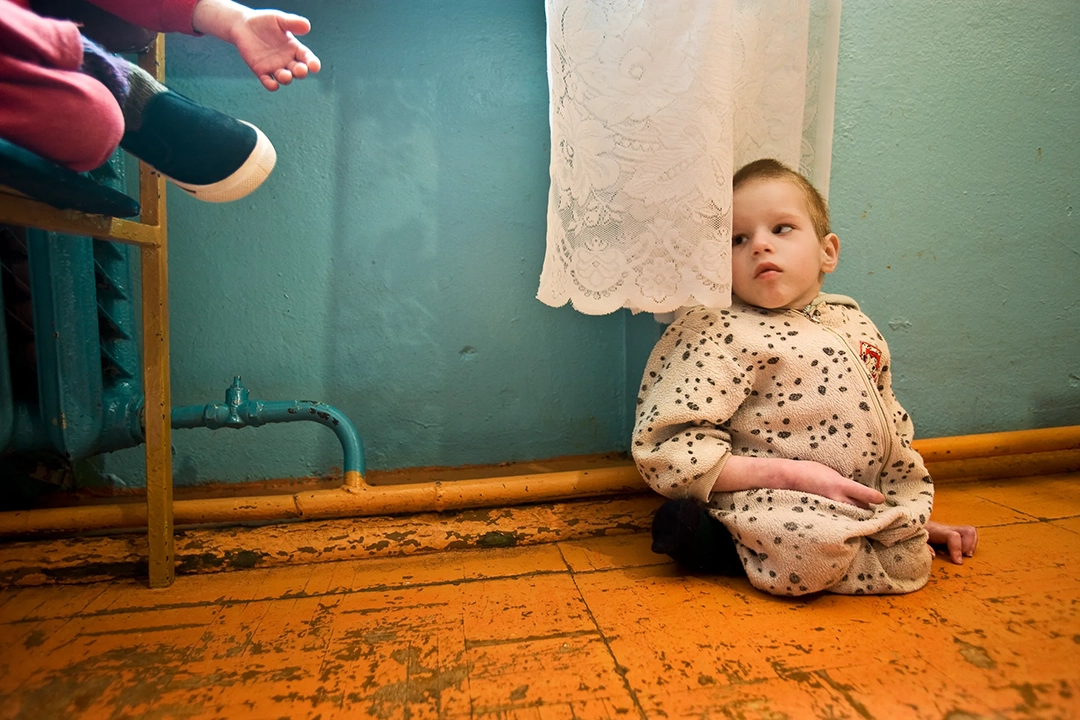
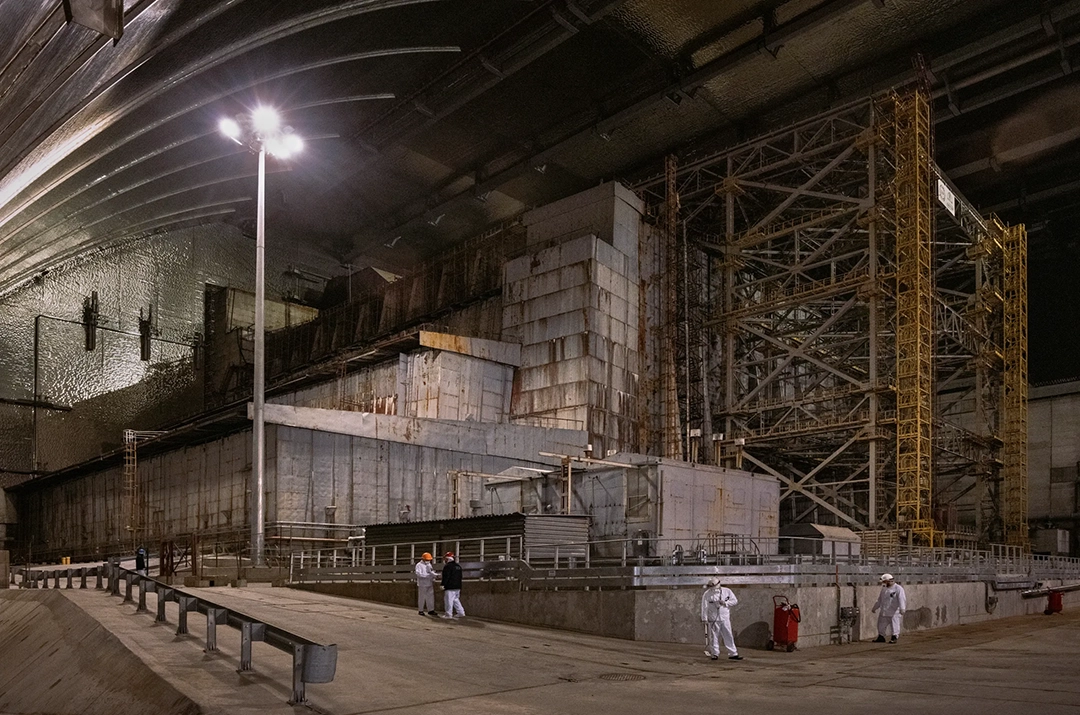
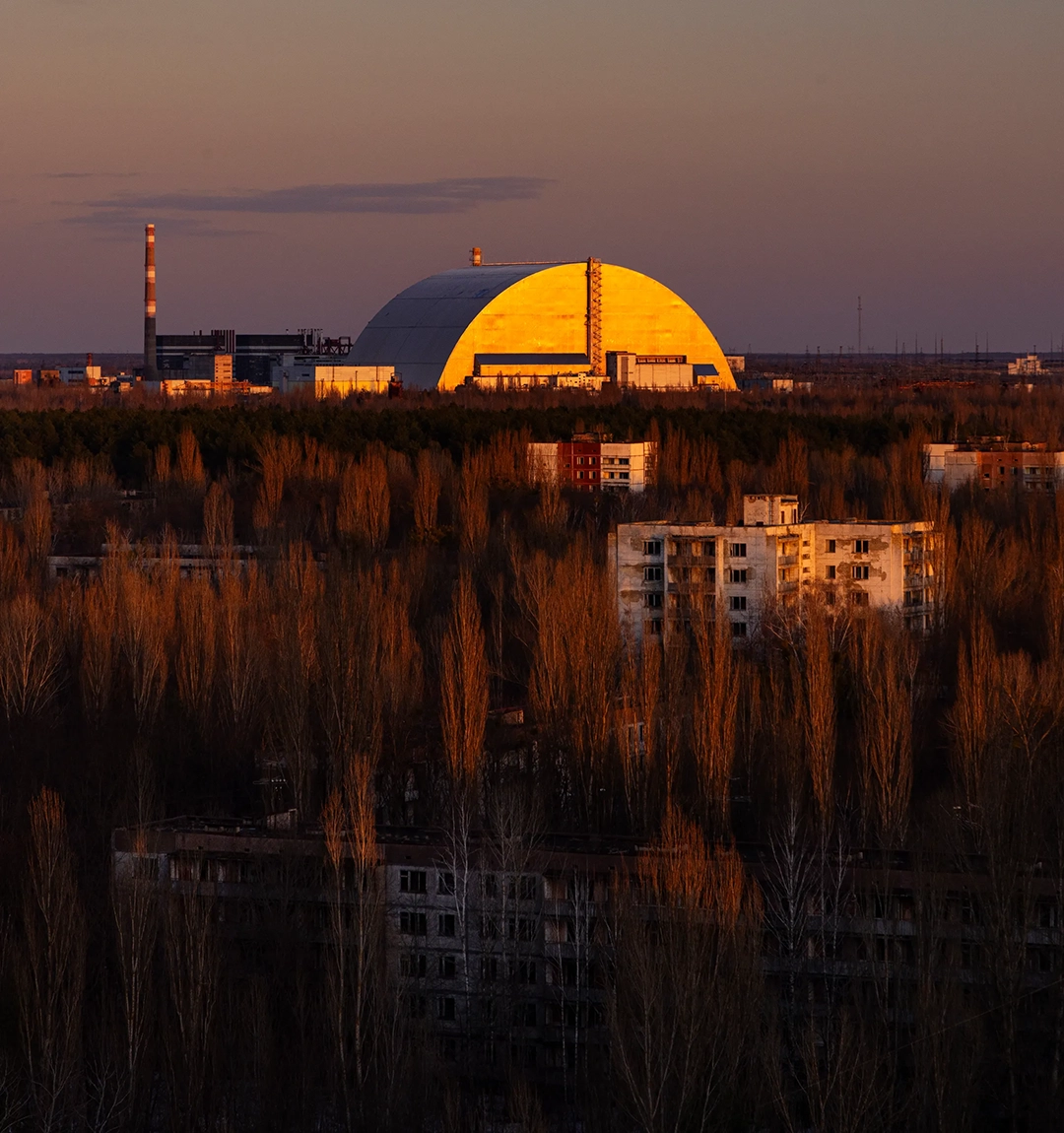
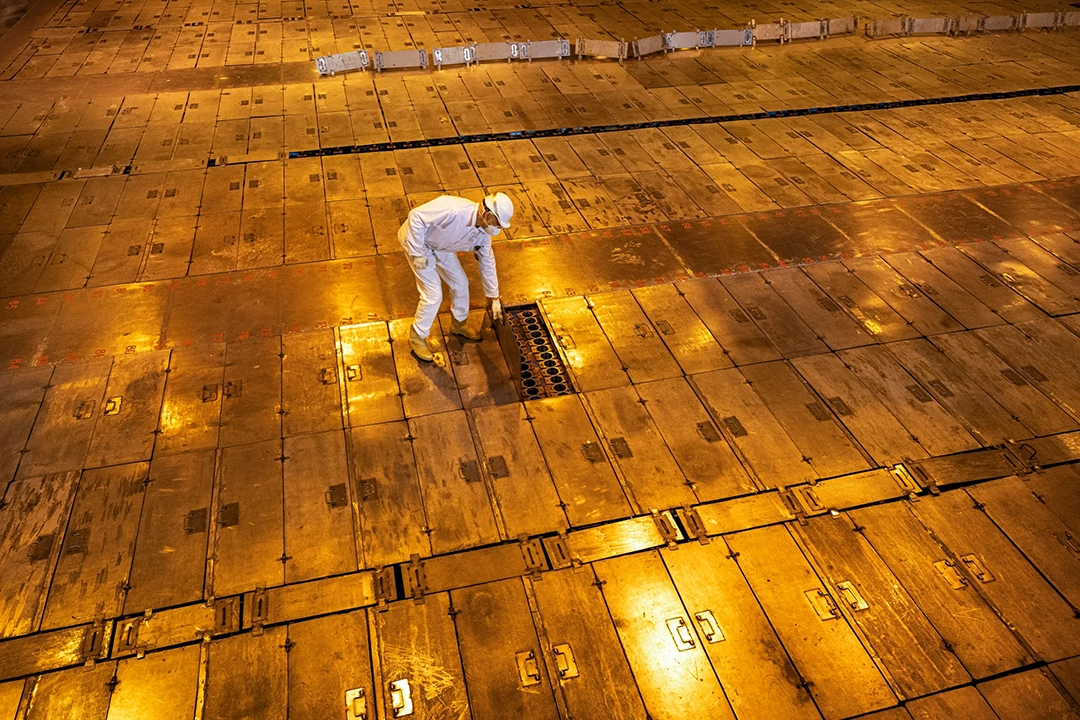
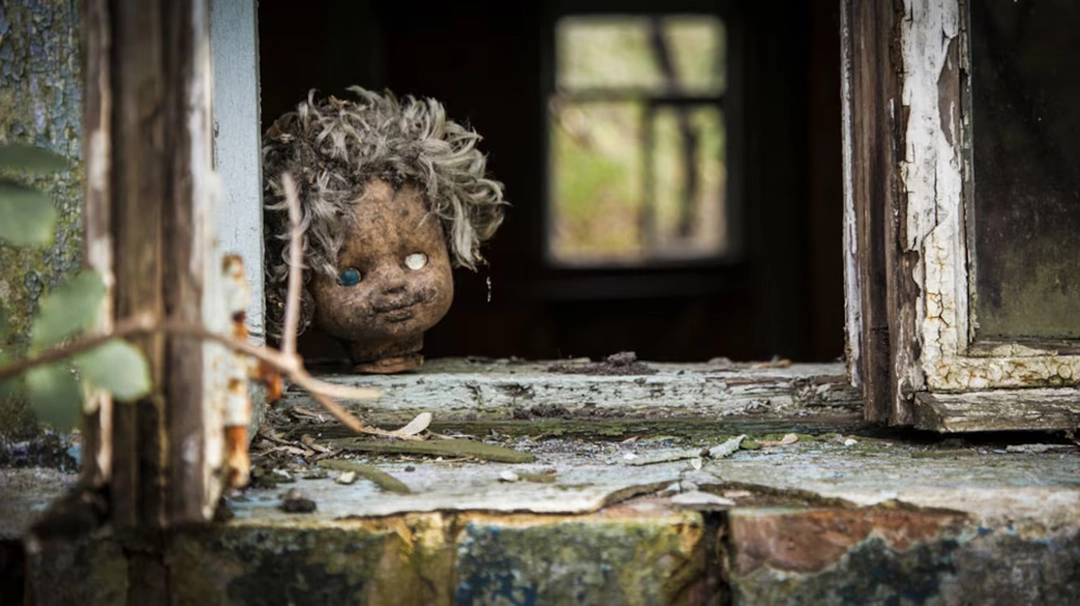
The images, most of them by Gerd Ludwig, document his successive photographic expeditions to the zone.
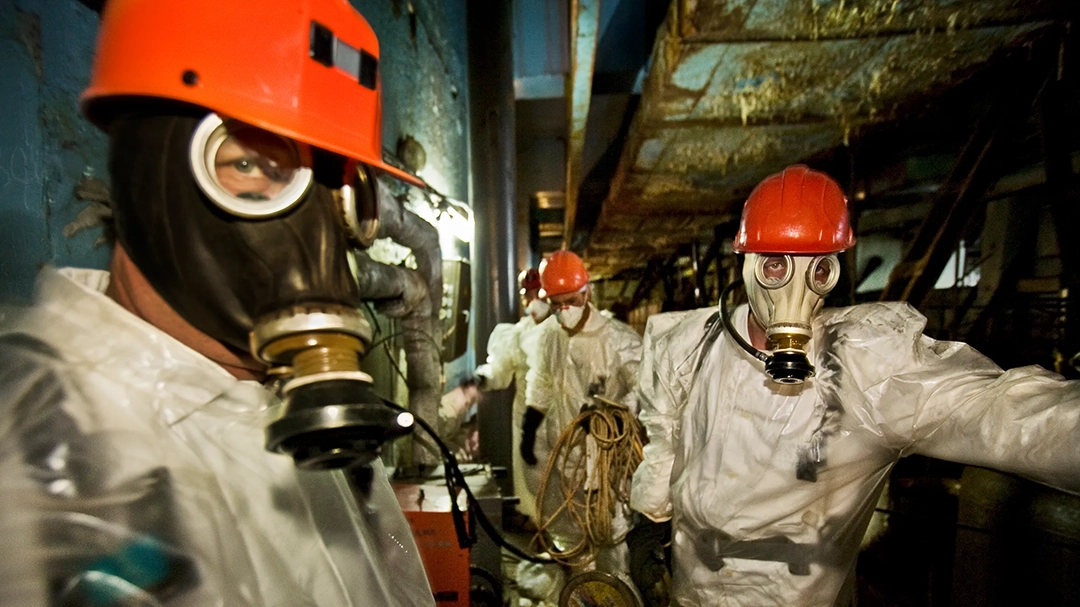
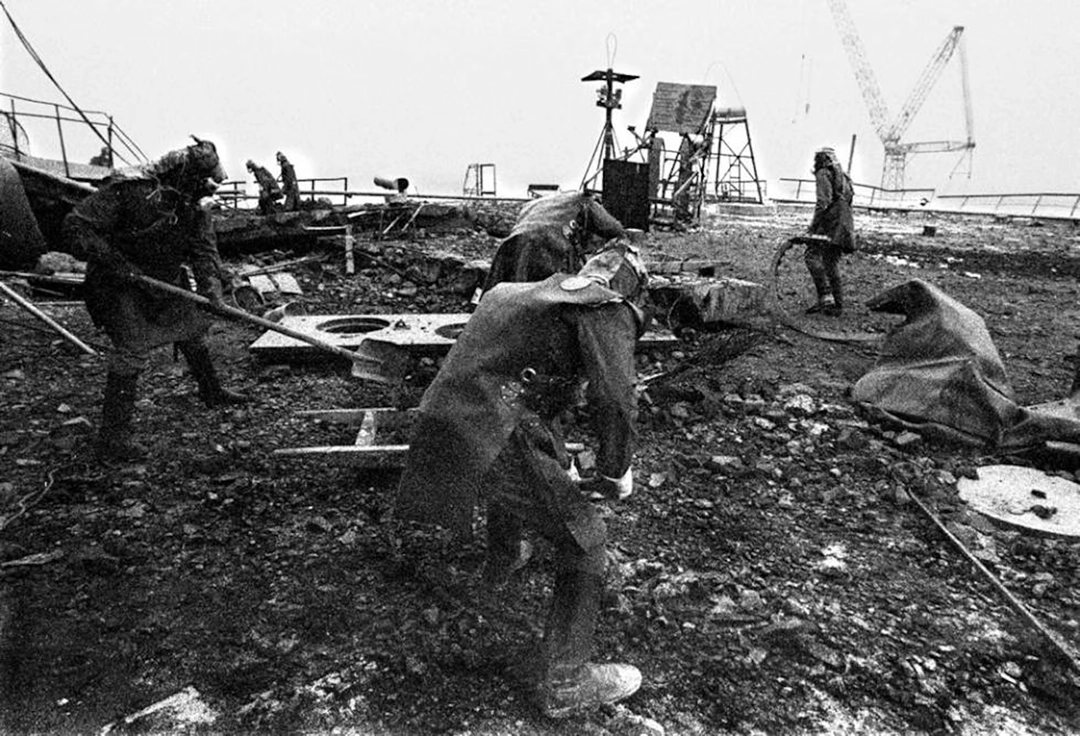
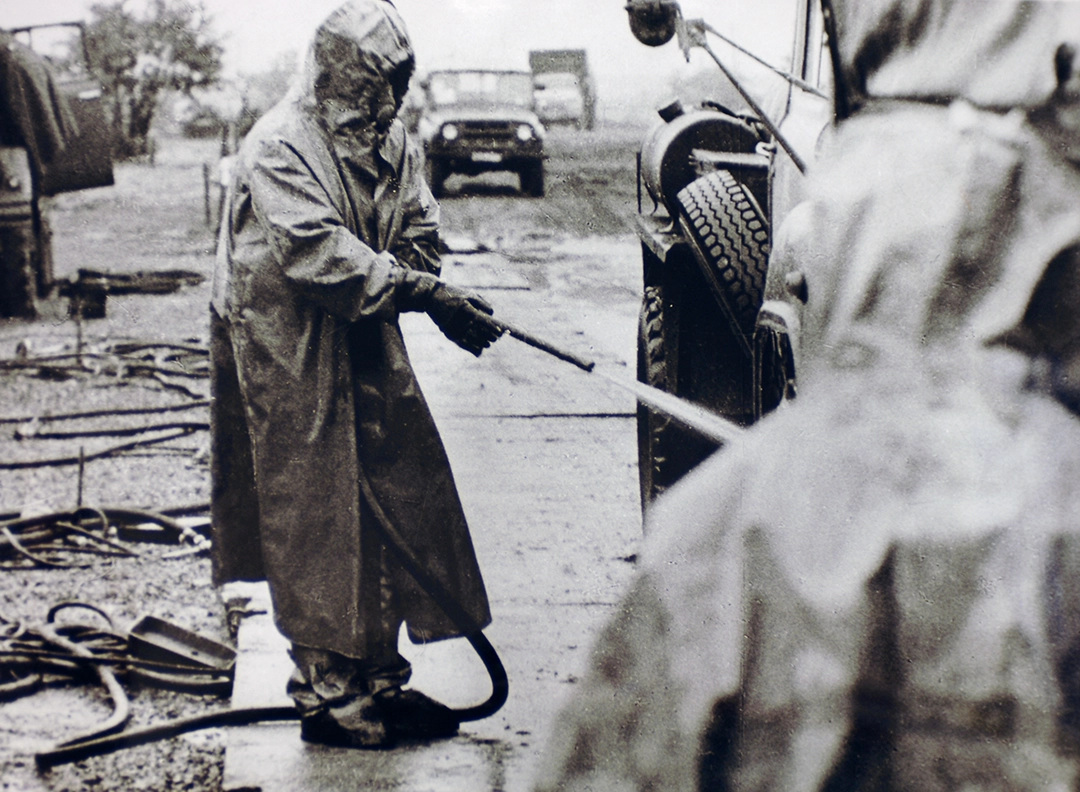
Over the years I have become more sensitive, more permeable. Endings move me now. Films, series, it does not matter. It is unbearable. My thoughts settled on the “liquidators.” A human shield —six hundred thousand men— placed by the Party between Chernobyl and Europe. They carried on their bodies what the technology of the time could not withstand. No machine, no wiring, no circuit or component endured more than a few minutes inside that nightmare. Human flesh lasted a little longer before it burned.
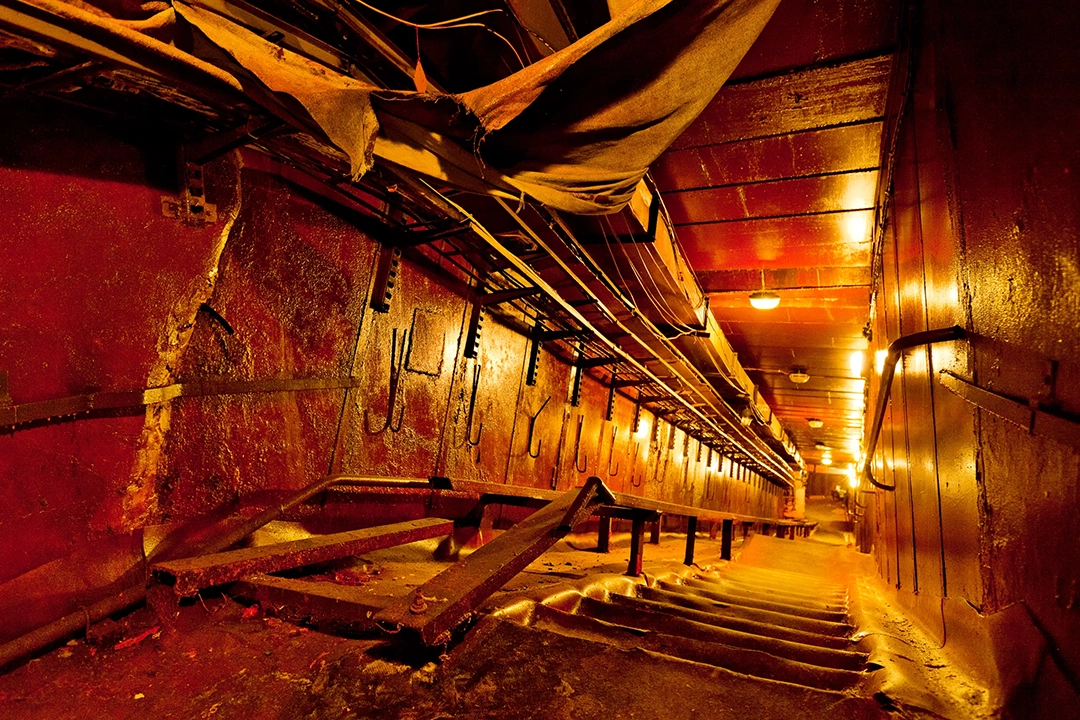
Workers used this hallway to access the lower levels of the destroyed Reactor No. 4. © Gerd Ludwig, 2026
Turned into biorobots —bioroboty in Russian, a term coined by Nikolai Tarakanov, the bastard in charge of the liquidators assigned to the reactor roof— those men faced the incandescent graphite with nothing but their lungs and their bodies, attempting to contain the radioactive core. They left their health there. They buried their future there, sealing an inferno that scorched their faces. It was a mass sacrifice, brutal in its scale. An army without names that, under the weight of an implacable duty, preserved a continent at the cost of its own existence. Their memory survives only in fragments. Let us hold it, at least for a moment. It costs us nothing.
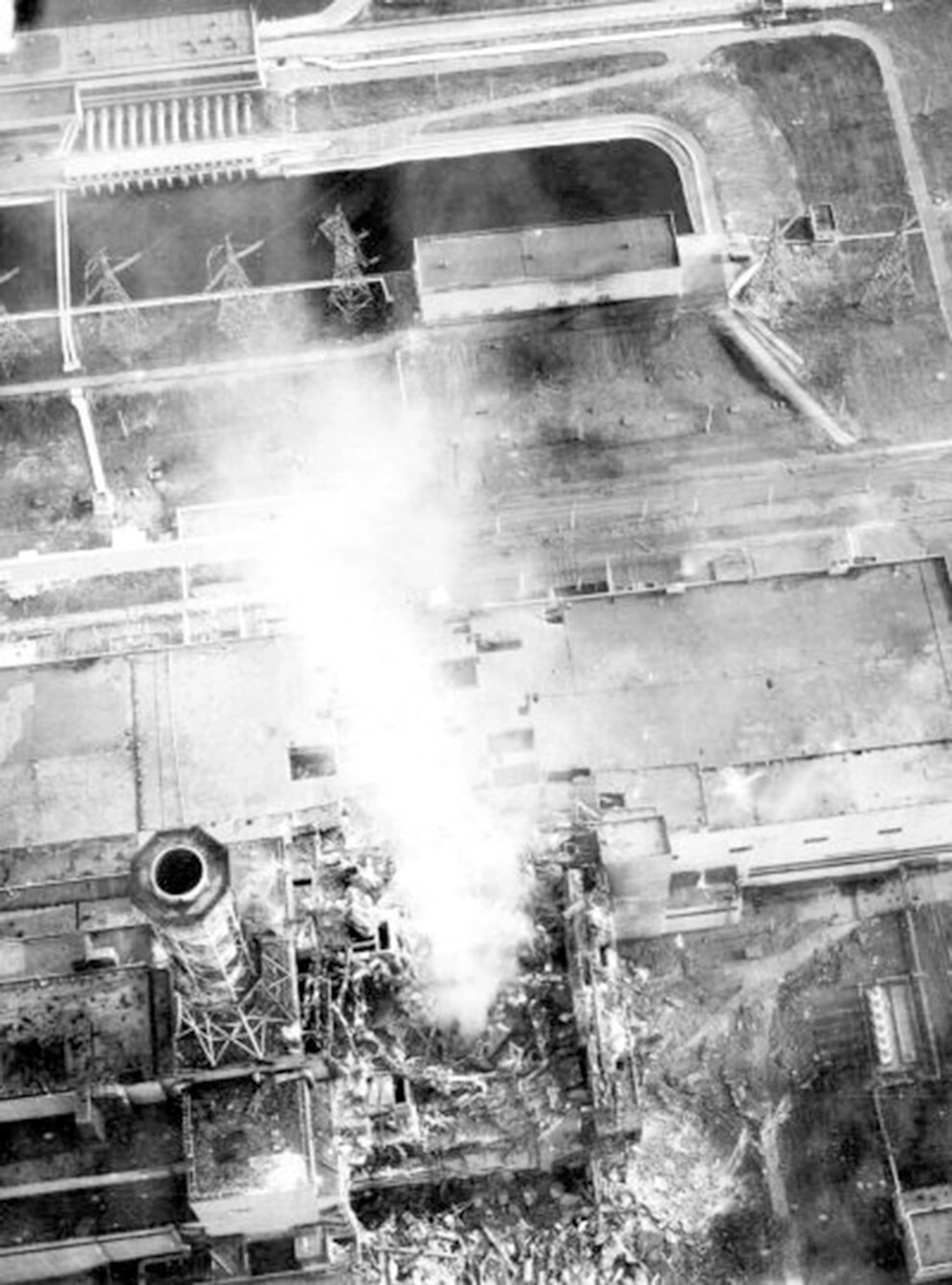
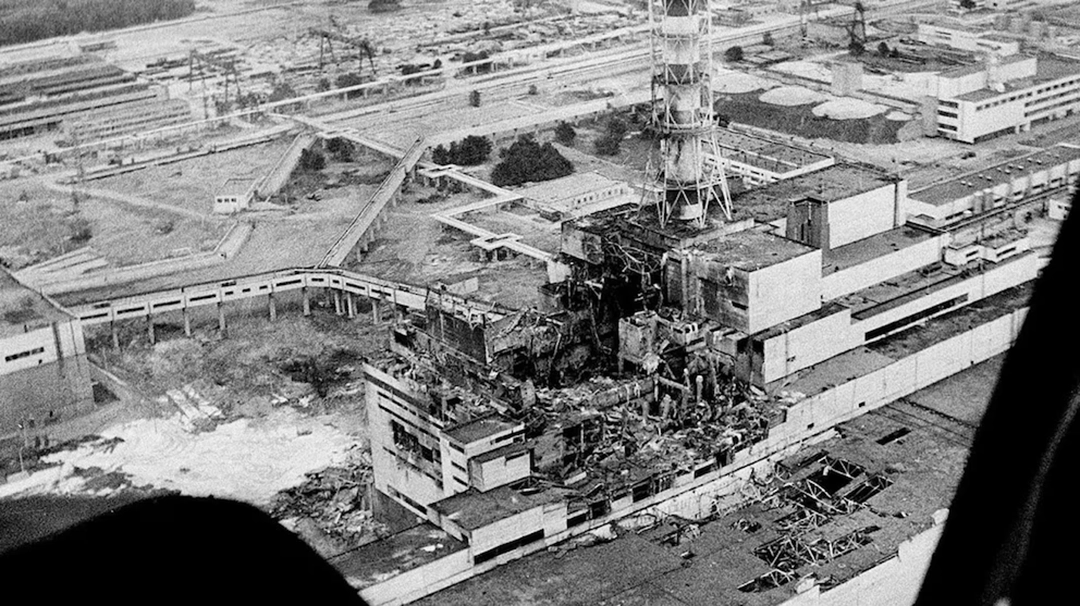
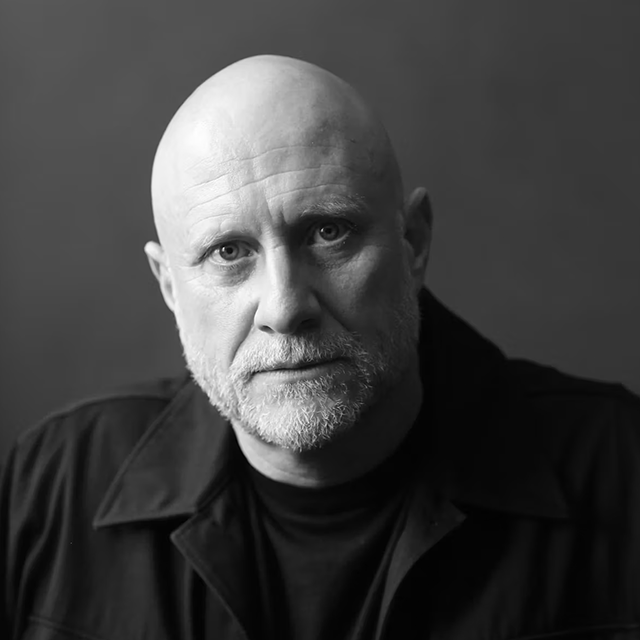
I am sharing the image gallery. At the end, in black and white, some of the liquidators.






If you’re a regular reader of this blog and enjoy its content, you might consider contributing to its upkeep. Any amount, no matter how small, will be warmly appreciated
Founded in 2021, Echoes (Notes of Visual Narrative) invites everyone to explore together the visual codes that shape our world—art, photography, design, and advertising in dialogue with society.

Copyright © 2026 r10studio.com. All Rights Reserved. Website Powered by r10studio.com
Cincinnati, Ohio
Comments powered by Talkyard.