
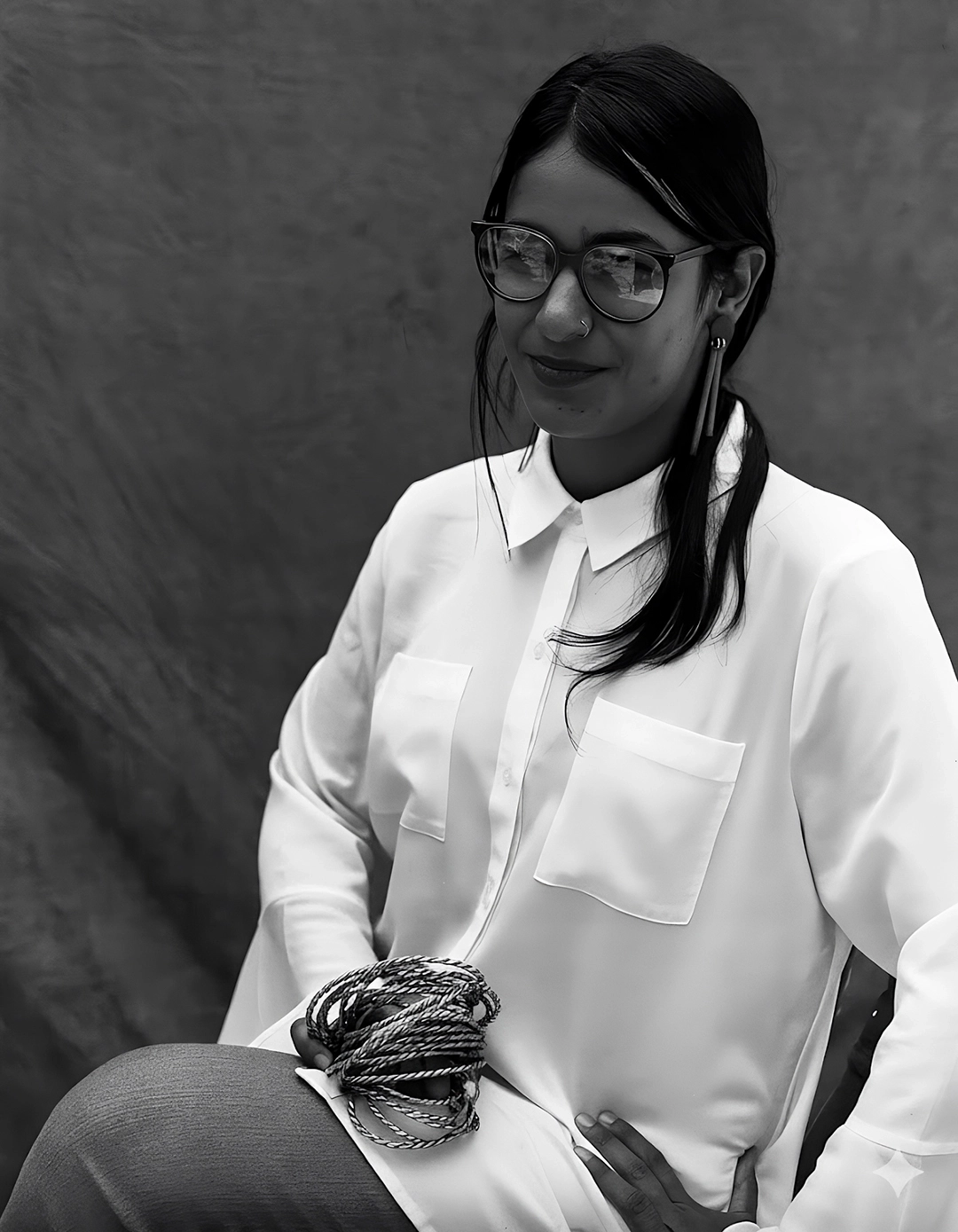
Photograph by Ossain Raggi, May 2021
Artist and Art professor living and working at La Habana, Cuba
https://www.instagram.com/ossainraggi/
Kina Matahari is a pseudonym of powerful resonance. Perhaps it feels that way because I have long been fascinated by its referent: the Dutch dancer Margaretha Geertruida Zelle, better known as Mata Hari. She drew my curiosity for many reasons—her exoticism among them—something scarce in the Netherlands. Margaretha accompanied her husband, an officer in the Dutch colonial army, to the Dutch East Indies (now Indonesia). She lived there from 1897 to 1902, absorbing and reinterpreting—magisterially, I would say for her time—numerous elements of Javanese culture.
Today, Mata Hari would be accused of cultural appropriation and performative orientalism: of exploiting the visual codes of a subjugated culture to feed the colonial fantasies of her European audience; of constructing a provocative identity without acknowledging the power relations that sustained it.
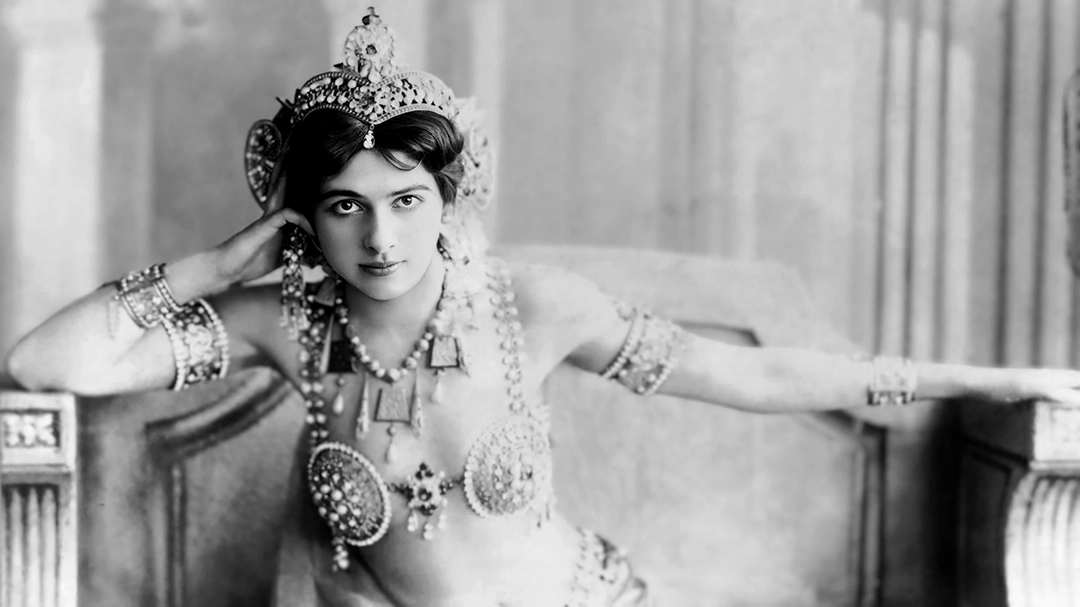
Tomorrow, October 15, marks the 108th anniversary of the execution of Mata Hari.
She was executed in Vincennes, France, on October 15, 1917, accused of espionage during the First World War. She died at the age of forty-one before a French firing squad, after a military trial marked by serious irregularities. According to contemporary accounts, she refused to be blindfolded and faced death with composure.
It is not a digression to recall this facet of the exotic dancer turned double agent. It leads us to something essential. Mata Hari used the tools available to her to infect the male power system from within. In a context of rigid gender inequality and economic dependence, her act of appropriation was also one of survival and self-assertion. The system offered no space for women who were single, divorced, or without means. From that perspective, Mata Hari might be seen as a performer avant la lettre, a conceptual artist who manipulated the stereotypes of colonial desire for her own benefit.
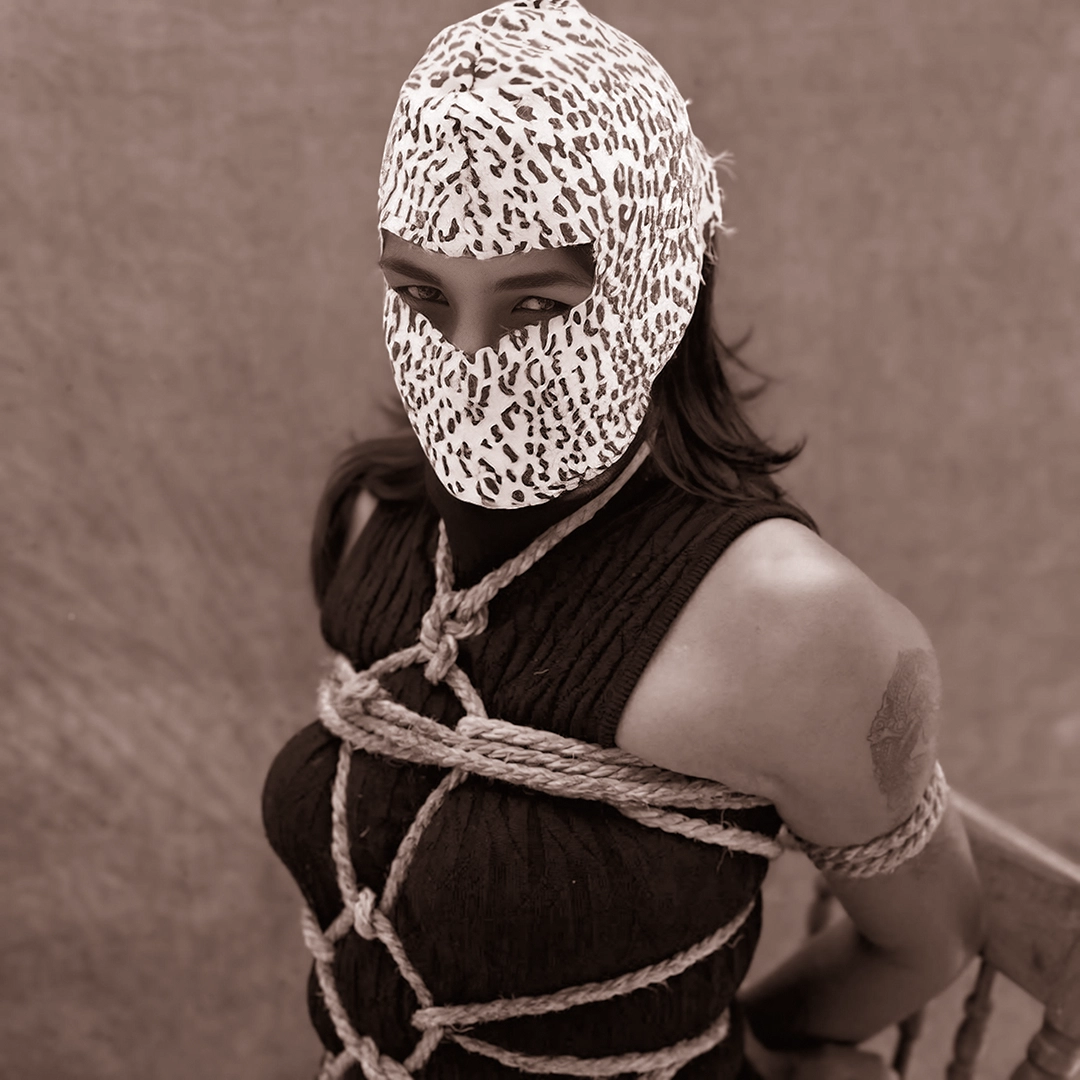
Photograph by Ossain Raggi, May 2021
Artist and Art professor living and working at La Habana, Cuba
https://www.instagram.com/ossainraggi/
Our Matahari
Did the Cuban sociopolitical context offer better alternatives? Was it not also a male, repressive, and deeply toxic power structure? Her alter ego was born during her Art History studies, when she first signed a piece of film criticism under that name. Her field of interest centered on politics, the body, and sex as structures of power.
The pseudonym arose from a symbolic fusion: the feminization of the German term Kino—cinema—and an abbreviation of her own name, K(ar)ina. The surname explains itself. Together, they synthesize camouflage, espionage, identity, desire, gaze, and representation.
Kina began working at Factoría Habana gallery in 2018, amid a climate of increasing institutional control and tightening national cultural policy. It was precisely the year mobile internet access became widespread in Cuba—an unprecedented two-way channel that sparked a feverish expansion of information and debate. The system reacted with familiar tools: a decree—No. 349—that imposed a restrictive licensing regime for artistic creation and commercialization, censoring any political, symbolic, or critical reference to the State.
The counterblow gave rise to the group Contra el Decreto and to the Bienal 00, spearheaded by Luis Manuel Otero Alcántara. The latter opened modest alternative spaces to the official art circuits. In the following years came El juego de fútbol—a re-enactment of the iconic Juego de pelota of the late 1980s—the San Isidro siege, the events of November 27, and finally, the July 11 protests. Many who played a significant role in those episodes are now in exile or in prison.
Within that context, Kina Matahari began sharing her first artistic, curatorial, and critical projects. Her practice emerged from an urgency to speak, to accompany other voices who faced painful consequences for exercising creative freedom. The definitive adoption of the alter ego—like her tragic predecessor—responded to two motives: protection and coherence. The distance between her civil identity and her artistic one allowed her to keep a job to support her daughter and avoid reprisals for publishing in independent outlets such as El Estornudo or Hypermedia Magazine.
At the same time, the mask became a political and poetic gesture: the possibility of turning a personal discourse into a collective voice—an anonymous demand for freedom of expression. Creation as emancipatory act; anonymity as strategy of resistance.
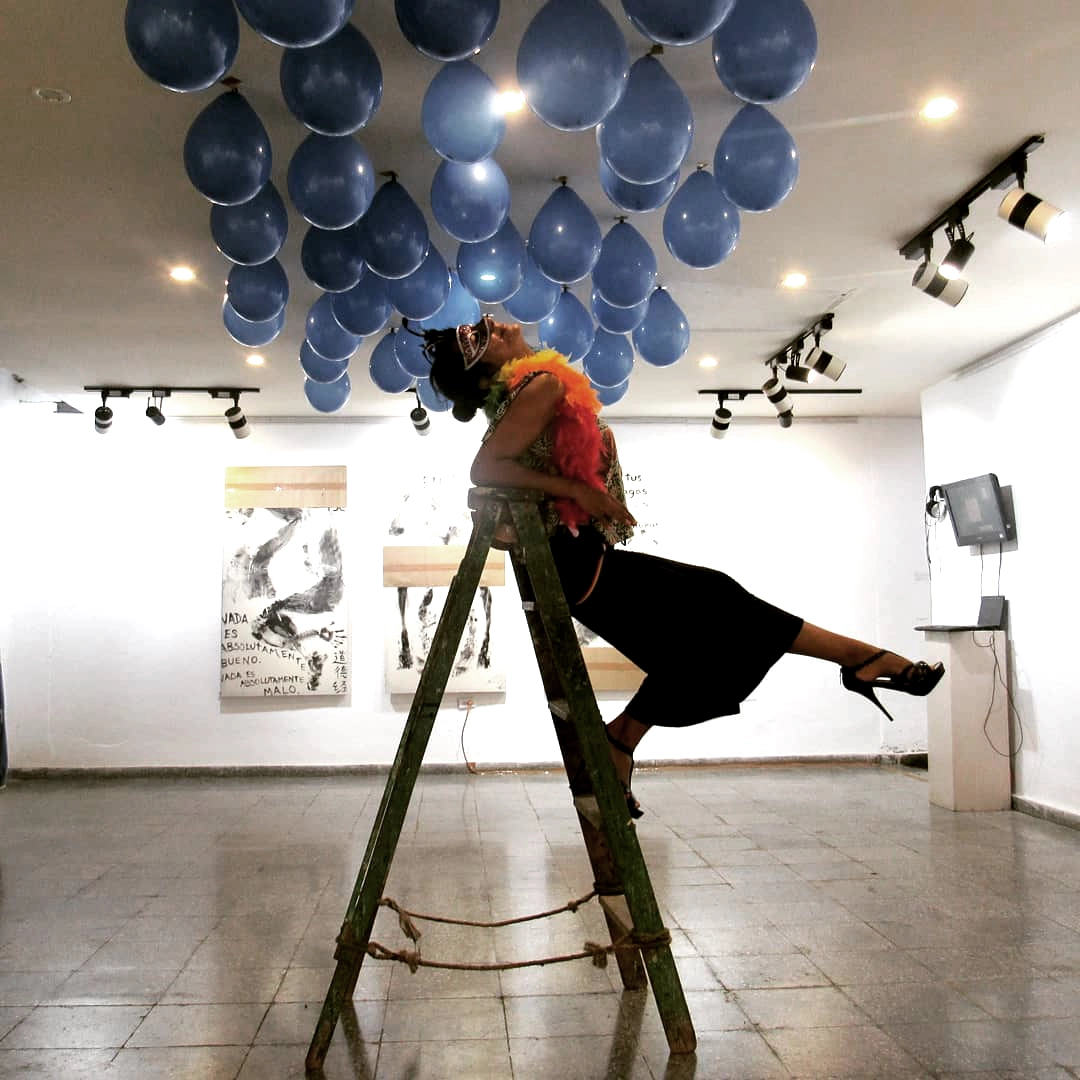
January, 2021. Fayad Jamís Gallery, Havana. Founded on November 1, 1989.
Located at Quinta and Avenida de Los Cocos, Zone Seven, Alamar, Havana.
Entering the Gallery
With the spread of internet access in Cuba and the global confinement of the pandemic, social networks became her first exhibition space. In that digital environment she shared her works, organized shows, and participated in virtual collectives. Although she held one solo show and a few physical ones, her practice unfolded primarily online.
In 2021, coinciding with the rise of the NFT market, she migrated part of her work to that ecosystem. She began selling her pieces, experiencing for the first time what it meant to sustain herself economically through her art. Symbolically, that shift also marked the beginning of her own migratory process.
During her training she was guided by conceptual artist Lázaro Saavedra, whose work—critical, witty, and versatile—deeply influenced her thinking. From that relationship emerged one of her earliest canvases, Microbrigada Artística, inspired by one of Saavedra’s pictorial series and later turned into a collaboration that consolidated her artistic and human development.
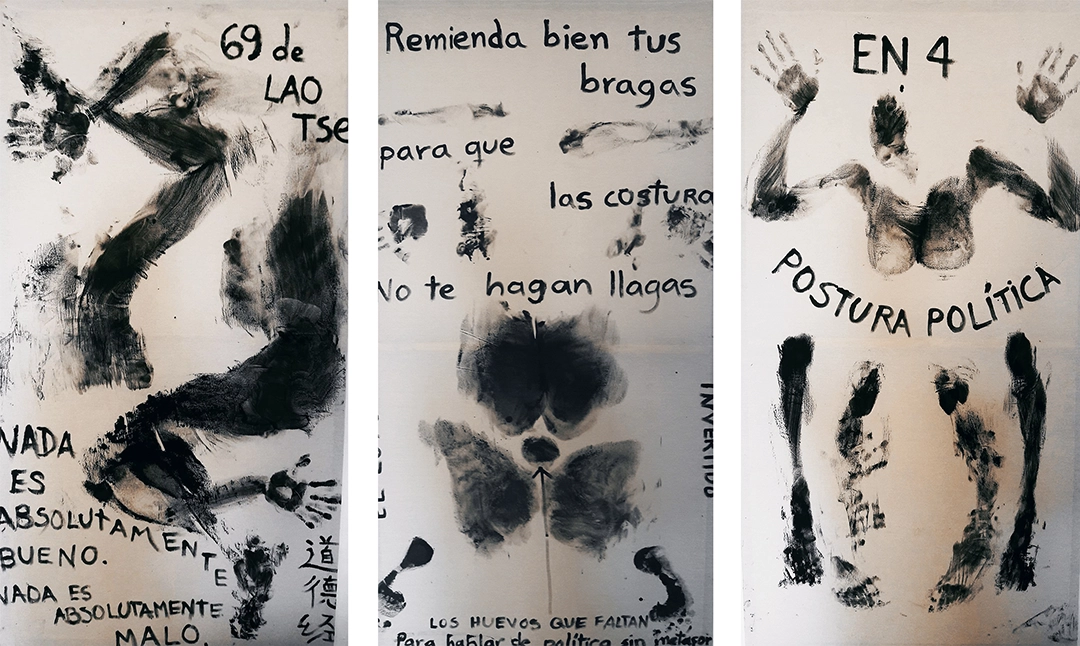
Political Posture, 69 Lao Tzu and Inverted Lotus, from Artistic Microbrigade, 2020
Performative action on canvas | 80 x 150 cm
Censorship
Her first solo exhibition, Power On, gathered a set of gestural paintings, installations, photographs, and performances. It was there she faced her first act of censorship: one of her triptychs was removed for its political content. She responded with a performative gesture—covering the banned areas with wrapping paper and veiling the remaining pieces. She transformed the prohibition into part of the work itself, underscoring the relationship between censorship, body, and discourse. Those three canvases were the only ones she managed to take out of Cuba.
Another significant piece, the video-performance Nixon, déjala que goce (Nixon, Let Her Enjoy It), addressed political violence on the island through humor, music, and ritual. Inspired by a phrase from Juana Bacallao and by the figure of Angela Davis, the work stages an exorcism while a Communist patriotic song plays in the background. Its trigger was a live video showing the arrest of Tania Bruguera and Camila Lobón—symbols, to her, of courage and commitment.

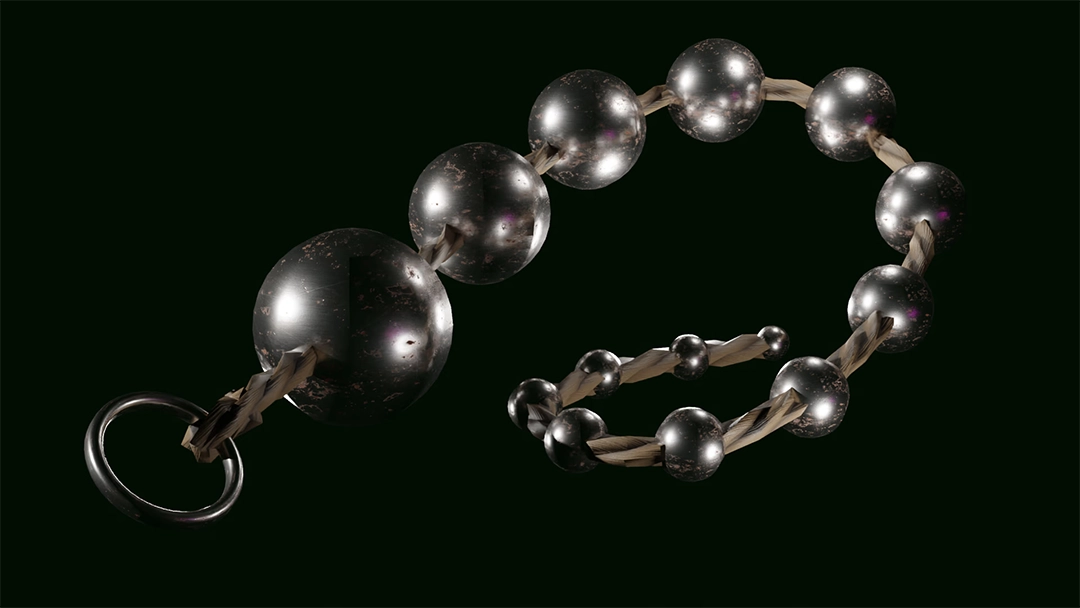
Shibari 349 (bite rope gag)
Decree Law 349 was one of the recent legal regulations with the purpose of restricting the exercise and freedom of expression in artistic creation. It imposes the condition of official certificates to exercise artistic creation, exhibition or commercialization. The filters for the granting of accreditation cards go through the filter of ideology and everything that is excluded from this framework is considered illegal. Leading to the payment of fines, decomposition of works, equipment, materials, galleries or buildings where the breach of the decree has been made. Non-payment of fines constitutes a crime that provides a penalty of deprivation of liberty. The publication of this decree unleashed a climate of disagreement and protest in the independent artistic and intellectual union, a campaign against 349, debates, public actions and the holding of the Biennial 00, organized by Luis Manuel Otero Alcántara (artist and political activist brutally harassed by the government and currently imprisoned since July 11, 2021).
In that same spirit, her work turned toward exposing the conditions of precarity and repression in contemporary Cuba. In the 3D series I Decree, she transformed restrictive laws into bondage objects—metaphors of the decrees that constrain both thought and the body.
In parallel, for her NFT collection, after a process of study and homage to Cuba’s concrete painters, she became interested in geometric abstraction as a language and in painting as a medium. Since 2021, this has been the most constant axis of her production.
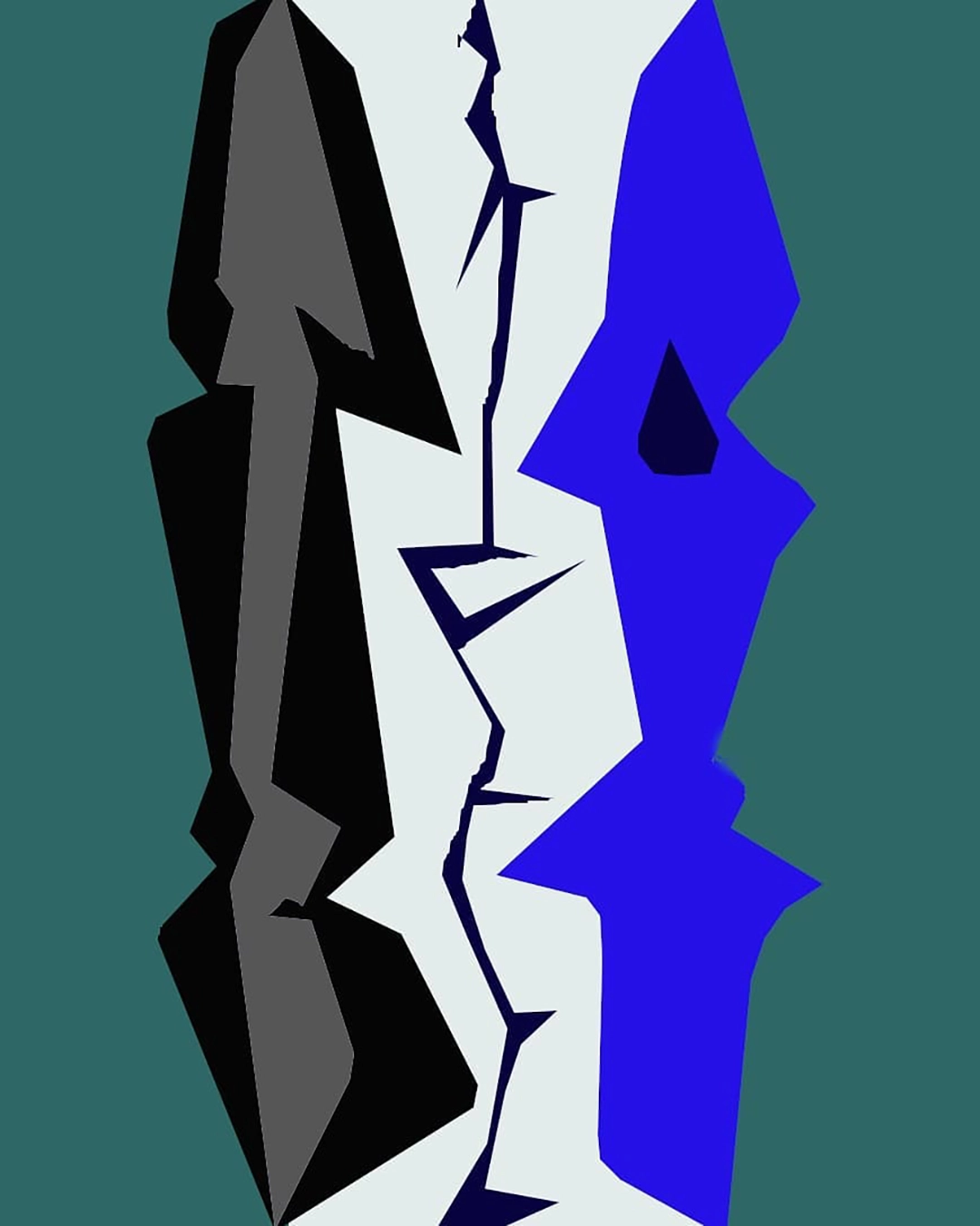
Pedro de Oraá
NFT Digital drawing. Belonging to the Crypto_CubanConcreteArt collec
Migration
To survive as a mixed-race woman, mother, and artist in the United States is an act of extreme resistance. Inequality and exclusion are not exclusive to Cuba—they are everywhere, within reach of almost everyone. The challenge lies in sustaining one’s affirmations of origin, the questions that define identity. Perhaps for that reason she conceives of freedom as a work in progress, another performance altogether.
Louisville, Kentucky, has opened its doors to her, allowing her to build a home. From outside, one can see the small lights; inside, the work unfolds—soon to be exhibited in Next to Nothing at The Annex Gallery, Cincinnati. For the impatient, her work can already be seen in the group exhibition Aflora at the Frazier History Museum in Louisville (September 2025–March 2026). In the coming months, she will also present Finding Our Tomorrow: Five Hispanic Voices in Louisville Art at Metro Hall, both as artist and curator.
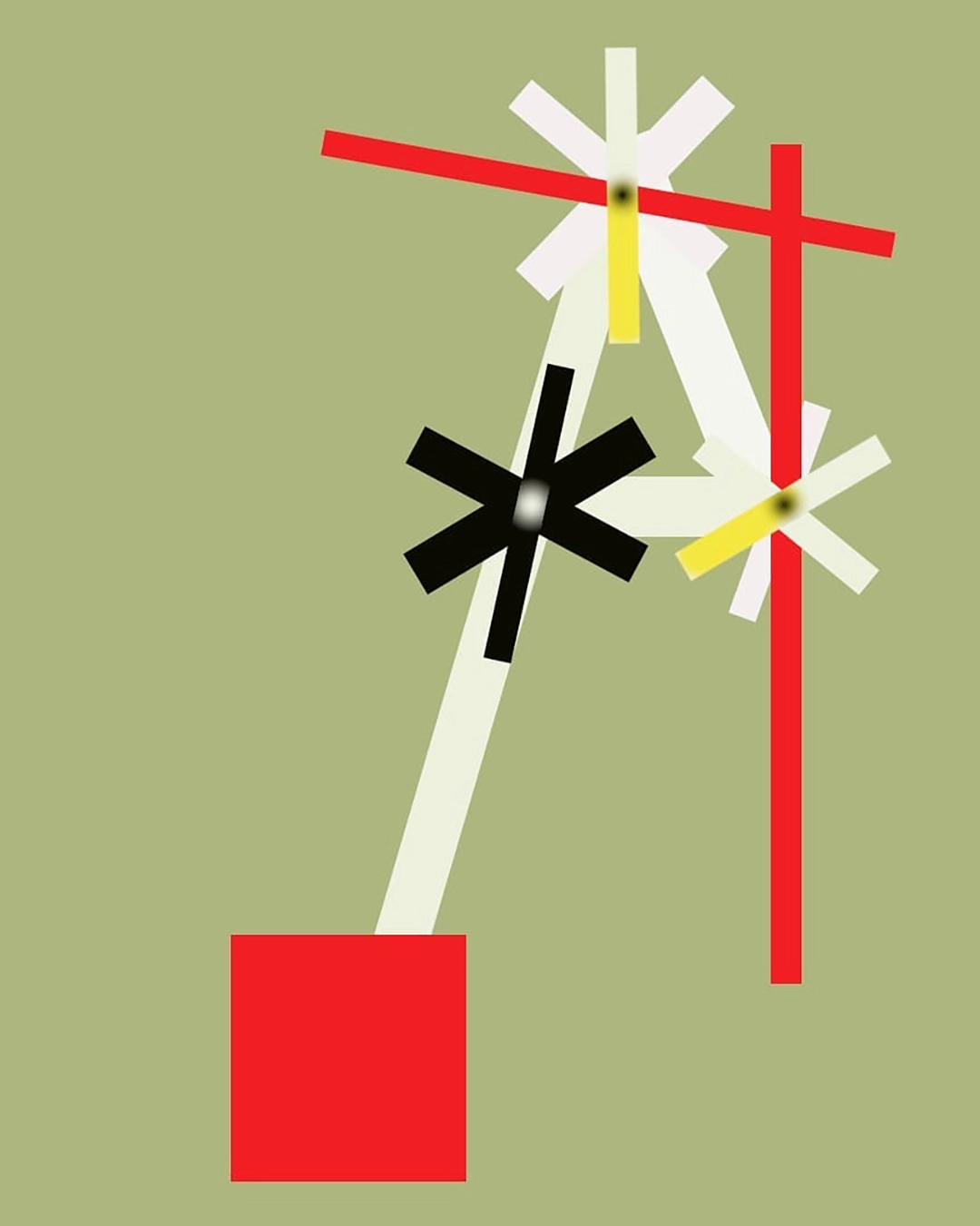
Sandú Darié
NFT Digital drawing. Belonging to the Crypto_CubanConcreteArt collec







If you’re a regular reader of this blog and enjoy its content, you might consider contributing to its upkeep. Any amount, no matter how small, will be warmly appreciated
Founded in 2021, Echoes (Notes of Visual Narrative) invites everyone to explore together the visual codes that shape our world—art, photography, design, and advertising in dialogue with society.

Copyright © 2026 r10studio.com. All Rights Reserved. Website Powered by r10studio.com
Cincinnati, Ohio

Comments powered by Talkyard.