
Given its scale and significance, I will present my analysis of this project in several installments. These are the ten design proposals shortlisted for the next series of euro banknotes. At this moment, they are under the gaze of millions. Citizens of the euro area have been invited to choose their favorites in a survey that will remain open until September 21...

The Serendipity x Arles Grant has a history of barely six years. It was established in 2020 by the Serendipity Arts Foundation and Les Rencontres d’Arles, with the support of the Institut français en Inde, to foster South Asian artists working with photography, video, artificial intelligence, and other image-based media...
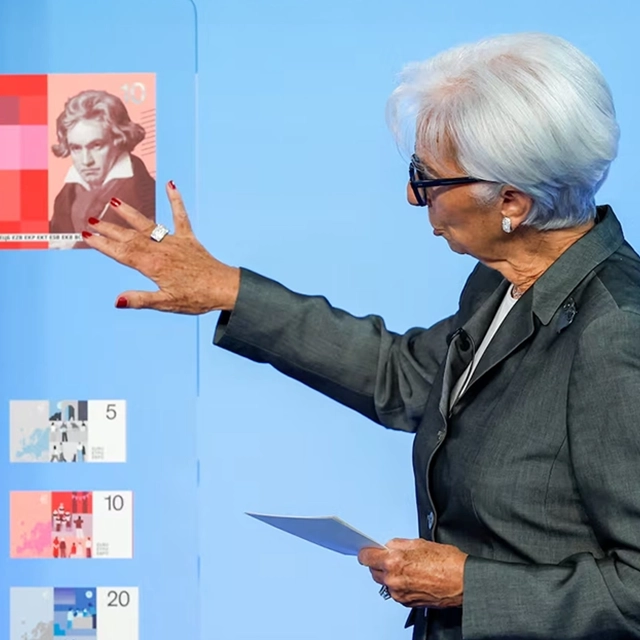
Designing the banknotes destined to circulate throughout a monetary area such as Europe is among the most prestigious and consequential commissions a professional or design studio can receive. Creating an image to be shared by millions of people, condensing an identity into visual form, and meeting complex demands of legibility, security, symbolism, and instant recognition constitute a task at which even a demigod like Hercules might have failed...

Jim Marshall, a renowned photographer celebrated for his iconic rock-and-roll images, captured unforgettable moments in music history. You may recognize his work, such as the famous photograph of Johnny Cash giving the finger at San Quentin Prison, Jimi Hendrix lighting his guitar on fire, or exclusive shots from the Beatles’ last performance...

Yesterday, a video circulated widely across social media showing the arrest of a young transgender person on February 5, 2025, at the University of Central Florida in Orlando. The footage shows a "highly agitated" Jarrett Vick, a 27-year-old transgender student, confronting several officers who were on campus for unrelated reasons...
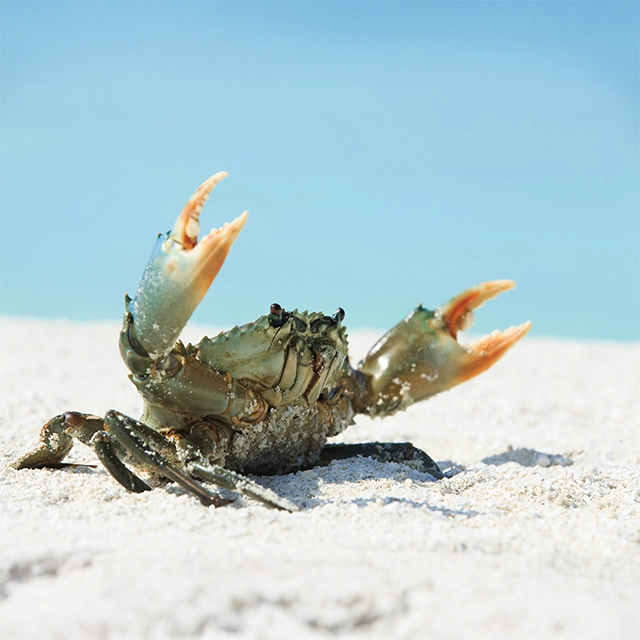
Science magazines — the serious ones, and even the popular-science ones — very often bring us stunningly beautiful photographs of what actually is. Natural splendor, the marvels of the world. They aren't art photographs; they don't denounce problems, or systems, or the routine aberrations of the human world. They are for the curious, for those with a child's soul. And yet the photographers who take them can be considered full-fledged artists. All the more so in these days of ours, when anything at all lays claim to artistic status.
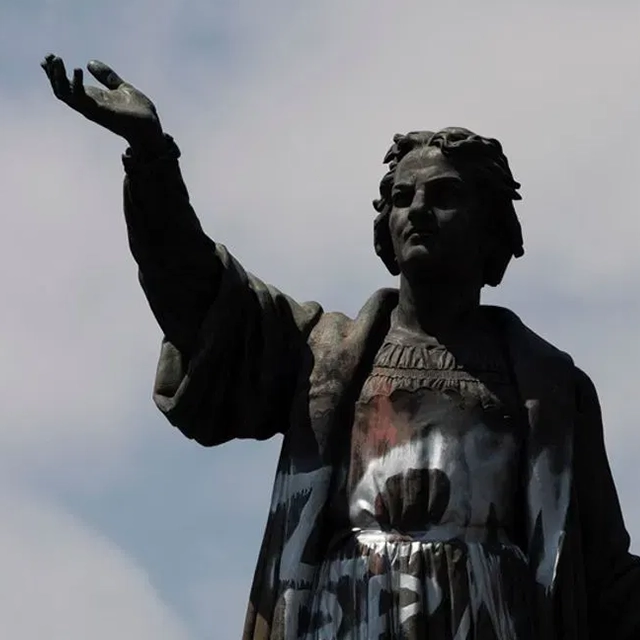
Maximilian of Habsburg, the emperor whom the French Intervention installed on the throne, built the Paseo de la Emperatriz —modeled on the Parisian boulevards— to link Chapultepec Castle with the city center. Mexico's conservative quarters looked kindly upon it. When the empire fell, the republican governments renamed it Paseo de la Reforma. This Reforma is the Mexican liberal one, the laws driven by Benito Juárez that separated Church from State and consolidated the Republic.
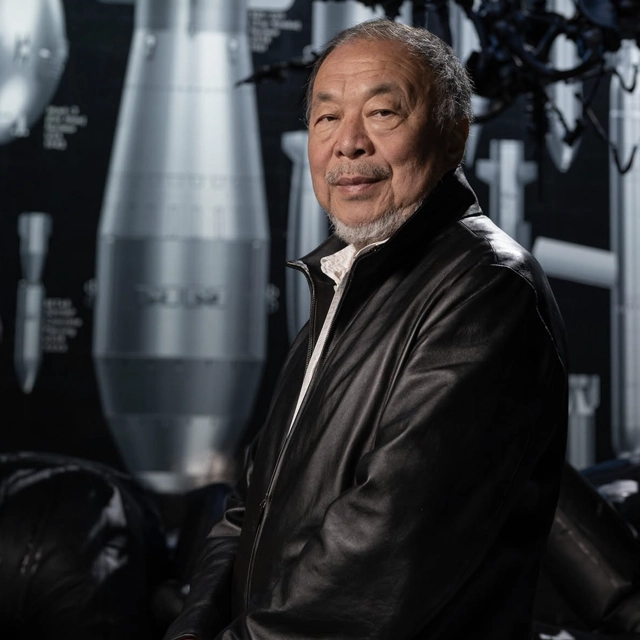
Ai Weiwei's art leaves me with certain reservations. The public figure strikes me as overly polished, burnished almost to excess.
Some years ago he dropped an authentic Han dynasty urn onto the floor. Made sometime between 206 BC and AD 220, its first and only purpose was to shatter. He had bought it in Beijing in the early 1990s, during China's rapid urban expansion...
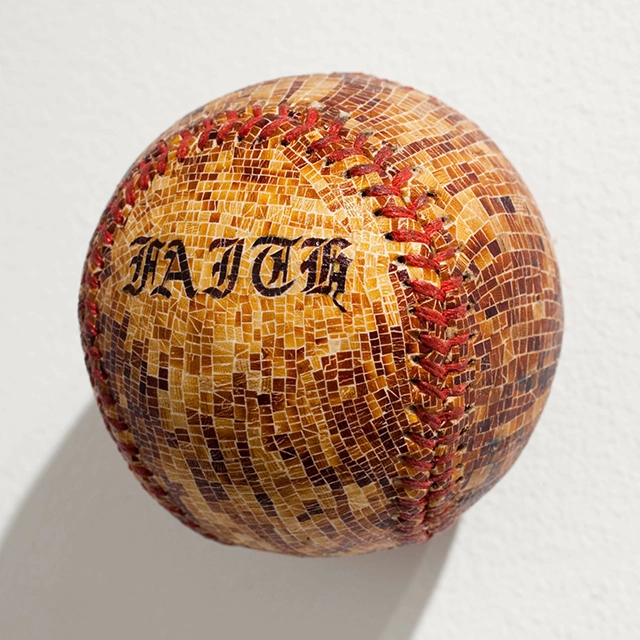
Call Me Ahmel
January arrived, and so did 2025. Halfway through the month it will pierce my head and my body in much the same way 2024 did—with hypersonic calm. Be careful. In Miami everything happens too fast, a good friend warned me, sounding more alarmed than concerned. Another good friend, one we have in common, calls him my fascist friend. Cuba, the way tango does to the men—and to the women—in Borges's magnificent story The Man on Pink Corner, has its own way with him.


If you’re a regular reader of this blog and enjoy its content, you might consider contributing to its upkeep. Any amount, no matter how small, will be warmly appreciated
Founded in 2021, Echoes (Notes of Visual Narrative) invites everyone to explore together the visual codes that shape our world—art, photography, design, and advertising in dialogue with society.

Copyright © 2026 r10studio.com. All Rights Reserved. Website Powered by r10studio.com
Cincinnati, Ohio
