

Science magazines — the serious ones, and even the popular-science ones — very often bring us stunningly beautiful photographs of what actually is. Natural splendor, the marvels of the world. They aren't art photographs; they don't denounce problems, or systems, or the routine aberrations of the human world. They are for the curious, for those with a child's soul. And yet the photographers who take them can be considered full-fledged artists. All the more so in these days of ours, when anything at all lays claim to artistic status.
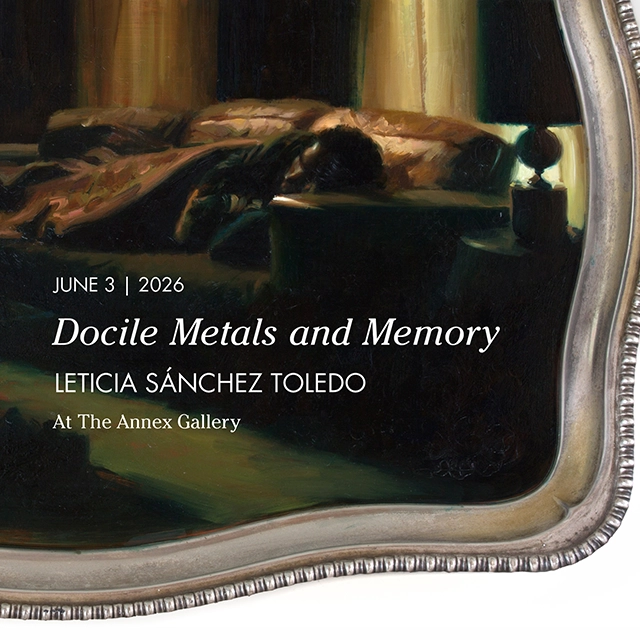
On June 3, Leticia Sánchez Toledo opens Docile Metals and Memory at The Annex Gallery, a series that delves into the material and affective memory of objects. The pieces were conceived from metal trays unearthed on Facebook Marketplace, at Sunday flea markets, and in secondhand venues. They are objects few still wish to keep in their original state — easy to come by, hard to maintain, awkward to place...

A few months ago I wondered in these pages what Macron was getting out of lending the Bayeux Tapestry to the English. Forty thousand French citizens signed a petition to block it, citing textile fragility and, I suspect, a touch of cross-Channel rancour as well. The other question remained: what would the British Museum get out of it.
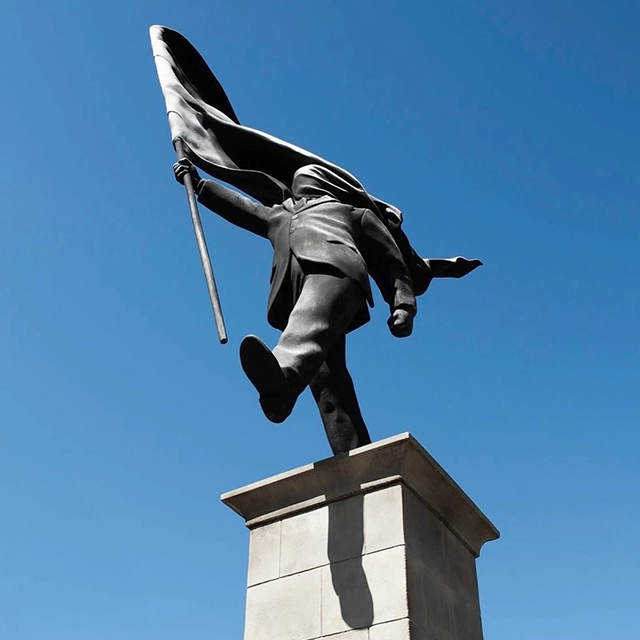
I suppose that waking up to find the night has birthed a new Banksy is, by now, almost routine. This time, however, something is different. He has literally moved up a step. He has planted a life-size sculpture in one of the most heavily guarded spaces in London. No witnesses.
The piece appeared in the early hours of Wednesday at Waterloo Place, an avenue in central London halfway between Trafalgar Square and Buckingham Palace.
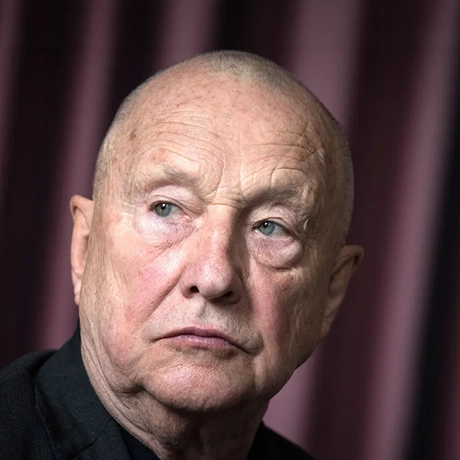
Somewhere between Salzburg and the history of postwar German art, Georg Baselitz died yesterday at 88. His gallery announced it on Thursday. The family stated that he passed 'in peace'. The cause was not made public.
Baselitz was born in 1938 in Deutschbaselitz, a village in Saxony, under the name Hans-Georg Kern. In the first years of his life, during the war, four thousand tonnes of bombs fell on his village...
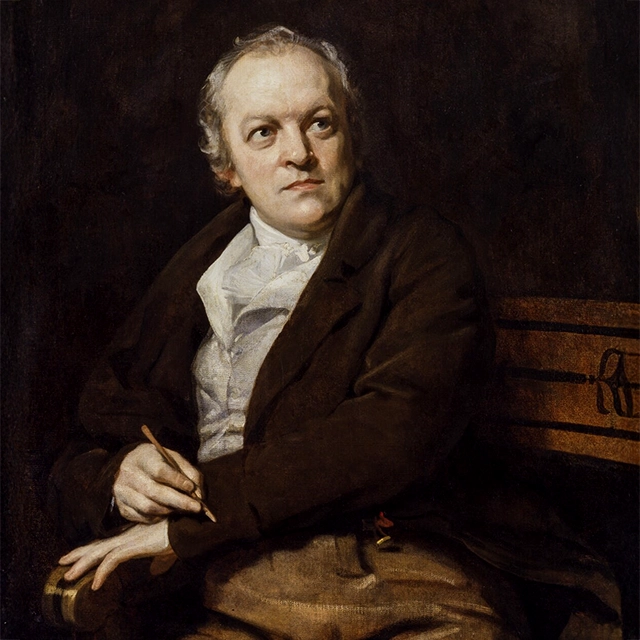
There is something bitterly ironic, and in some way unjust, in the posthumous fate of William Blake. An extraordinary poet and engraver, he spent his life defending imagination as a sacred faculty, denouncing slavery, and dreaming of a spiritual Jerusalem on earth. He has nevertheless ended up recast, in the contemporary imagination, as a numen, or tutelary spirit, of evil. His name and his images appear tattooed on the skin of serial killers, whispered into the ears of victims in television series...
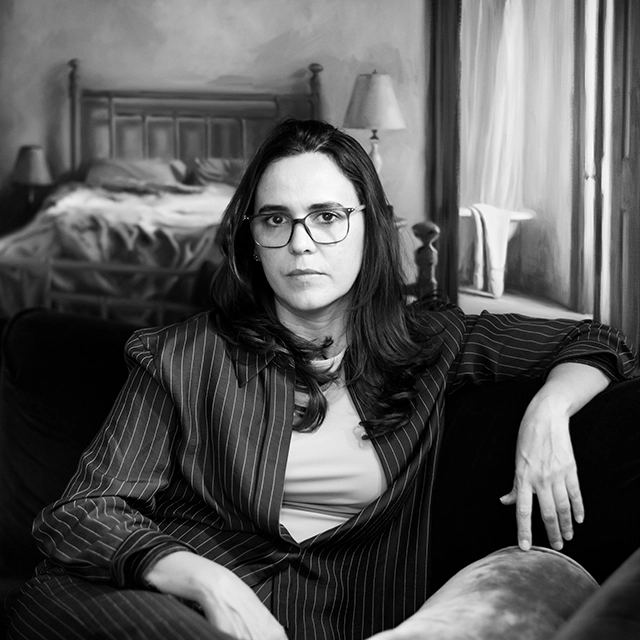
I have known for several days. We waited for the foundation’s official publication, where it is formally announced that Leticia Sánchez Toledo has been awarded once again. This time, by the Elizabeth Greenshields Foundation.
As many know, Leticia is a figurative visual artist who works primarily in oil on canvas. Through its decision, the foundation supports one of the projects she currently has in development.
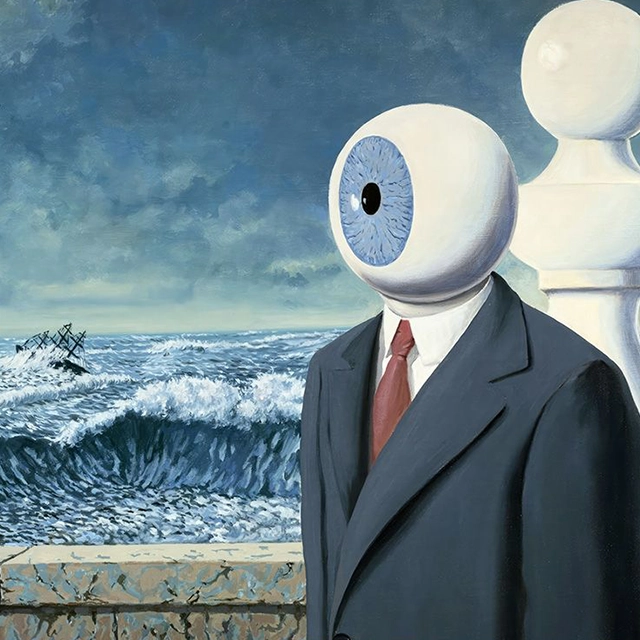
The auction house Sotheby's has just secured a credit line of up to one hundred million dollars from the private capital firm KKR, offering as collateral the commissions its clients still owe it on auction purchases. It is a form of financing worth attending to, because it discloses where in the cycle one of the two houses that have set the pulse of the global art market for decades now finds itself. When a company begins to collateralise its receivables in order to access immediate liquidity...
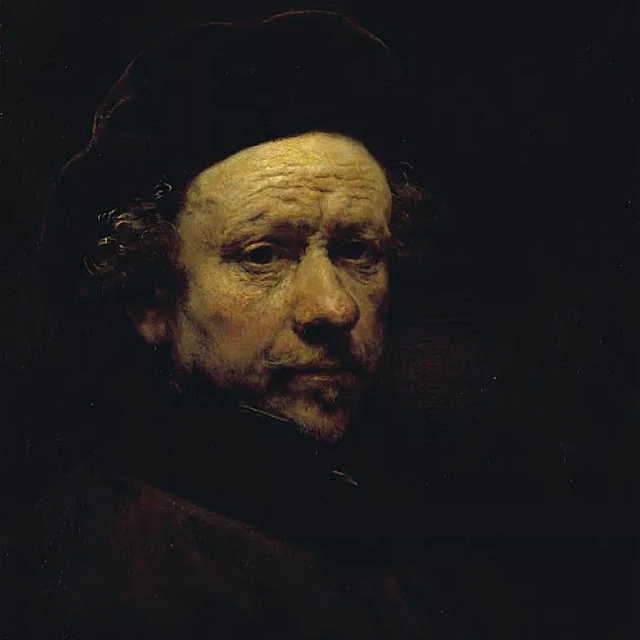
I have yet to visit the exhibition Rembrandt: Masterpieces in Black and White. Prints from the Rembrandt House Museum, which opened on February 7 in the Fifth Third Gallery at the Taft Museum. Almost every day I find myself thinking I should go. Opportunities like this are not common, especially when dealing with a major figure of Dutch art.


If you’re a regular reader of this blog and enjoy its content, you might consider contributing to its upkeep. Any amount, no matter how small, will be warmly appreciated
Founded in 2021, Echoes (Notes of Visual Narrative) invites everyone to explore together the visual codes that shape our world—art, photography, design, and advertising in dialogue with society.

Copyright © 2026 r10studio.com. All Rights Reserved. Website Powered by r10studio.com
Cincinnati, Ohio