
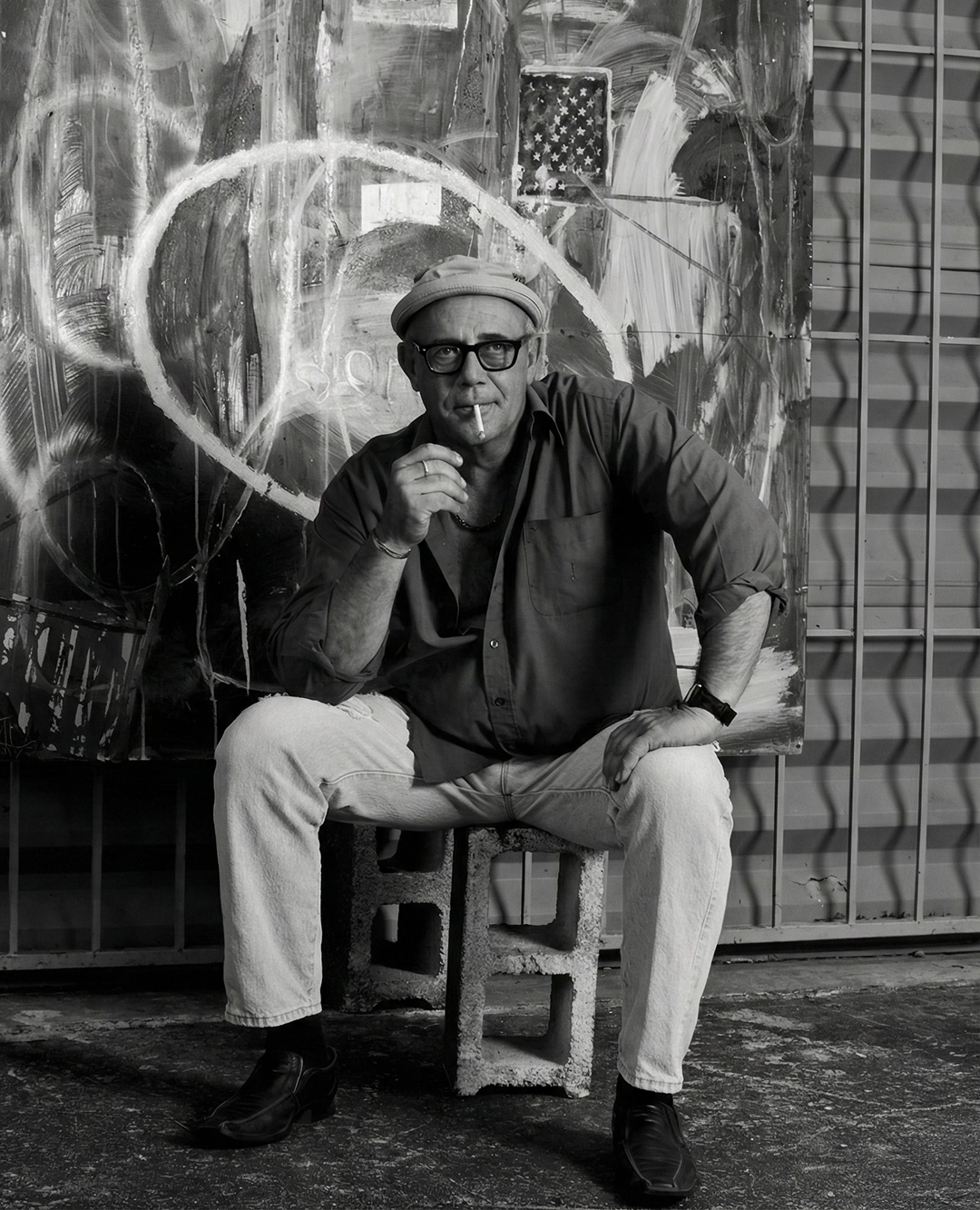
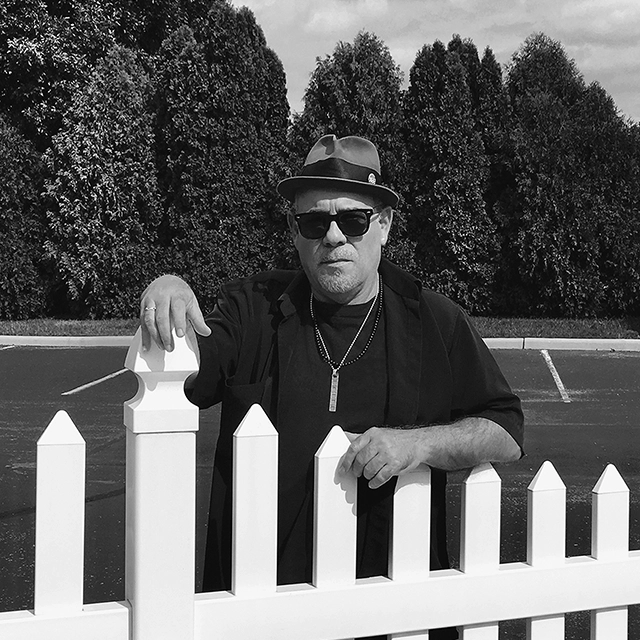
The passing of larger than life Contemporary Cuban Artist Sergio Garcia (April 27, 1959 – December 11, 2025).
An energetic, tall man with a spirited, deep, gravelly voice arrived at Yovani Bauta’s two-story Ironsides Miami studio in 2010. It was there that Yovani allowed me to use a small space to create my paintings. That intrepid man was Sergio Garcia.
Judging from their greeting, these two Cuban contemporary artists had been friends for quite some time. Yovani led him upstairs, to the second story where he wanted Sergio to see a portrait of his grandfather that he had nearly completed. “Brother, that kicks ass,” he said admiringly. They talked for some time while I continued painting quietly in my cubby hole tucked away in the rear of the space, which had once been a 10’ x 15’ closet. On the way down, Sergio saw me and exclaimed, “Who’s this?”
Yovani introduced us. He explained our arrangement and added that I was working on an appealing Cuban cookbook. Sergio looked at a mockup of the book, which included artistic food photographs, and liked them. The book was never published. Then, Sergio asked about my Imagine Liberation pieces, which I had strewn about the space. They depict broken chain links on textured surfaces. Right there, he suggested that I put together a proposal to convert one of the paintings into a sculpture and encouraged me to attend an upcoming meeting of Giants in the City, a sculpture project curated by Alejandro Mendoza. As instructed, I attended the meeting and my proposal became one of the huge sculptures that form part of the itinerant inflatable sculpture collection.
As I came to know Sergio, I realized that I was not the only beneficiary of his largess. He had lent a helping hand to a multitude of artists he encountered during his journeys throughout the various art districts that existed in Miami during the 2010s.
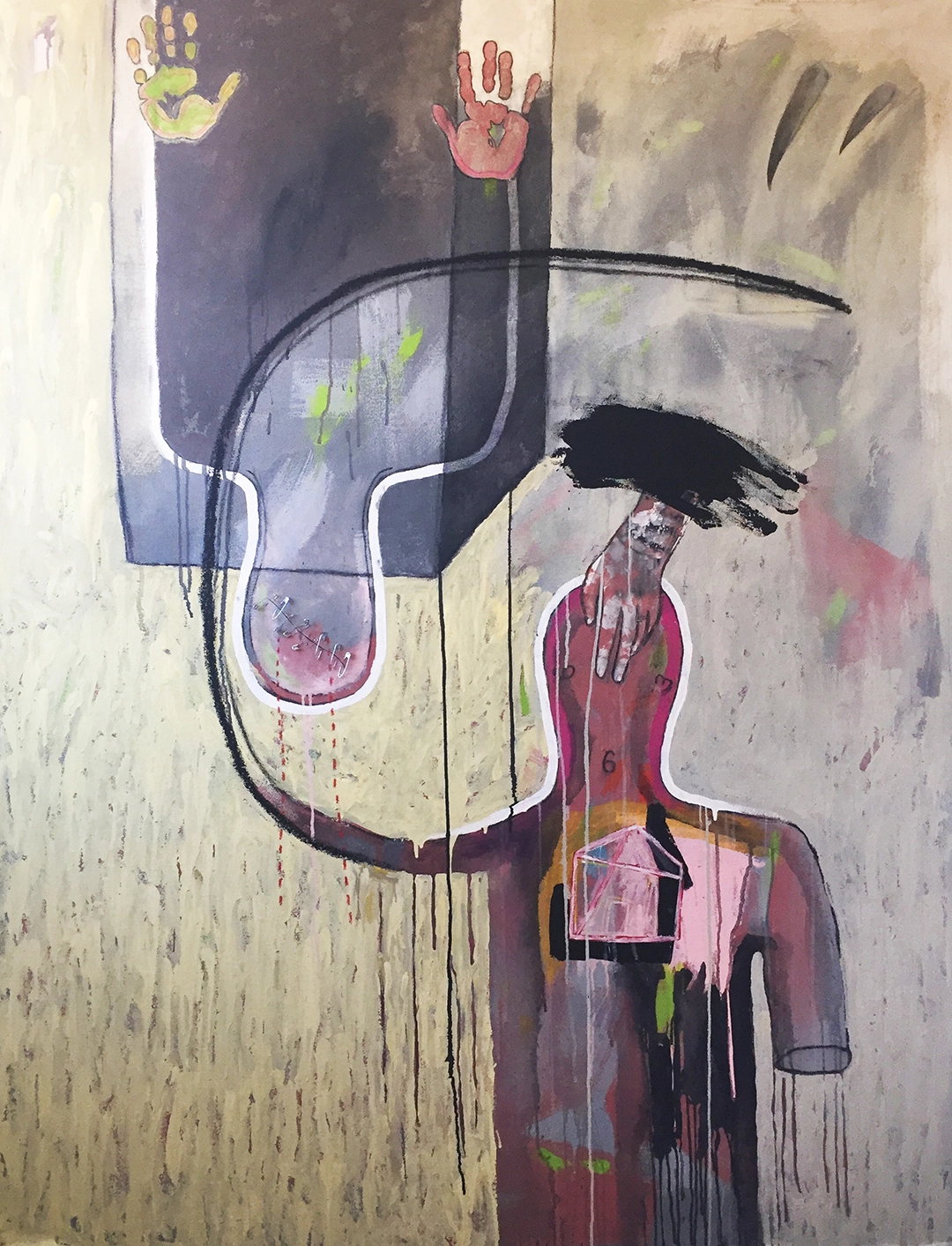
Sergio had long been part of the Miami art scene. In the 1990s, he was a fixture in the first iteration of the Bird Road Art District, where he shared warehouse space with visual artists Vicente Dopico, Edin Gutierrez, Juan Ilisastigui, Vivian Marthell, Sergio Payares, Ana Maria Sarlat, and Carlos Suarez de Jesus, who later served for years as the Art Critic for the Miami New Times. Their space was one of the primary gathering spots for music and art festivities in the area. They didn’t sell much art there, but this was a launching pad for future projects that bore fruit later on.
His energetic optimism was infectious. During joyous party delirium he yelled “Wasanga,” a sort of primal scream, which became his nickname. He seemed so cheerful and amiable, but then I saw his artwork. “What’s wrong with this picture?” I asked myself. This guy, who had all the enthusiasm of a cheerleader coach before the big game, produced dark-themed paintings that could make anyone’s skin crawl. Little by little, it became evident that Sergio was a troubled soul whose social skills enabled him to maneuver through society with deceptive ease.
Yet, sometimes, his diplomacy took a back seat when the effect of drugs and alcohol took over. These mood enhancers usually synergized his outwardly joyful spirit. More than one person recalls that he was often clearly the life of the party and a great dancer. However, as gravity dictates, what goes up must come down. When the highs gave way to the lows, he usually sought solitude; but in that solitude, sadness, pain, and anger reared their unbridled monstrosity. Therefore, he painted. Sometimes, instead of painting, he would call someone to vent or to seek a shoulder to cry on. Receiving either one of those calls more than once at 2:00 a.m. during a work week isn’t an endearing situation.
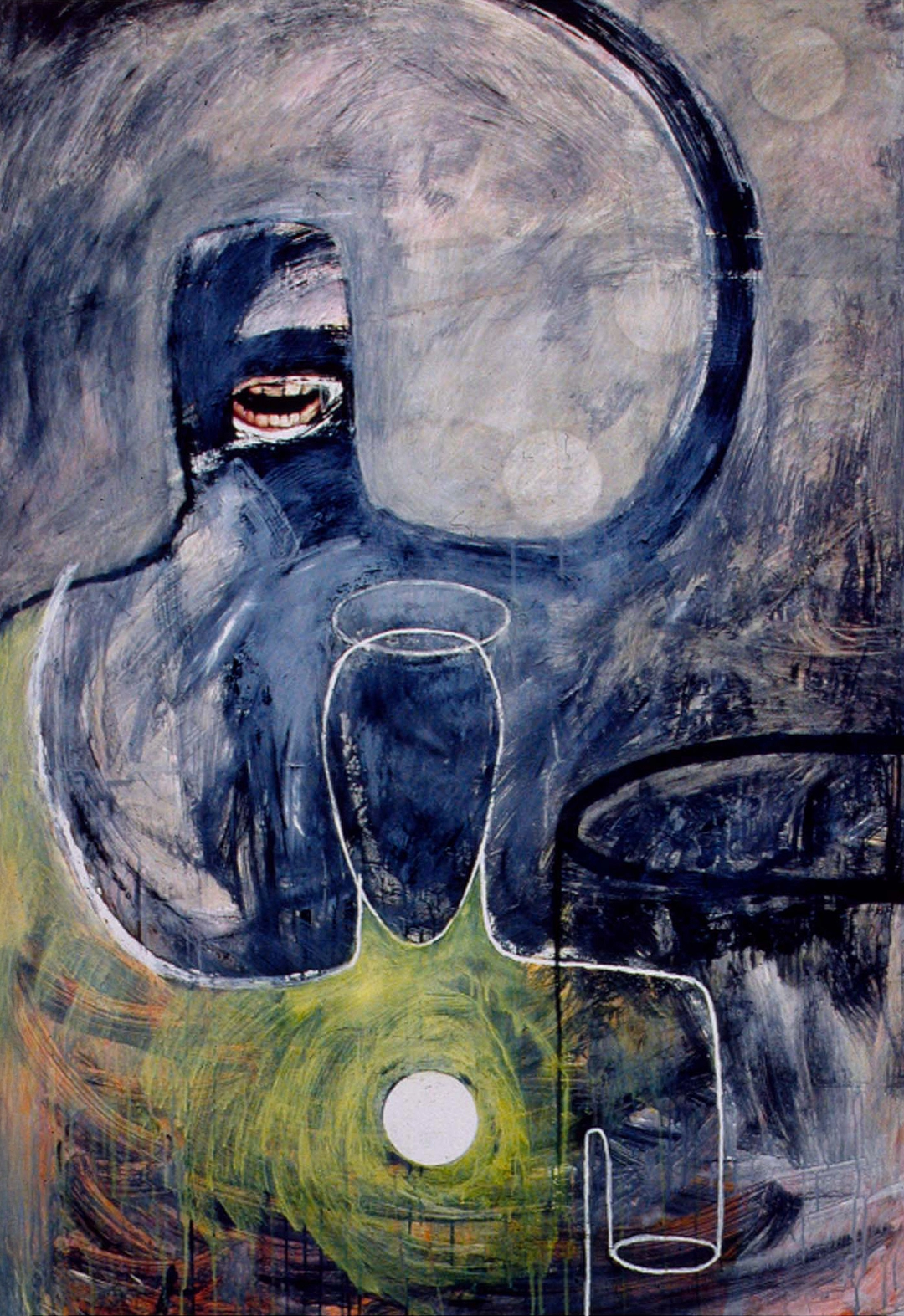
People preferred it when he painted. He was quite prolific. The subjects of his paintings seem to be his tormentors: depression, suffering, anger, and even the addictions that he could not kick. He materialized these tormentors into beings that he then sought to obliterate violently from his life, even to the point of stabbing his canvas without mercy, and then bury the monsters, so they wouldn’t bother him any longer. This isn’t something that he confided in me. It’s the conclusion that I reached during my conversations with him, when I asked him to participate in the Circular Reflections Collection. That is a project that seeks to document Cuban art by showing a broad spectrum of works by accomplished artists who have a signature style. He certainly had one of those, and despite the fact that he arrived at the United States as a child, he considered himself a Miami Cuban.
What Sergio actually said was that, while most people seek to conceal their dark side at all costs, he did the opposite. His artistic process was a deliberate descent into the pool of darkness within his own subconscious. From that depth, he pulled out the sinister and painful imagery that he then revealed on his canvases. For Sergio, this was a necessary and therapeutic catharsis—a way to confront and manage his profound loneliness, pain, and anger.
Around May 2019, a sudden health crisis of multiple conditions dimmed the light of Miami’s beloved artist, Sergio Garcia, withdrawing him from the world he illuminated. His vision failing, Garcia was stripped of his art, the very language he used to speak through depression, leaving him isolated and unable to connect. The once-sonorous voice, a fixture in vibrant art circles, grew silent as he ceased visitors and calls, eventually vanishing from his home to a healthcare facility. The news of his passing on December 11, 2025, marks the end of an era, leaving his art and his silence as his lasting, poignant legacy.
The powerful body of work that Sergio Garcia leaves behind serves as a testament to the raw, transformative power of art born from darkness and vulnerability. May it endure. Wasanga!
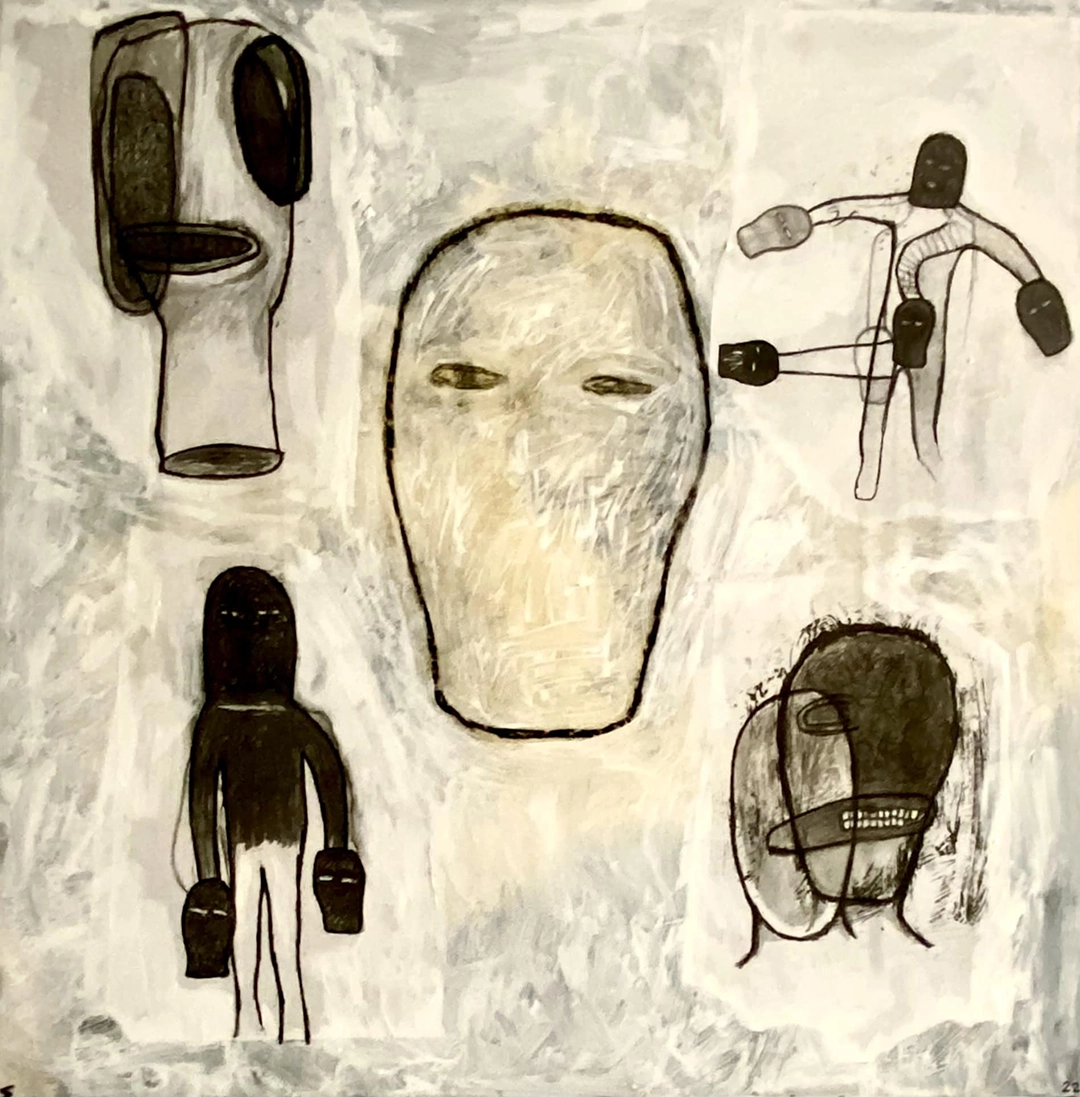
Cuba, 2023. Mixed medium. Collage on canvas | 24 x 24 in





If you’re a regular reader of this blog and enjoy its content, you might consider contributing to its upkeep. Any amount, no matter how small, will be warmly appreciated
Founded in 2021, Echoes (Notes of Visual Narrative) invites everyone to explore together the visual codes that shape our world—art, photography, design, and advertising in dialogue with society.

Copyright © 2026 r10studio.com. All Rights Reserved. Website Powered by r10studio.com
Cincinnati, Ohio

Comments powered by Talkyard.