
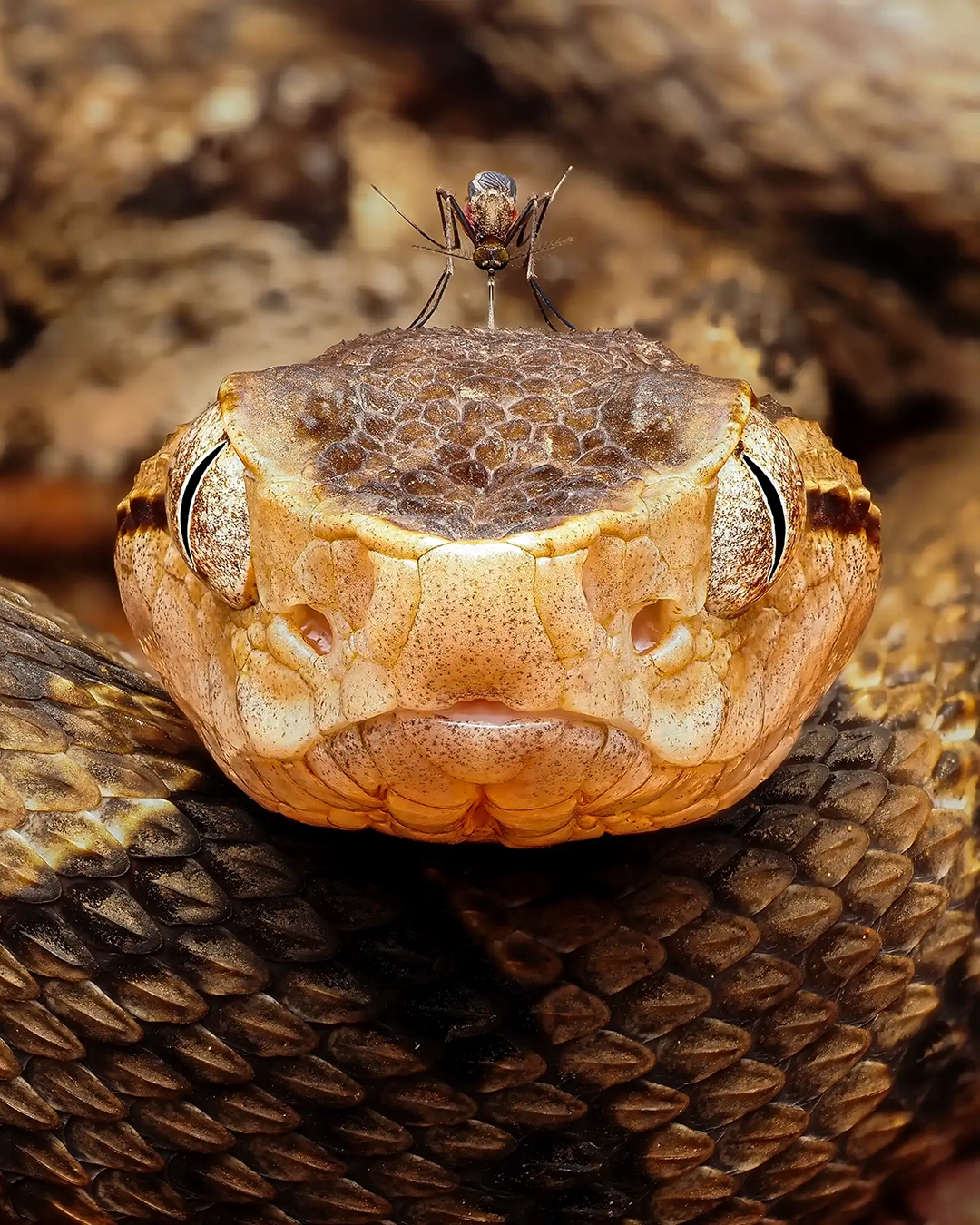
Andrea and Maceo Grammatico get a snake’s-eye view of a mosquito drinking a venomous viper’s blood. Twins Andrea and Maceo describe this image as ‘one of the most demanding focus stacks we’ve ever created’. It required immense concentration and care. It wasn’t until they reviewed their photographs that they noticed the mosquito on the snake’s head. (Image: Andrea and Maceo Grammatico / Wildlife Photographer of the Year)
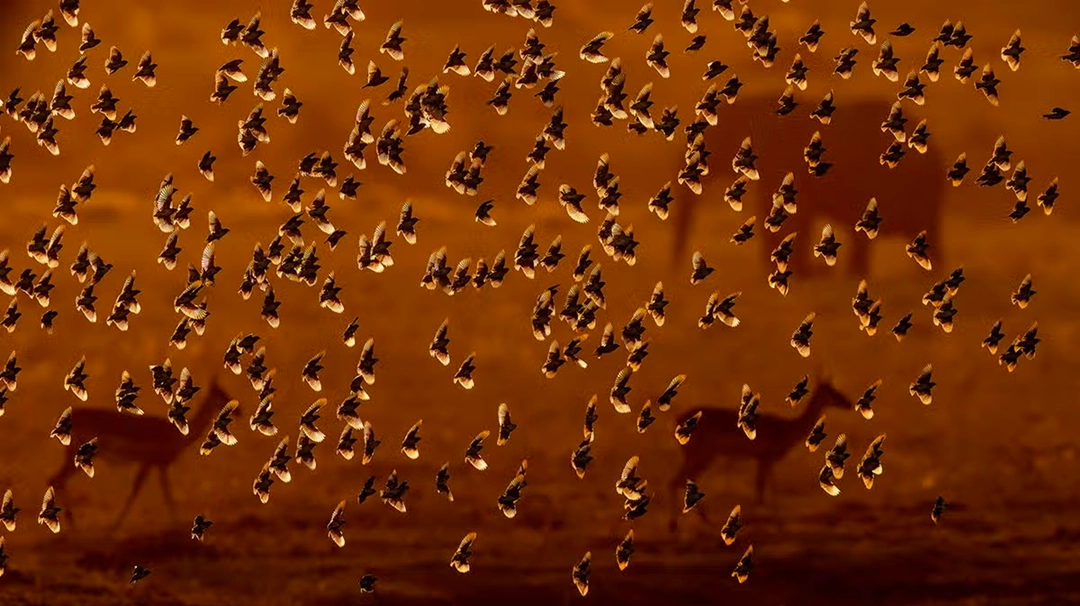
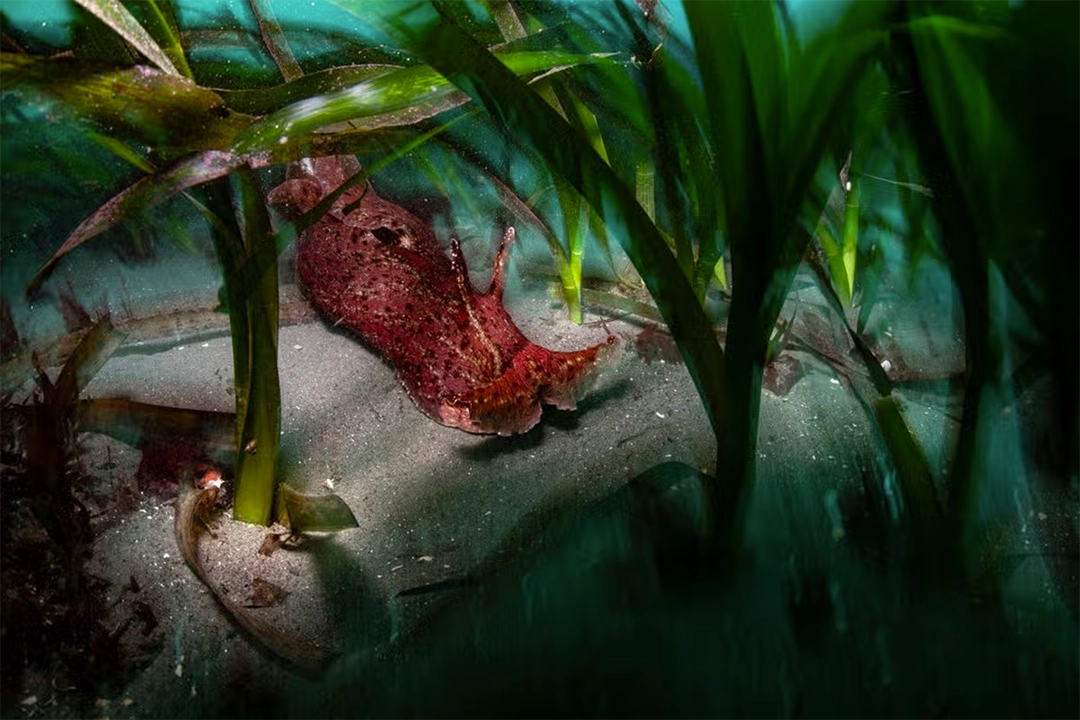
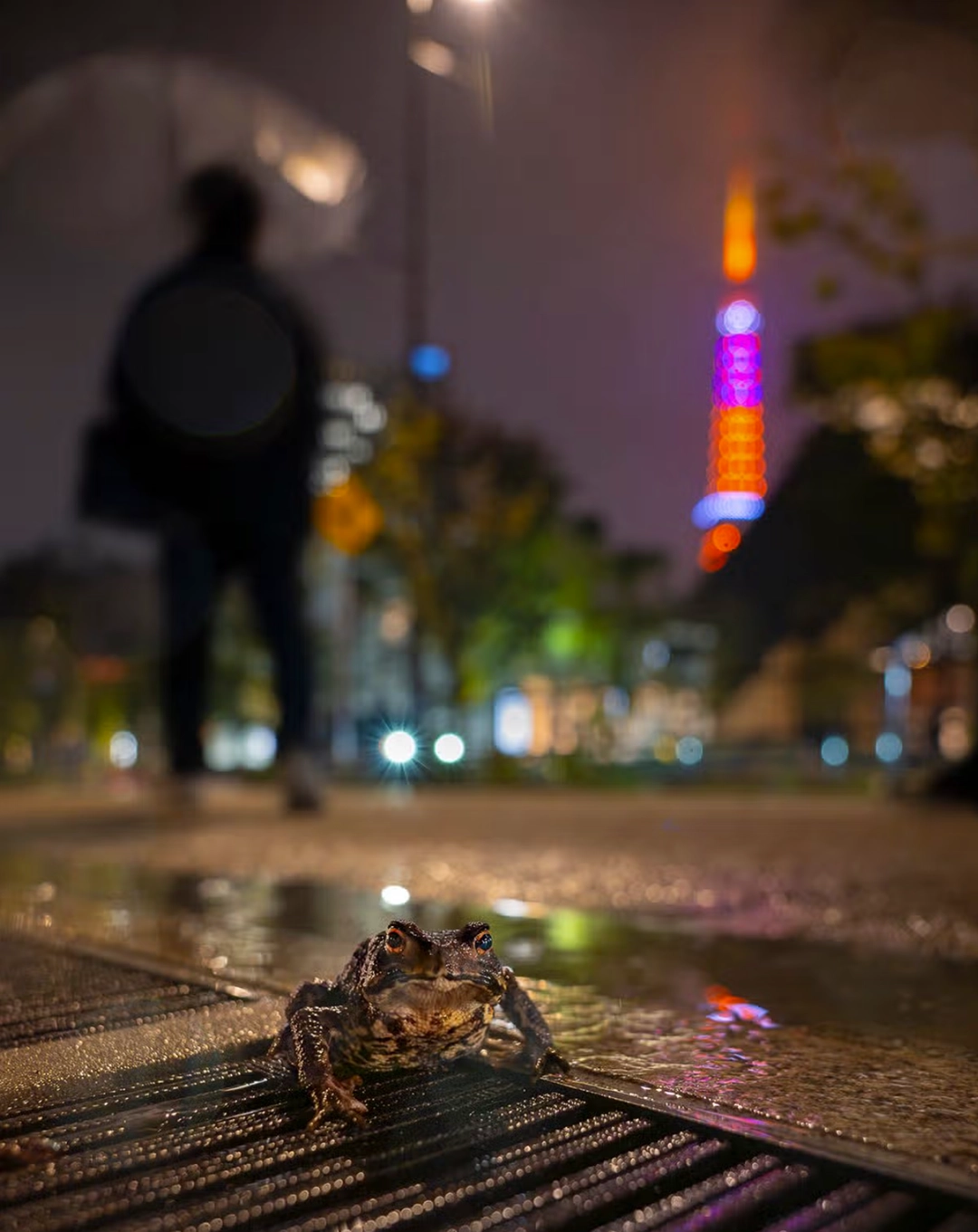
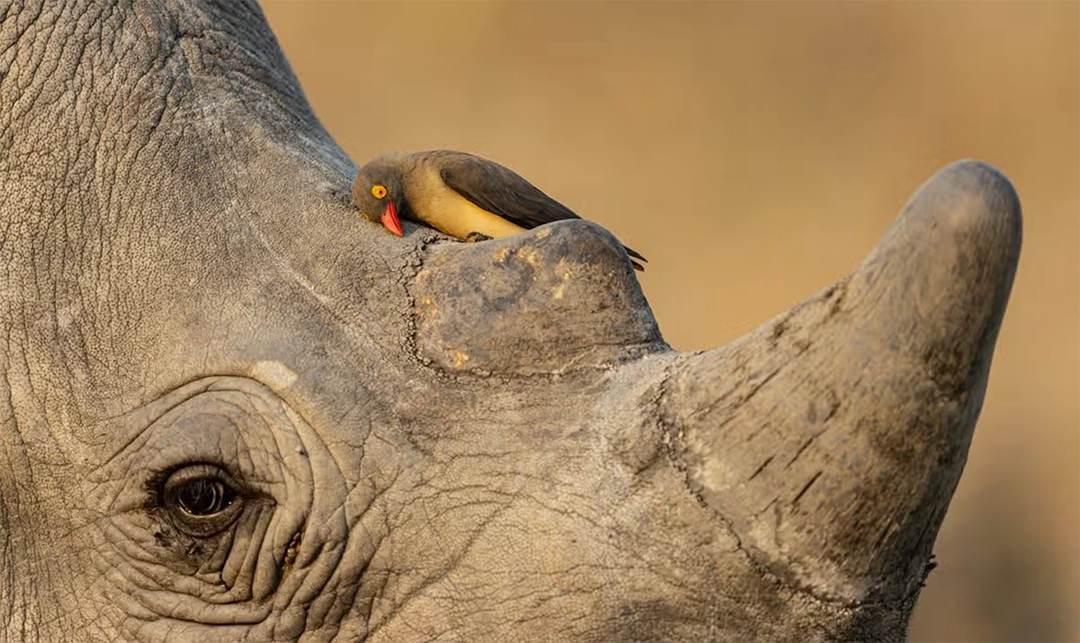
New Scientist International Edition, Vol. 271, No. 3610, August 29, 2026, publishes three photographs that, during the selection process for Wildlife Photographer of the Year 2026, made a favorable impression on the jury. This does not mean they are already the winners, and I have no idea why they are being publicized now. There must be something in them to merit inclusion in a very brief section the magazine devotes to photography and which, I presume, functions as a visual pause between contents that demand particularly attentive reading.
If someone were to ask how I know, on the 27th, what New Scientist will officially publish on the 29th, I would tell them that information travels along different currents, some visible at the surface, others moving faster underneath.
Of the three, one immediately caught my attention, the one that opens this text. It is an intimidating image at first sight, captured by the brothers Andrea and Maceo Grammatico. It competes in the Animal Portraits category. And according to the twins, it is a fortuitous photograph they came across during the review process. They noticed a mosquito feeding on the head of a snake known as a fer-de-lance, considered the most dangerous in Central America. Just out of curiosity, I would add that this snake is also known as the terciopelo, or velvet viper, and is both feared and celebrated for the potency of its venom and its extraordinary camouflage among fallen leaves. A far from minor detail is that it frequently prowls agricultural and inhabited areas. It is associated with a considerable number of snakebite accidents —serious or fatal.
The final image presented by the Grammatico brothers, Biting Back, is a focus stack constructed from 37 photographs taken at different planes of focus.
Its interest lies, in my opinion, in the coexistence of several planes of meaning. Its humor arises first of all from an incongruity of scale and hierarchy. The entire frame is filled by the snake. There is no context. We cannot tell whether the image was taken in the jungle or in the laboratory of some zoo. The head rises slightly above the horizontal midpoint. This, together with its frontal position, gives the reptile an attentive, ill-tempered, severe demeanor. In place of the crown it might wear as a queen of “don’t mess with me,” there is a mosquito sucking away without the slightest shame —comfortably, I would say— at whatever little or plentiful blood its meager head can offer.
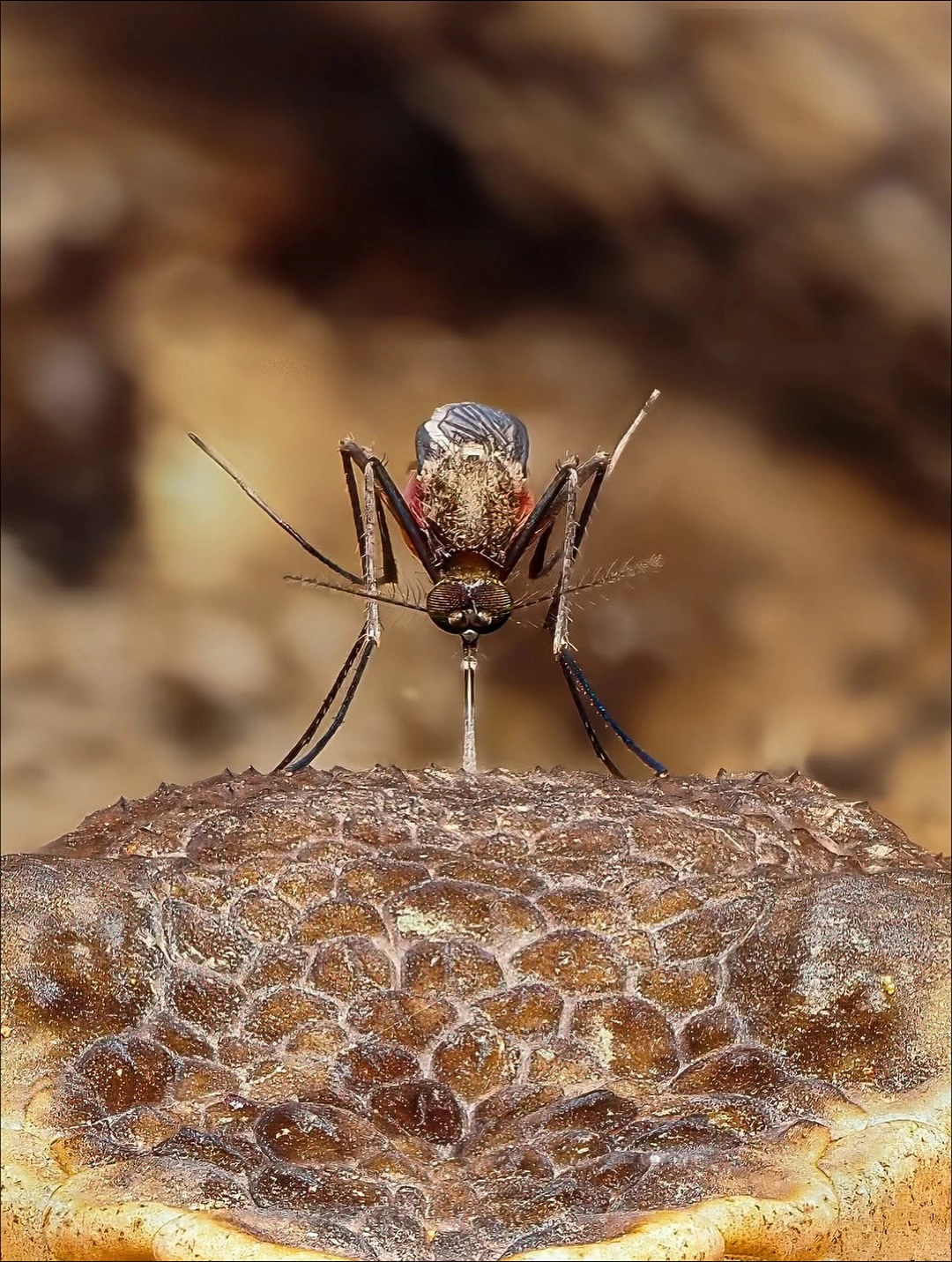
The photographers captured a rare moment when a mosquito settled on a fer-de-lance and began feeding..
We are witnessing the humiliation of the formidable. We read the snake as a fearsome power, yet subjected to the insignificant. These are the inverted power relations of all those stories in which the small is capable of bringing down the gigantic. It happens here, in football, in religion, and in countless fables. Anthropomorphization is inevitable as well. Entirely involuntary. From there, our visual culture constructs a social scene in which the narrative flows toward a character who suffers, endures, or remains unaware that it is being used in an undignified, almost ridiculous way. There is nothing it can do. I cannot see how it could drive the mosquito away if we assume this particular one is especially stubborn. If we persist in this or a similar reading, we will end up before the irony of vulnerability, before the grotesque certainty that, at some scale, all of us can be subdued, used, penetrated. We will understand the greasy reality that we can inhabit a territory as subjects while being inhabited in turn by every sort of creature —microbes, parasites, fungi. Both insect and reptile modify one another semantically.
This image goes far beyond the improbability of finding ourselves before this extremely rare —to witness— interaction between two of humankind’s enemies. It is funny in itself, it threatens us, strikes us as absurd, unsettles us by showing that vulnerability reaches everyone. It is one of the most ambivalent images I can remember. And yes, I like wildlife photography. Every human behavior has thousands of replicas in it, almost always older and without hypocrisy.
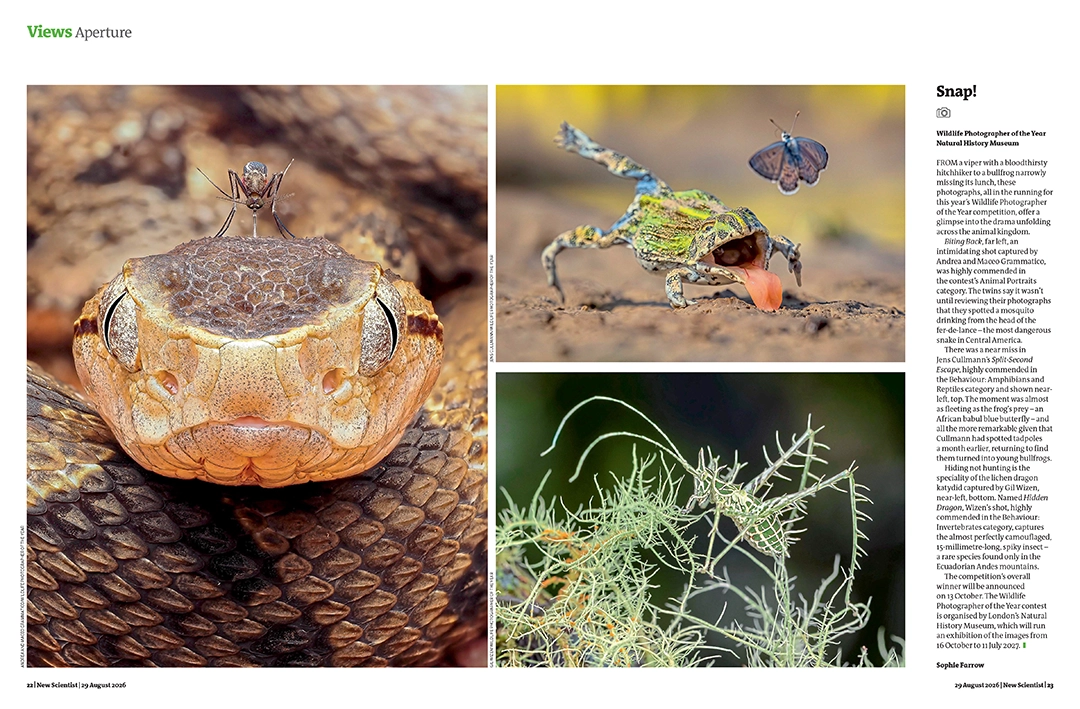
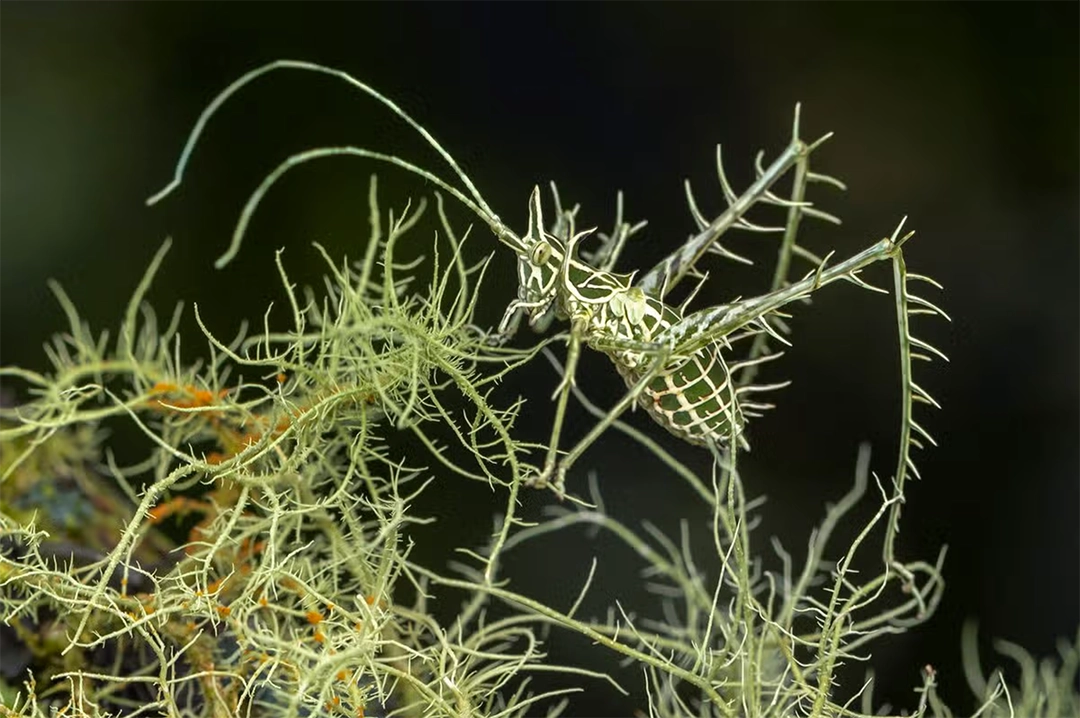
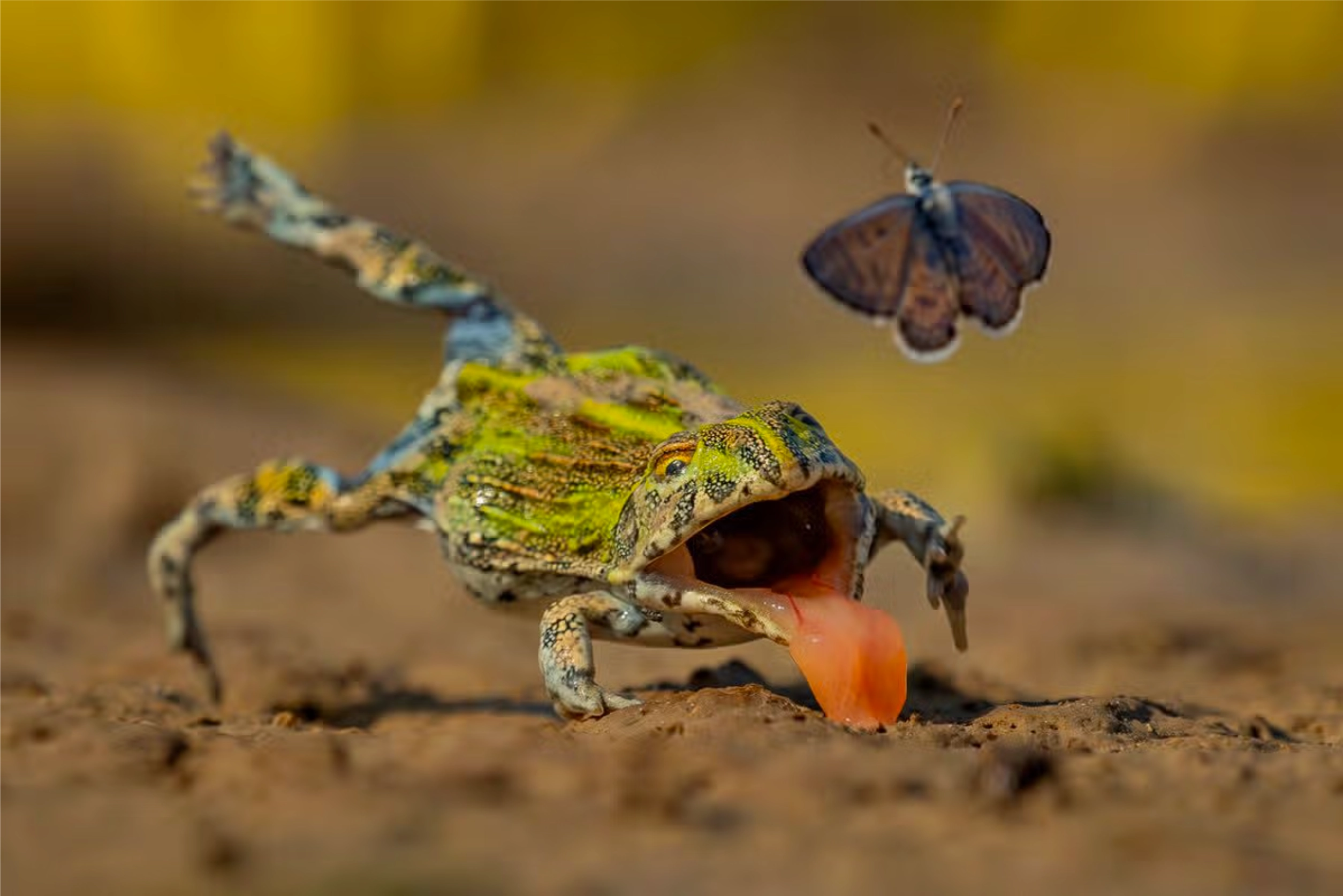
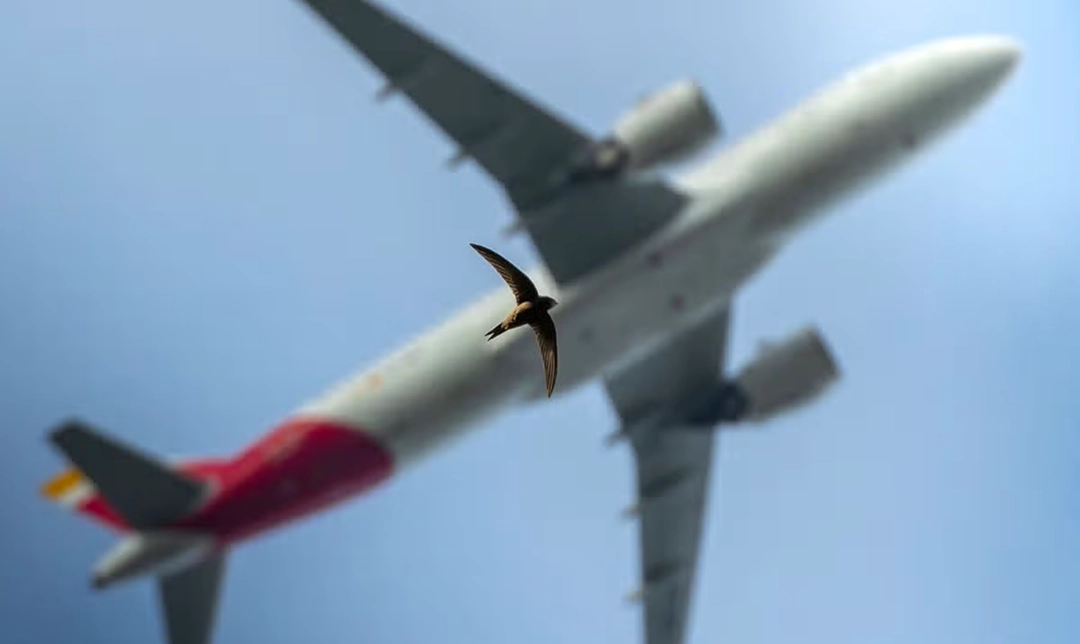
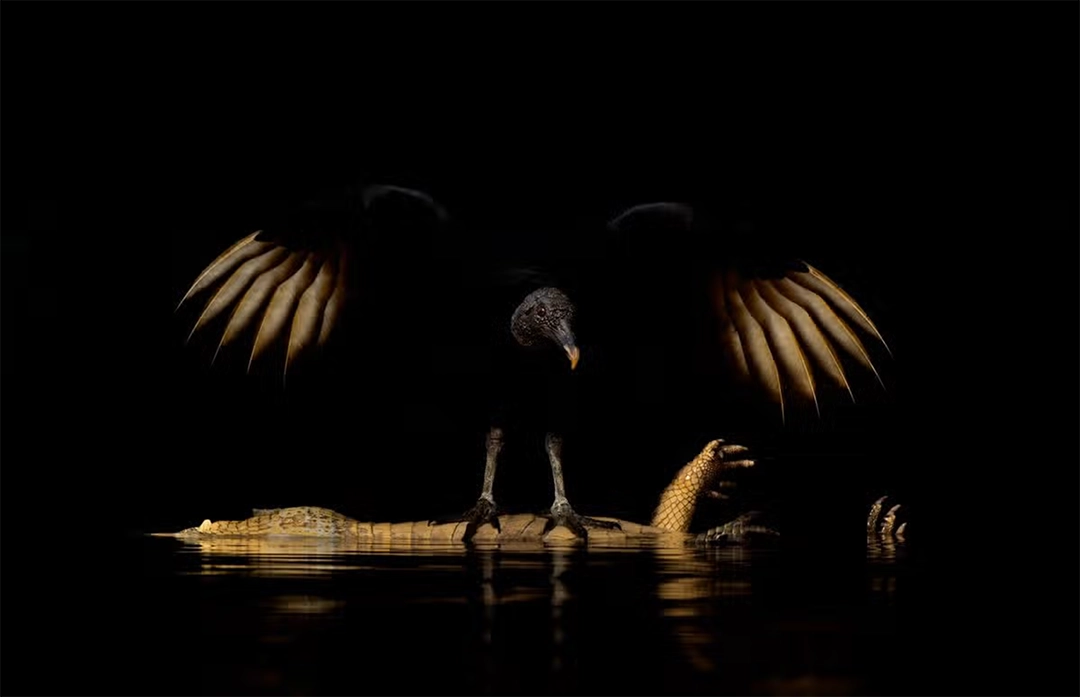
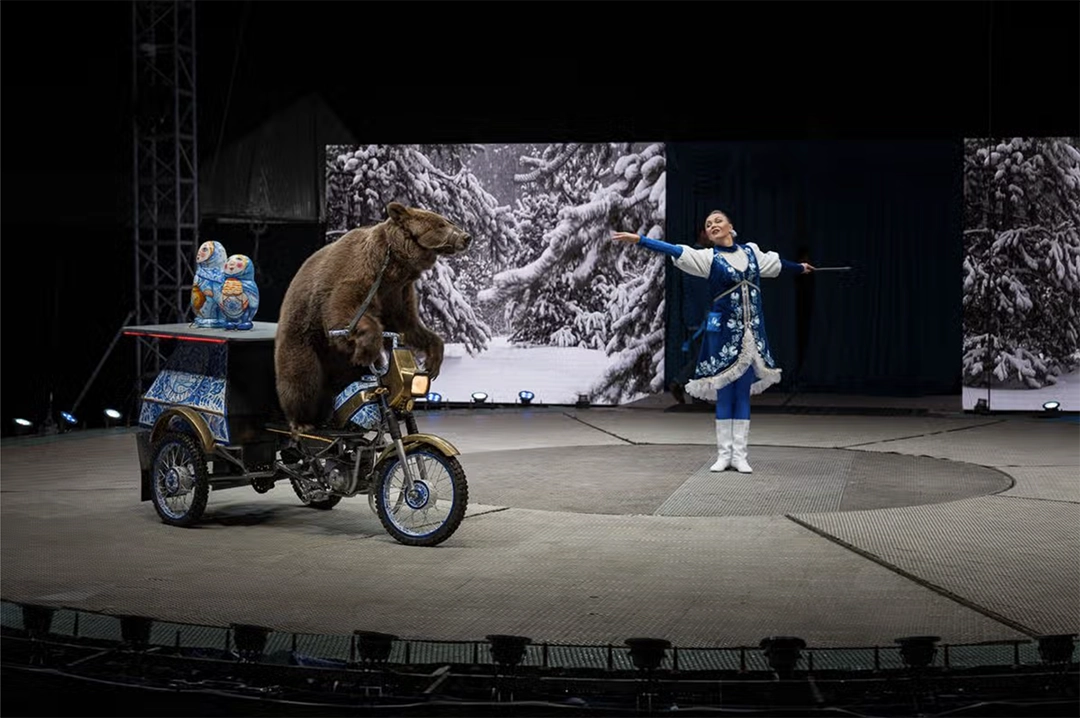
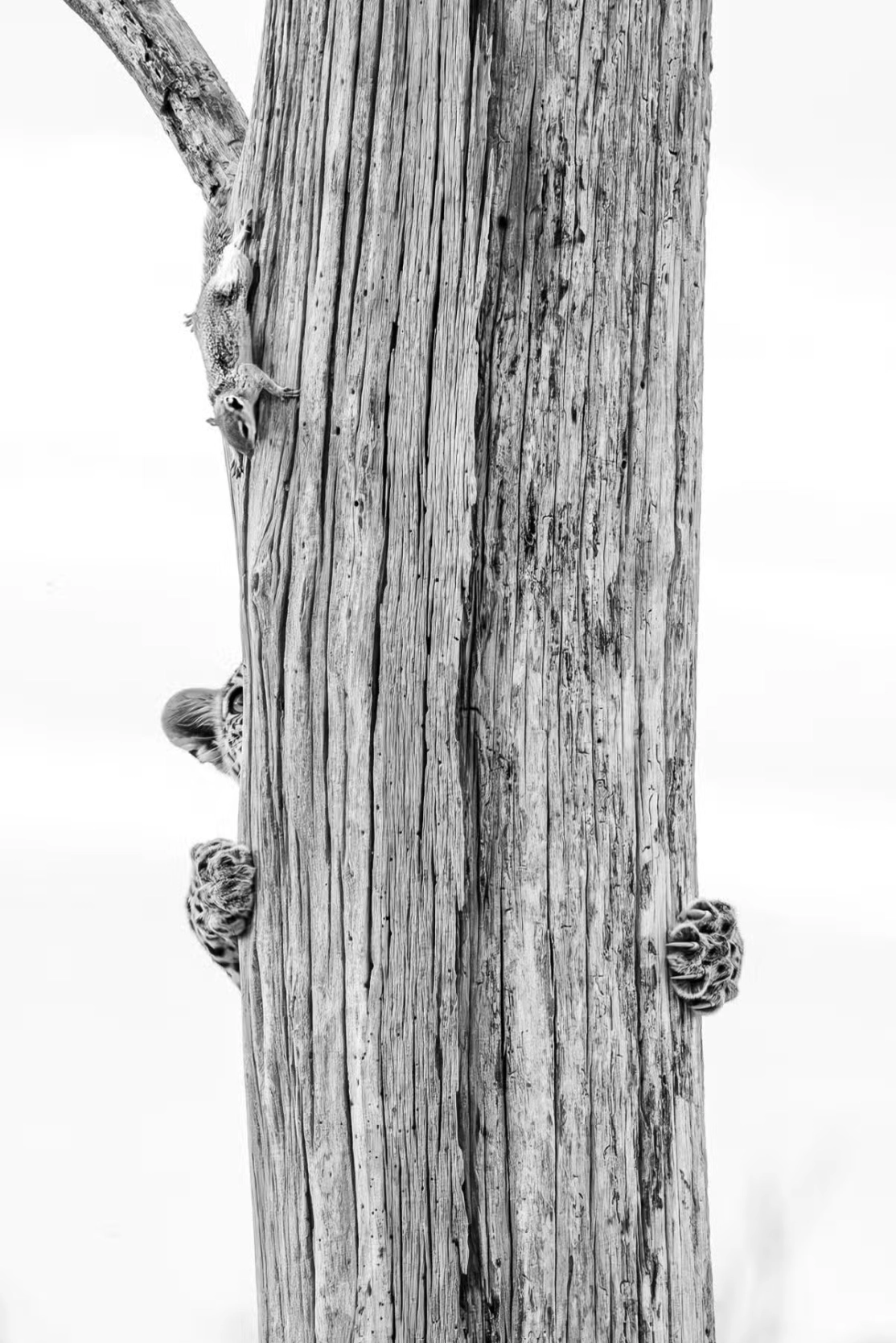
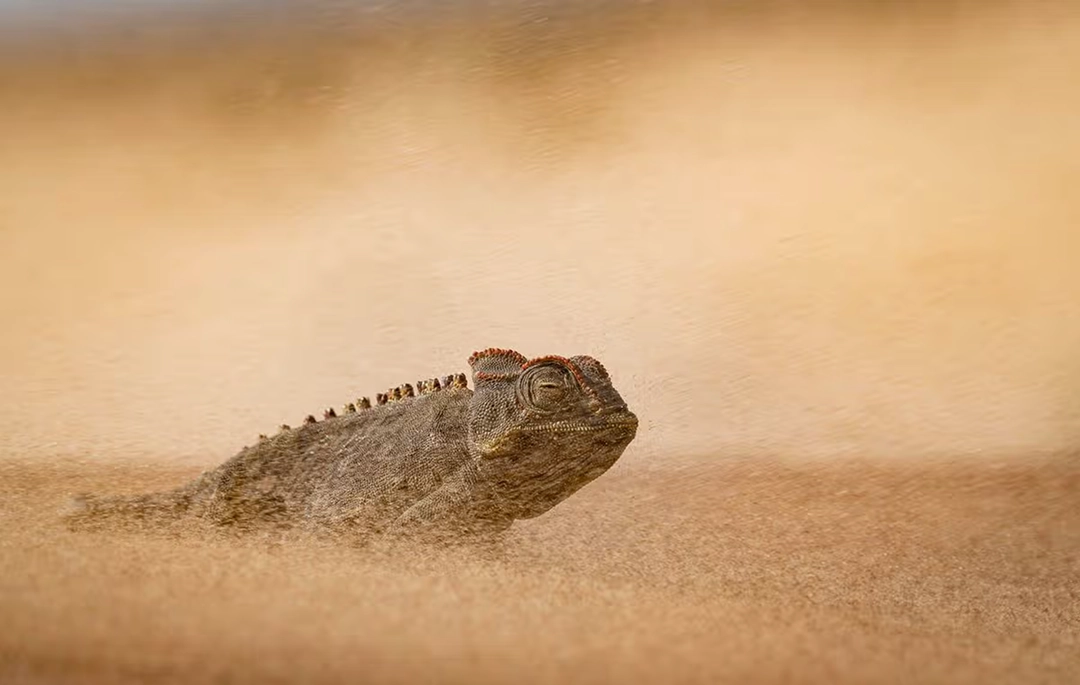
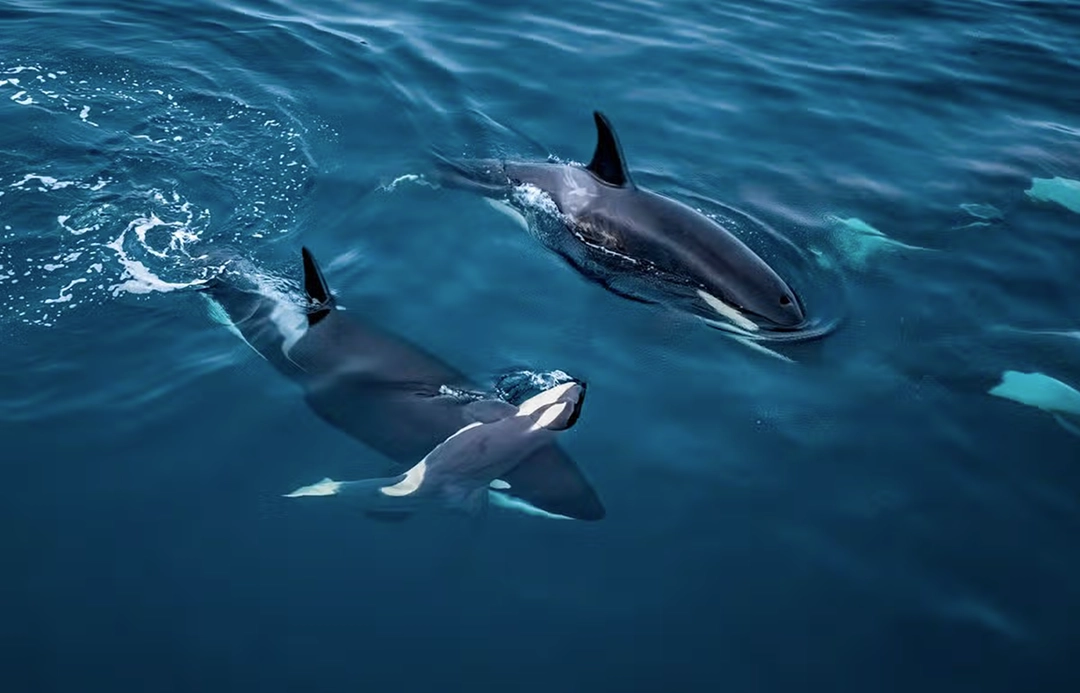
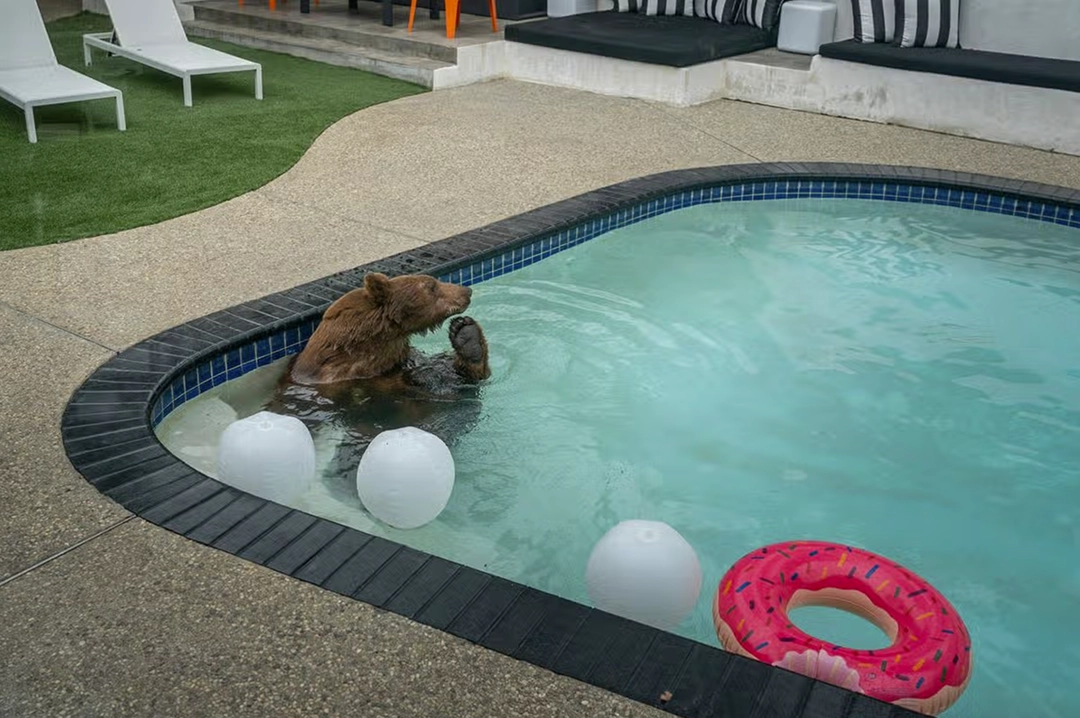
As for the other images, I do not have much to say.
Note
Andrea and Maceo Grammatico are French twin brothers, trained as biologists and now working as nature photographers. They have specialized above all in macro photography of insects, amphibians, reptiles, and other small organisms. They work as a duo and publish jointly under the name TwinWildLens. Their move into macro photography is relatively recent. Earlier this month, they told The Guardian that they began exploring the genre seriously about two years ago, initially through tutorials and with an approach closely informed by their scientific training. They are particularly interested in making visible the extraordinary diversity of forms, colors, and behaviors that ordinarily escapes the naked eye. At present, they are receiving considerable attention for the photograph discussed here.





If you’re a regular reader of this blog and enjoy its content, you might consider contributing to its upkeep. Any amount, no matter how small, will be warmly appreciated
Founded in 2021, Echoes (Notes of Visual Narrative) invites everyone to explore together the visual codes that shape our world—art, photography, design, and advertising in dialogue with society.

Copyright © 2026 r10studio.com. All Rights Reserved. Website Powered by r10studio.com
Cincinnati, Ohio


Comments powered by Talkyard.