
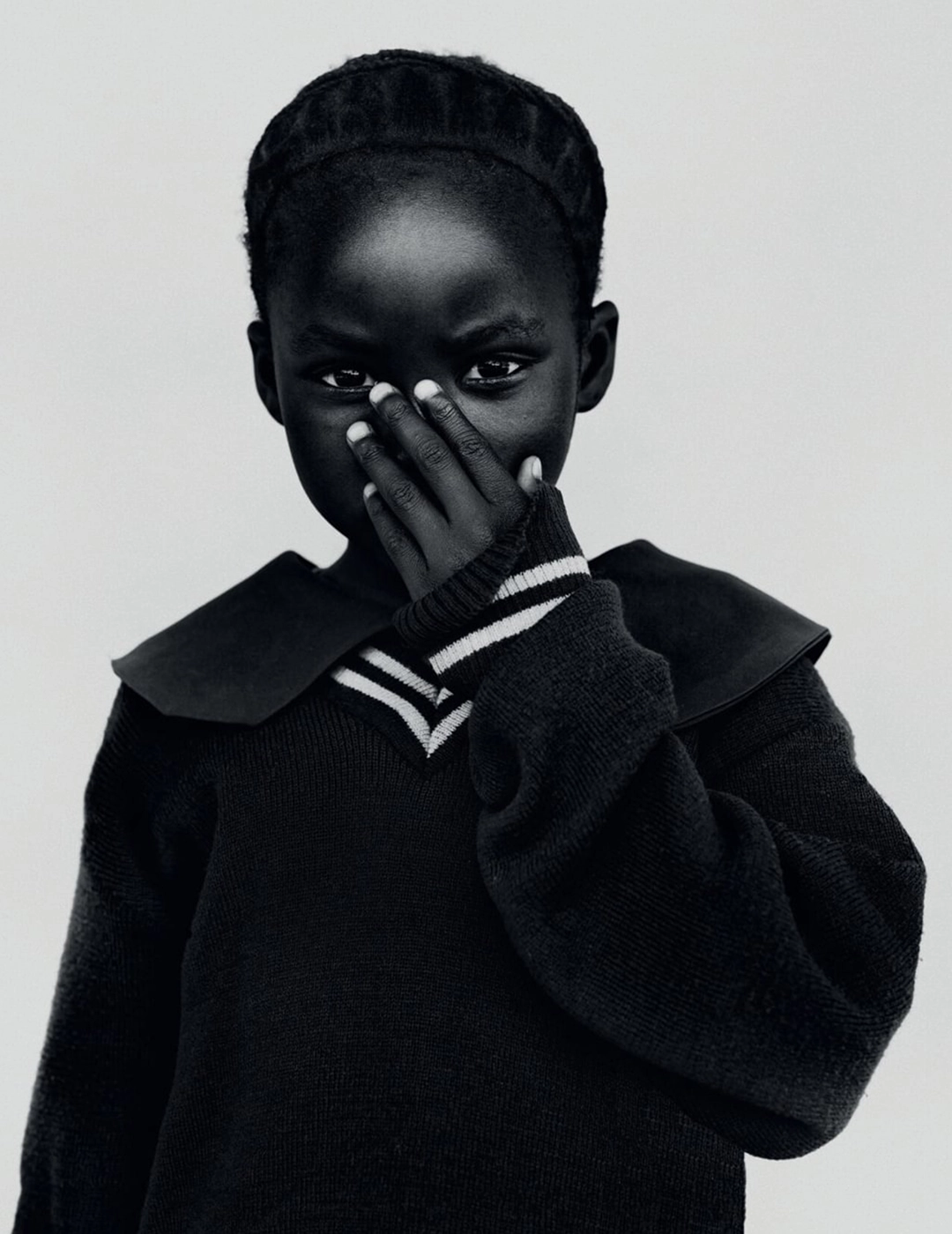
Champion Cherish. By Bastiaan Woudt
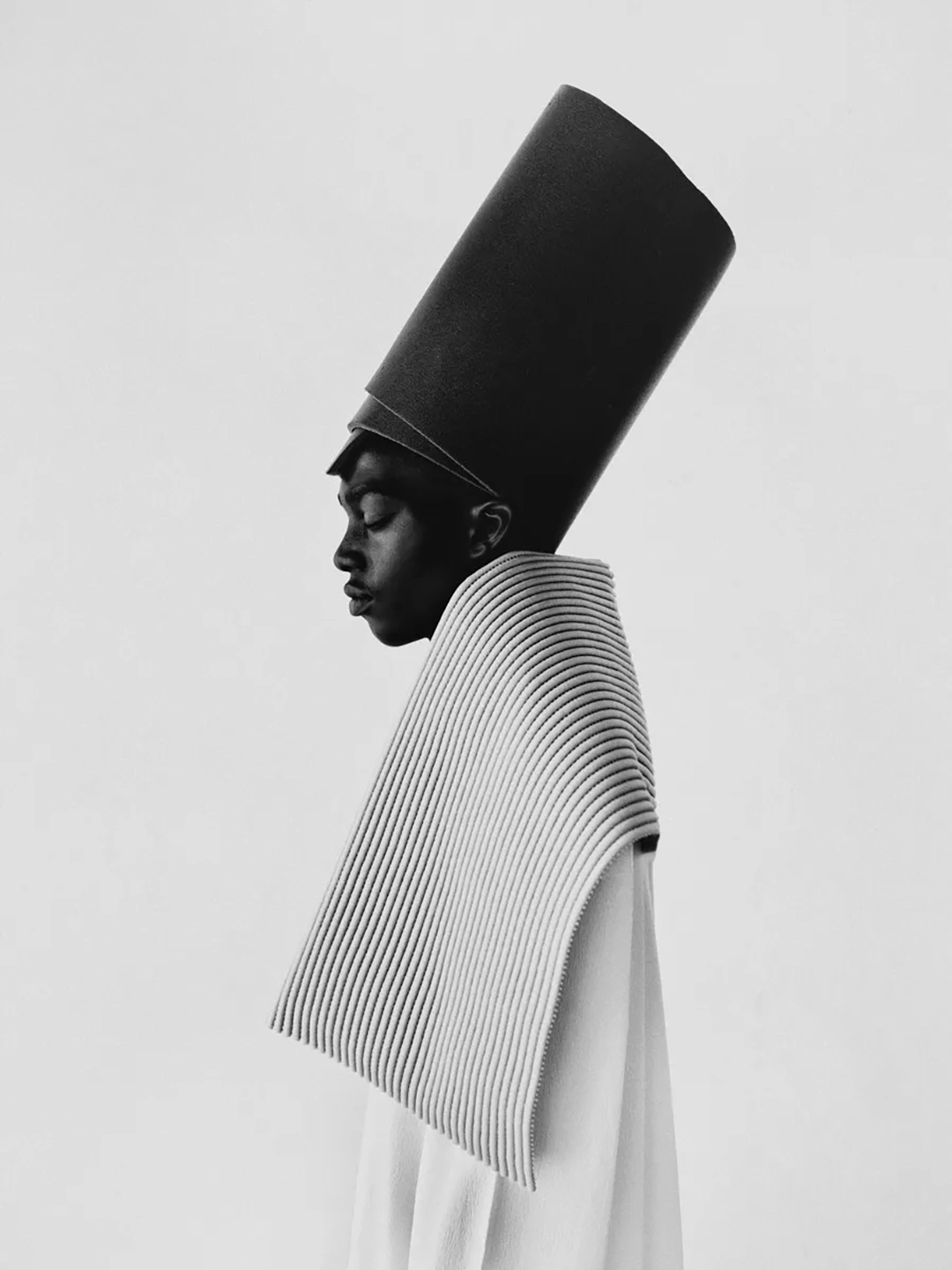
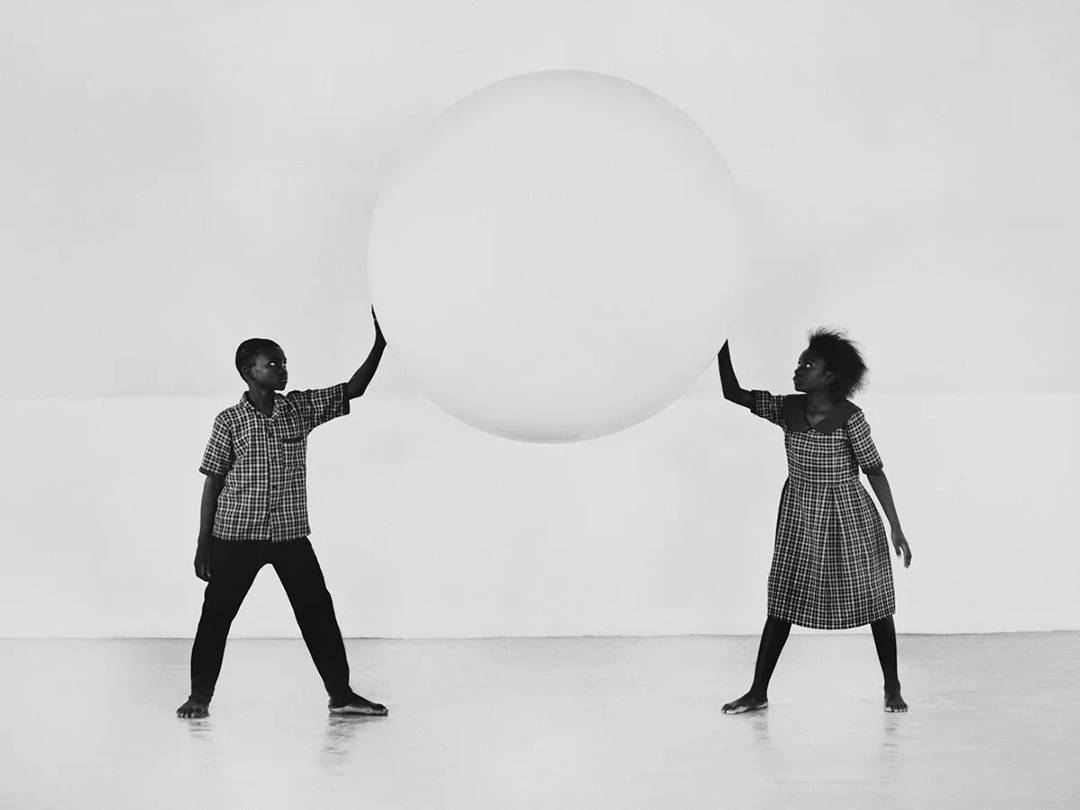
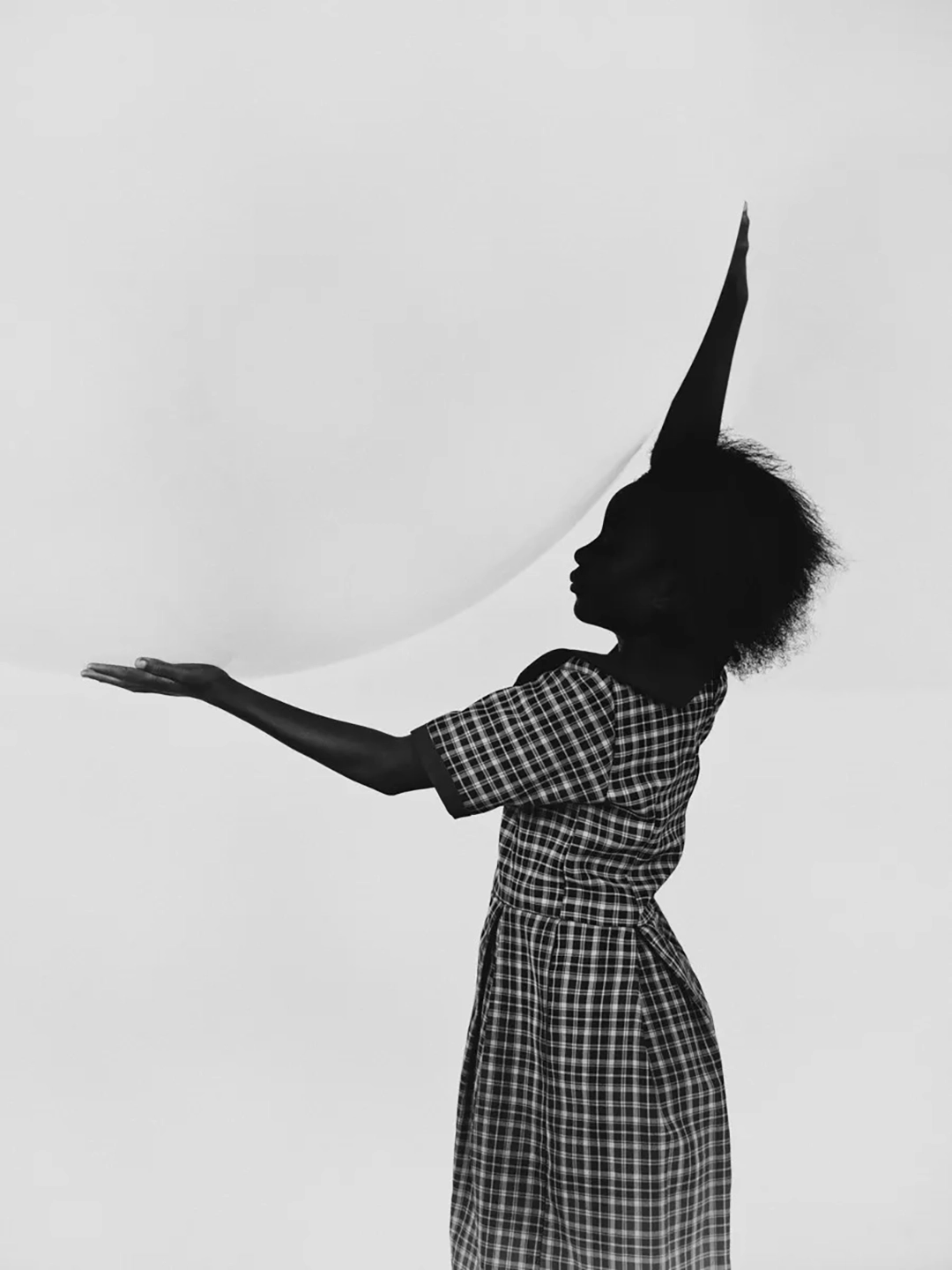
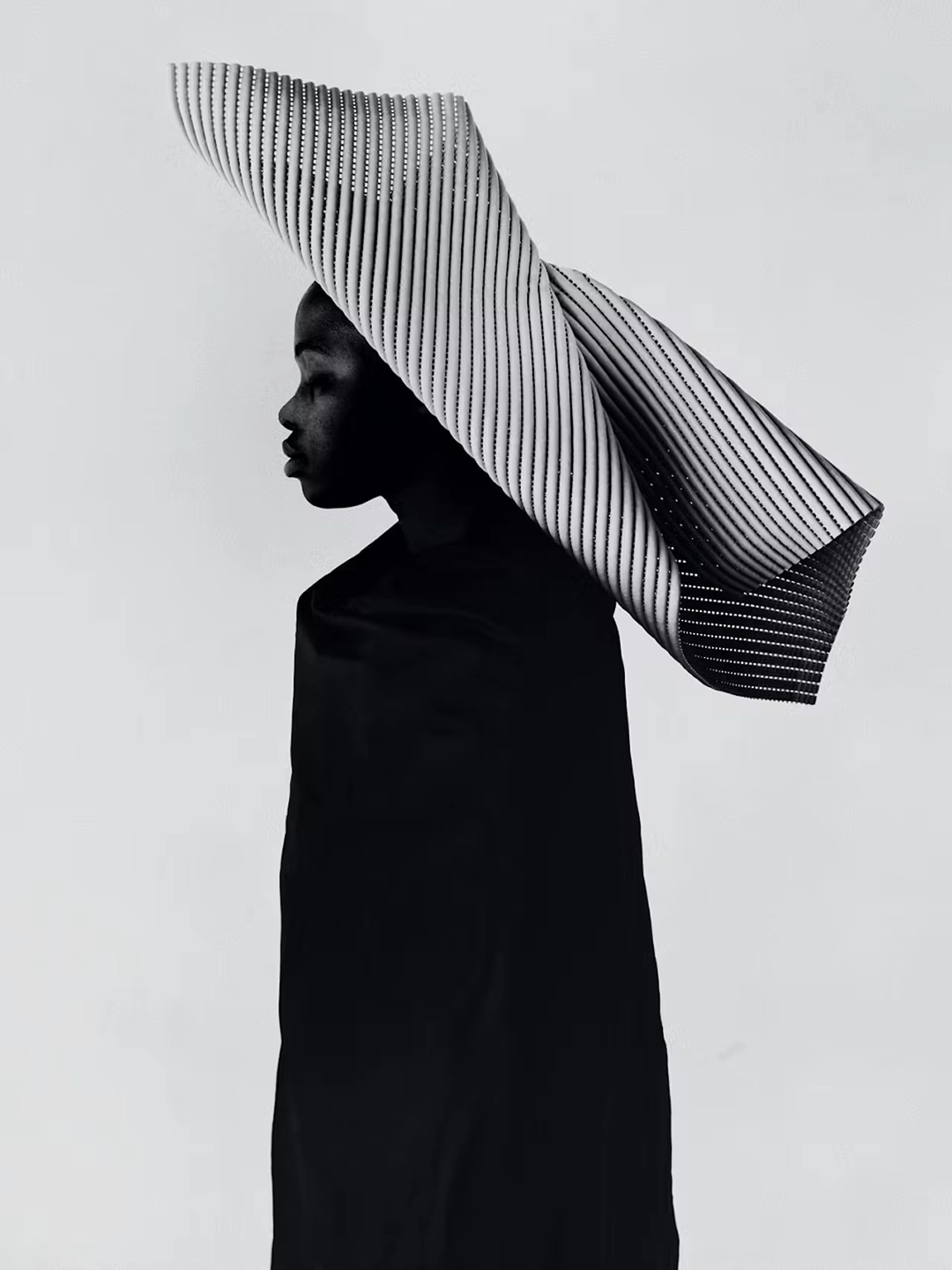
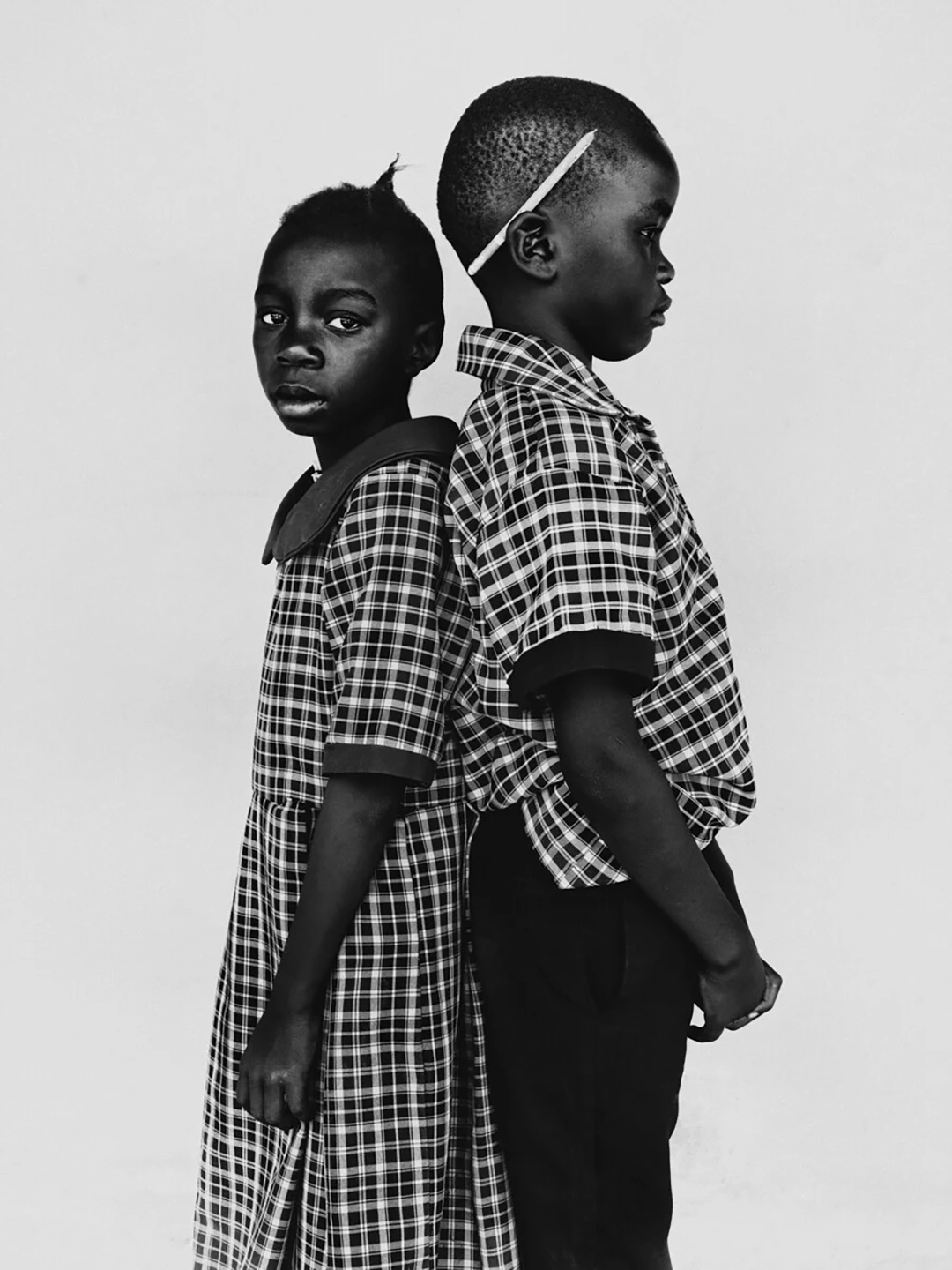
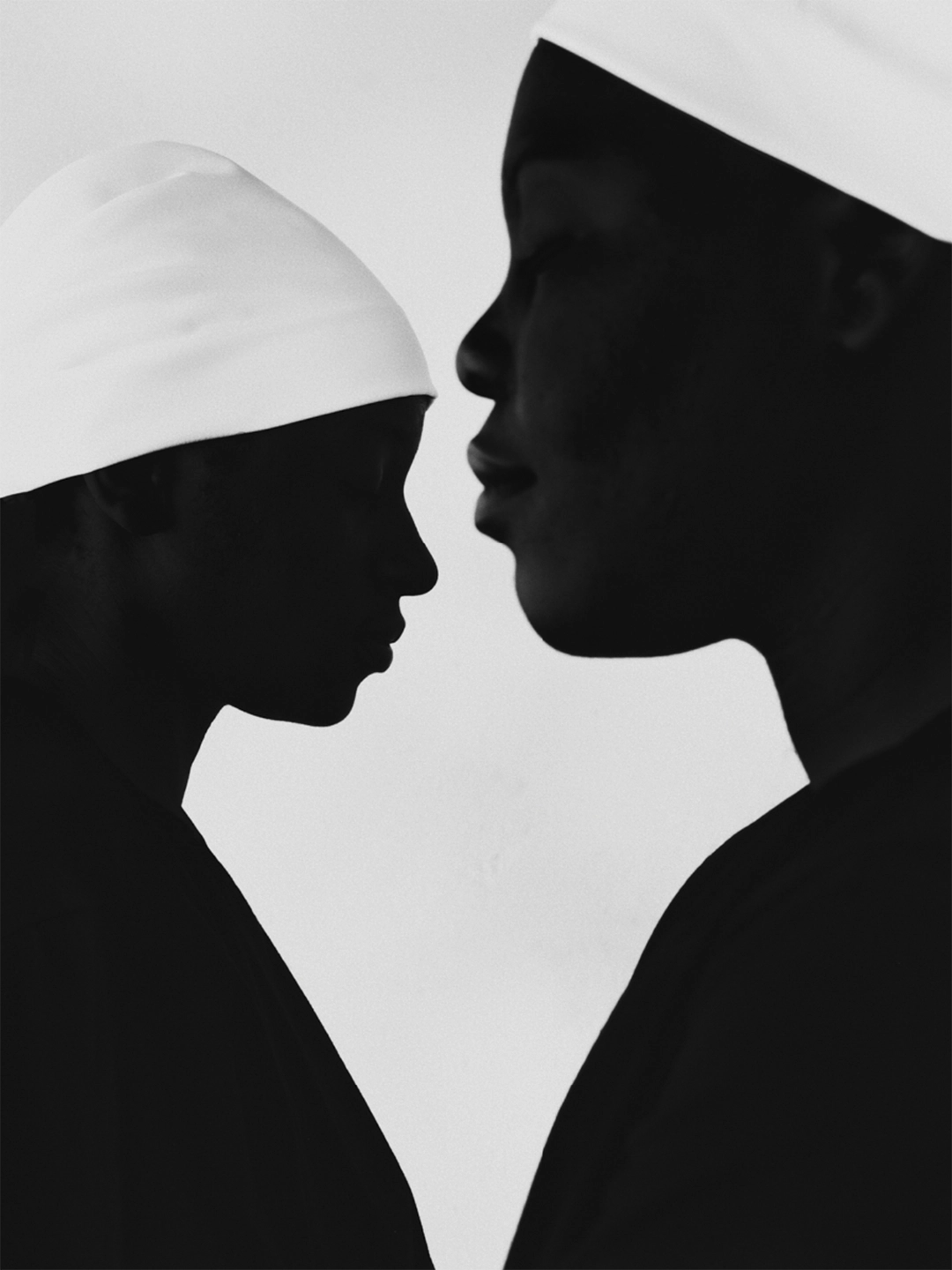
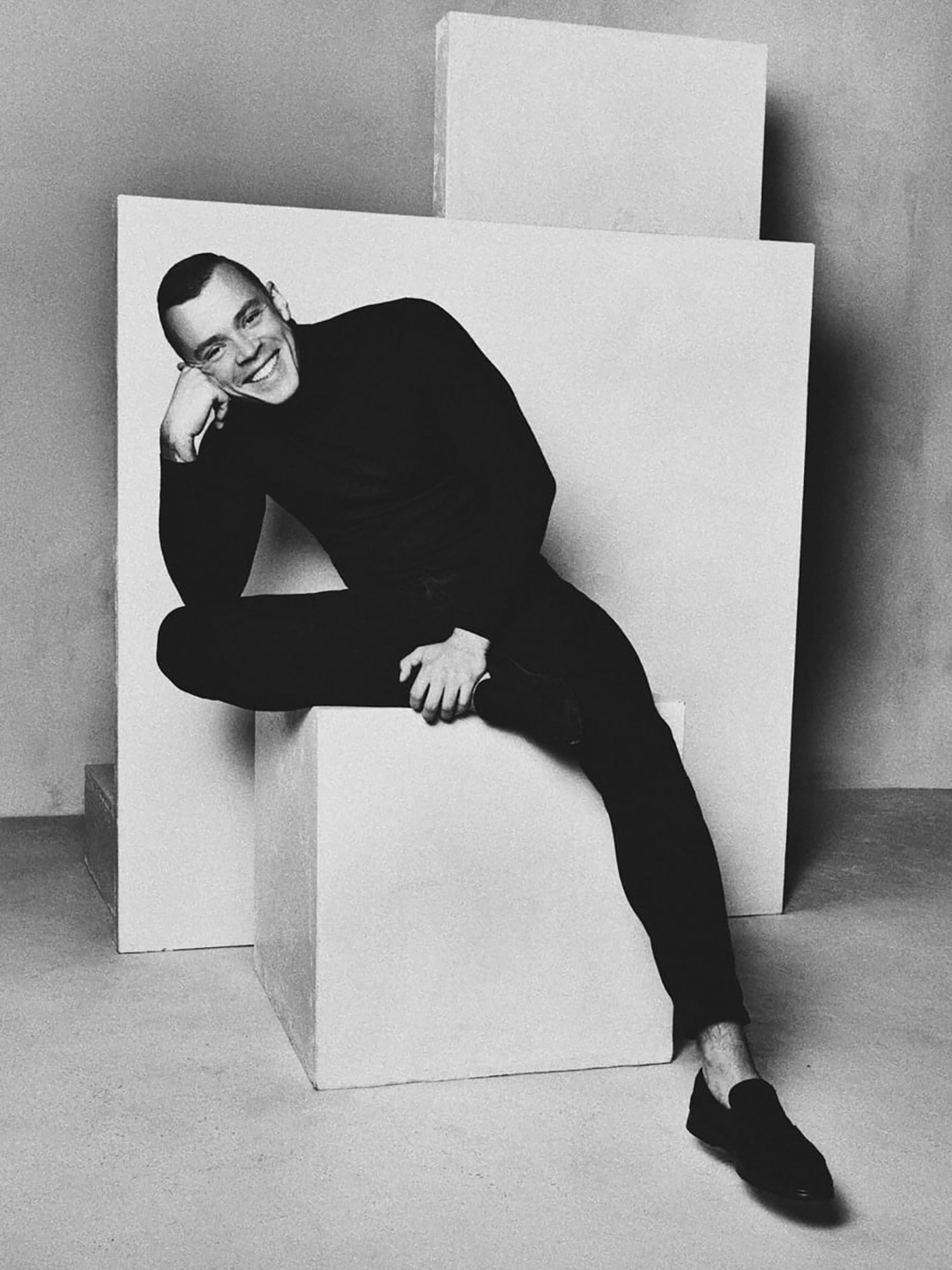
We accept this kind of photograph before we understand it. That is why we are here. They are striking, drawing on the same formal vocabulary inherited from Irving Penn and Richard Avedon, the great schools of studio portraiture on a flat ground. Ever since, we have surrendered to the magic of high contrast, to the shameful retreat of the second plane, of the surroundings, of the context. As though none of that added anything to the emotion or to a denser reading.
These black bodies are presented in isolation. Without reading the text we have no way of knowing that they are human beings living in villages in Zambia, that the images were probably taken in hospitals, that these children may be gravely ill. I will be told that this is what the texts of the curator, the journalist, the art critic are for. True enough.
These photographs appear in Billionaire, a magazine aimed without the slightest embarrassment at the ultra wealthy. It is not sold at newsstands. It works as a zone of convergence between those who pay for advertising to make themselves visible in the sector, the philanthropic causes that need donations, and those who have the money and need to divert a little of it to cover their very carefully measured philanthropic resolve. A closed circuit, where every movement is regulated by an iron choreography.
So here we have Orange Babies, an NGO with a limited budget that needs funds. What its director, Fiona Hering, needs is results. She arrived in 2023 and has to prove that the organisation is thriving under her command. A campaign with Woudt and an appearance in Billionaire can silence the sceptics in one stroke.
Bastiaan Woudt, for his part, wants to appear in the magazine. Though he is an established photographer, he wants to climb higher, to enter the circuit of serious art, and donating these portraits beatifies him, confirms him as a sensitive soul invested in a noble cause.
The magazine, which from the outset is off-putting in its inclination toward heavy money, needs to lean on something other than high-end consumption. Whereas those who suffer from too much money need to convey that their extraterrestrial existence drops anchor, at least once in a while, where pain and misery can be smelled.
Everyone needs symbolic capital, emotional capital, sentimental if you will, and for that they turn to the emotionally dense story of Thierno Baba Sylla. Born in Senegal around 1965, he was the founder and director of Orange Babies until Fiona replaced him in 2023. His childhood was marked by prolonged sexual abuse. At the age of twelve he was thrown out of his home. In 1988 he left Senegal, arriving first in Paris, where he lived with foster parents, and later in Amsterdam. There he built a career in the fashion world as an agent for makeup artists and stylists. He co-founded the agency House of Orange together with his then partner, John Kattenberg. He returned to Senegal in 1998, visiting his father after more than thirty years without contact.
And here something relevant happens. During his stay, a pregnant woman, HIV-positive, came to his house hoping that the father, a respected figure in the community, would take her in, or failing that, find a family willing to adopt her unborn child. Sylla, fearing she would infect the whole family, advised his father to turn her away. Back in Amsterdam, the remorse over his miserable conduct, over his part in the episode, became the source of energy that would drive him to found Orange Babies. To this day he remains the emotional face of the organisation. He is around sixty years old and lives in Amsterdam. With or without remorse.
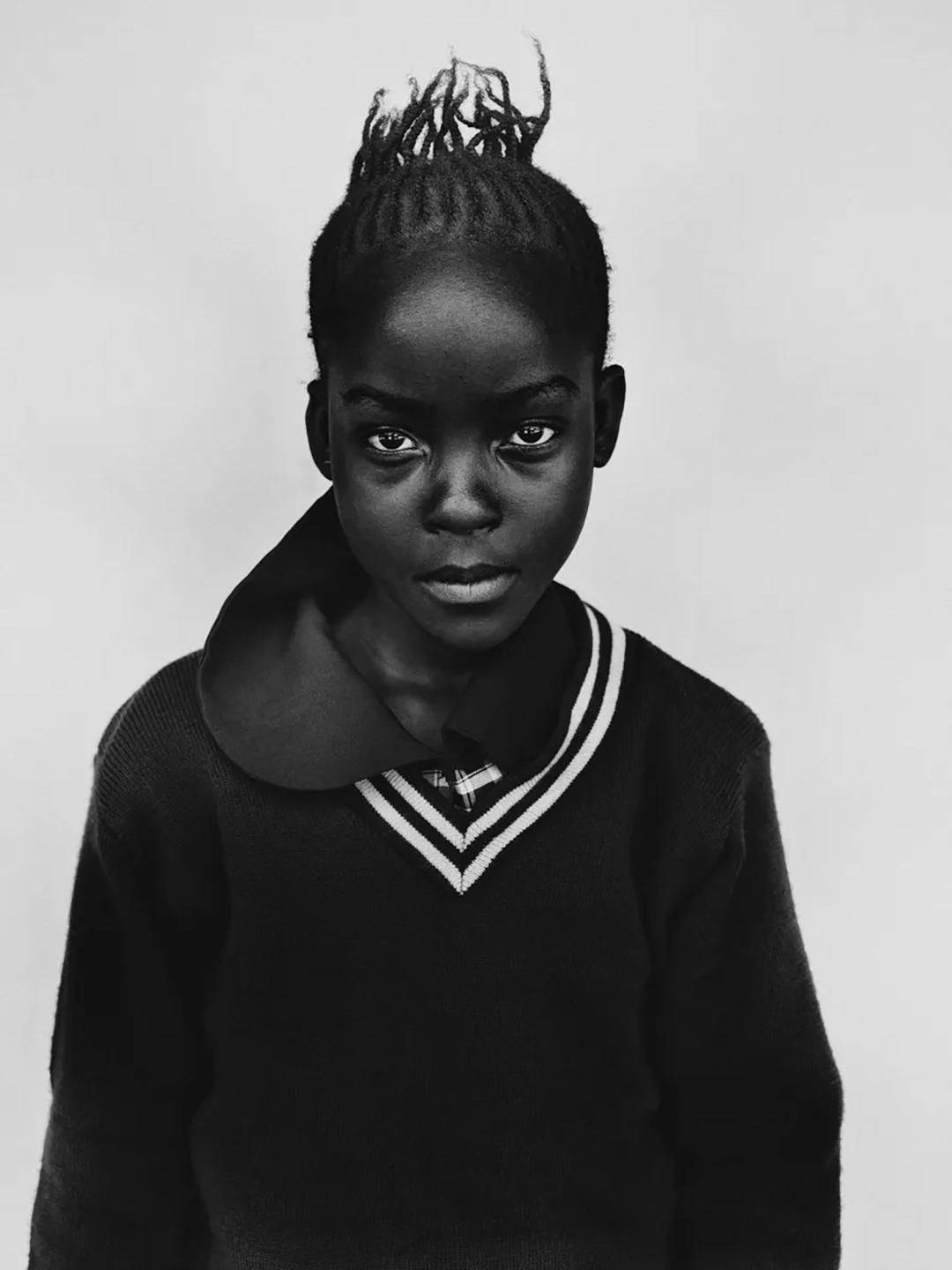
Pakachele Girl, 2023. By Bastiaan Woudt
I have not forgotten that this text is about photographs. Beautiful ones, by the way. And also about their protagonists, the true flour of the hot bread: the Zambian children, the weakest links in the chain. They are sold to us under English names that, with all certainty, are not their own. Some are probably genuinely ill, others less so, but all of them unquestionably photogenic. They will not see a cent from the sale of the limited editions, valued at 200,000 euros. As I said earlier, they are barely bodies in an aseptic medium, stripped of the distractions of geographic, social, and affective context. They will receive antiretrovirals and real medical care. Every other actor in this loving network — founder, director, photographer, magazine, brands, donors — extracts something from the operation. Money, prestige, biography, absolution, status, positioning. Perhaps one day one of these children will reclaim the symbolic capital their innocence forged. I doubt it.
The photographs are exquisite.
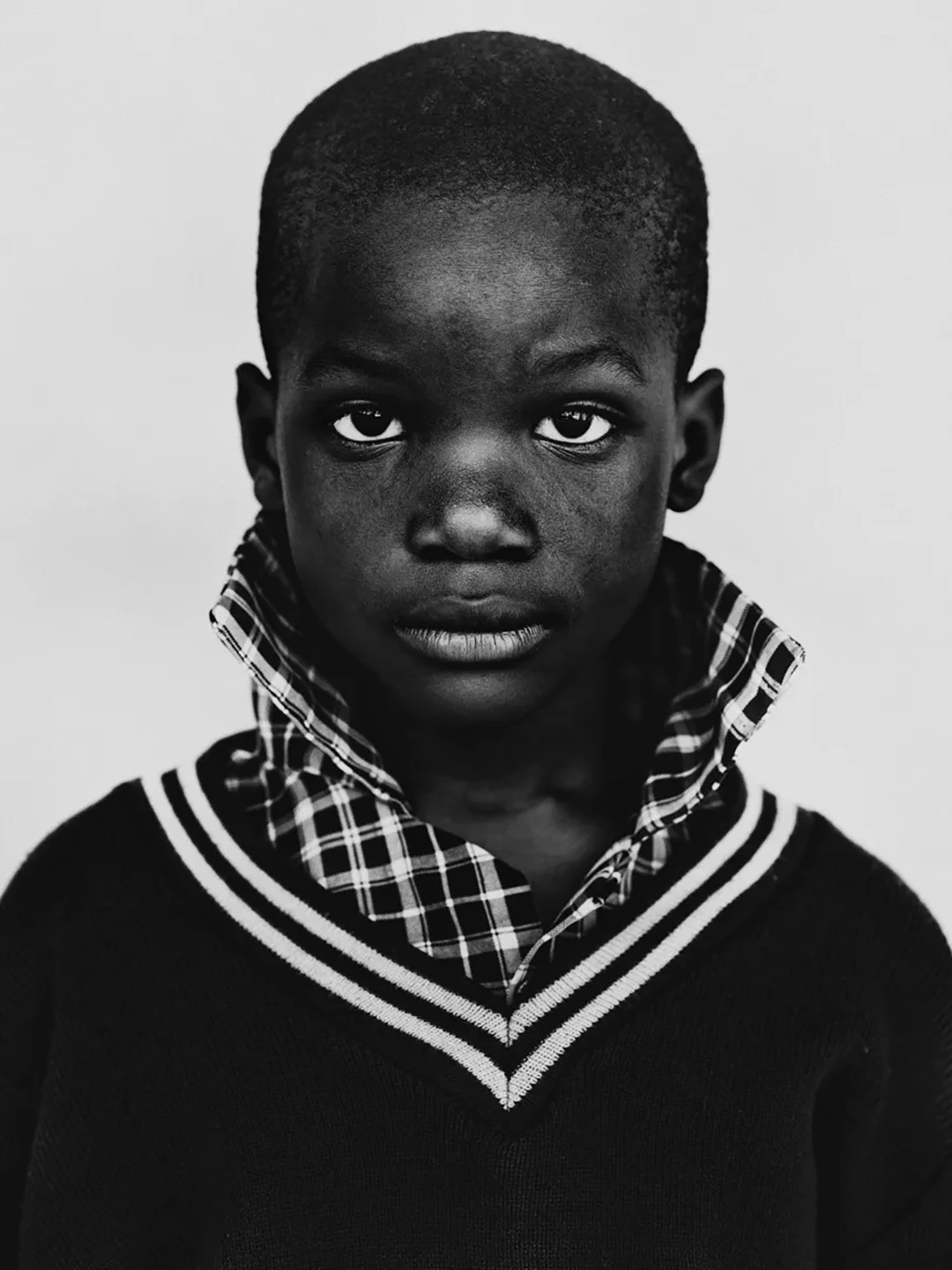
Pakachele Boy, 2023. By Bastiaan Woudt





If you’re a regular reader of this blog and enjoy its content, you might consider contributing to its upkeep. Any amount, no matter how small, will be warmly appreciated
Founded in 2021, Echoes (Notes of Visual Narrative) invites everyone to explore together the visual codes that shape our world—art, photography, design, and advertising in dialogue with society.

Copyright © 2026 r10studio.com. All Rights Reserved. Website Powered by r10studio.com
Cincinnati, Ohio
Comments powered by Talkyard.