
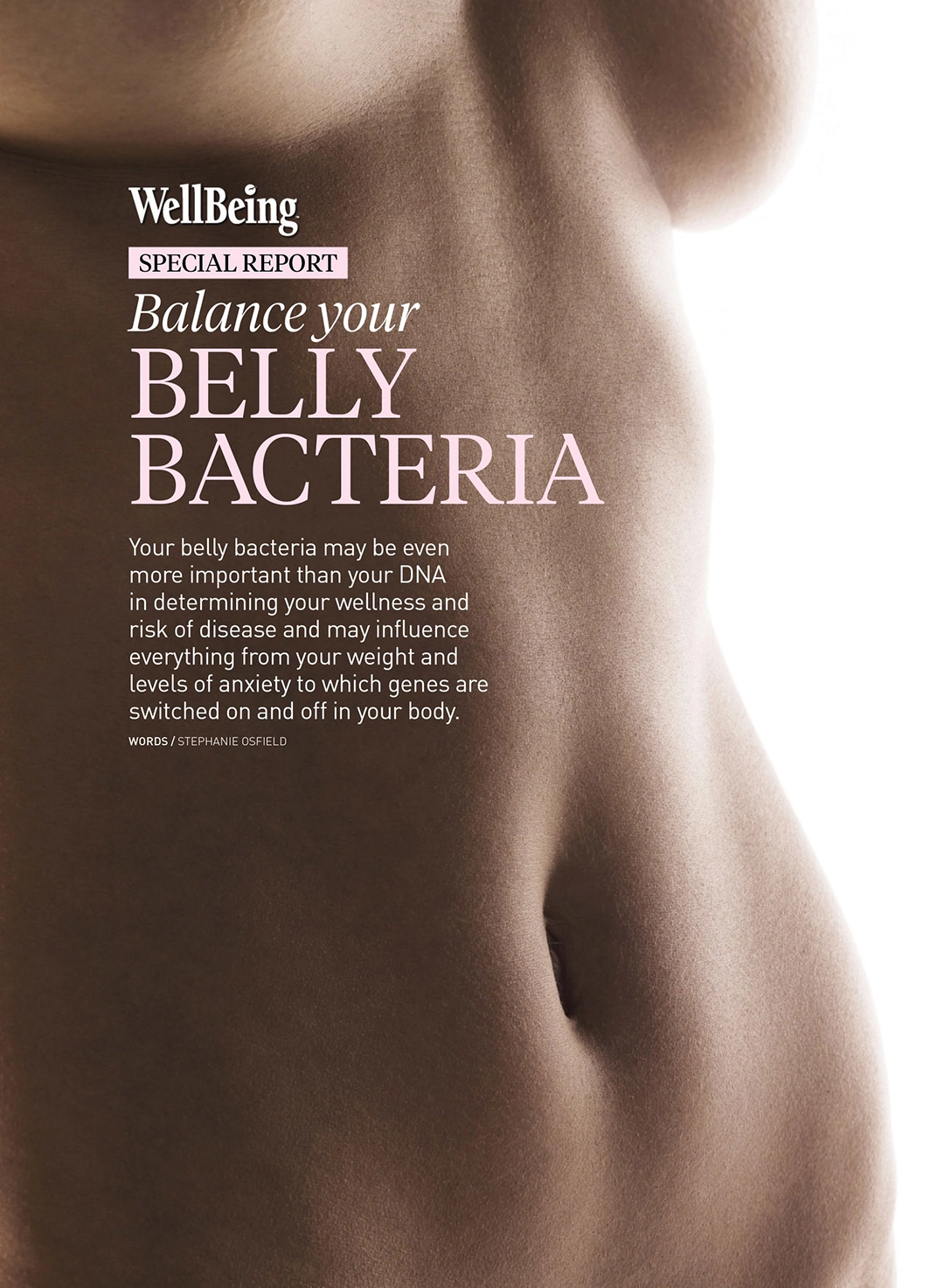
This entry page—or article opener—is designed to command the immediate attention of ordinary mortals, regardless of sex. Before reason can even manage to raise its hand, our sensory apparatus hits it with a spectacular Uchi Mata and slams it flat on its back against the pavement. Faced with this image, analysis arrives only after much older, more immediate, more stubborn mechanisms have already come into play. Desire is born from sensory perception and symbolic evocation; scientific or philosophical speculation comes later, once the body already has the toy in its hands.
And that toy is unequivocally erotic. The image works with visual codes associated with pleasure, attraction, and the anticipation of desire. It arranges them effectively enough to turn looking into a form of contact. Emotion occupies the very center of the experience and organizes the reading from there.
The deliberate use of chiaroscuro, light, and the precise cropping of anatomical elements draws the gaze toward an eroticized reading. They summon the imagination to complete the figure with the breasts and pubis each of us keeps in our private cabinet of perfections, perhaps improbable in everyday nature, yet docile in fantasy and exact in texture. The mischievous censorship withdraws just enough for desire to take care of the rest.
Back to the beginning. We take a cold shower to calm the rush of the deeper mind. With lust parked to one side, we understand that this is the cover of a special supplement, from a publication devoted to almost-scientific popularization. The headline is about as unerotic as anything we could imagine: Gut Bacteria. The article tells us they are more important than DNA when it comes to determining well-being or the risk of disease. That they influence everything from weight and anxiety levels to deciding which group of genes will be activated, or remain dormant, in response to a particular stimulus.
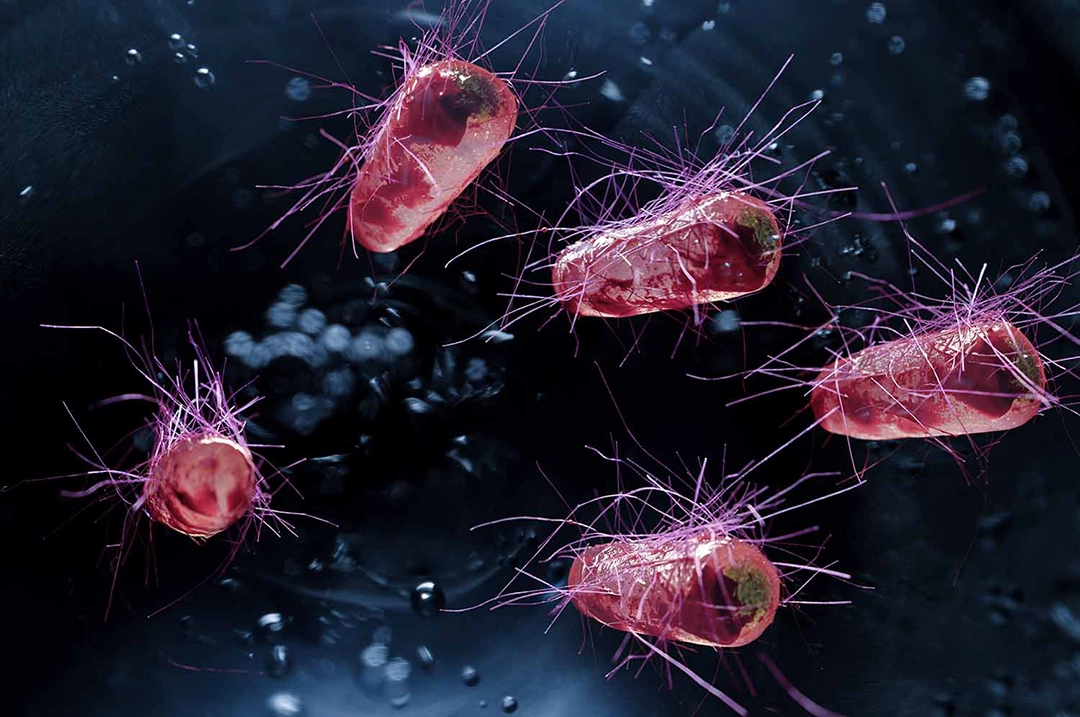
Our dear tenant, Escherichia coli.
Coli is a bacterium that normally inhabits our intestines and those of other warm-blooded animals. Many of its strains are a natural part of the microbiota and contribute to the balance of the intestinal ecosystem, although some variants can cause serious infections, particularly gastrointestinal and urinary ones. Its enormous presence in biomedical research has made it one of the most extensively studied model organisms in modern science.
So which is it: do I get horny, or do I worry about my intestines?
The strategy is actually pretty good, all things considered. How else are we supposed to get anyone’s attention for a text about stomach bacteria? Simple. I deceive you, open your receptors, and before you realize you have been conned, you have already swallowed the message. Exactly as we do with a child and a spoonful of pumpkin purée coming in on the little airplane.
The creative uses, with very good judgment, a model of appeal based on visual attractiveness and implicit association. The image of the model is indirectly linked to intestinal flora and, at a second level of reading, activates ideas of health, well-being, and sexuality. The underlying message suggests that a healthy intestinal state contributes to an attractive, healthy, desirable body. One might even entertain a more strained reading connecting microbiota, fertility, and desire, although that seems less likely. The route may also run in reverse. An attractive body communicates, by association, healthy intestinal function.
My Objection
Although the cover attracts attention, its excessive erotic enthusiasm could undermine the seriousness of the article or lead the audience to perceive the image as a strategy driven more by commercial appeal than by information. By relying on a model of visual persuasion based on direct attraction and suggestion, the proposal takes considerable risks in terms of legitimacy and coherence with the scientific or popularizing nature of the text.
Personally, I feel slightly cheated. In my daily life I would never want to think, much less write, about aromatic and delicious intestinal flora, abdominal fat, visceral adipose tissue, and subcutaneous lard. At this hour, such an inventory strikes me as particularly disagreeable. There is very little in it that I find constructive, stimulating, or inspiring.
Is this, or is this not, a good way to get into the article?





If you’re a regular reader of this blog and enjoy its content, you might consider contributing to its upkeep. Any amount, no matter how small, will be warmly appreciated
Founded in 2021, Echoes (Notes of Visual Narrative) invites everyone to explore together the visual codes that shape our world—art, photography, design, and advertising in dialogue with society.

Copyright © 2026 r10studio.com. All Rights Reserved. Website Powered by r10studio.com
Cincinnati, Ohio



Comments powered by Talkyard.