
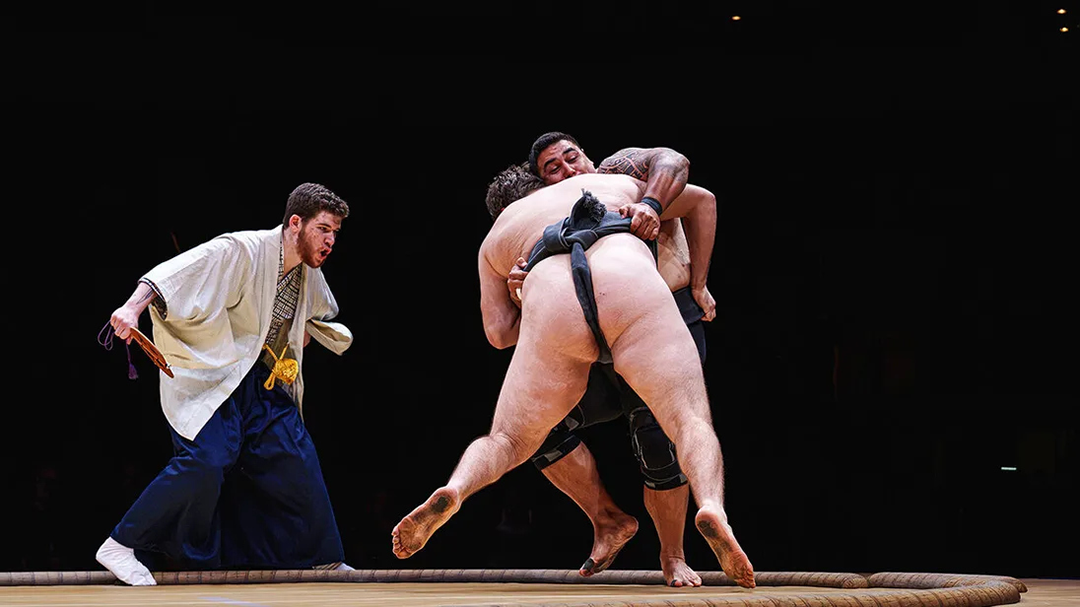
A cheeky debut. The Economist
Photograph: Anthony Rivera, Burst Mode Media
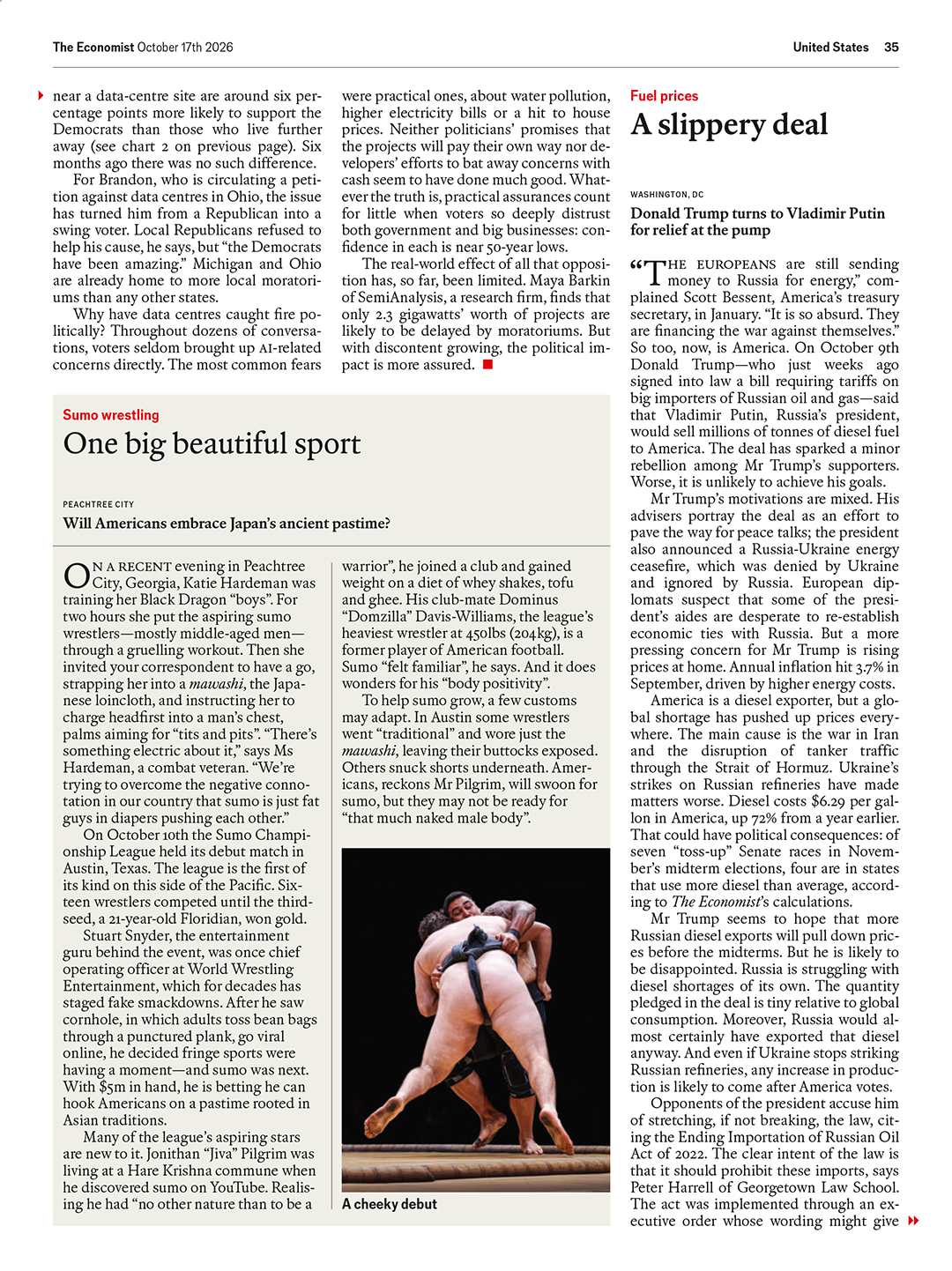
The Economist, in its October 17 issue, devotes a page of its United States section to a woman in Peachtree City, Georgia, who trains sumo wrestlers. Katie Hardeman is a combat veteran. She calls her boys the Black Dragon boys, though they are closer to middle-aged men. She wrapped the correspondent in a mawashi—the traditional loincloth—and showed her how to charge headfirst into an opponent’s chest, aiming the palms of her hands at what she calls, with anatomical clarity: “tits and pits.” She says she wants to rid sumo of its reputation in America as “fat guys in diapers pushing each other around.”
Almost two years ago, I wrote a piece about two rikishi made to pose half-naked on a London sidewalk to promote the Royal Albert Hall basho. One of them looked at the camera with a disbelief bordering on supplication. That was what moved me to write. What I want to emphasize is that I ended by saying the whole thing was beginning to smell like a circus.
Now I can hear the alarm bells.
On October 10, the Sumo Championship League, the first professional sumo league on this side of the Pacific, made its debut in Cedar Park, just outside Austin. Sixteen wrestlers in one night, single elimination, and ten thousand dollars for the winner, who turned out to be Jordan Sikes, a twenty-one-year-old Floridian and the youngest on the card. Third place went to Dominus Davis-Williams, a former football player, two hundred and four kilos—thirty-four fewer than Konishiki in 1991, to give you some idea—who told the magazine that sumo felt “familiar” and did wonders for his “body positivity.” Another of the sixteen, Jonithan Pilgrim, was living in a Hare Krishna commune when he discovered sumo on YouTube and bulked up on protein shakes, tofu, and ghee. He realized, he says, that he had “no nature other than that of a warrior.”
Behind this little league is Stuart Snyder, who briefly ran the WWF—the amusing pantomime of anything-goes wrestling—and, for three years in the late nineties, Feld Entertainment, the company behind the Ringling Bros. circus and Disney on Ice. He then spent seven years at the helm of Cartoon Network. Snyder watched cornhole—adults throwing little bags of beans at a board with a hole in it—go viral and concluded that the moment had come for fringe sports. What came next, he saw with perfect clarity, was sumo. He has managed to raise five million dollars, he told Axios, and is looking for a network to televise it. A man who once ran a circus and a form of wrestling only fools believe in has finally found a real sport. It was only a matter of time.
An average American caught off guard by six seconds of sumo will see one fat man pushing another out of a circle. He will be even more surprised to discover that this is all there is to it. They return to the center to push each other again. Pathetic.
At the end of the summer, just after the soccer World Cup, I went for a haircut at a barbershop in Covington, Northern Kentucky. There were about five people there, and one of them said something about the World Cup, I forget what. What I do remember is one of them saying: About time we got to watch a “real” sport.
Back to the subject, a sumo bout begins long before the pushing.
The wrestlers file in wearing embroidered silk aprons, clap their hands to attract the gods’ attention, and lift their legs as high as their ears before stamping hard on the ground, because the stomp drives away evil spirits. They sip water from a ladle handed to them by the winner of the previous bout, never the loser. They throw handfuls of salt onto the dohyo to purify it and protect themselves from injury when they fall. They crouch face-to-face, stare at each other, stand up, and crouch again, for up to four minutes in the top division—until 1928 there was no limit, and the whole business could last an hour. The referee dresses like a nobleman of the Heian court and points to the winner with a war fan. Above them all hangs the roof of a Shinto shrine, with four tassels at the corners representing the four seasons and the four gods who guard them. The wrestler’s topknot is shaped like a ginkgo leaf, and only those in the top two divisions may wear it. Stiff cords hang from the mawashi, always in odd numbers. Yes, yes, it leaves their buttocks bare, something nobody in Japan has noticed in fifteen centuries because there is so much to look at elsewhere.
This is what a Japanese person reads at a glance, as we read a traffic sign. And practically all of it is illegible to an action-sports fan from Georgia.
That said, the typical American fan might be better prepared for sumo than he thinks. An NFL game lasts three hours and, according to measurements published by The Wall Street Journal in 2010, contains eleven minutes of actual play. Eleven. The rest consists of replays—seventeen minutes, longer than the play itself—players standing around looking at each other, and roughly a hundred commercials. Our fellow Americans swallow three hours of pantomime for eleven minutes of pushing and call it the best afternoon of the week. Sumo asks exactly the same, just in a different proportion. The difference lies in what happens while they wait. In Texas, beer, and in Tokyo, salt and silence.
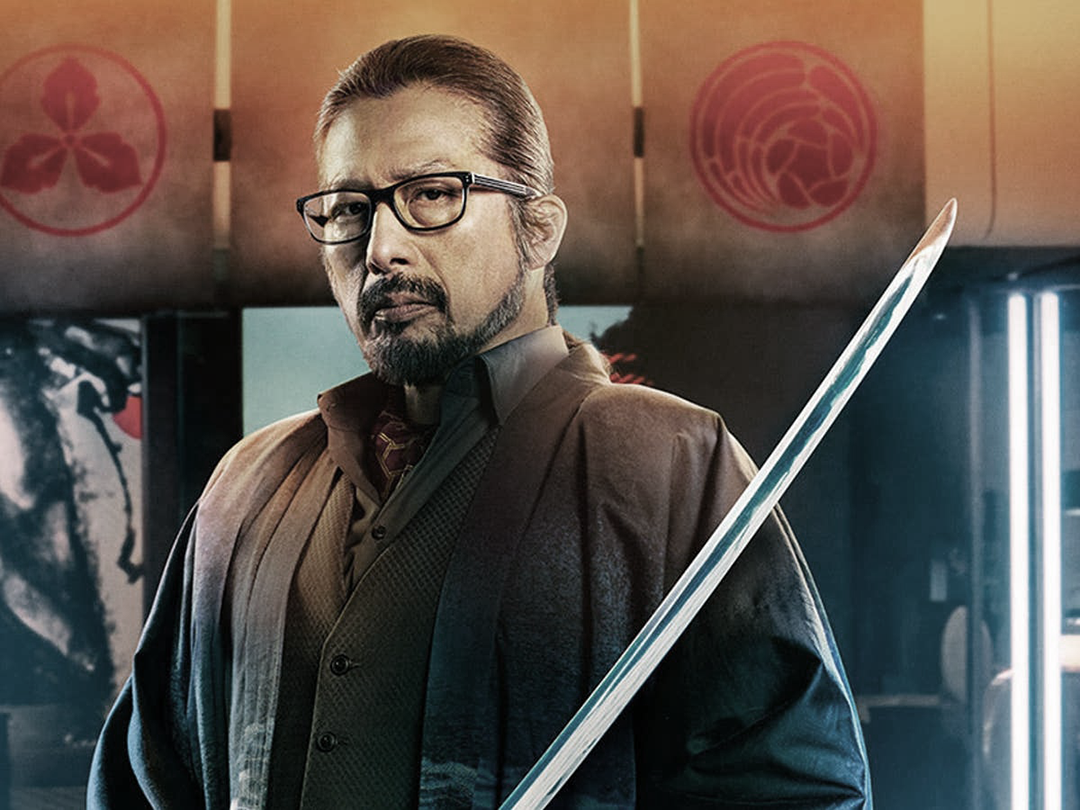
Hiroyuki Sanada on Joining the ‘John Wick’ Universe, Reuniting With Keanu Reeves, and Staying True to His Sword
The actor has fused prolific acting talents and martial arts mastery into over 100 demanding roles. His latest in ‘John Wick: Chapter 4’ proved no less punishing.
www.mensjournal.com
As I said two years ago, the West has an appetite for things Japanese. It eats sushi by the handful, after sushi found its way in through a restaurant in Little Tokyo, Los Angeles, in 1966. Someone had the idea of hiding the raw fish under the rice and adding avocado. It swallowed manga, which now accounts for almost half the graphic novels sold in the United States. And it swallowed the samurai, the closest thing Japan has to sumo. Hattori Hanzo forging Uma Thurman’s sword, Tom Cruise learning to die with honor in The Last Samurai, John Wick fighting in an Osaka hotel, and Shogun, which won eighteen Emmys in 2024, more than any season of any series in history. The same actor, Hiroyuki Sanada, appears in all three films and the series, and it is beginning to look as though he is the only Japanese man on the payroll. I already wrote about the Mariko of 1980, from the other Shogun, in that post, and I would rather leave the wound alone.
Be that as it may, word is that in Cedar Park some wrestlers wore the “traditional” mawashi and nothing else, while others wore shorts underneath. Pilgrim is convinced that Americans will fall head over heels for sumo. He also knows that so much bare fat-man buttock requires a preparation the country still lacks. It was precisely in that detail—in the Lycra beneath the mawashi—that I saw, in 2024, what I would still describe as the light, decaffeinated, lactose-free version of the sport. As with adding avocado to sushi, as with the ninety-second semi-ceremonial tea, the hyper-choreographed aikido. But a fat man, half-naked and sweating, pushing another... that is another matter.
Can a fifteen-hundred-year-old Shinto rite survive a Texas barbecue? We shall see. The yokozuna Hoshoryu, leaving the Royal Albert Hall in October last year with five wins in five bouts, said that if anyone wanted to do this in America, they could count on him. Just buy him a ticket. The Japan Sumo Association has said nothing, as far as I know, and probably will not. Sumo has survived 1,500 years, nothing that happens in Texas is going to undo its topknot.
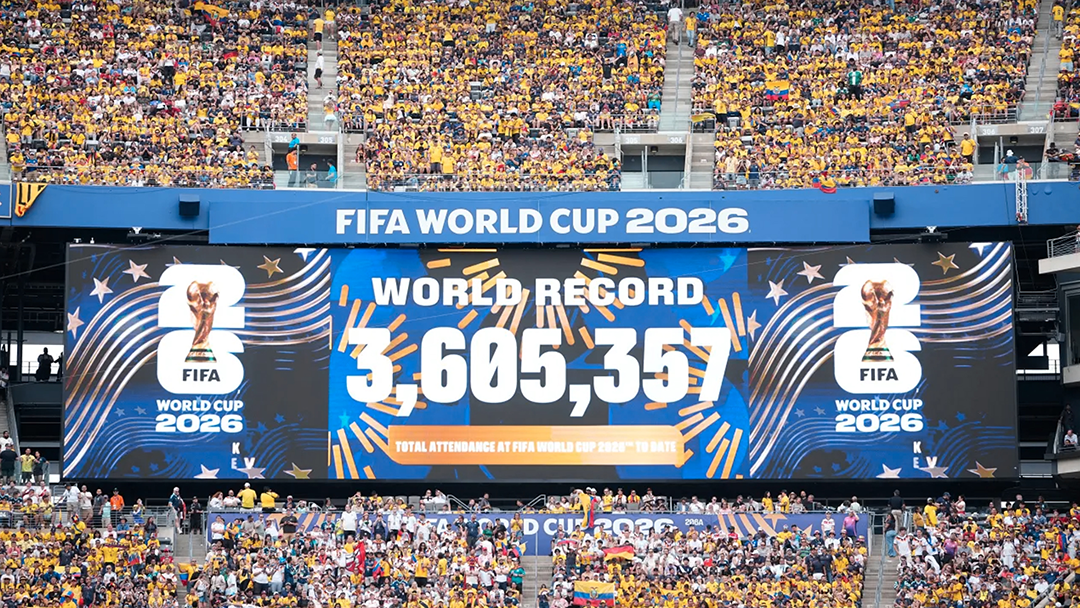
By now, I have seen too much evidence of inclusion in the United States to doubt it. I believe in many Americans, because I know them well. I believe in their moral and human stature, and in their curiosity. Beyond my personal experience, limited as it is—and returning to that Kentucky barbershop—the fact is that the United States recently hosted one of the great cultural institutions of “other people”: the soccer World Cup. A sport regarded for a hundred years as boring and foreign. And it was a tremendous success. Six million eight hundred thousand people in the stands, 99.7 percent of seats sold, and sixty-six million people watched the Spain–Argentina final at MetLife on Fox and Telemundo, more than any soccer match in American television history. Until that night, the most-watched match had been, a week earlier, the United States’ elimination by Belgium.
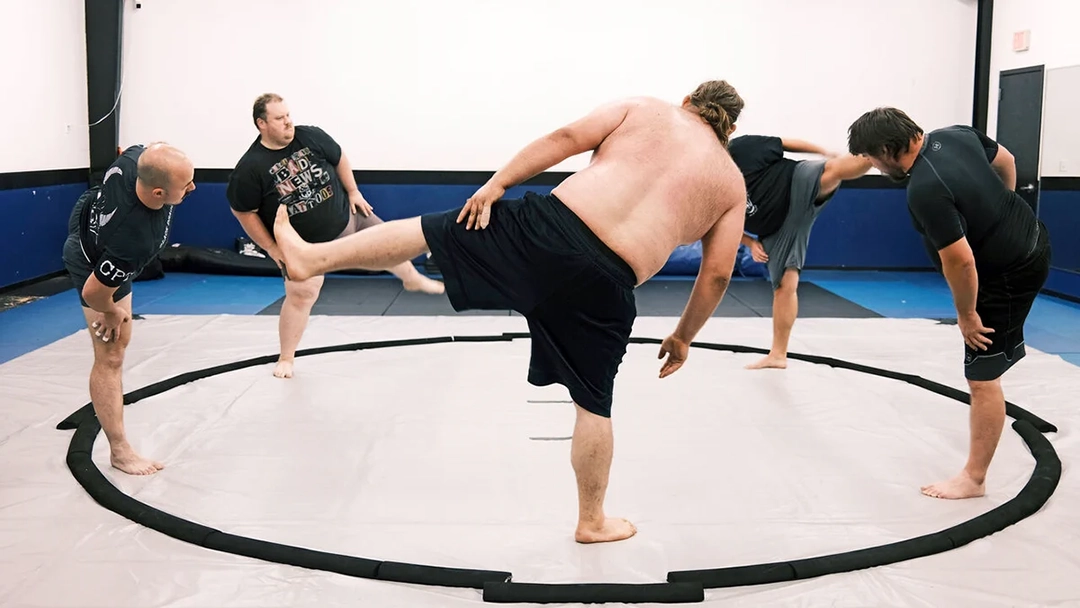
Bringing sumo to America has been compared to serving sushi on Thanksgiving. But now that it’s here, the real debate is over how much to Americanise it, says one representative from the United States Sumo Federation. @TheEconomist / 10:20 · 13 oct 2026
So yes, you can import what other people like. Even if, as with sushi and the mawashi, it comes with something underneath. The Black Dragon boys of Georgia train for two hours with a war veteran, at night, with nobody watching, for a sport that in their country is a joke in diapers, and that is more sumo than any league. In the heya, the training house where sumo wrestlers live, there is nobody watching either. They just strain, push, and eat their soup. Hardeman does not know it, but she is running a heya in Peachtree City. What comes afterward—the shorts, the television network, the man from the circus—is the same old story. It is beginning to smell like a circus, but also like soup.
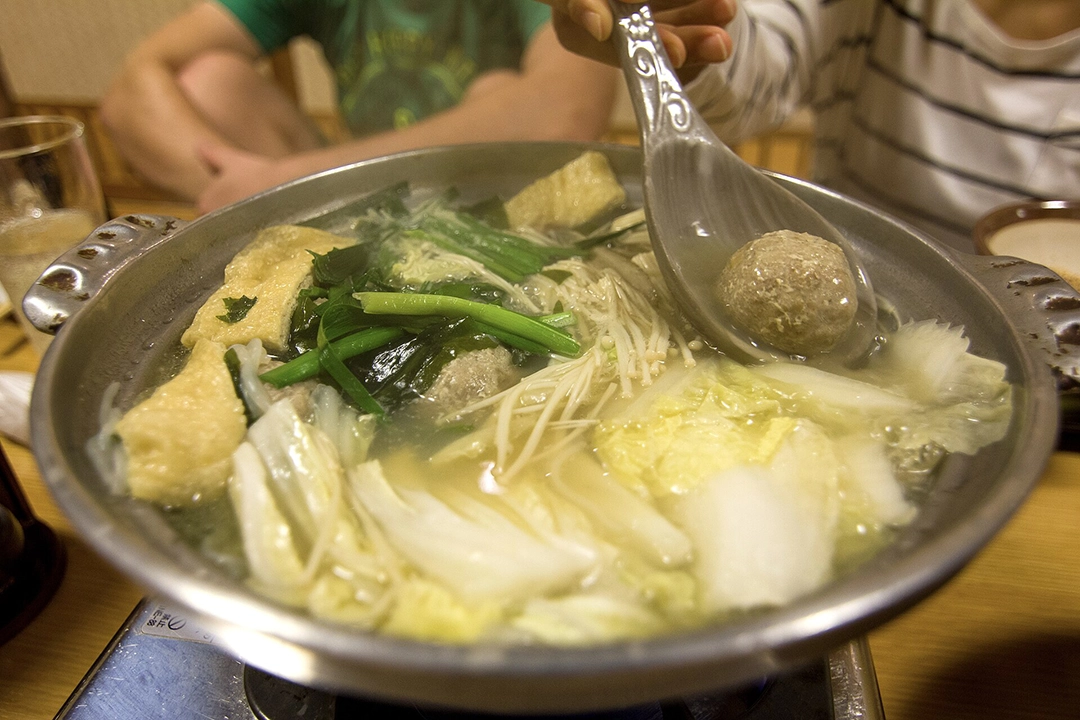
Chanko-nabe, the stew of broth, vegetables, and protein that feeds sumo wrestlers. Going back for several helpings is part of the training.
Sources consulted:
The Economist, October 17–23, 2026, United States section, “One big beautiful sport. Will Americans embrace Japan’s ancient pastime?”. The Cedar Park results (H-E-B Center, October 10: Sikes defeated Edobor Konyeha 2–0 in the final; Davis-Williams finished third) come from Combat Press. Snyder told Axios Austin about the five million dollars on September 17; his tenure at Feld Entertainment and the WWF is covered in the Atlanta Journal-Constitution’s July reporting. The NFL’s eleven minutes come from David Biderman’s study for The Wall Street Journal, January 2010. Sushi: Kawafuku, Little Tokyo, 1966; the invention of the California roll is disputed among two Los Angeles chefs and one in Vancouver. Manga: between 40 and 45 percent of graphic novels sold in the United States between 2022 and 2024, according to Circana. Shogun: 18 Emmys in 2024; Sanada played Ujio in The Last Samurai, Shimazu in John Wick 4, and Toranaga in the series. The 2026 World Cup: 6,810,966 spectators, 99.7 percent occupancy according to FIFA; July 19 final, Spain 1, Argentina 0 after extra time; 66.4 million viewers on Fox and Telemundo according to Nielsen; United States–Belgium, 46 million. Hoshoryu, to CBS News, October 19, 2025: “If someone decides that we’ll do this in America, of course I’ll be there”. Konishiki weighed 238 kilos at the Royal Albert Hall in 1991; Davis-Williams, 204. The soup is called chanko-nabe and is always eaten piping hot. The 2024 piece on sumo is on my Facebook page and will soon be on this blog.
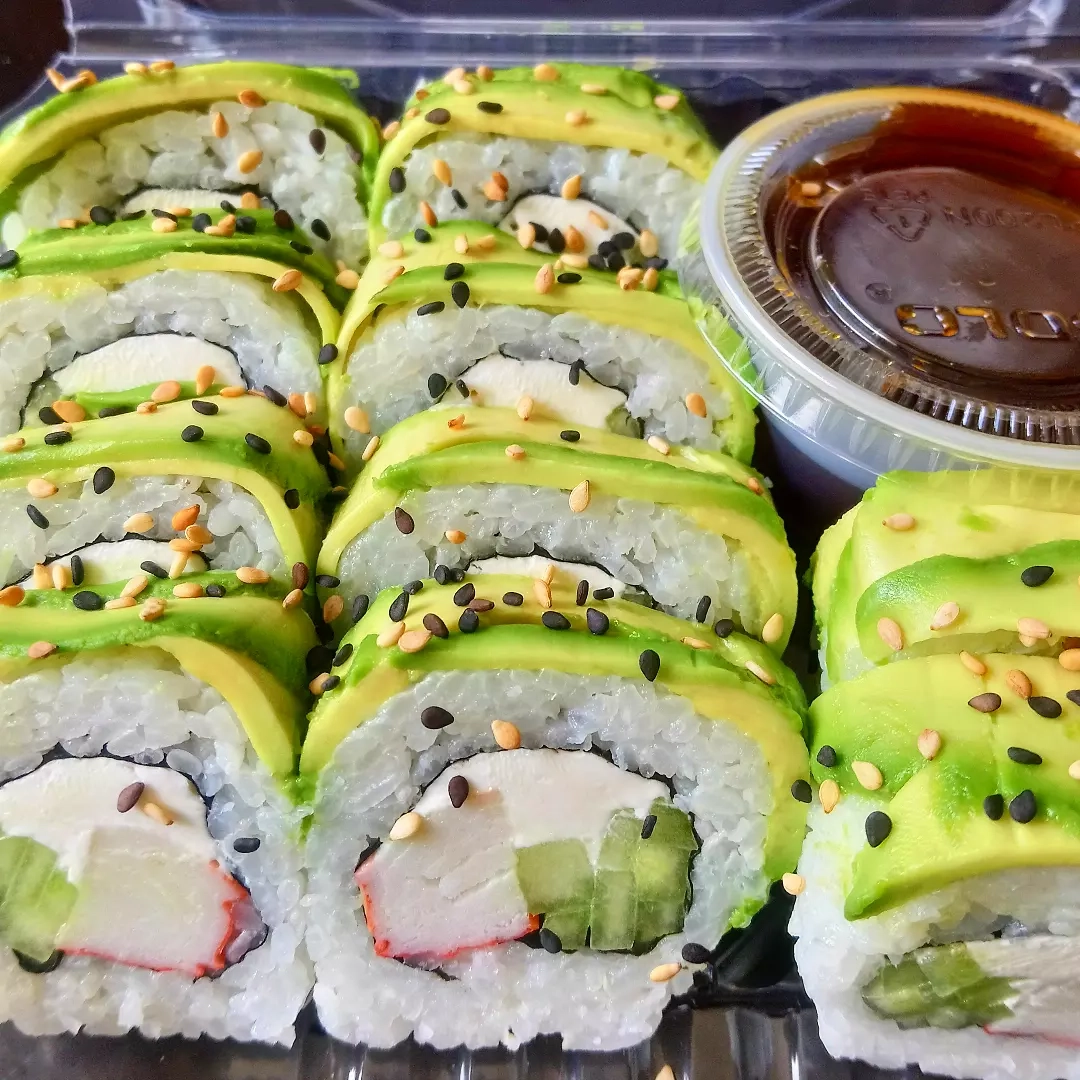
Avocado sushi. An ancient Japanese tradition whose origins have been contested by several Los Angeles restaurants since the 1960s.





If you’re a regular reader of this blog and enjoy its content, you might consider contributing to its upkeep. Any amount, no matter how small, will be warmly appreciated
Founded in 2021, Echoes (Notes of Visual Narrative) invites everyone to explore together the visual codes that shape our world—art, photography, design, and advertising in dialogue with society.

Copyright © 2026 r10studio.com. All Rights Reserved. Website Powered by r10studio.com
Cincinnati, Ohio


Comments powered by Talkyard.