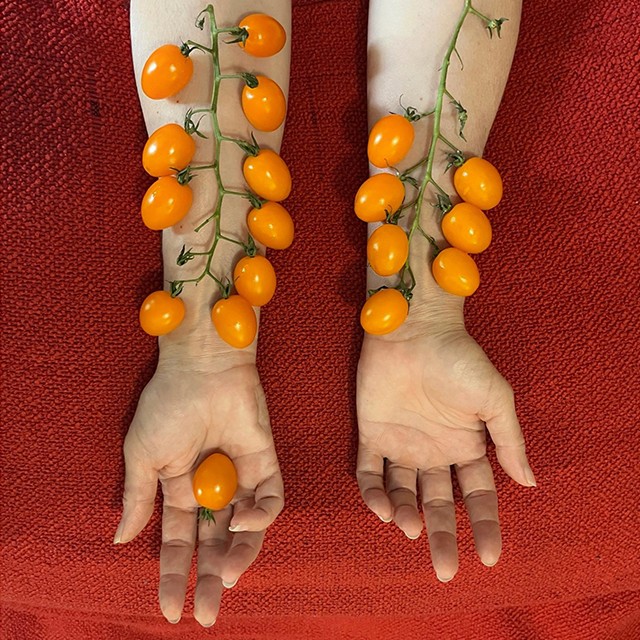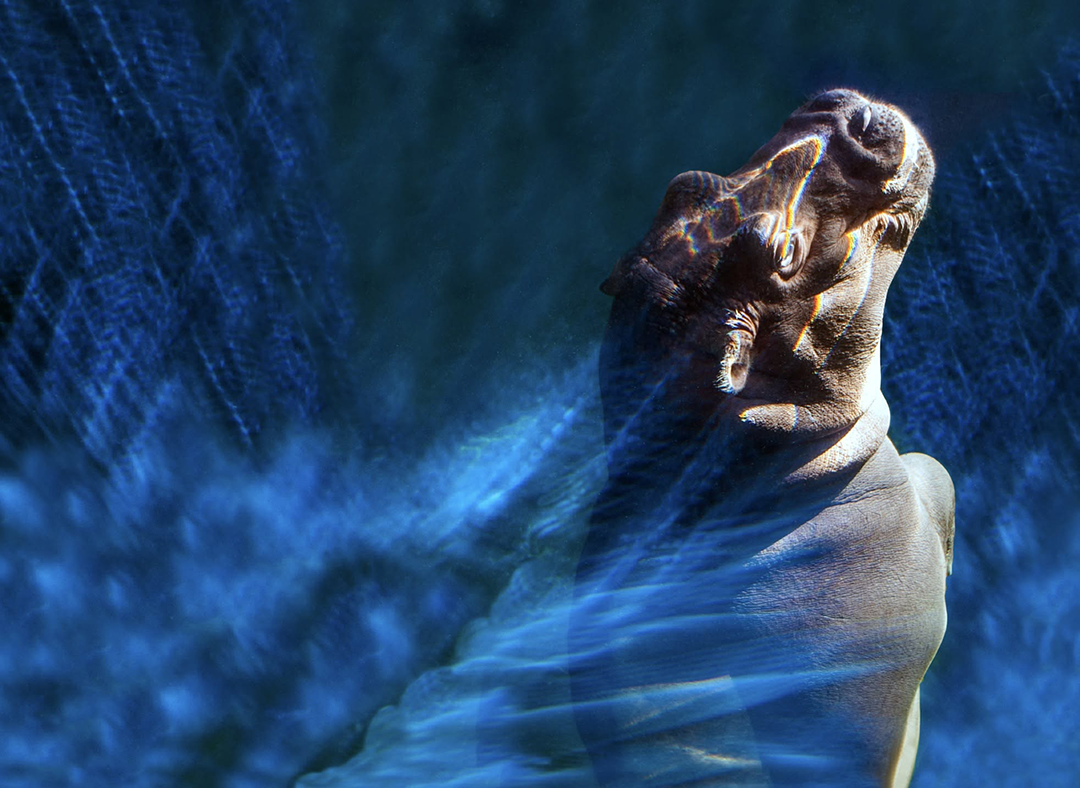
Fiona Rising by Robert Flischel
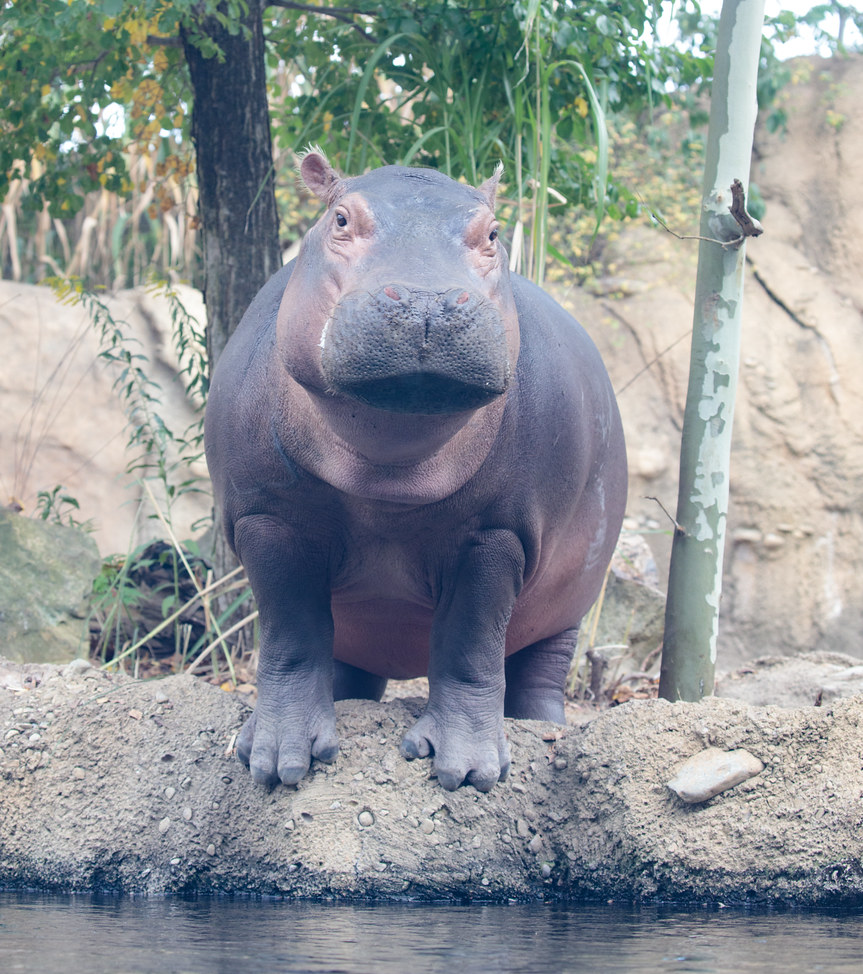
Around four o’clock on Thursday, November 19, a rather unexpected piece of news began flooding my Facebook wall. The Cincinnati Zoo & Botanical Garden confirmed the death of Fiona, the Nile hippopotamus who came into the world on January 24, 2017, six weeks premature and weighing barely thirteen kilos. She was nine; she would have turned ten in January. She died from complications after swallowing a knit hat that accidentally fell into her enclosure on November 8.
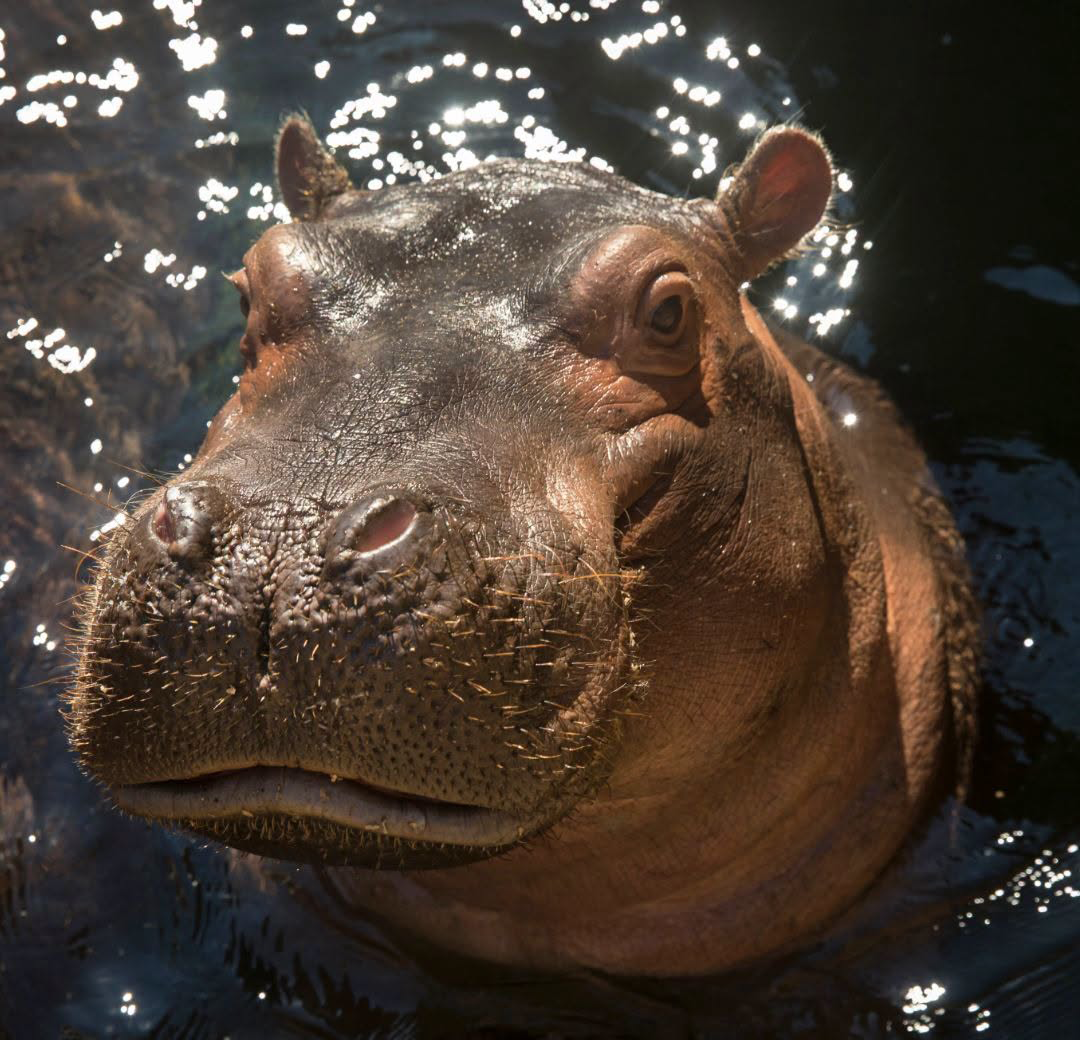
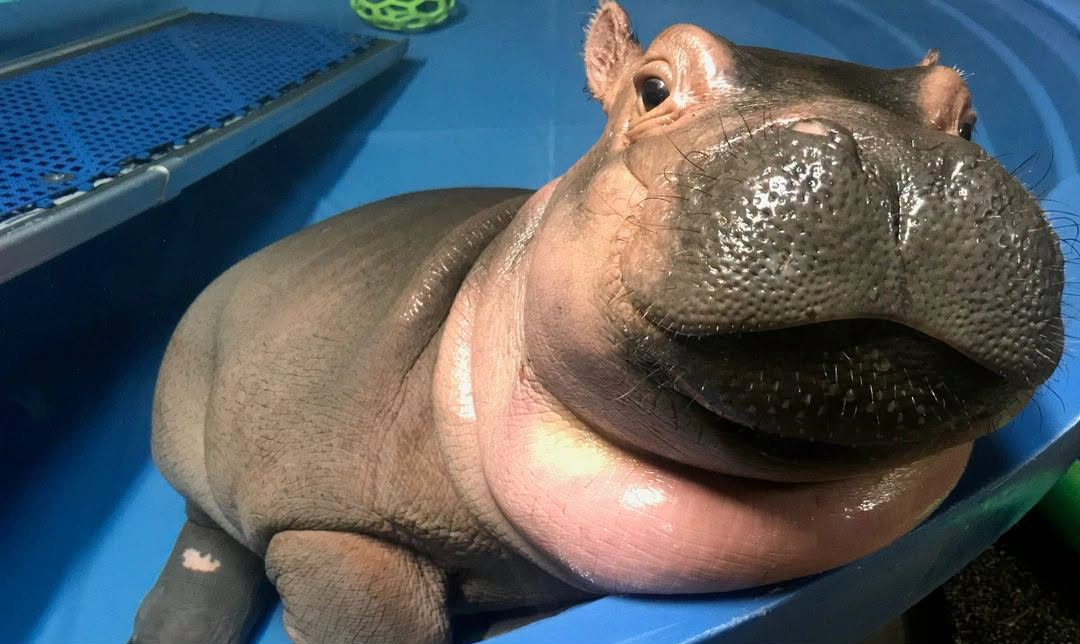
The shock moving through the city as I write exceeds what the loss of an animal usually provokes, and the reason is that Fiona had long since ceased to be one. She was a sign, and few of the signs condensed by the twenty-first century show so clearly how a community can adopt a living body and incorporate it into the intimate repertoire of its identity.
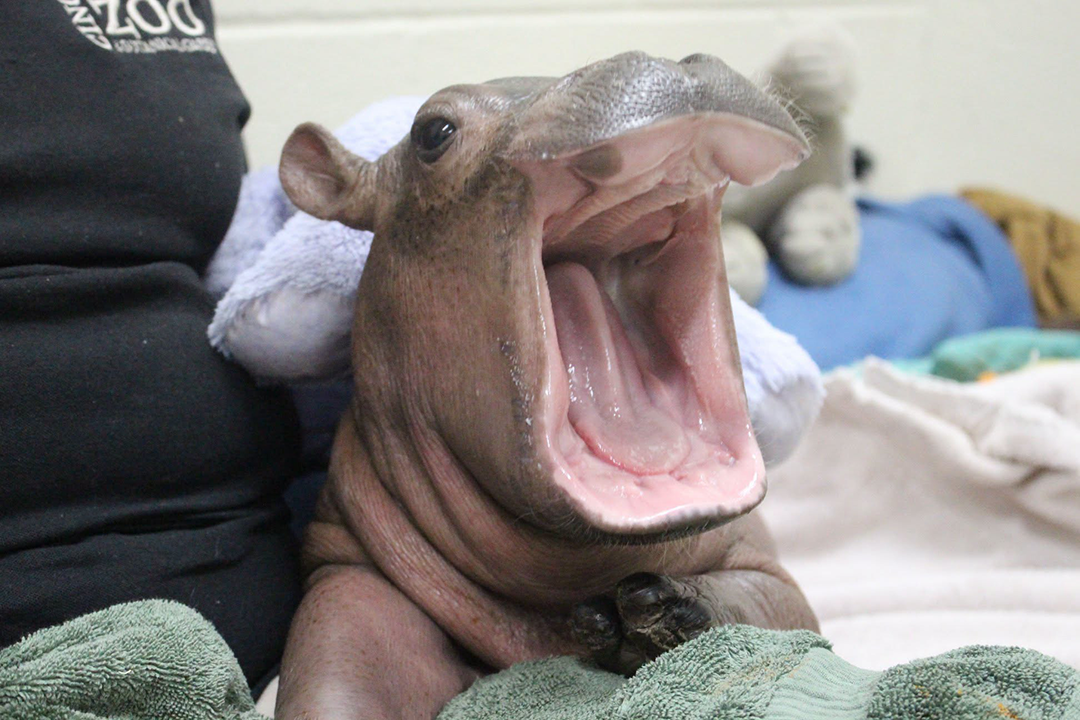
In Charles S. Peirce’s terms, Fiona began as an index. The direct trace of a concrete reality. The first photographs—a tiny calf held by her keepers, bottle-fed, with an intravenous line that nurses from Cincinnati Children’s helped place—were, before anything else, evidence of life. Each image published by the zoo confirmed that she was still there. The daily repetition of those scenes—her first steps, her first bath, her reunion with her mother Bibi—built a story in installments that the world followed almost in real time. And in that passage, a revealing shift took place. Team Fiona, the name of the small team that cared for her day and night, became a hashtag, and the team came to include everyone who watched her. The clinical record became a narrative, and the narrative, as it circulated, became a symbol.
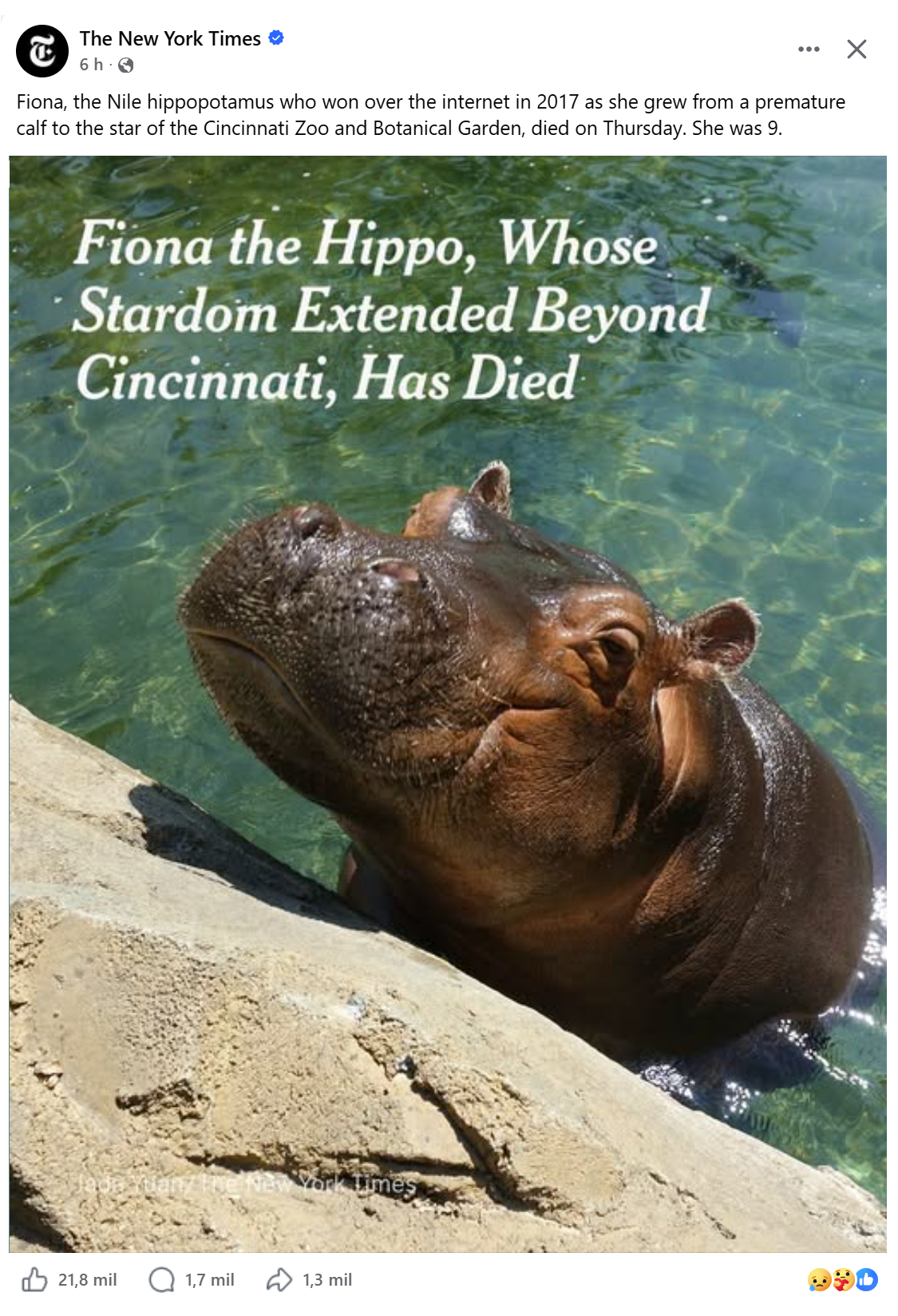
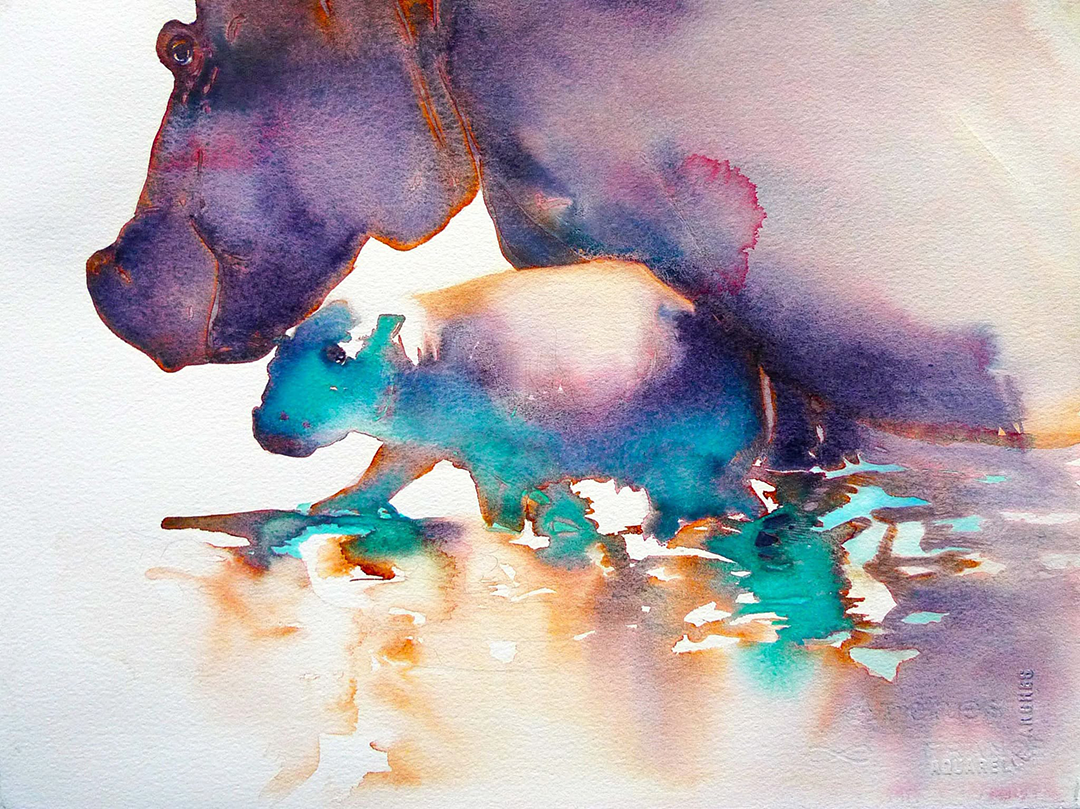
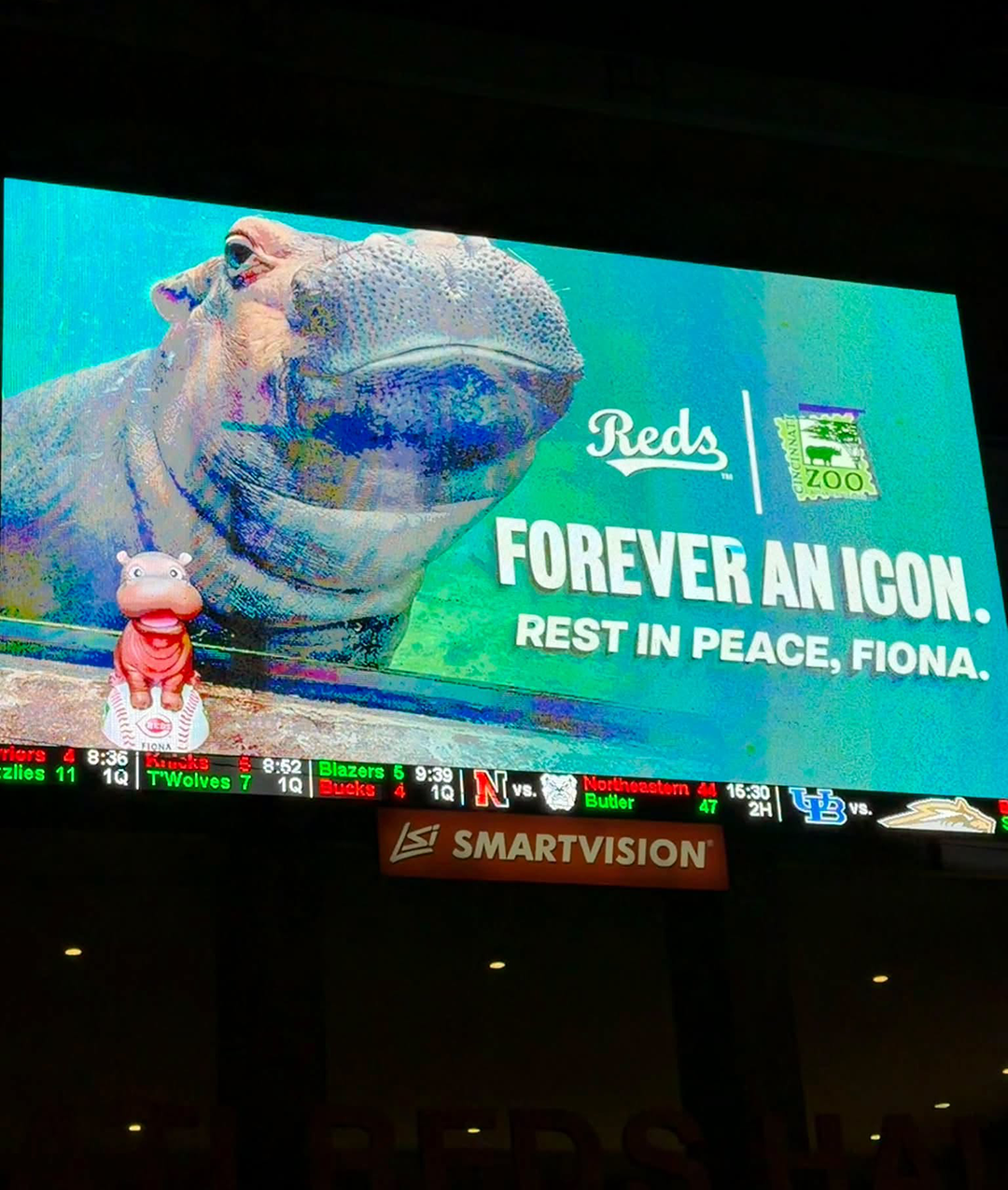
Roland Barthes called myth that second level of signification in which an image already charged with meaning is taken up and made to say something else. That is what Cincinnati did with Fiona. The hippopotamus, an animal associated with bulk, weight, even danger, was recast as tenderness and tenacity, and the city inscribed her into its own landscape. In a craft beer called Team Fiona, an ice cream flavor, T-shirts, ceramics, books, and a mural downtown that placed her among the city’s beloved figures. They called her the Queen of Cincinnati in a city already known as the Queen City. In her, a Midwestern city, often seen from the outside as discreet, found a gentle mirror. Too small at birth, underestimated, and obstinately alive.
Unlike the haughty cities that believe they deserve magnificent totem animals of imposing anatomy, wolves, eagles, deer, Cincinnati adopted a plump creature with bulging eyes and an expression as sweet as ice cream. She crawled into its heart and into everyone else’s, including the hearts of much of the world, and sealed the zoo’s reputation as one of the most singular in the world. People came from everywhere to see the new deity, round, without angles, malleable, kneadable by human affection.
The manner of her death adds a layer that is difficult to name. A knit hat belongs to the world of objects made for warmth and care; the one that reached her enclosure did so through an almost impossible accident. A child tossed it into the air; a fan caught it and sent it through an opening barely thirty centimeters wide above the viewing windows. For eleven days, veterinarians and keepers tried everything, from intravenous fluids and a colonoscopy to a vibrating platform. “She fought until she couldn’t anymore,” said zoo director Dave Jenike. That an emblem of survival should succumb to something so small and so domestic is an exceedingly cruel irony. And yet many voices in the city have urged people not to direct their anger at the visitor’s family. That, too, speaks to the symbol, which taught people to look upon fragility with compassion.

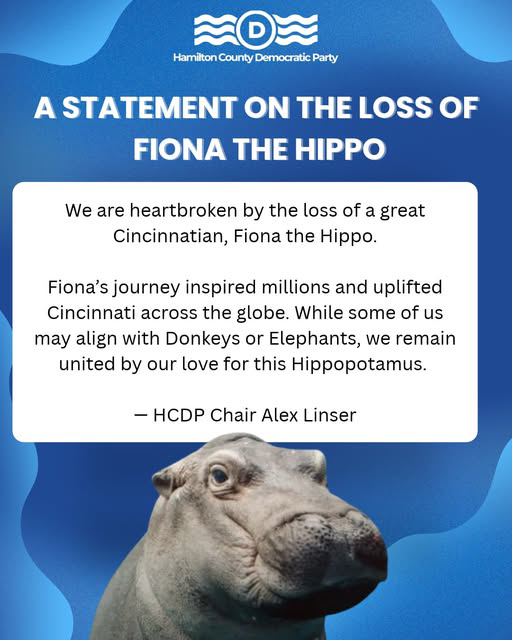
Since that leaden Thursday afternoon, the zoo has been receiving flowers and cards, along with messages from its mayor, its sports teams, its hospitals, and thousands of neighbors. Aftab Pureval called her “a symbol of perseverance and joy”; the city thanked her “for bringing out the best in all of us.” The sentence distills the workings and destiny of symbols. Fiona is gone, but the meaning Cincinnati placed in her no longer depends on her breathing. It will remain in the murals, in the photographs being shared again today, and, above all, in the memory of those who watched her grow. The Annex Gallery wishes to express publicly its solidarity with the team of keepers who stood by her from the first day to the last, and with everyone who feels this loss as their own. Fiona taught a city a warm shade of the noun resistance. She did so with an expression both kind and lovable. Cincinnati is learning from her today how to say goodbye in a way we thought possible only with our most beloved pets. Because they are family. As Fiona was.






If you’re a regular reader of this blog and enjoy its content, you might consider contributing to its upkeep. Any amount, no matter how small, will be warmly appreciated
Founded in 2021, Echoes (Notes of Visual Narrative) invites everyone to explore together the visual codes that shape our world—art, photography, design, and advertising in dialogue with society.

Copyright © 2026 r10studio.com. All Rights Reserved. Website Powered by r10studio.com
Cincinnati, Ohio