
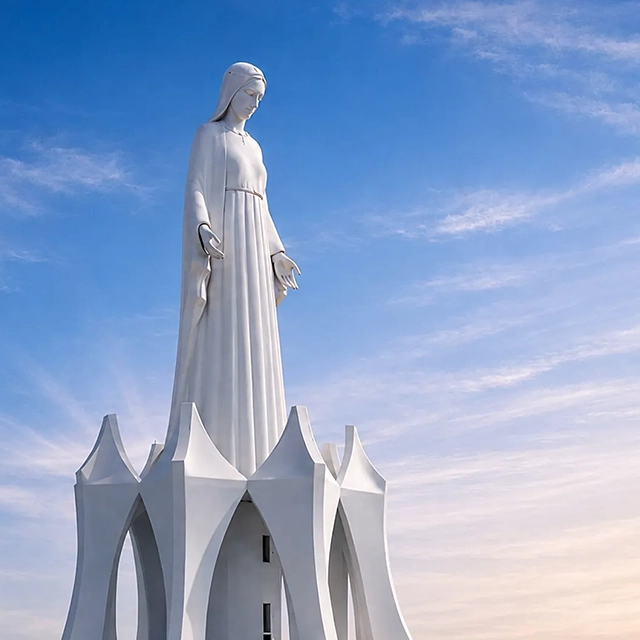
Three days after turning twenty-nine, on Wednesday, January 21, 1998, I carried out my first subversive act against Cuba’s communist system. I went to wait for Pope John Paul II. I went with tremendous enthusiasm. Probably with Gilma, my wife at the time. We positioned ourselves on the right-hand sidewalk of Paseo, between 7th and 5th Streets, in Havana’s Vedado district. We waited for about an hour and a half.


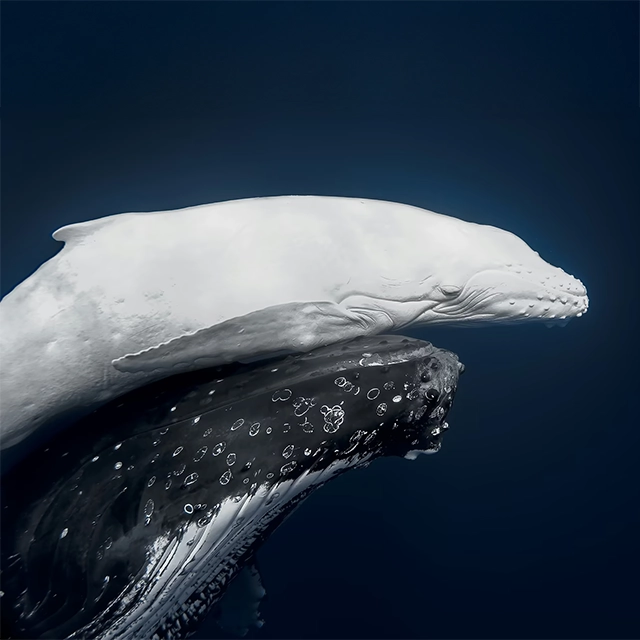
A few days ago, I wrote about the photograph that received first prize in the Nature Careers Working Scientist Photo Competition. The competition is intended for researchers, students, and people working in science. They were asked to stake everything on a single horse: one photograph of their own work. In the laboratory, in the field, among instruments and samples, on an expedition, within the sometimes precarious intimacy of a research team at work.
The winning photograph of the 2026 Environmental Photography Award shows a green sea turtle (Chelonia mydas) swimming underwater, enveloped in an unusual glow.
At first glance, the image presents itself under the sign of an almost hypnotic serenity: a spectral, totemic turtle rises within an indistinct yet vaguely familiar field. We notice, with a pale flicker of surprise, the imprint of a human hand inscribed upon its shell...
In Book XXXV of his Natural History —Naturalis Historiae libri XXXVII— Pliny the Elder, while addressing the origins of modelling in clay, recounts the story of Butades, a potter from Corinth. Western scholarship places this account around the sixth century BCE. Butades had a daughter who loved, with uncommon intensity, a young man suddenly compelled to leave on a journey...
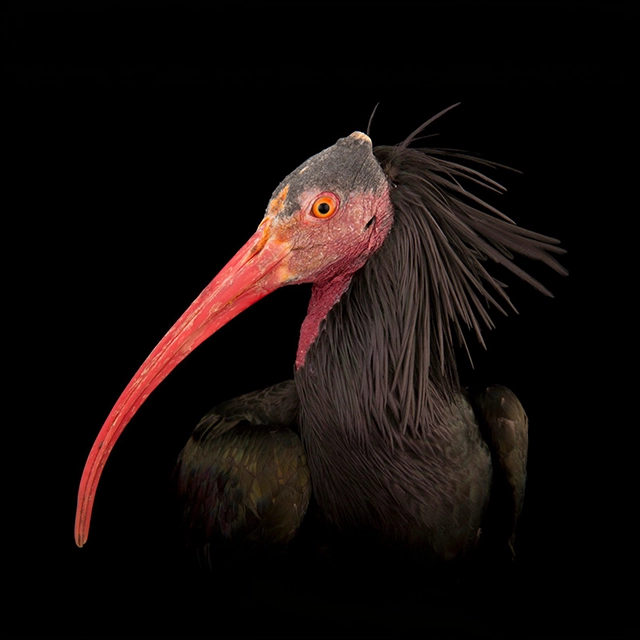
The hermit ibis (Geronticus eremita) is also known in Spanish as the northern bald ibis. Its scientific name points directly to the sparse, widely scattered feathers that protrude from its bald head and give it a lamentable appearance. This formal decrepitude can inspire a kind of compassionate affection, especially when the creature also has the face of an idiot, round eyes, and a stunned expression.
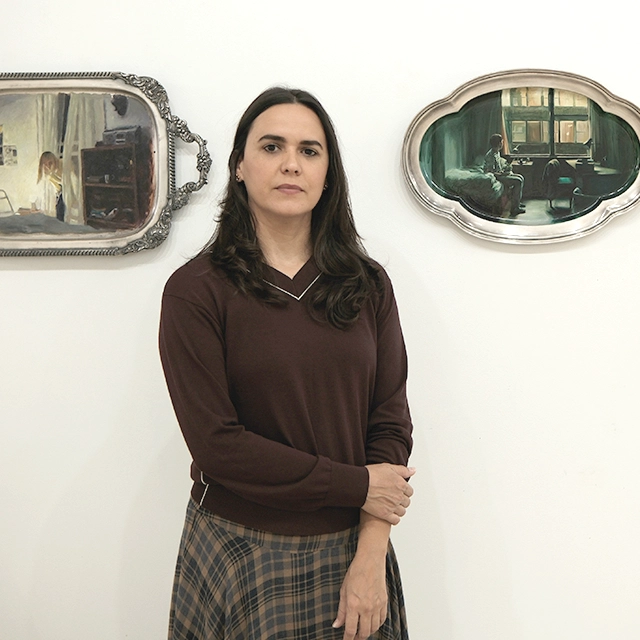
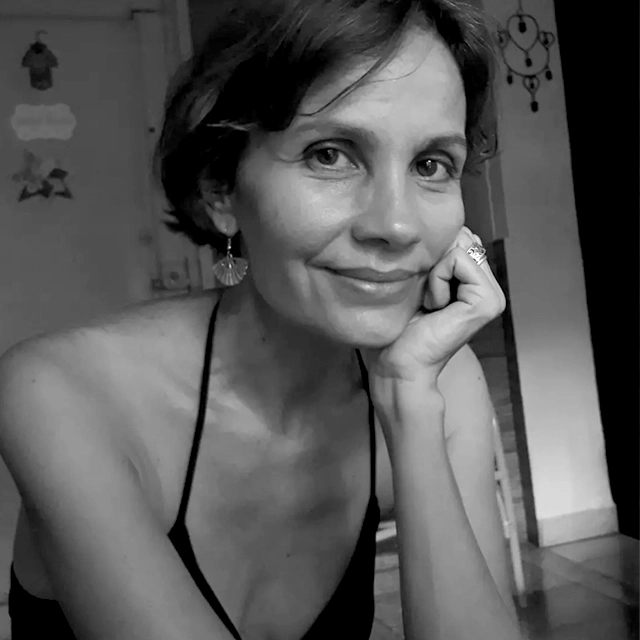
Two of the works from Leticia Sánchez Toledo’s recently closed exhibition at Annex Gallery will remain in Cincinnati. Offering an additional reading is hardly gratuitous, especially one that places them, for the local audience, within a more precise context. Works produced by emigrants seldom rest on purely aesthetic assumptions.
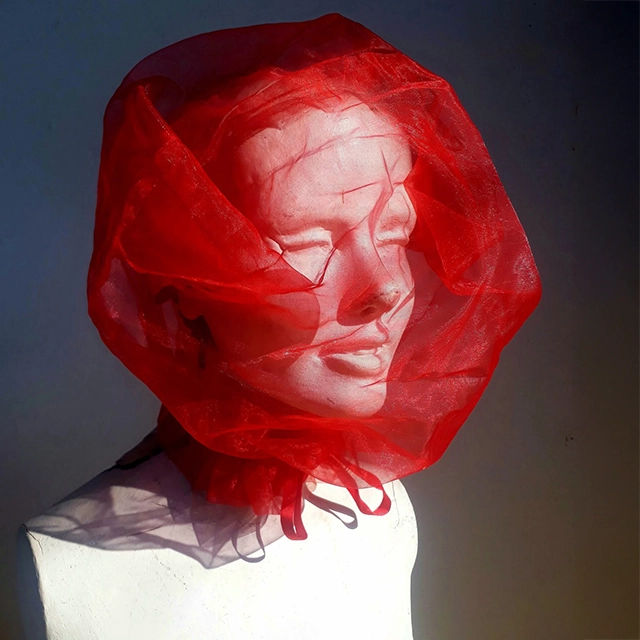
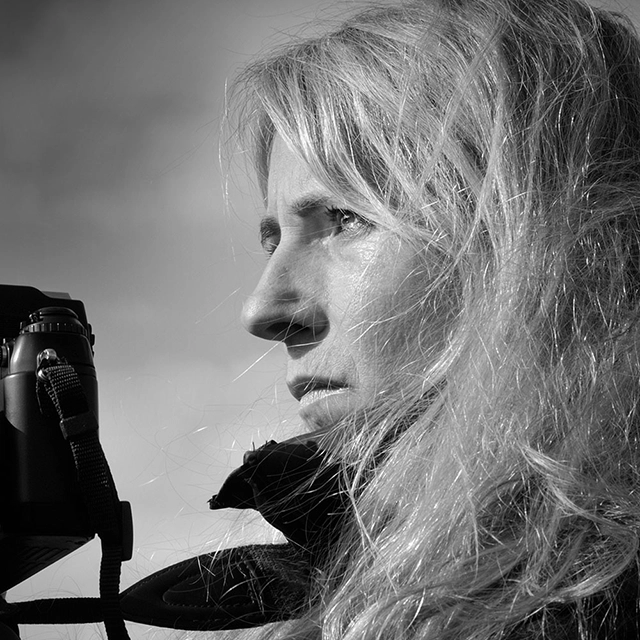
Although I am an avowed admirer of her solo work and have known her for nearly twenty-five years, I do not remember ever having spoken in person with Liudmila Velasco. About her work, about the weather, about how unbearable this or that artist can become. When I left the island, Liudmila was already practically an institution within Cuban women’s photography...
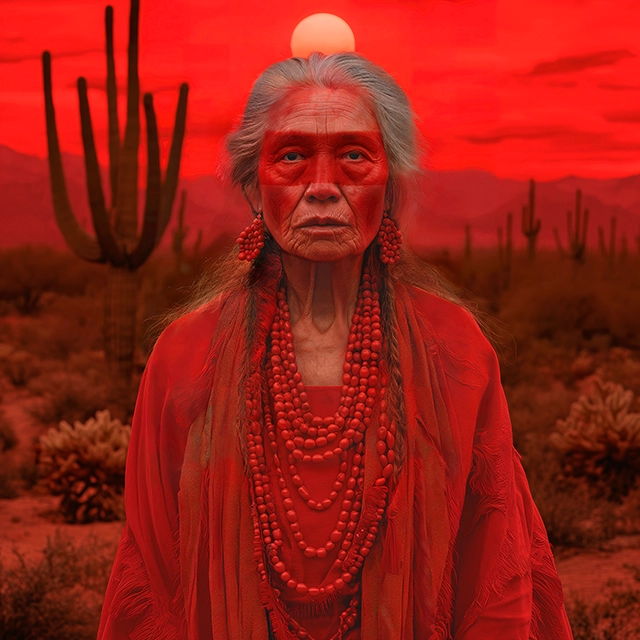
When we first came across Tim Harrier’s Shaman Spirit Guides, we dismissed them without mercy as the product of artificial intelligence. The mud-covered faces, the animals emerging from the background, and an unbroken frontal force produced, almost at once, a malignant suspicion. Suspicion ran far ahead of the work. And we are right to suspect almost everything in life. This series, no...
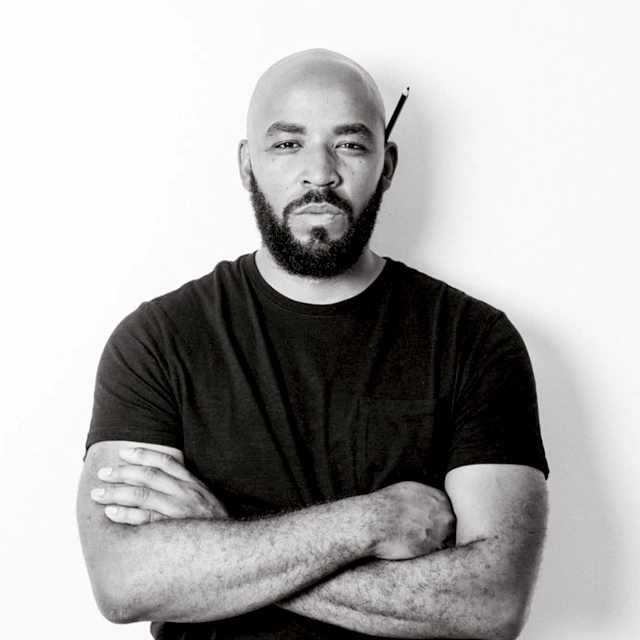
There is a book. Before the exhibition, before the charcoal drawings spread across the galleries of the Contemporary Arts Center, before the viewer crosses the blue thresholds into the dreamworld of Freeman Little...
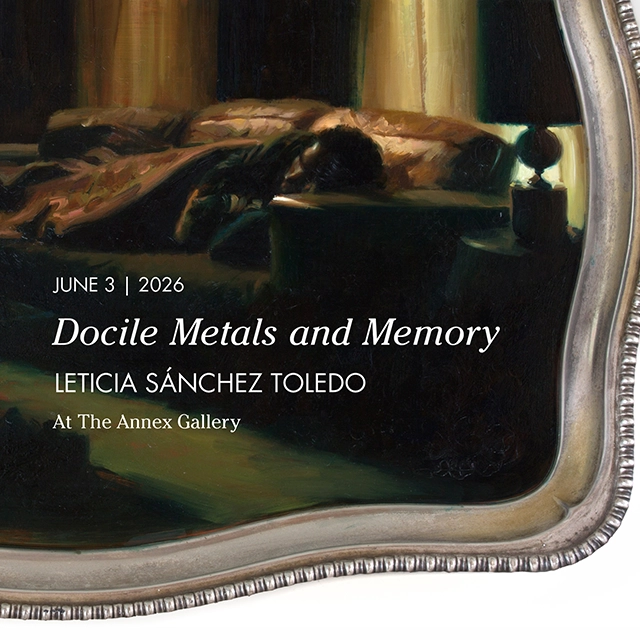
On June 3, Leticia Sánchez Toledo opens Docile Metals and Memory at The Annex Gallery, a series that delves into the material and affective memory of objects. The pieces were conceived from metal trays unearthed on Facebook Marketplace, at Sunday flea markets, and in secondhand venues. They are objects few still wish to keep in their original state — easy to come by, hard to maintain, awkward to place...
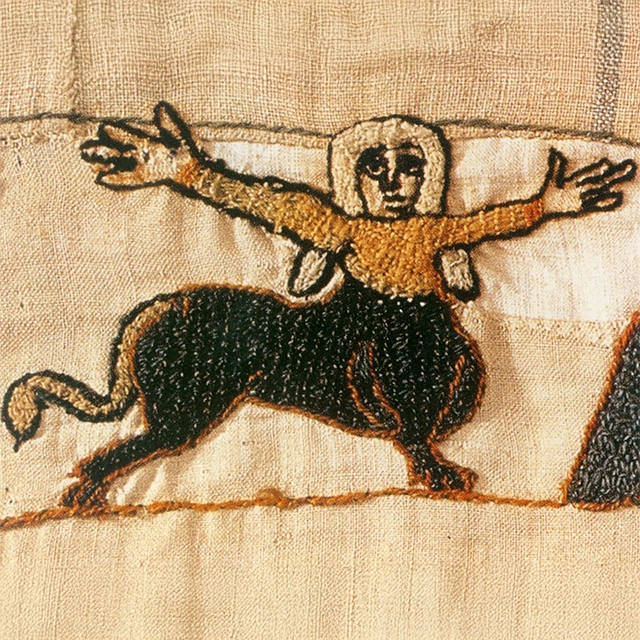
A few months ago I wondered in these pages what Macron was getting out of lending the Bayeux Tapestry to the English. Forty thousand French citizens signed a petition to block it, citing textile fragility and, I suspect, a touch of cross-Channel rancour as well. The other question remained: what would the British Museum get out of it.
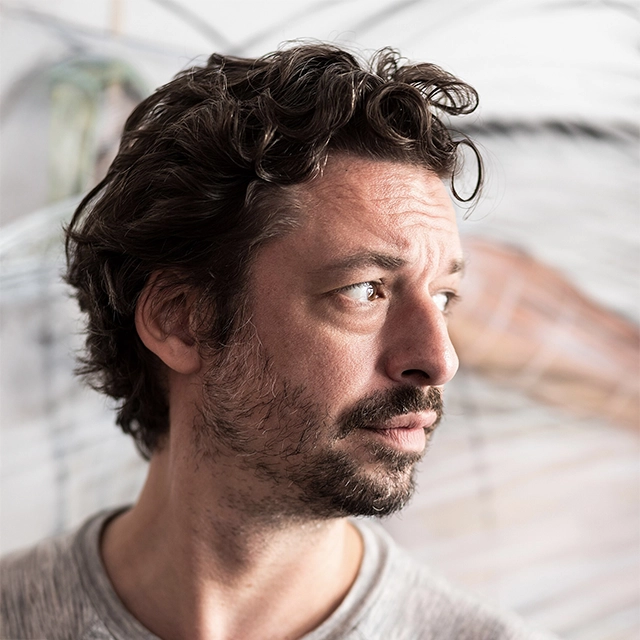
Now and again, chance weaves a concurrence of circumstances that places us before a window opening onto the past. The opportunity to converse, undistracted, with the Austrian artist Stylianos Schicho was a privilege, since what most interests me in art are the sinews that bind it to whoever produces it.
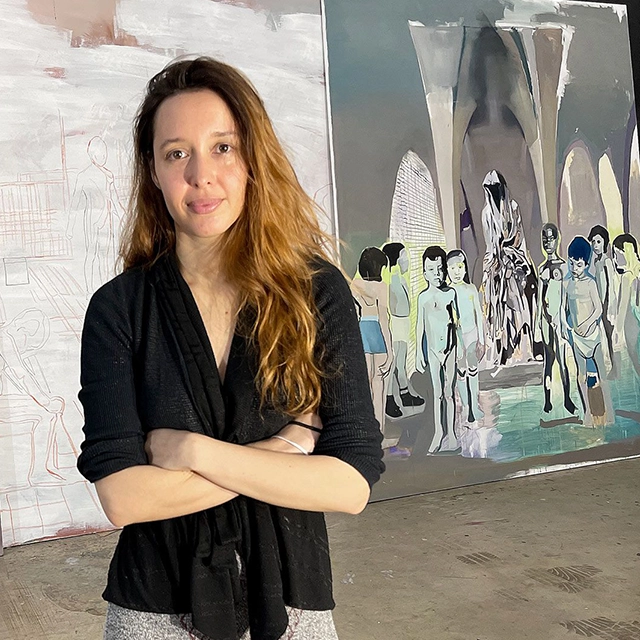
As a worthy walk-on, more than once I have stood inside a still life: the living scene of a dead nature staged with everyday objects. Between Morandi and Chirico — take your pick of Giorgios — lit by the fierce Miami sun or beneath the drizzle of a summer afternoon, I have slipped into the heart of the anomaly, into the "temple of otherness."

A month ago, during Arte Desobediente Exhibition, I encountered for the first time an artwork by Kerstin Imhoff that has remained with me ever since. It was a visceral piece from her ongoing Bloodline series: a hyperrealistic red vulva rendered in wax-like texture through 3D printing, encircled by a Catholic rosary terminating in a bronze cross. The work was at once devotional and confrontational; an image suspended between martyrdom, sexuality, political violence, and feminine embodiment...

We accept this kind of photograph before we understand it. That is why we are here. They are striking, drawing on the same formal vocabulary inherited from Irving Penn and Richard Avedon, the great schools of studio portraiture on a flat ground. Ever since, we have surrendered to the magic of high contrast, to the shameful retreat of the second plane, of the surroundings, of the context. As though none of that added anything to the emotion or to a denser reading.

The solo exhibition Amazonia, opening on May 22, brings together a body of work produced by Julia out of her sustained engagement with the Shipibo Indigenous community of the Peruvian Amazon. The show is structured around four groups of pieces and combines watercolor and ink on paper, embroidered textile work, installation, and cyanotype...


If you’re a regular reader of this blog and enjoy its content, you might consider contributing to its upkeep. Any amount, no matter how small, will be warmly appreciated
Founded in 2021, Echoes (Notes of Visual Narrative) invites everyone to explore together the visual codes that shape our world—art, photography, design, and advertising in dialogue with society.

Copyright © 2026 r10studio.com. All Rights Reserved. Website Powered by r10studio.com
Cincinnati, Ohio