
Like so many other wildlife photographs, this one immediately caught my attention. It was published in Digital Camera World, issue 312, October 2026, in the Reader Gallery section. A space intended to give visibility to work submitted by readers, with no distinction between amateurs, emerging photographers, and established professionals. They do not seem particularly interested in any genre or style, only in creativity, provided it finds a technically solid resolution...
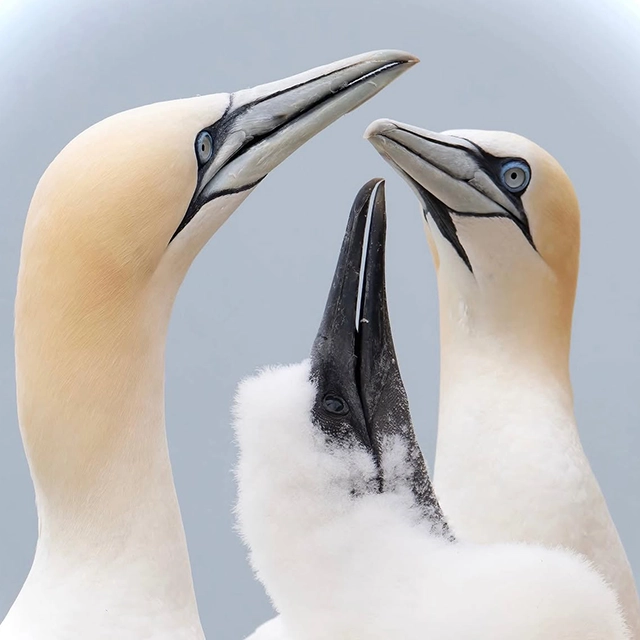


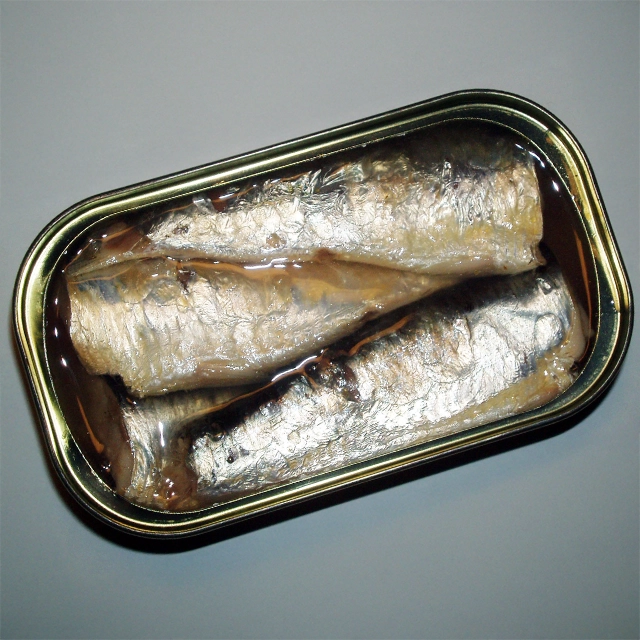
The winner of the 2026 London Camera Exchange (LCE) Photographer of the Year competition is a retired teacher who captured the award-winning image while on holiday in Southeast Asia. The scene was shot in Hoi An, on Vietnam’s central coast, as she photographed a fisherman at work. The author notes that the moment in question sealed the playful end of the encounter and helped her stand out among more than 14,500 participants.
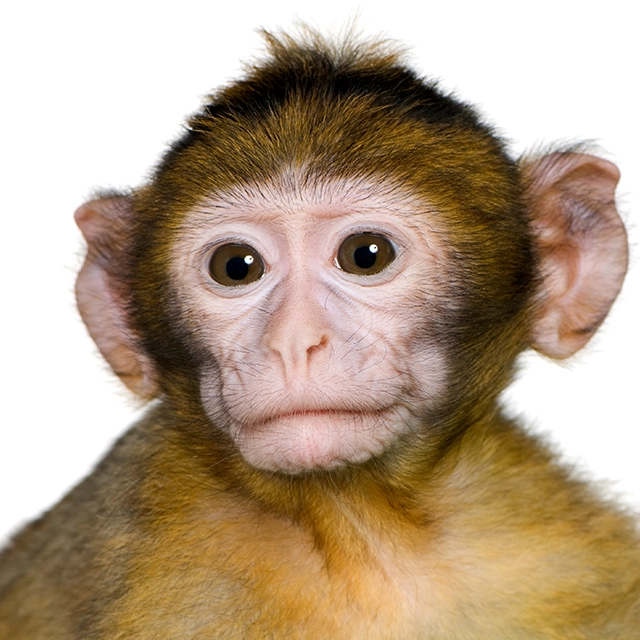
Science is beginning to entertain the idea that human hypocrisy may derive directly from primates. Knowing this does not make it better or worse, but it is worth keeping in mind that the brain arrives already equipped for it.
Facial expressions sit at the very center of social life, and yet scientists still do not fully understand how the brain produces them.
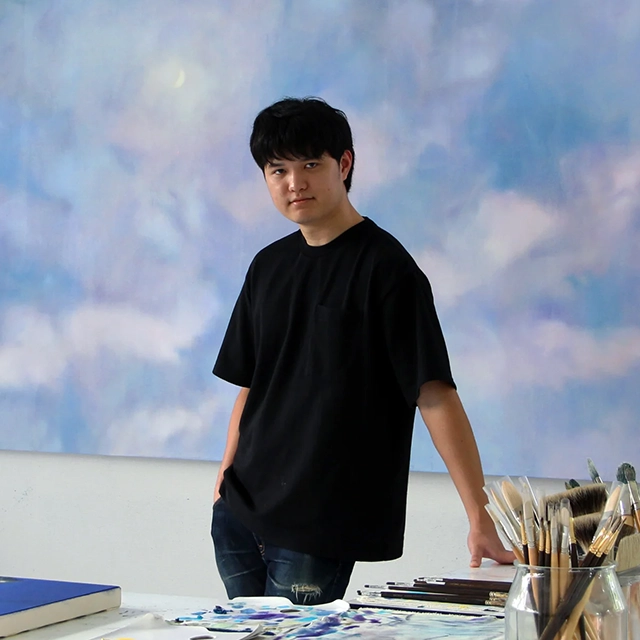
Persistently, and since the most remote antiquity, the moon has acted as a trigger for the human imagination. It has agitated artists and writers, the deranged of every kind, poets, philosophers, spiritual beings, night wanderers—but above all, lovers. Perhaps because it casts that faint light which outlines the features of the desired body: the point of light, the delicate glimmer that ignites along the maiden’s lower lip...
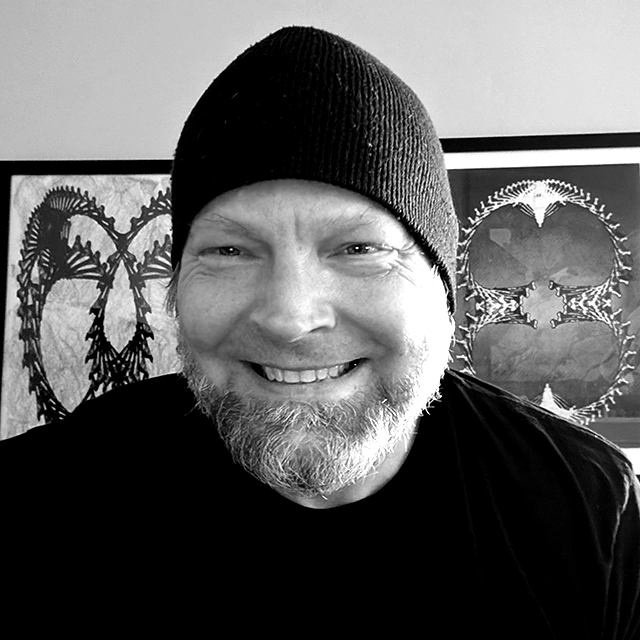
There are artists whose work is born of skill; others, of obsession; others still, of a wound. In Aaron Kent, all three converge. His practice resists reduction to any single discipline or stable technique. Although it may be inscribed, under a taxonomic logic, within the territories of ceramics, printmaking, or sculpture, the truth is that his work moves through far more uncertain zones.

I cannot quite understand how Facebook’s algorithm works. For some reason, it has begun feeding me dozens of images of Ana de Armas. Perhaps because one day I lingered on a photograph of Anya Taylor-Joy; perhaps because I keep an archive—strictly for scientific purposes—of Ava Gardner and Marilyn Monroe; perhaps, in short, because I paused one second too long over a few of her images.
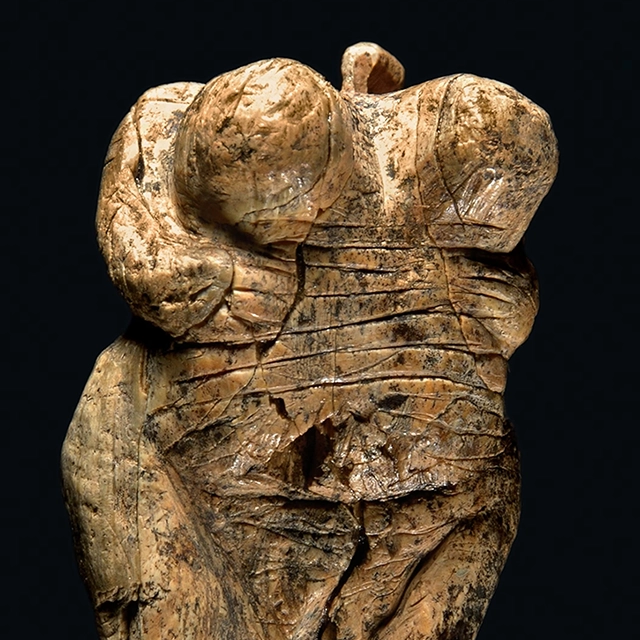
On my way home, on one of the trains at Miami Airport, I took this photograph. A passenger had left a sticker on one of the metal poles inside the carriage. Whoever it was—judging by the code—came from Guayaquil and carried it on their suitcase. The author, it would seem, now lives on these shores.
I have developed a faint affection for photography competitions. I go through them with an almost childish curiosity, looking for the good photographs the jury overlooked and the bad ones it chose to reward. In the latest issue of Camera Craft, its sixty-ninth, for March and April of this year, some of the results are published from the competition that The Guild of Photographers organizes annually.
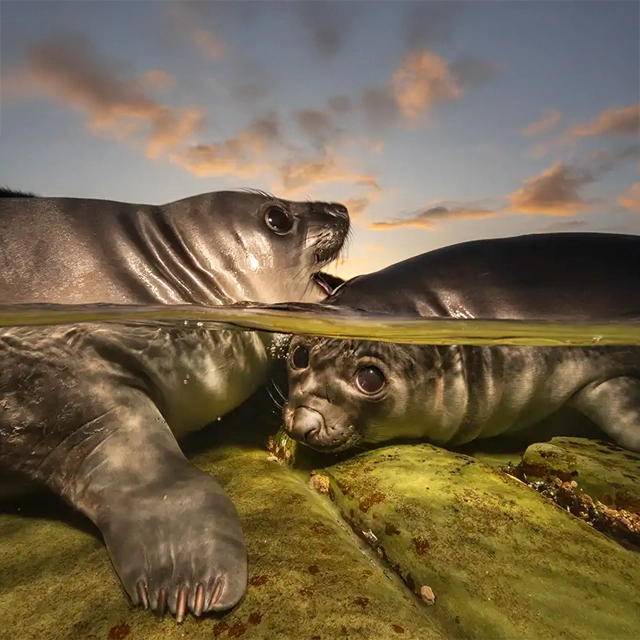
There is, in underwater life, a captivating otherness, and these images from the Underwater Photographer of the Year competition bring it forth with admirable clarity.
The first photograph captures a clownfish parent keeping vigil over the moment when the eggs it had tended so carefully begin to hatch. A scene which, according to the judges, they had never encountered before...

Everyone in Cincinnati’s artistic community knows Katherine Hurley. They have for a long time. In my own case, for just under ten years. And we all know her solid career and her exceptional body of work, delicate and subtle as few others.
I have always found it difficult to comment on the genre of landscape. Not because I do not like it, but because, when it reproduces what nature itself has taken millennia of patient execution to achieve...
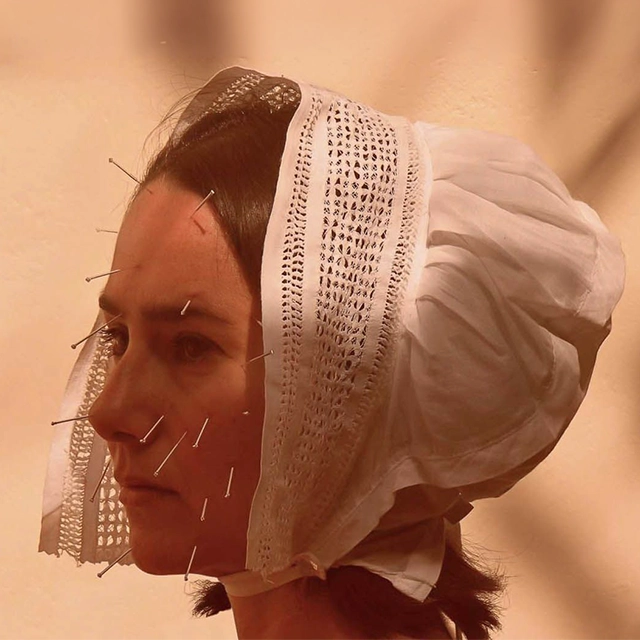
Dressed in red, barricaded behind a mask crowned with feathers as red as the dress itself, the visual artist Cirenaica Moreira (Havana, 1969) waited, seated on a stool, for the attendees of the performance—scissors in hand—to cut the hearts fastened to the dry, gilded branches she held.
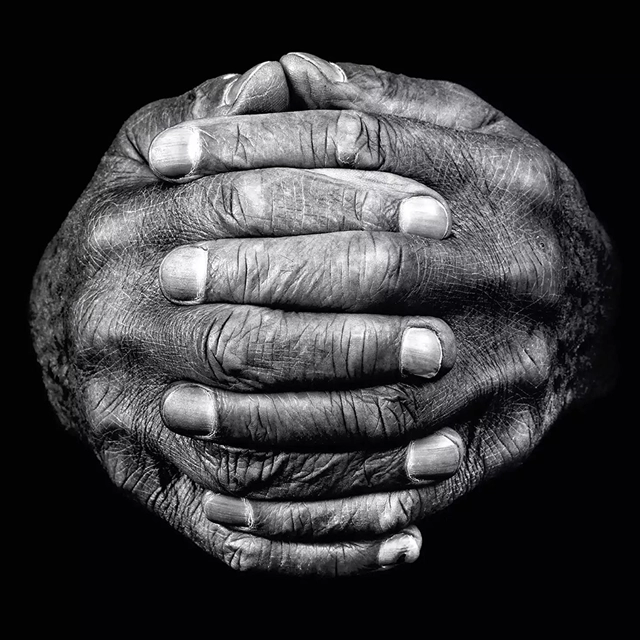
Human genius can be observed in many of its works. Nowhere is it more detectable than in the arts: music, literature, and the visual arts. As a species, seen from above, we are all fairly clever. But some are—or were—truly exceptional. What did they require to rise above the rest? What made them singular, beyond the reasoning most of us share?
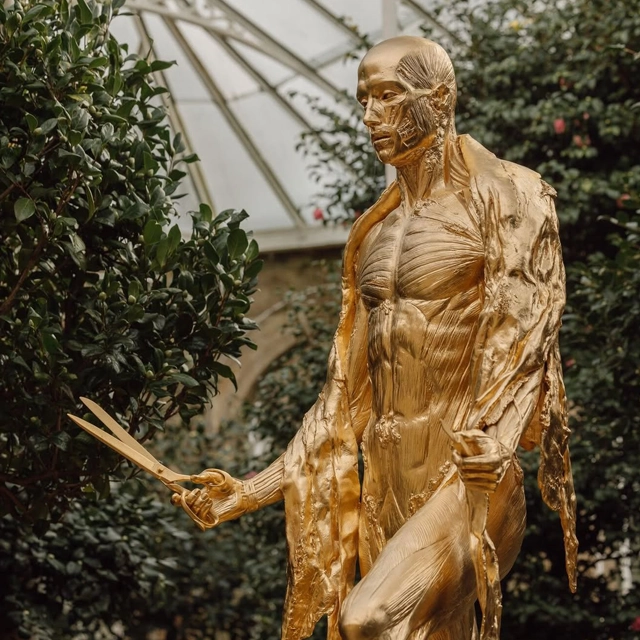
I have not the faintest idea why The Times, in its February 16 edition, informs us—by a delay so un-British—that Damien Hirst’s Saint Bartholomew, Exquisite Pain has been installed in the Camellia House at the Yorkshire Sculpture Park. Not only that work: The Watchtower, by Auke de Vries, and Muamba Posy, by Vanessa da Silva, both outdoors in the Country Park.
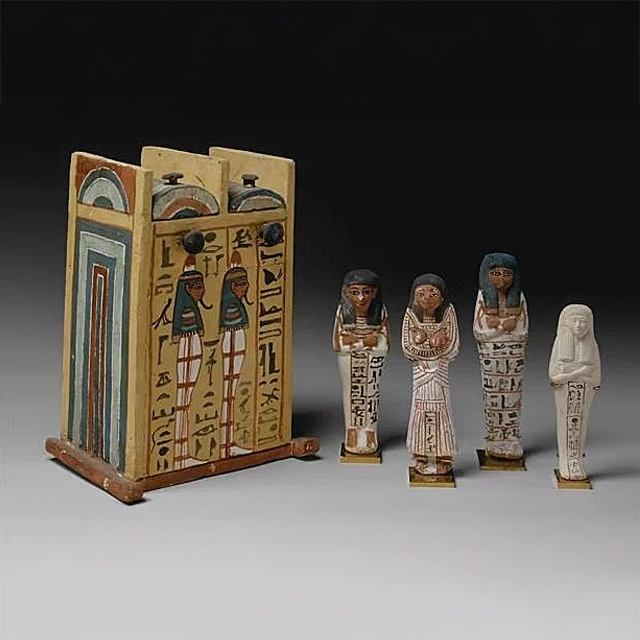
The Petrie Museum of Egyptian and Sudanese Archaeology, part of University College London (UCL), houses one of the most important collections of Egyptian artefacts in the world. It preserves more than 80,000 objects recovered from excavations conducted between the late nineteenth and early twentieth centuries. Among them are hundreds of shabti, small funerary figures that formed part of the ritual equipment of tombs in ancient Egypt...
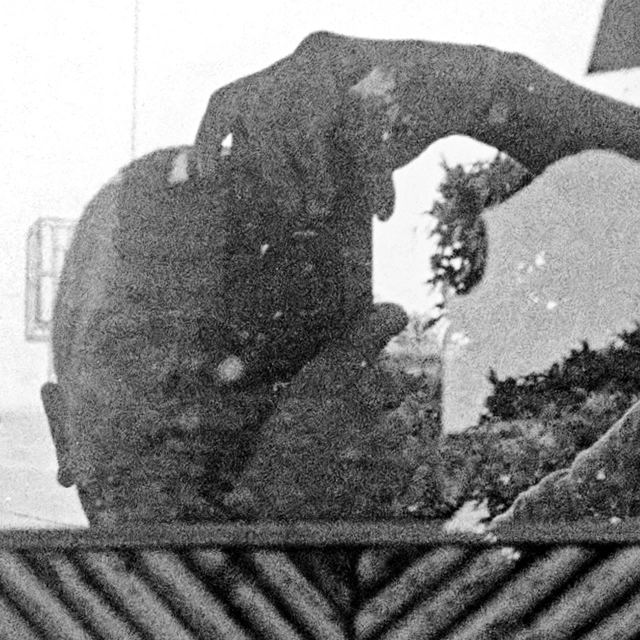
Anyone who approaches Pedro Abascal’s photography and speaks with the author about the spontaneous nature of his scenes cannot help but think: he’s taking me for a fool. So accustomed have we become to an art of effects—an art frequently structured around spectacle, one that opportunistically deploys “the technological” to shield the fragility of its premises—that it feels like a deception when he claims he neither goes out hunting for images nor resorts to manipulation of any kind to produce photographs of such suggestive force...
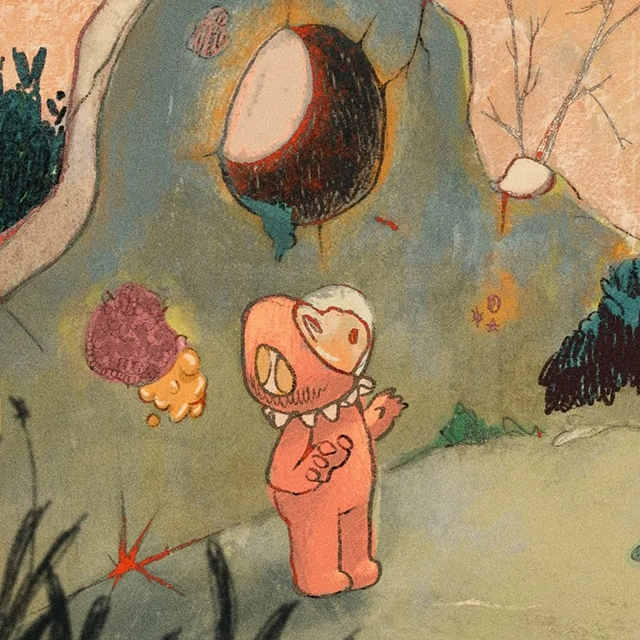
The aesthetic and existential possibilities that Pedro Guevara opens through his practices summon us to sustain an attentive gaze toward how we perceive the world in relation to our authentic growth and existential harmony, bearing in mind that his artistic doing never detaches itself from lived practice when establishing its discourse...


If you’re a regular reader of this blog and enjoy its content, you might consider contributing to its upkeep. Any amount, no matter how small, will be warmly appreciated
Founded in 2021, Echoes (Notes of Visual Narrative) invites everyone to explore together the visual codes that shape our world—art, photography, design, and advertising in dialogue with society.

Copyright © 2026 r10studio.com. All Rights Reserved. Website Powered by r10studio.com
Cincinnati, Ohio