
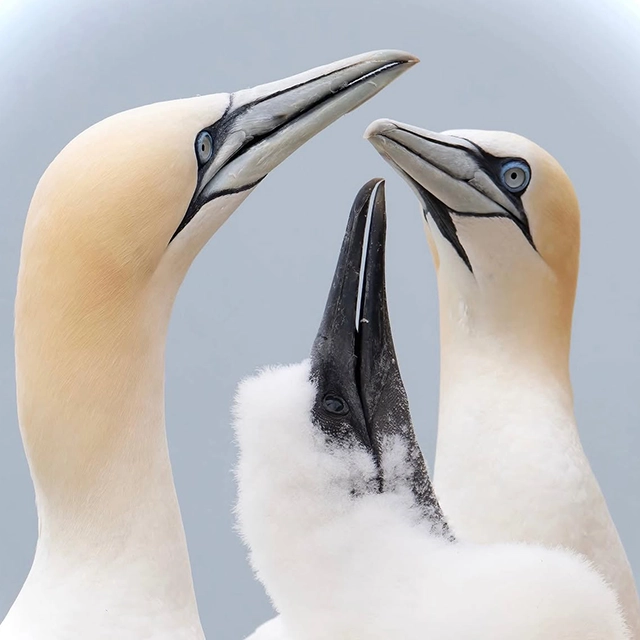
Like so many other wildlife photographs, this one immediately caught my attention. It was published in Digital Camera World, issue 312, October 2026, in the Reader Gallery section. A space intended to give visibility to work submitted by readers, with no distinction between amateurs, emerging photographers, and established professionals. They do not seem particularly interested in any genre or style, only in creativity, provided it finds a technically solid resolution...


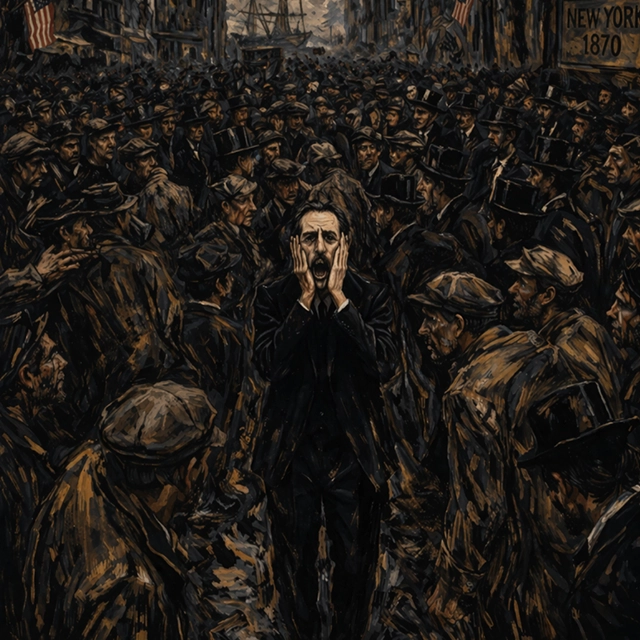
A couple of days ago I was sent a Hypermedia article signed by Jorge Camacho in which he “interprets some little-known phrases by the Cuban writer —referring to José Martí!— with the aim of drawing attention to that dark, invisibilized side of his personality that neither Cuban institutions nor Cuban artists have shown any interest in exploring.”
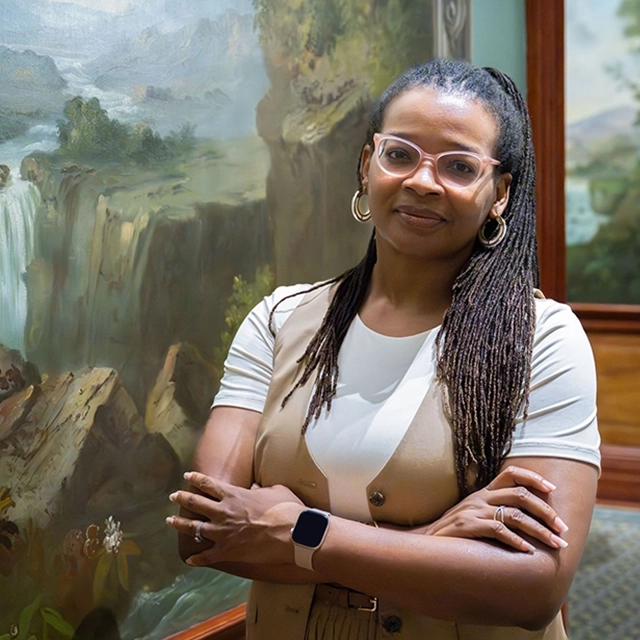
Art historiography in the American Midwest often relies on preservation institutions that consolidate particular versions of the past. This year, the Taft Museum of Art subjects its founding narrative to review through the integration of “domestic” aesthetics into the historical texture that defines it.
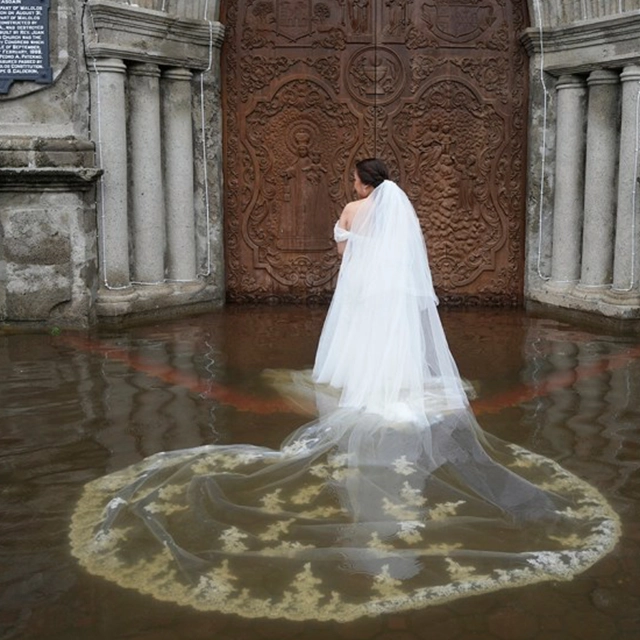
On December 10, I published a text on a photograph that, to my eyes, could stand without difficulty among the best of the year. Not long after, I encountered another article presenting the final selection for the World Press Photo Exhibition 2026. The photograph in question was among them. What remains now is a single doubt. Whether it will ultimately be chosen as Photo of the Year.

On April 26, 1986, I was almost certainly bored out of my mind, sprawled in some corner of my apartment in Havana’s Vedado district. What I remember from those days is fear. A dense, persistent fear. The certainty that I could be swallowed by three years of mandatory military service. I clung to a girl whose face recalled Mariko-san —Yoko Shimada’s, not Anna Sawai’s— and I could not imagine allowing the distance between us...
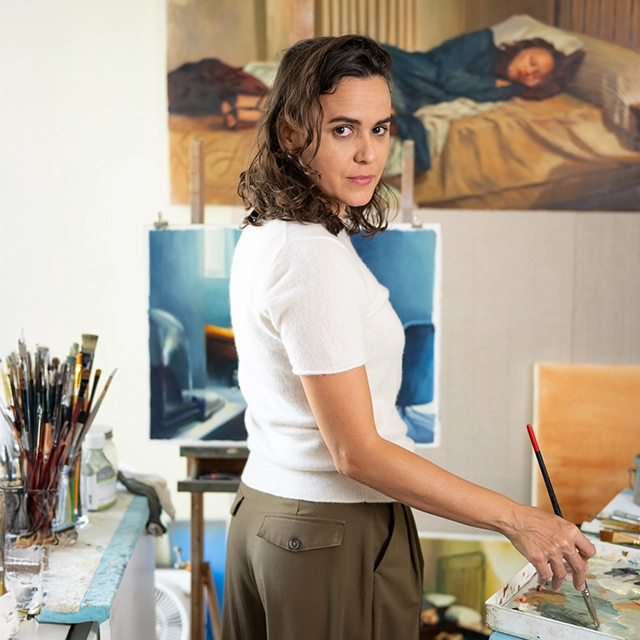
A few weeks ago I met Leticia Sánchez Toledo (Cabaiguán, Cuba, 1985). The friend of a friend who is turning into a friend. We are somewhere inside that passage.
The first time I saw her work was in her living room. Some paintings hung on the walls. Others rested on the floor, leaning against pieces of furniture, as though they had not quite finished deciding where to be...
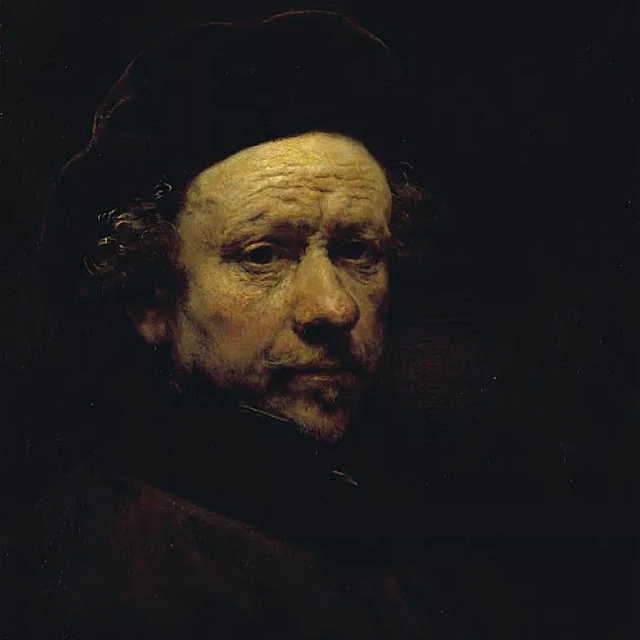
I have yet to visit the exhibition Rembrandt: Masterpieces in Black and White. Prints from the Rembrandt House Museum, which opened on February 7 in the Fifth Third Gallery at the Taft Museum. Almost every day I find myself thinking I should go. Opportunities like this are not common, especially when dealing with a major figure of Dutch art.
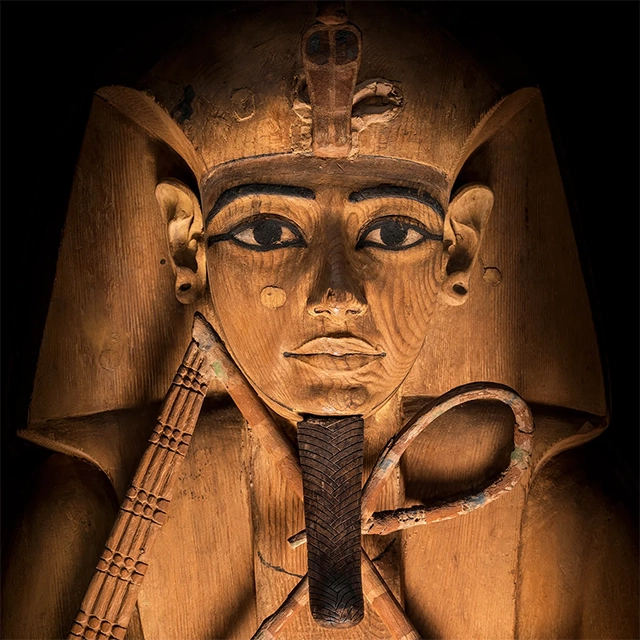
I have a couple of friends named Ramses. I met them in Cuba, and both ended up in Spain. I’m not sure if they are still there, probably. But what continues to strike me is not the trajectory. How is it that I have two friends with the name of a pharaoh? How is this possible?
I tend to think it has to do with Ramses II—the pharaoh who ruled Pi-Ramesses (Nile Delta) between 1279 and 1213 BC. Western civilization had little awareness of his existence until the early seventeenth century.
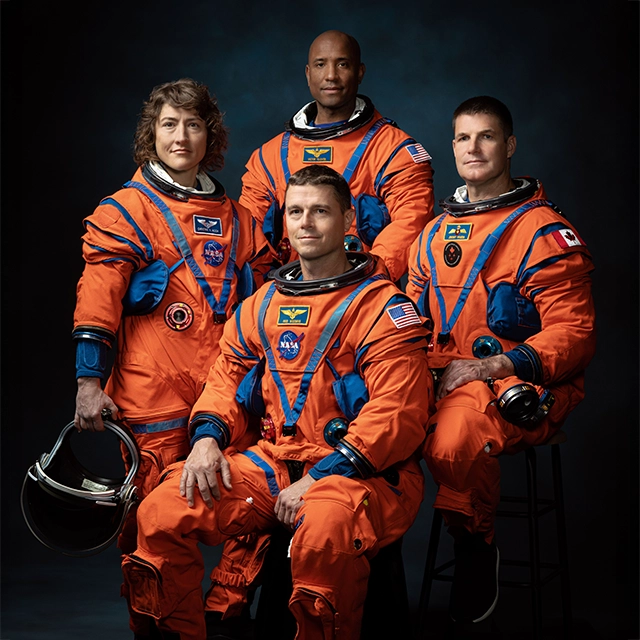
April 10, 2026 marks the long-awaited return to Earth of the astronauts from Artemis II. The mission set out to perform a lunar flyby that reached the Moon’s far side. Reid Wiseman, Christina Koch, Victor Glover, and Jeremy Hansen traveled farther than any human beings in history, a detail irresistible to sensational headlines.
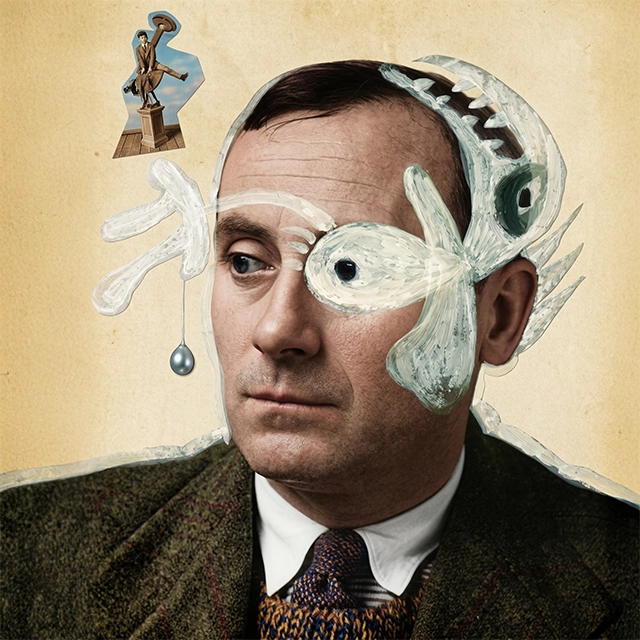
On March 25, we published a commentary on a prize awarded to a retired British schoolteacher for a photograph taken in Southeast Asia during an ordinary vacation.
The image presents the face—deeply etched by the wrinkles wrought by sun and exposure—of an elderly man with a faintly wry expression.

I finally watched Peaky Blinders: The Immortal Man. What stayed with me was not the film. It was the fact that people hate Barry Keoghan’s face, and that Barry Keoghan has begun to listen. He has even said that comments about his appearance on social media make him feel insecure and unsettled. I admit I am somewhat surprised by his fragility—or his “high sensitivity to sensory processing.” He is hardly a nobody. He enjoys fame, and everything money can buy. What it cannot buy belongs to the cost.
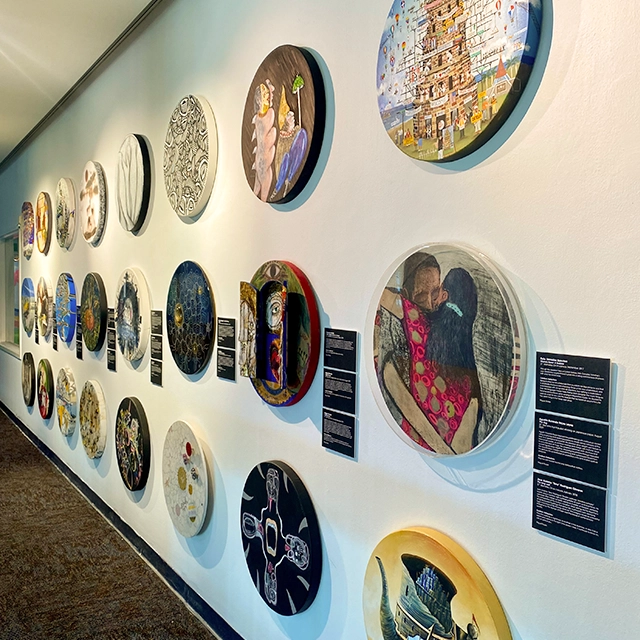
Left to itself, matter organizes into the sphere. With no purpose other than being, it expends upon itself the least possible energy. A sphere contains any volume beneath a minimal surface, reaches maximum stability, and slips beyond the reach of any avoidable or unnecessary disturbance. It is optimal: the celestial bodies that drift and gravitate in the void are all spherical. One only has to look at them.
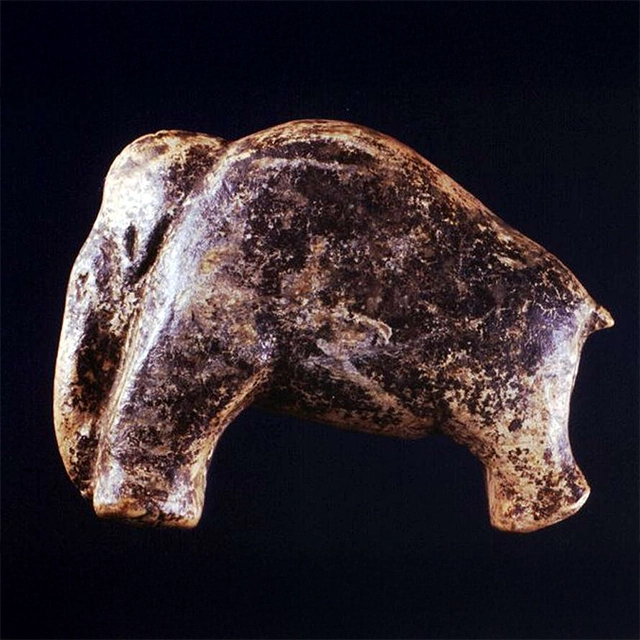
It takes only a glance at my MSN (Microsoft Start) homepage to think that every day someone discovers something that forces us to rewrite the history of humanity. I imagine historians exasperated, stalled again and again on the first page.
One of those stories—always amusing—claims that 'a set of geometric markings engraved between 34,000 and 45,000 years ago on small sculptures and tools is forcing a revision of the history of human communication.'
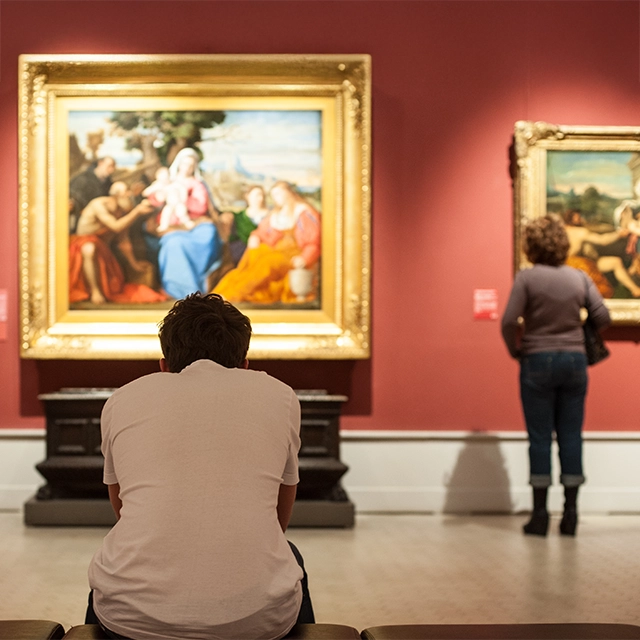
Leafing through the fall issue of Art in America, a brief note caught my attention: the publication’s response to a complaint from an art curator at a prestigious museum, who argued that, however impressive his credentials might appear, his working life was little short of a sentence.
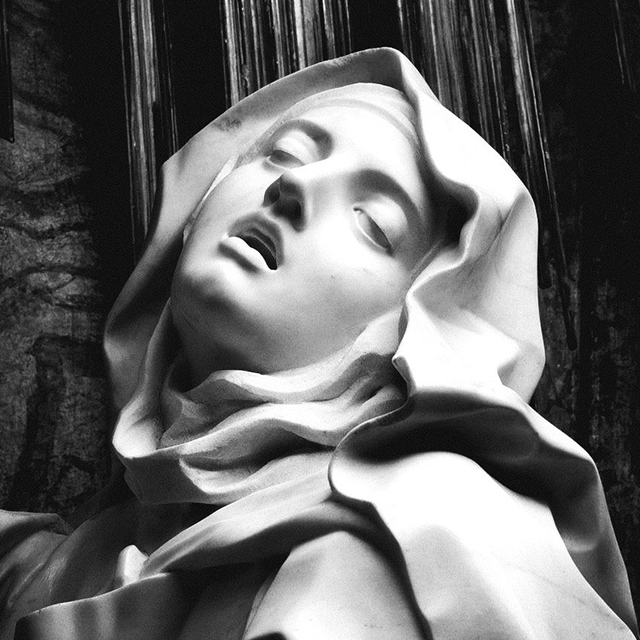
I had the opportunity to read, in the latest issue of The Critic, an article on Sancta, the most recent work by Austrian choreographer and director Florentina Holzinger, one of the most radical figures in the contemporary European scene. It takes as its point of departure Sancta Susanna (1921–22) by Paul Hindemith—already scandalous in its time—and expands it into a hybrid scene somewhere between opera, performance, concert, and a ritual of quasi-satanic affiliation.

When I was researching for my book La acera del sol: impactos de la política cultural socialista en el arte cubano 1961–1981, Professor Adelaida de Juan granted me an interview. We spoke for several hours, and among everything she told me, one remark stood out: for her, the most significant visual production of the 1960s had been neither painting, nor printmaking, nor photography, but graphic design—the posters produced by ICAIC, Casa de las Américas, and the National Council of Culture.


If you’re a regular reader of this blog and enjoy its content, you might consider contributing to its upkeep. Any amount, no matter how small, will be warmly appreciated
Founded in 2021, Echoes (Notes of Visual Narrative) invites everyone to explore together the visual codes that shape our world—art, photography, design, and advertising in dialogue with society.

Copyright © 2026 r10studio.com. All Rights Reserved. Website Powered by r10studio.com
Cincinnati, Ohio