
En Guayaquil, Ecuador, el sol se ocultó a las 6:11 de la tarde del sábado 17 de octubre de 2026. Una hora después, el padre Patricio Alfredo Sánchez Molinari, de 53 años, celebraba una misa vespertina en la iglesia Nuestra Señora del Perpetuo Socorro. Alrededor de las siete, ante un altar flanqueado por flores blancas, se puso los lentes de leer y se dispuso a entablar su habitual diálogo con los fieles.





This photograph set off my alarms at once. Not to the degree of a contemporary First World mother, of course, though enough for me to notice. Whenever I took Yoko—my dog—for a walk, I watched to make sure she never put anything in her mouth. Nothing. So I share, in moderation, the collective hysteria that has turned hygiene into a cult of asepsis.
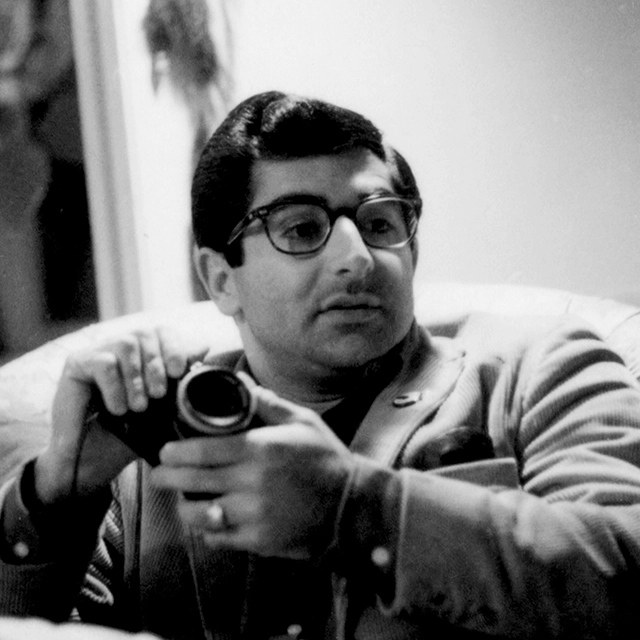
Among the most rewarding things about running an art gallery is the chance to meet extraordinary artists. In the past two months, for instance, I encountered for the first time the work of two important American photographers who share a great deal, Matt Herron and Jim Marshall.
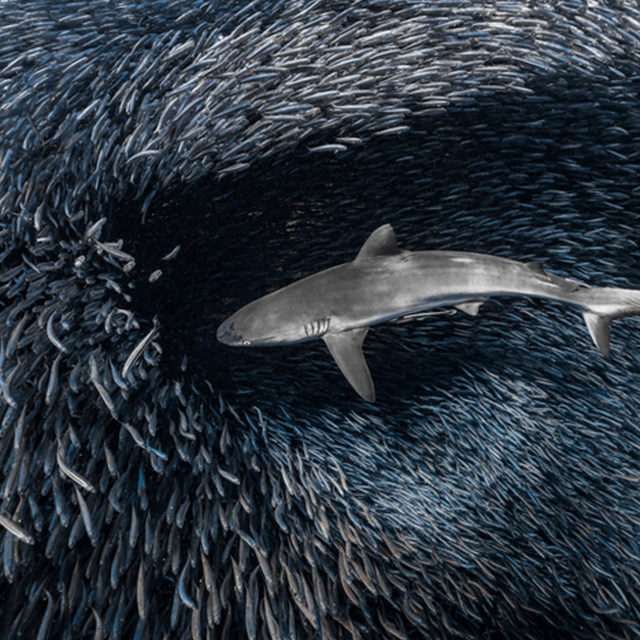
On June 21st we discussed a beautiful photograph, winner of the Grand Prize in the 2026 edition of the Environmental Photography Award, organized by the Prince Albert II of Monaco Foundation. Every time one of these images triumphs, I ask myself which ones fell short. Which failed to stand out, which came so close to unseating it. Here are the ones that came closest.
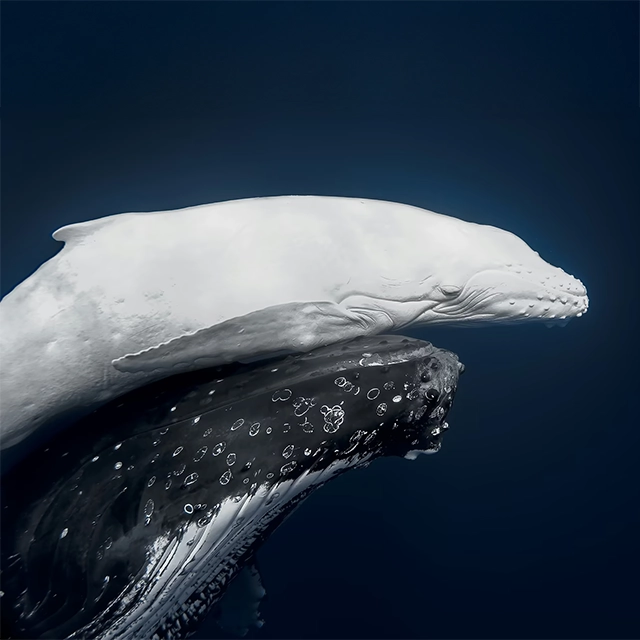
A few days ago, I wrote about the photograph that received first prize in the Nature Careers Working Scientist Photo Competition. The competition is intended for researchers, students, and people working in science. They were asked to stake everything on a single horse: one photograph of their own work. In the laboratory, in the field, among instruments and samples, on an expedition, within the sometimes precarious intimacy of a research team at work.
The winning photograph of the 2026 Environmental Photography Award shows a green sea turtle (Chelonia mydas) swimming underwater, enveloped in an unusual glow.
At first glance, the image presents itself under the sign of an almost hypnotic serenity: a spectral, totemic turtle rises within an indistinct yet vaguely familiar field. We notice, with a pale flicker of surprise, the imprint of a human hand inscribed upon its shell...
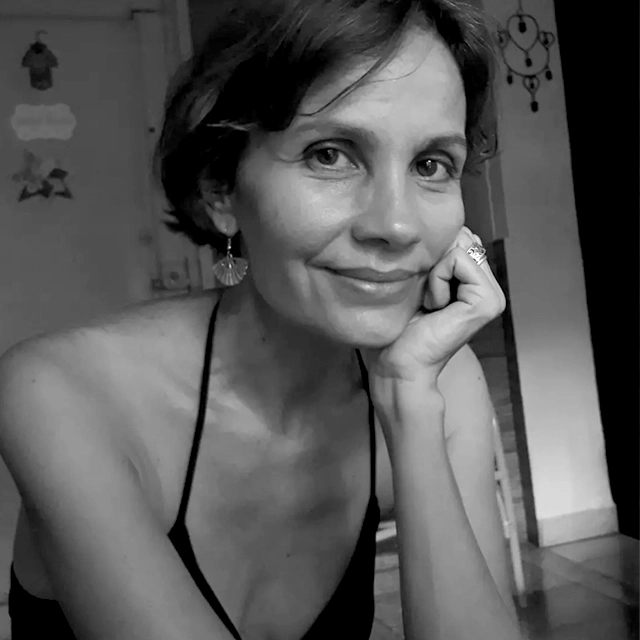
In Book XXXV of his Natural History —Naturalis Historiae libri XXXVII— Pliny the Elder, while addressing the origins of modelling in clay, recounts the story of Butades, a potter from Corinth. Western scholarship places this account around the sixth century BCE. Butades had a daughter who loved, with uncommon intensity, a young man suddenly compelled to leave on a journey...
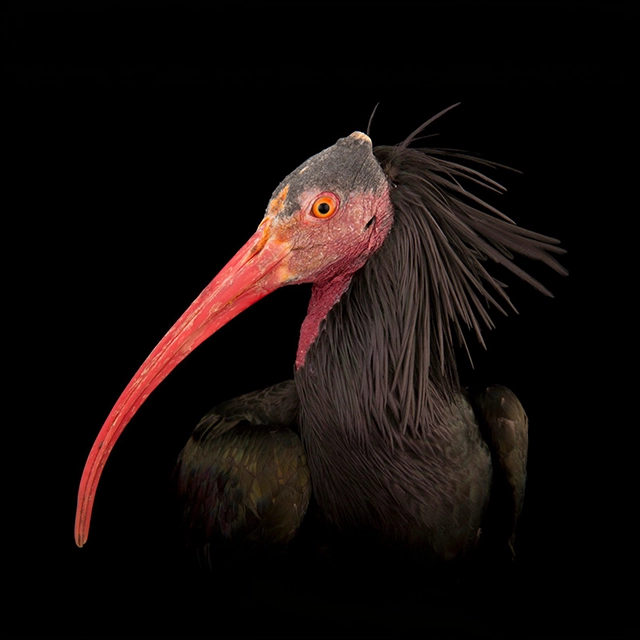
The hermit ibis (Geronticus eremita) is also known in Spanish as the northern bald ibis. Its scientific name points directly to the sparse, widely scattered feathers that protrude from its bald head and give it a lamentable appearance. This formal decrepitude can inspire a kind of compassionate affection, especially when the creature also has the face of an idiot, round eyes, and a stunned expression.
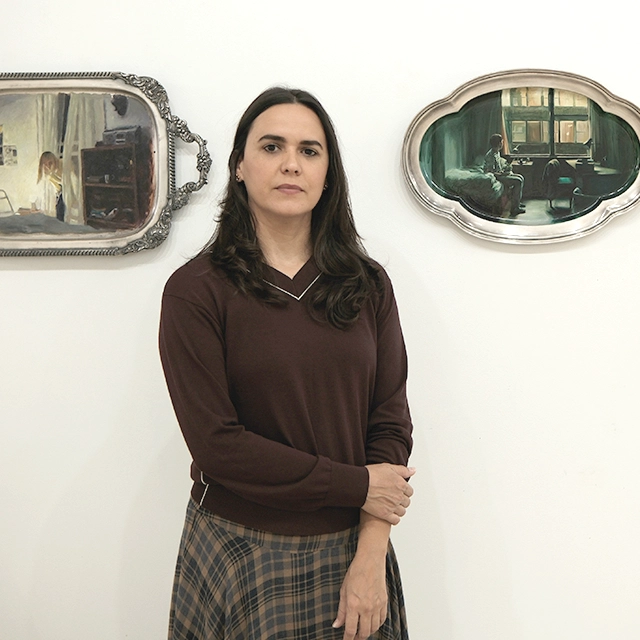
Two of the works from Leticia Sánchez Toledo’s recently closed exhibition at Annex Gallery will remain in Cincinnati. Offering an additional reading is hardly gratuitous, especially one that places them, for the local audience, within a more precise context. Works produced by emigrants seldom rest on purely aesthetic assumptions.
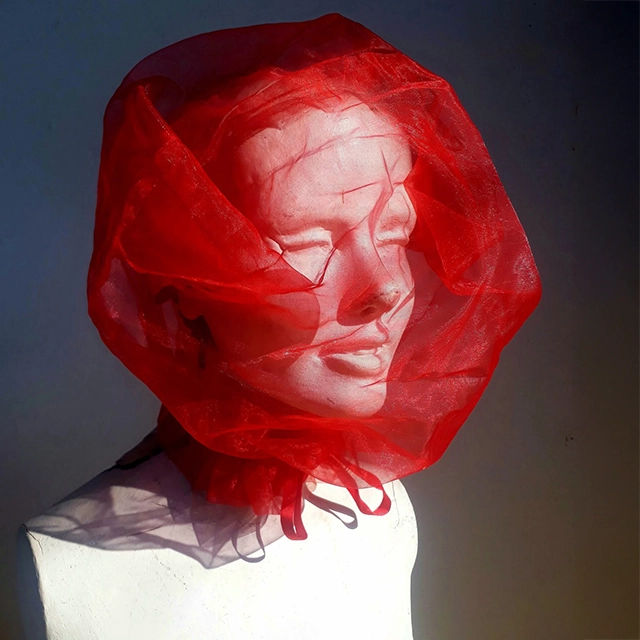
Although I am an avowed admirer of her solo work and have known her for nearly twenty-five years, I do not remember ever having spoken in person with Liudmila Velasco. About her work, about the weather, about how unbearable this or that artist can become. When I left the island, Liudmila was already practically an institution within Cuban women’s photography...
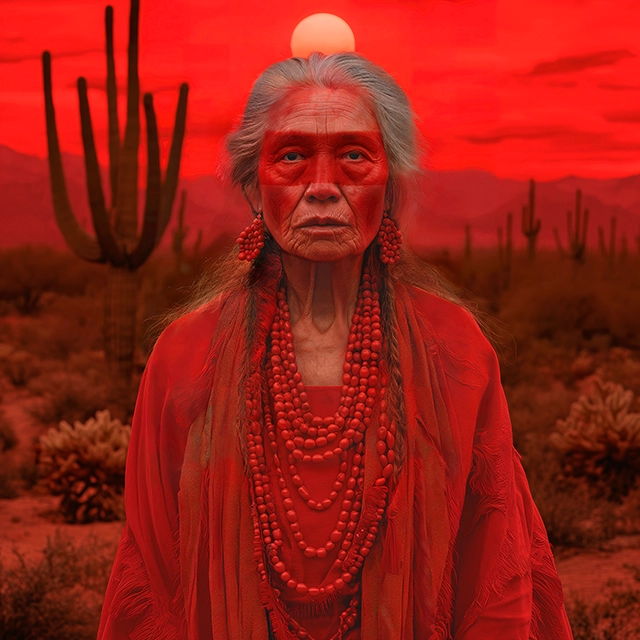
When we first came across Tim Harrier’s Shaman Spirit Guides, we dismissed them without mercy as the product of artificial intelligence. The mud-covered faces, the animals emerging from the background, and an unbroken frontal force produced, almost at once, a malignant suspicion. Suspicion ran far ahead of the work. And we are right to suspect almost everything in life. This series, no...
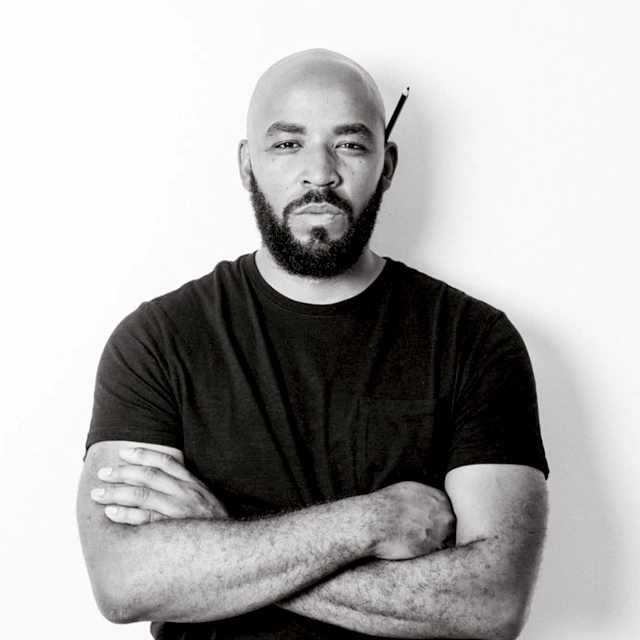
There is a book. Before the exhibition, before the charcoal drawings spread across the galleries of the Contemporary Arts Center, before the viewer crosses the blue thresholds into the dreamworld of Freeman Little...
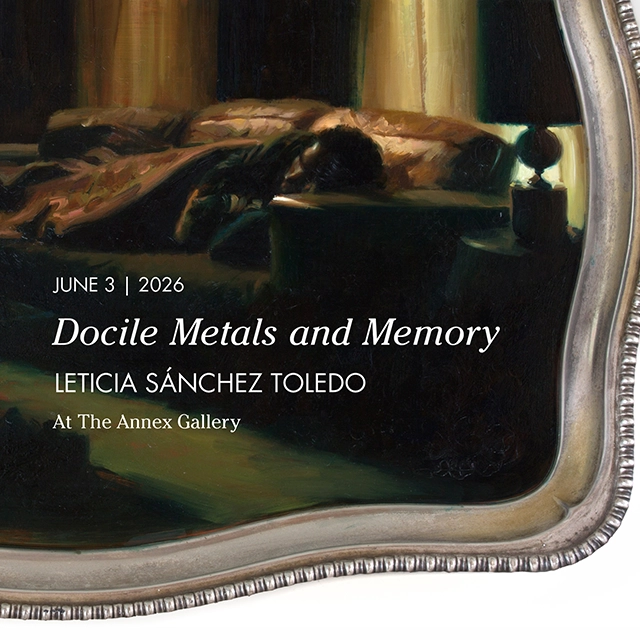
On June 3, Leticia Sánchez Toledo opens Docile Metals and Memory at The Annex Gallery, a series that delves into the material and affective memory of objects. The pieces were conceived from metal trays unearthed on Facebook Marketplace, at Sunday flea markets, and in secondhand venues. They are objects few still wish to keep in their original state — easy to come by, hard to maintain, awkward to place...
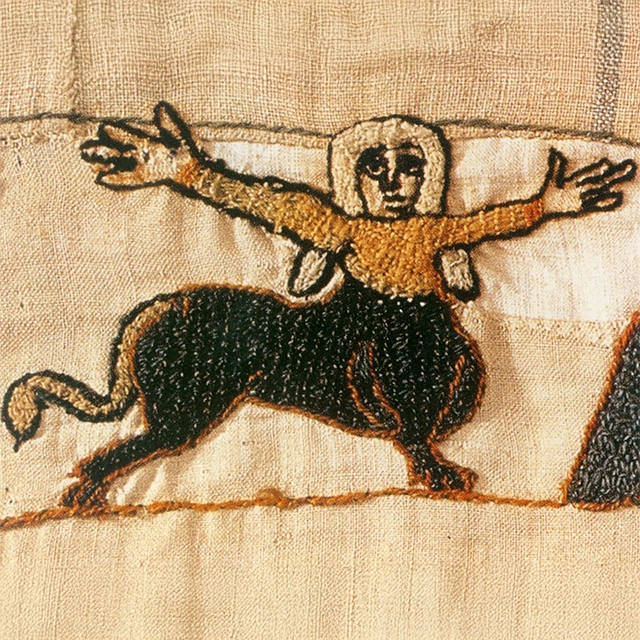
A few months ago I wondered in these pages what Macron was getting out of lending the Bayeux Tapestry to the English. Forty thousand French citizens signed a petition to block it, citing textile fragility and, I suspect, a touch of cross-Channel rancour as well. The other question remained: what would the British Museum get out of it.
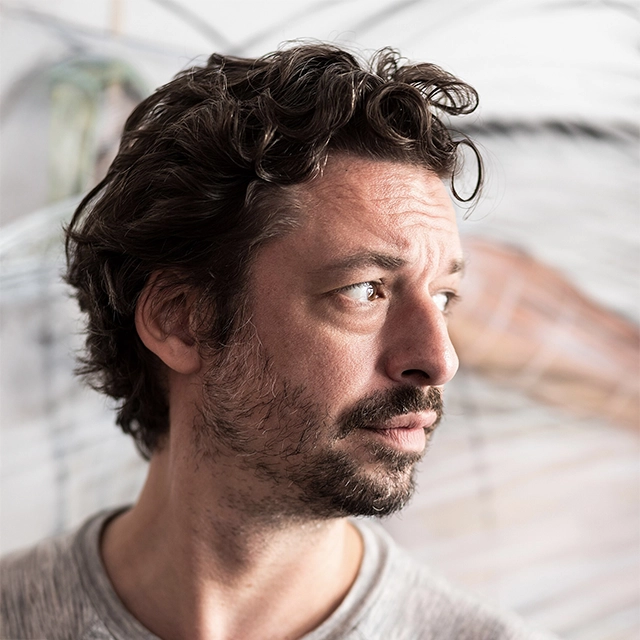
Now and again, chance weaves a concurrence of circumstances that places us before a window opening onto the past. The opportunity to converse, undistracted, with the Austrian artist Stylianos Schicho was a privilege, since what most interests me in art are the sinews that bind it to whoever produces it.
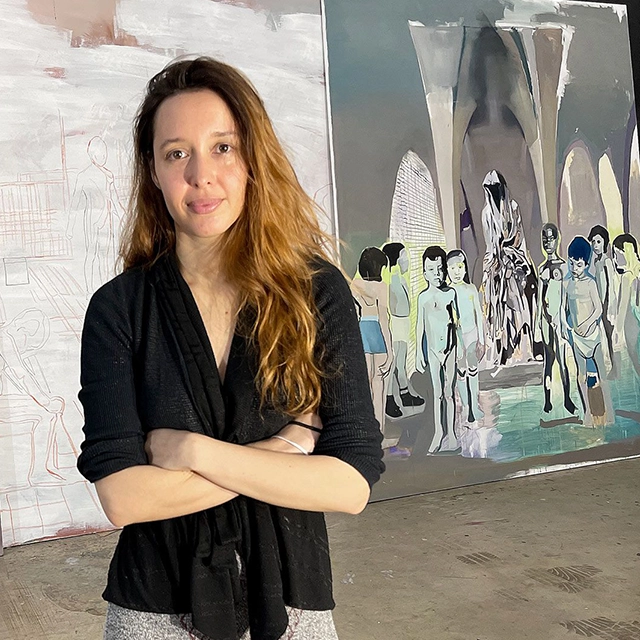
As a worthy walk-on, more than once I have stood inside a still life: the living scene of a dead nature staged with everyday objects. Between Morandi and Chirico — take your pick of Giorgios — lit by the fierce Miami sun or beneath the drizzle of a summer afternoon, I have slipped into the heart of the anomaly, into the "temple of otherness."


If you’re a regular reader of this blog and enjoy its content, you might consider contributing to its upkeep. Any amount, no matter how small, will be warmly appreciated
Founded in 2021, Echoes (Notes of Visual Narrative) invites everyone to explore together the visual codes that shape our world—art, photography, design, and advertising in dialogue with society.

Copyright © 2026 r10studio.com. All Rights Reserved. Website Powered by r10studio.com
Cincinnati, Ohio