
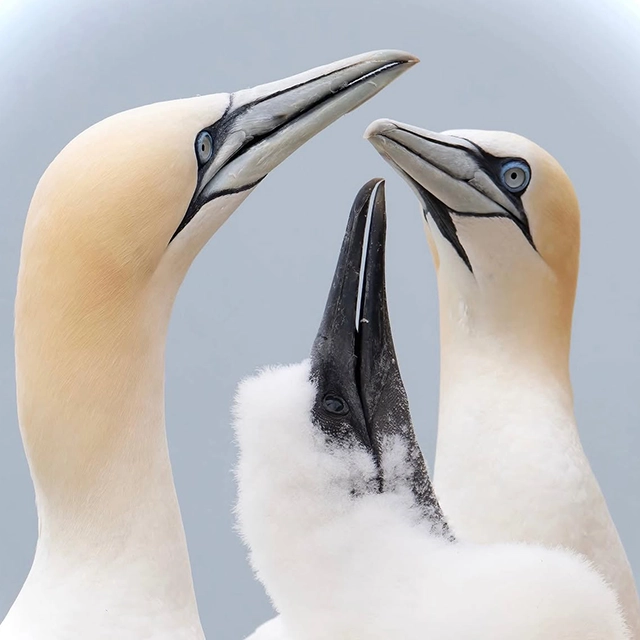
Like so many other wildlife photographs, this one immediately caught my attention. It was published in Digital Camera World, issue 312, October 2026, in the Reader Gallery section. A space intended to give visibility to work submitted by readers, with no distinction between amateurs, emerging photographers, and established professionals. They do not seem particularly interested in any genre or style, only in creativity, provided it finds a technically solid resolution...


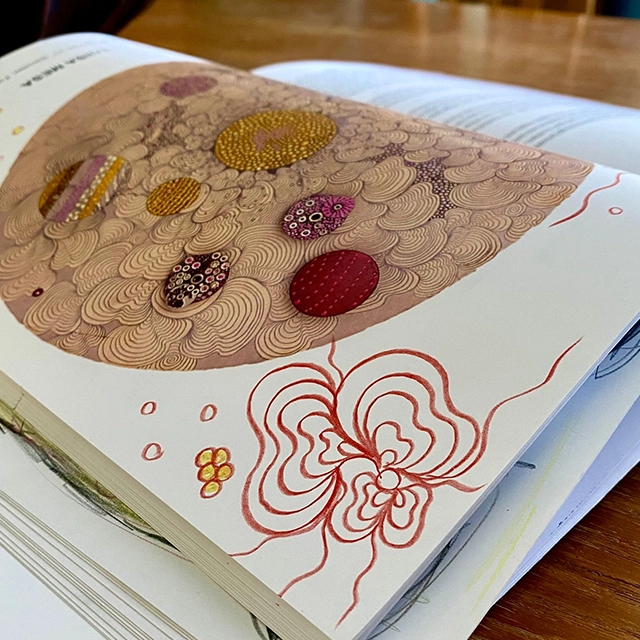
The Pattern & Decoration (P&D) movement, once dismissed for its embrace of "decorative" arts, is now celebrated for challenging traditional art hierarchies. Explore its legacy and modern-day echoes in Cincinnati, where creative hubs like the Freeport Row Art Alley are contributing to a thriving art scene, with a mural by Esteban Leyva at Liberty and Elm streets.
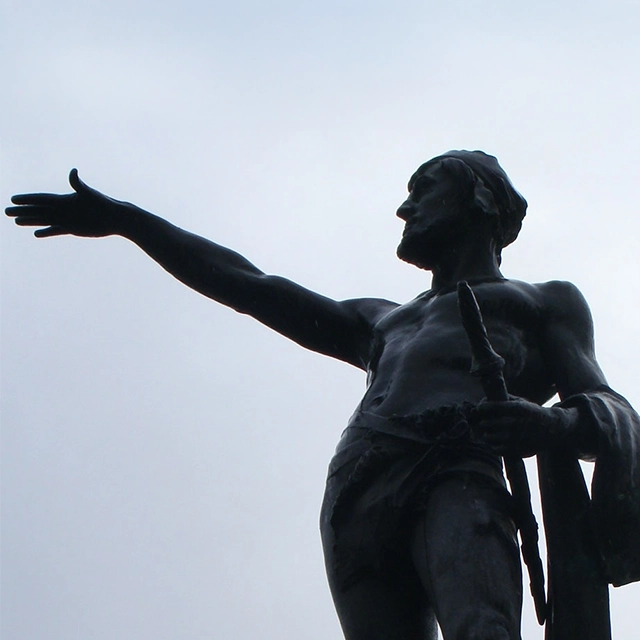
For a very long time, the overhandled story of Numantia has occupied a central place in the repertoire of national political rhetoric. It is cited in such a reduced, schematic way that it borders on the grotesque. The citadel stood on a hill slightly over one kilometer above sea level. At its foot lies today the village of Garray, barely sixty meters lower—modern, pragmatic.

In Sapiens (From Animals into Gods: A Brief History of Humankind), the Israeli historian Yuval Noah Harari advances a disturbing yet lucid idea about the function of empires in history: imperial systems are neither pure evil nor pure progress. They conquer, repress, dominate, and exploit—but they also weave global networks: routes, rules, currencies, lingua francas, infrastructure, commercial circuits, the circulation of technologies and ideas, culture, art, and knowledge.
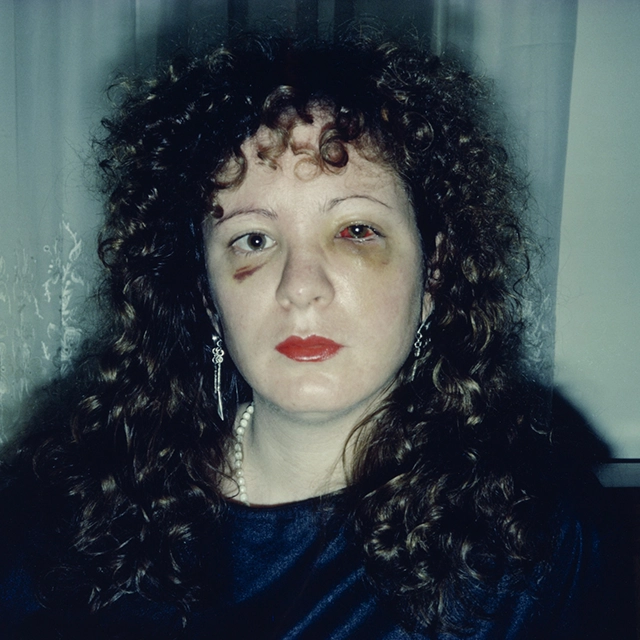
Forty years ago, the American photographer Nan Goldin published what is now widely regarded as one of the most influential photobooks in contemporary art. That is the view of Jacqui Palumbo—journalist, editor, and producer specializing in art and culture—who covered this event for CNN. Titled The Ballad of Sexual Dependency, the book documents Goldin’s life in New York City’s East Village throughout the 1970s and 1980s, with forays into Chicago, London, and Mexico City.
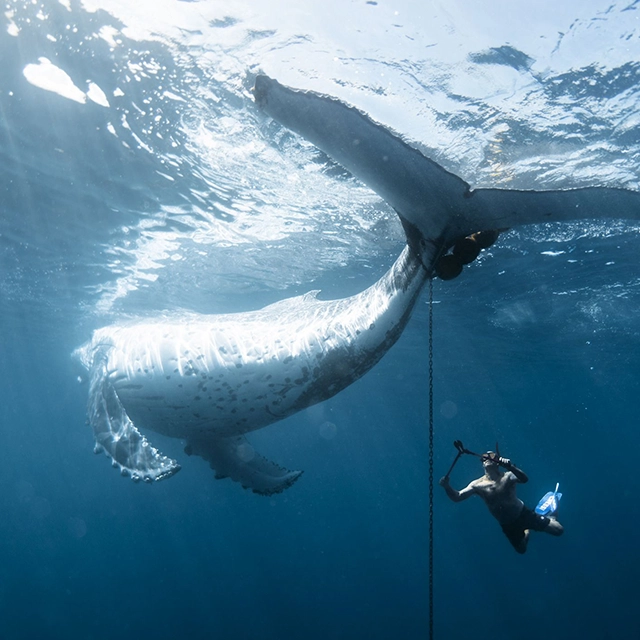
The latest issue of Australian Science Illustrated—issue 121, February—brings a great deal of interesting material. It is not a journal as serious as Science; it is, rather, a popular-science magazine. It seems aimed at a broad, family readership. Still, its articles are intelligent and very well written. It publishes features on science in general and technology, with a clear preference for content on outer space, medicine, archaeology, and nature.
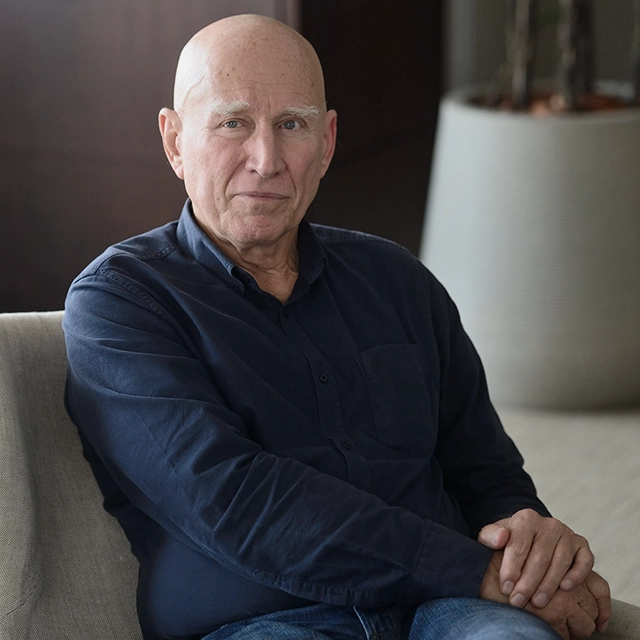
Salgado is indispensable to twentieth-century photography. His unmistakable images of vast crowds working—fighting to survive the world’s violence—remain permanently fresh in the memory of those of us who love the medium. So do his extraordinary photographs of the attempted assassination of Ronald Reagan, along with the work he produced while covering the conflicts in Rwanda and the Balkans, among many others...

We have previously discussed how a photograph — or an image — can rearticulate the public perception of reality. How it can encapsulate experience, much like a verb does, rendering it transferable, exposable, and legible in a specific way.
Any story is a continuum, difficult to apprehend in its full extension and multidimensionality...
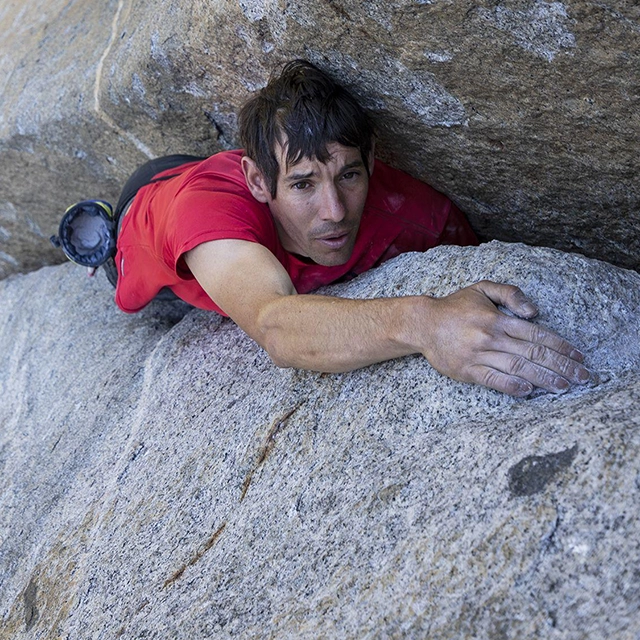
Watching the American Alex Honnold perched on the skyscraper tower in Taipei—508 meters high—immediately carried me to the image of King Kong. With one difference: the latter has an intellectual author, the filmmaker Merian C. Cooper, who directed the original 1933 film alongside Ernest B. Schoedsack for RKO Radio Pictures...
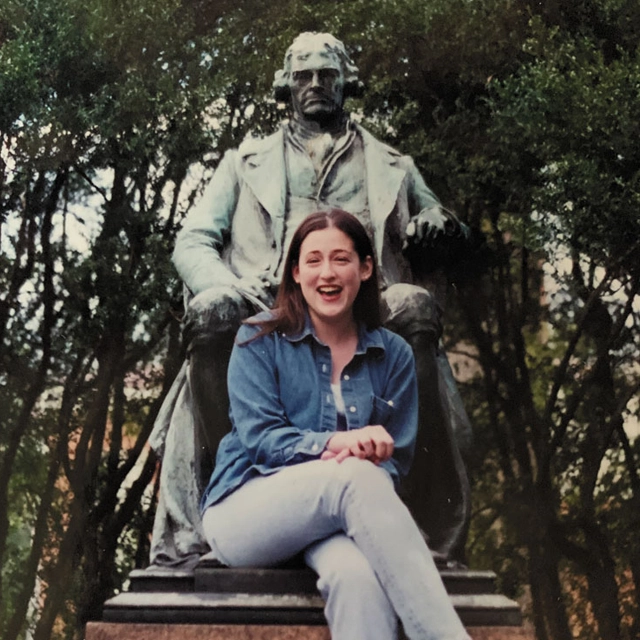
The Clark Art Institute is widely regarded as one of the most prestigious cultural institutions in the United States. Located in Williamstown, Massachusetts, it has been devoted to the study and exhibition of art since 1955. The Institute uniquely combines a museum of the highest caliber with a leading research center—the Research and Academic Program—positioning it as an international point of reference for art historians, curators, and scholars...
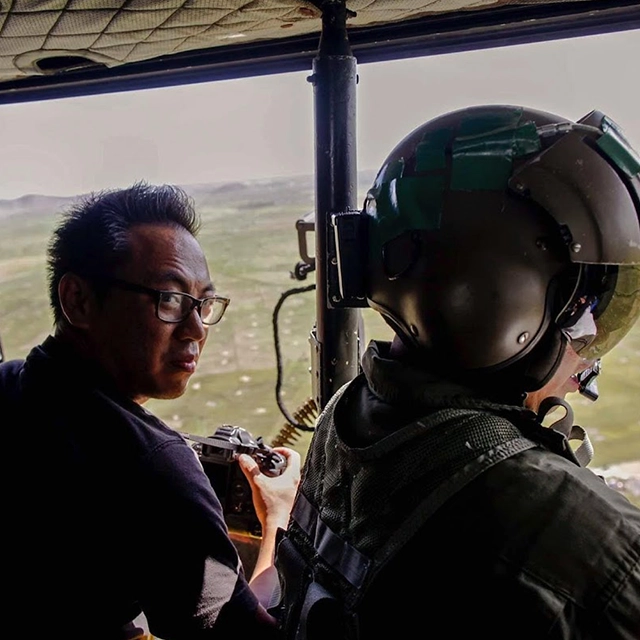
Edgar Su won the top prize at the World Sports Photography Awards 2026 with this photograph of Carlos Alcaraz in full action. Amateur Photographer, in its January 27, 2026 issue, reports the award and reproduces the image.
The photograph is titled Carlos’ Shadow Hits a Ball and was taken during an actual match. One could easily swear it was shot in a studio, so precise is it that it unsettles.
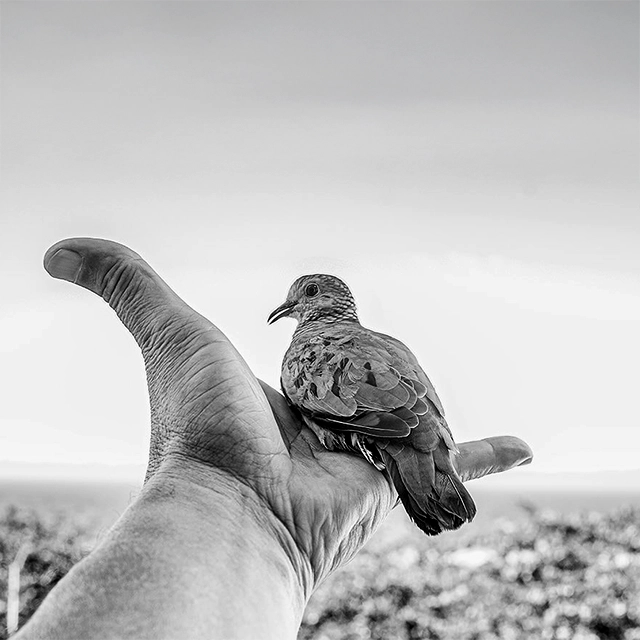
In his dialogue with reality—understood as an expansive living nature, and therefore never still before the artist’s pretensions—Pedro Abascal, who requires the road as much as the camera for his vital labor, has come to discover the possibility of drawing through the lens.
When I was a child, we lived in Santa Isabel, one of my grandfather’s farms. We were surrounded by trees, animals, and ravines. At that time, I did not know how to measure distance in kilometers...
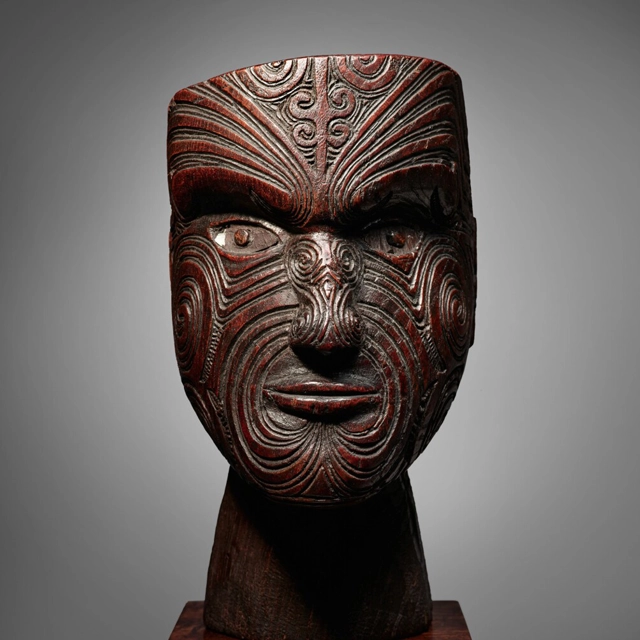
It is generally understood that national museums ought to be the natural custodians of their cultural memory.
Spaces where the history of national art is presented in an ordered and intelligible form. Where foundational images can still be contemplated. Yet, primarily for reasons of funding, an increasing number of state institutions...

Perhaps since the beginning of time, yet within the landscape of contemporary visual culture, polemic, interpellation, and reply operate as devices of symbolic production that act directly upon the processes of meaning and the circulation of images. These controversies, or provocations—beyond merely situating themselves within a context that already shapes the imago—become structuring agents that reconfigure spaces of reading...
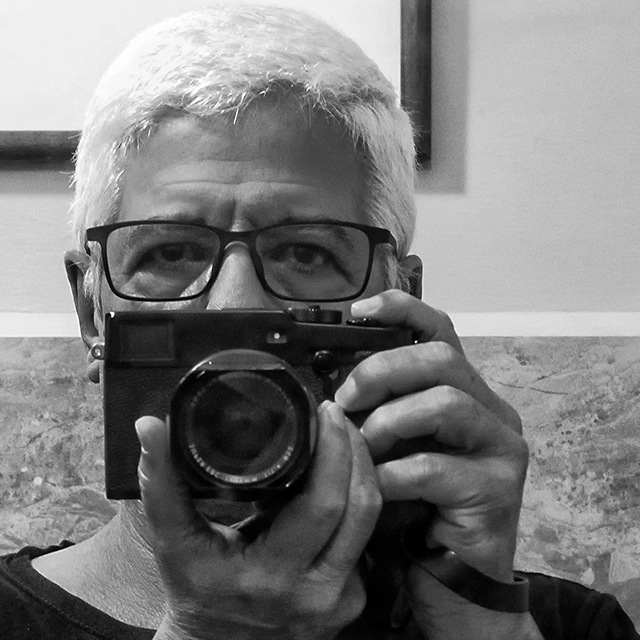
There are cities that return the gaze: they do not yield docilely to the frame, but rather address those who contemplate them. They demand a way of seeing that does not reduce, that does not foreclose. Havana, in this Dossier conceived by the Cuban photographer Pedro Abascal, appears as an entity that observes, folds, and tenses; it refuses to become a mere stage or backdrop.
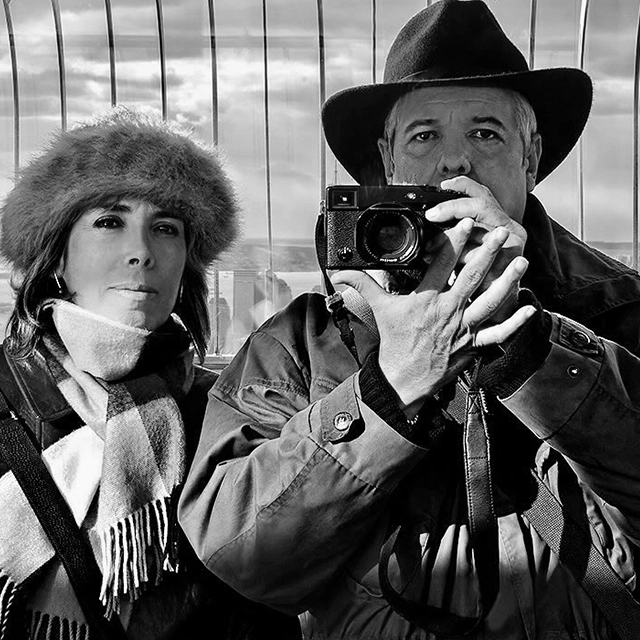
I have known Pedro since 2004, perhaps even earlier, from the time I began attending the exhibitions held in the dozens of galleries and institutions of Old Havana. I do not remember how we became friends; it seems we were so before we had properly met. Pedro is one of the great Cuban photographers of the past decades. Some of his photographs would make Cartier-Bresson raise an eyebrow.


If you’re a regular reader of this blog and enjoy its content, you might consider contributing to its upkeep. Any amount, no matter how small, will be warmly appreciated
Founded in 2021, Echoes (Notes of Visual Narrative) invites everyone to explore together the visual codes that shape our world—art, photography, design, and advertising in dialogue with society.

Copyright © 2026 r10studio.com. All Rights Reserved. Website Powered by r10studio.com
Cincinnati, Ohio