
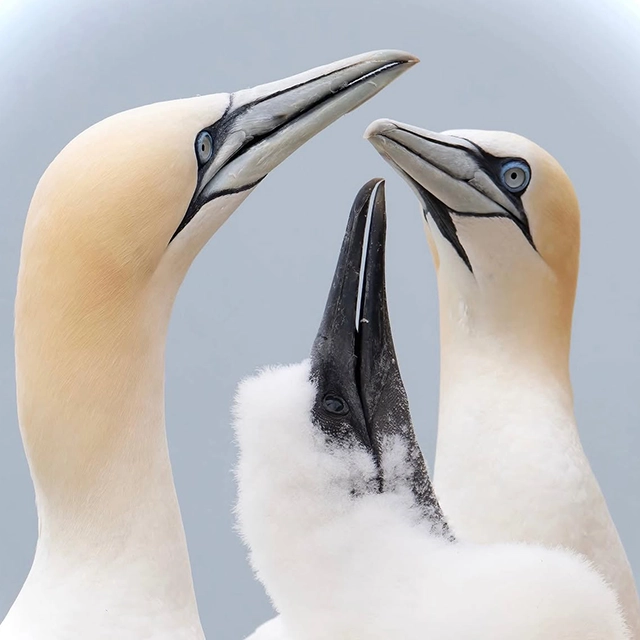
Like so many other wildlife photographs, this one immediately caught my attention. It was published in Digital Camera World, issue 312, October 2026, in the Reader Gallery section. A space intended to give visibility to work submitted by readers, with no distinction between amateurs, emerging photographers, and established professionals. They do not seem particularly interested in any genre or style, only in creativity, provided it finds a technically solid resolution...


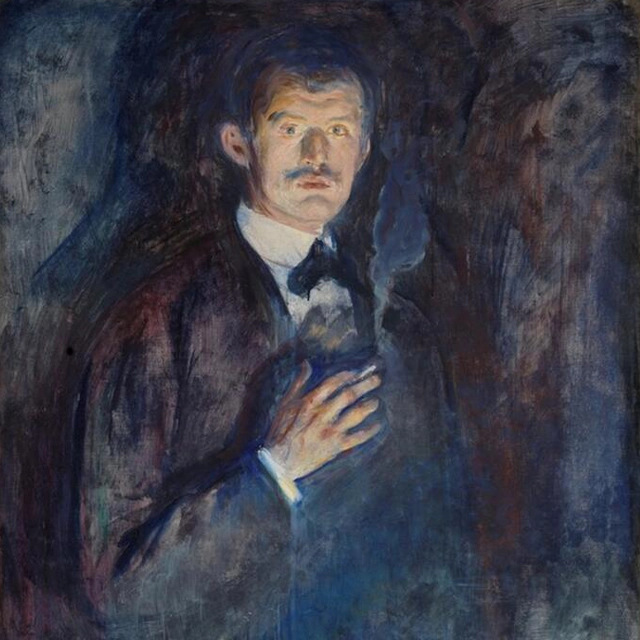
Edvard Munch was one of the most finely tuned loudspeakers of his time’s spirit—the Zeitgeist. Dostoyevsky had been one before him, and Kafka would be another later on. He belonged to that rare class of human beings God seems to have assembled in haste—leaving the skull half-finished, the sutures open, the nerves exposed—those daemons of History chosen to transmit its message to humanity.
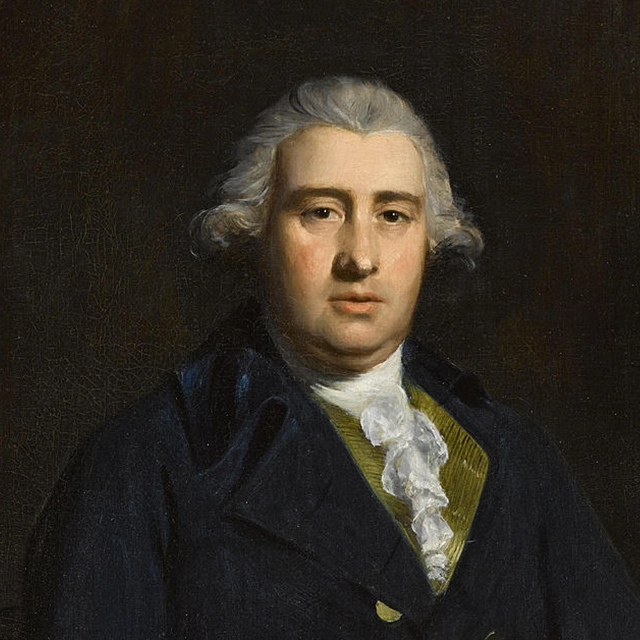
Richard Hoare presents Edge of Light | Journeys Across a Frontier at Messum’s (London). From 7 to 30 January 2026, Messum’s (David Messum Fine Art) brings together a selection of recent works by the British painter, conceived along the Atlantic edge. The gallery frames this territory as a threshold: a place where sea and horizon blur, and light seems to force its way through skies that are dense, unstable, and perpetually in flux.
Netflix aired the final episode of Stranger Things on December 31, 2025. It coincided with the closing of an unusual and demoralizing year. A masterstroke. We will remember forever the day the Upside Down arc was sealed, Vecna definitively defeated, and Eleven’s story brought to a close—at every level: her power, and her life in the physical realm...
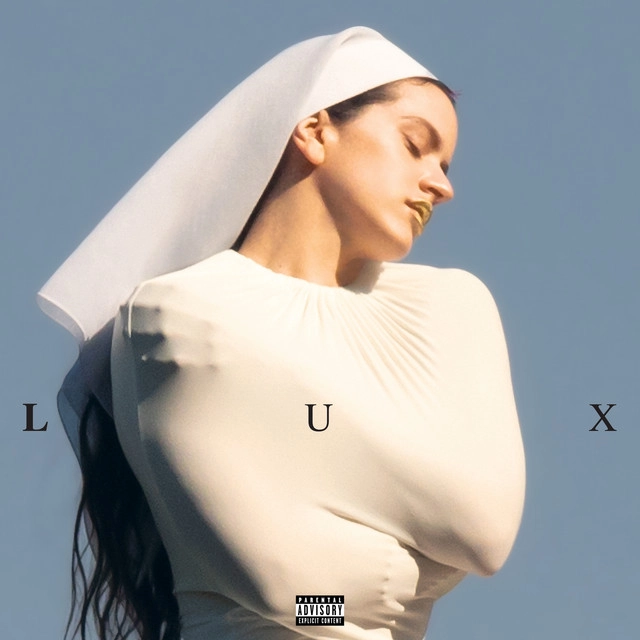
R10 has invited me to collaborate on his project. I understood that, in order to be attuned to the spirit of this community—eager to find a certain pleasure seasoned with a Creole inflection—one had to think carefully when choosing the subject, and also when attempting to share observations that would neither sound grandiloquent, taste of formula, nor resemble verdicts issued by juries...
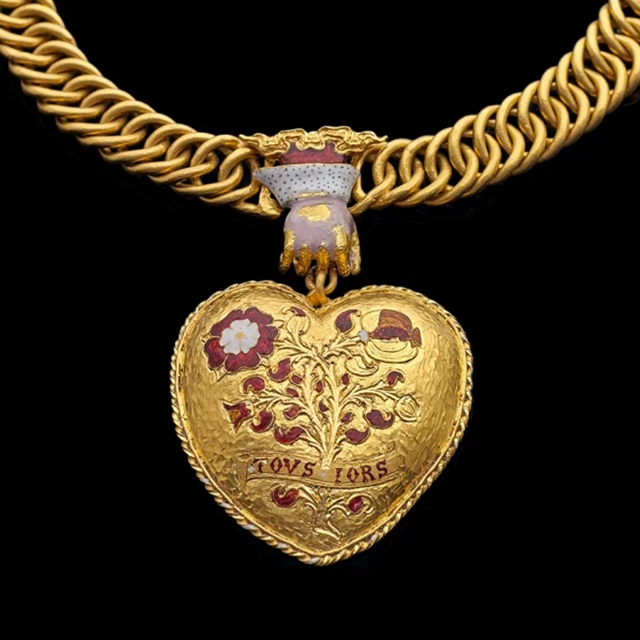
The British Museum has launched a campaign to secure the Tudor Heart, an ostentatious gold pendant linked to Henry VIII and Catherine of Aragon. Its aim is to prevent the object from falling into private hands and vanishing from public view.
Discovered in Warwickshire in 2019 by a metal-detecting enthusiast, the piece was automatically placed under the provisions of the Treasure Act of 1996...

It is cold in Harbin, a city located in China’s northeastern reaches. It is the capital of Heilongjiang Province, on the banks of the Songhua River. Winters here are long and severe. Nearly three quarters of its territory borders the far—and frozen—Russian Far East.
One of the qualities I most admire in the Chinese people is their practical intelligence. They perform small miracles with whatever lies at hand...

My interest in Asia does not arise from fascination, but from the recognition of a cultural sediment that resists superficial readings. China and Japan have been fundamental references in this process, both in the realm of visual arts and in that of symbolic management. Their literature and philosophy have not lost their capacity to converse with contemporaneity—not as untouchable corpora, but as tools for living thought...
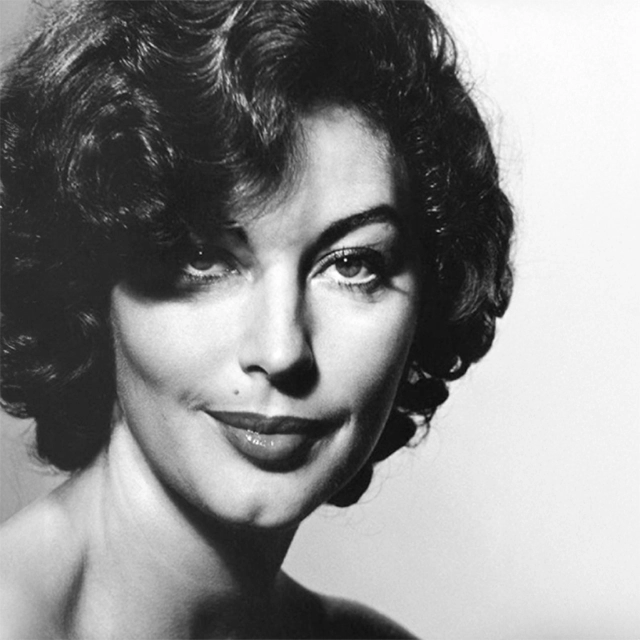
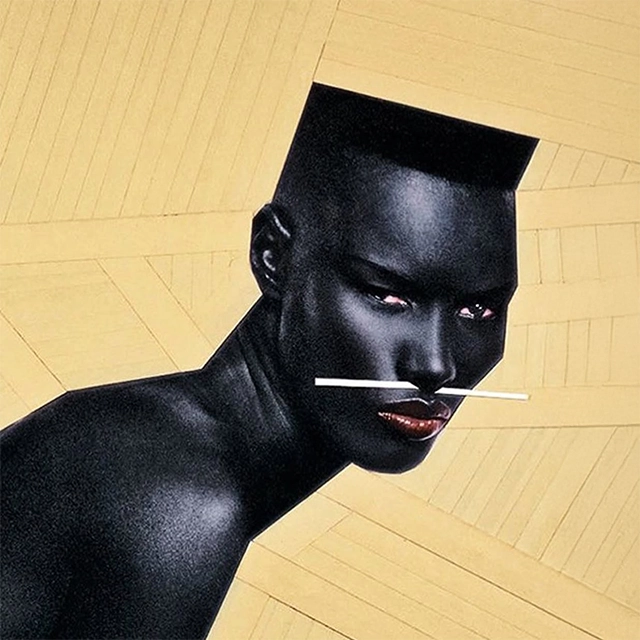
In the field of iconicity—where universal icons gravitate—there are two figures who seduce me in a particular way. Because of their similarities and, above all, because of their irreconcilable differences: Marilyn Monroe and Ava Gardner. Both carry a weight so powerful, so comparable, that they keep the scale in perfect balance.
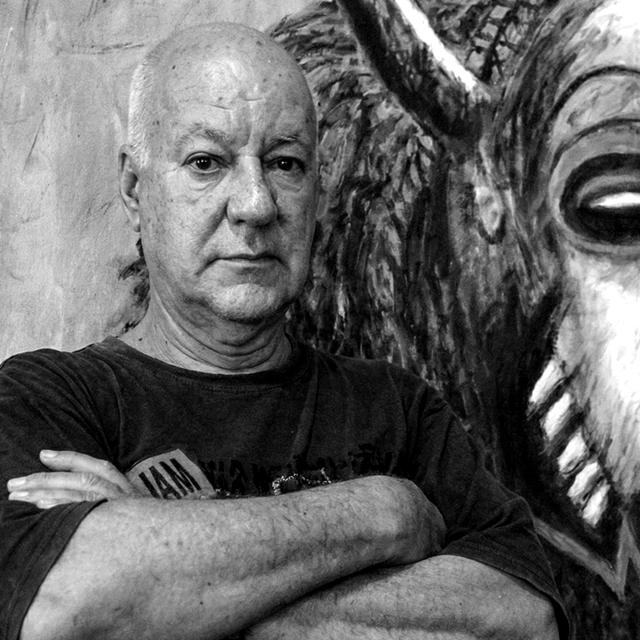
Over the past few days, we at The Annex Gallery have received the first copies of Rafael Zarza. Toda la corrida artística (The Full Artistic Bullfight). The essay was written by Hamlet Fernández Díaz, a faculty member of UNIPAM’s Graduate Program in Education. He holds a Doctor of Science in Art and a postdoctoral degree in Education, and he currently works as a professor, researcher, and art critic. His name is widely recognized across the Spanish American cultural ecosystem...
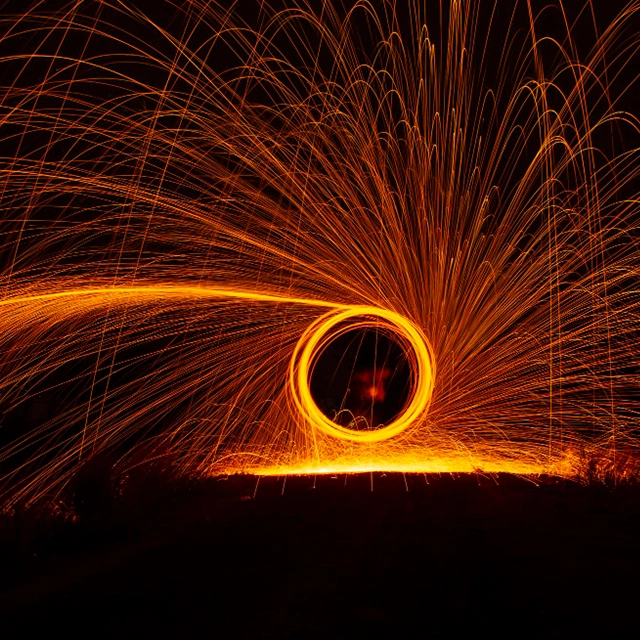
Why share an image that, from an aesthetic standpoint, I find unpleasant? Of all possible complementary color pairings, this is probably the only one I would never use in a design or in a work of artistic intent. Together—yellow-gold and cold violet—they vibrate in an unbearable way, imposing a visual rhetoric saturated with meaning. Perhaps because, over centuries, they have been associated with institutions now perceived as decadent, with a solemnity that fails to justify itself.
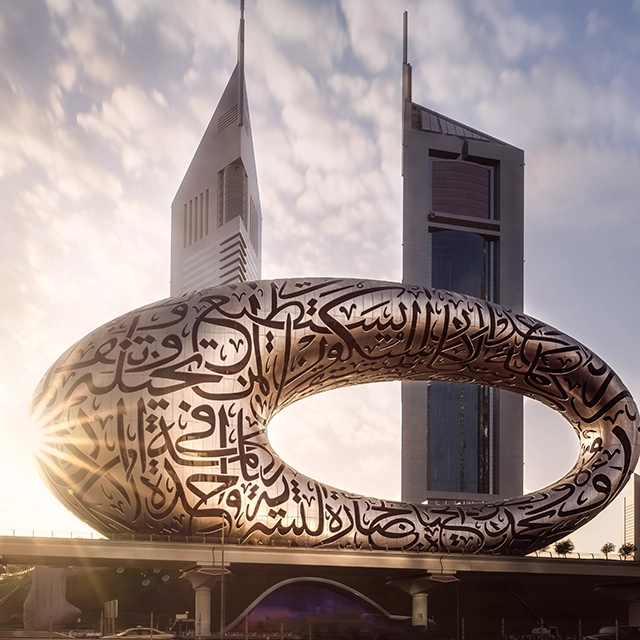
It is not the same to watch a cyclone from the window of your house as from an orbital station. They are two entirely different spectacles. When I was a child, it filled me with tremendous excitement. I had eyes only for its ravaging gusts. I did not notice my father sweating as he nailed boards over the windows. That is the distortion produced by perspective. From the distance established by innocence, catastrophe becomes nothing more than a majestic spectacle.

For professional reasons—and for many others—I tend to download and archive magazines devoted to specialized subjects. Among them, a very considerable number are dedicated to photography. The regular ones—that is, those almost always available—number around thirty-five. I suspect that most of them are sponsored by major manufacturers of professional and semi-professional cameras.
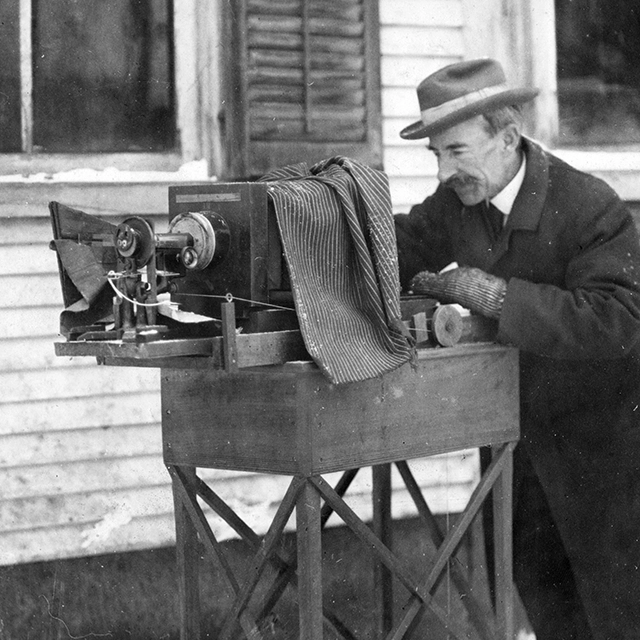
It is 18 degrees in Cincinnati right now—remarkably close to the record high for a December 26: 20 degrees Celsius, registered in 2016. No snow. It would be tempting to invoke climate change if I were looking for a quarrel, but I’ve just come off several days of snow. I lack serious arguments to do so. Snow is beautiful, as are snow-covered landscapes—especially when the sun is out and the air stands still.
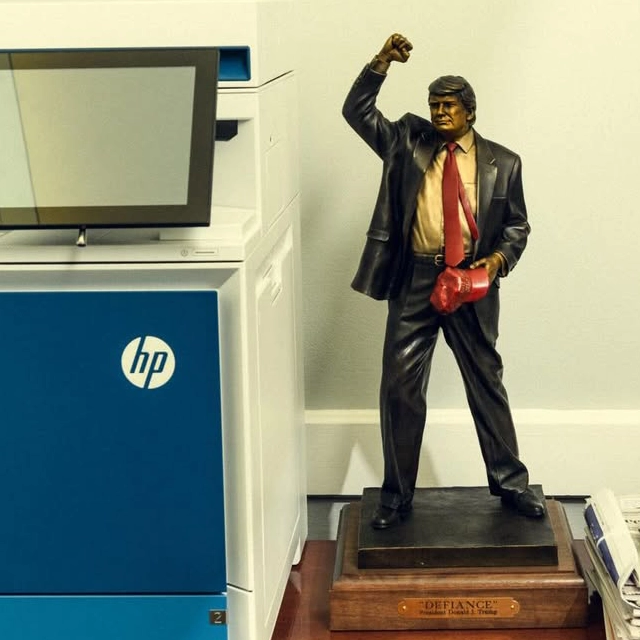
Sargon of Akkad’s grandson was born hunchbacked. His grandfather had raised the first known empire, anchored in the lands of ancient Mesopotamia. He was fond of the boy, and let him do whatever he pleased. When he strode peacock-proud through the palace corridors, the servants—because of his short stature—bowed as he passed.
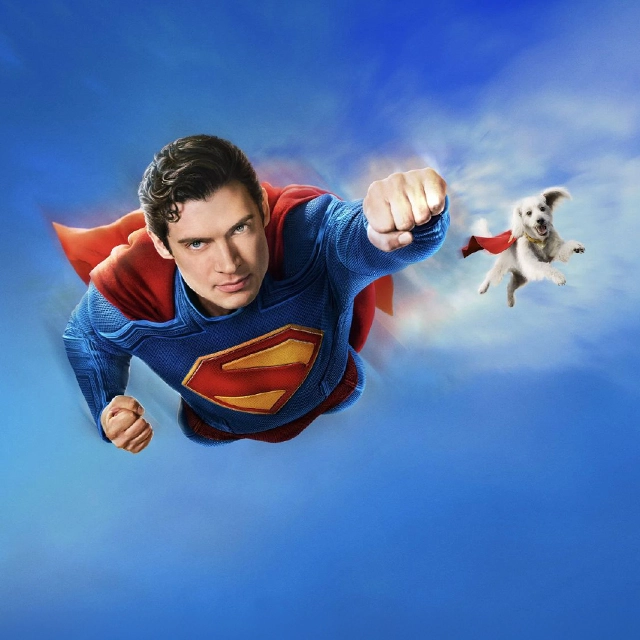
Trying to find something even mildly interesting on the platforms for a quiet December night, I stop at what appears to be the latest cinematic version of the mythical Superman. I read that it was written and directed by James Gunn and released last July, just this past summer. I also note that it has enjoyed a favorable reception from both critics and audiences.


If you’re a regular reader of this blog and enjoy its content, you might consider contributing to its upkeep. Any amount, no matter how small, will be warmly appreciated
Founded in 2021, Echoes (Notes of Visual Narrative) invites everyone to explore together the visual codes that shape our world—art, photography, design, and advertising in dialogue with society.

Copyright © 2026 r10studio.com. All Rights Reserved. Website Powered by r10studio.com
Cincinnati, Ohio