
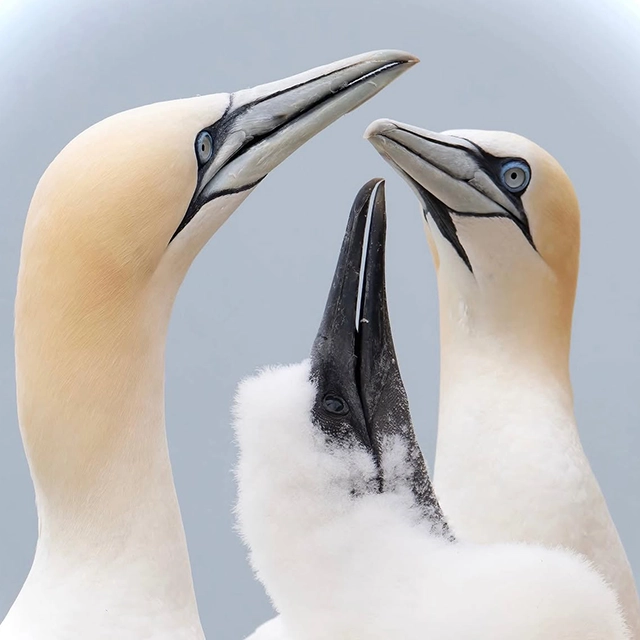
Like so many other wildlife photographs, this one immediately caught my attention. It was published in Digital Camera World, issue 312, October 2026, in the Reader Gallery section. A space intended to give visibility to work submitted by readers, with no distinction between amateurs, emerging photographers, and established professionals. They do not seem particularly interested in any genre or style, only in creativity, provided it finds a technically solid resolution...


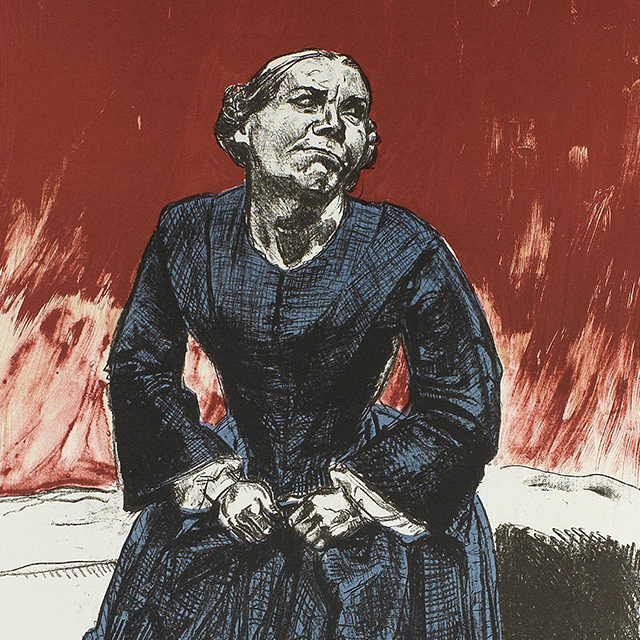
Three and a half years after her death, Paula Rego’s work continues to unfold an uneasy power, resistant to domestication. A recent exhibition at Cristea Roberts Gallery in London brings together a group of prints produced between 2005 and 2007, during the final phase of the artist’s career. Far from any pacifying reading, these works confirm that time does not soften the strangeness of her universe; on the contrary, it sharpens it, making it harder to evade.

Margate is a coastal town in southeastern England. Located in the county of Kent, on the shores of the North Sea, it forms part of the Thanet district and lies approximately 120 kilometres east of London.
Directly facing the sea stands Turner Contemporary, a contemporary art centre designed by David Chipperfield Architects and inaugurated in 2011...
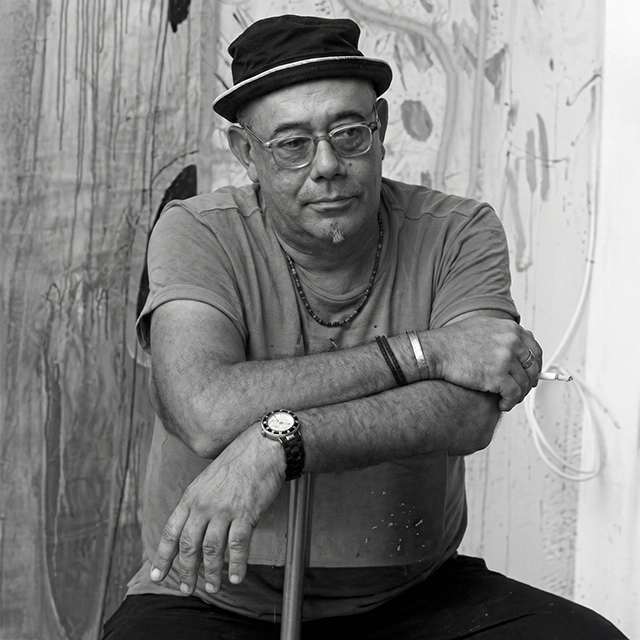
An energetic, tall man with a spirited, deep, gravelly voice arrived at Yovani Bauta’s two-story Ironsides Miami studio in 2010. It was there that Yovani allowed me to use a small space to create my paintings. That intrepid man was Sergio Garcia.
Judging from their greeting, these two Cuban contemporary artists had been friends for quite some time...
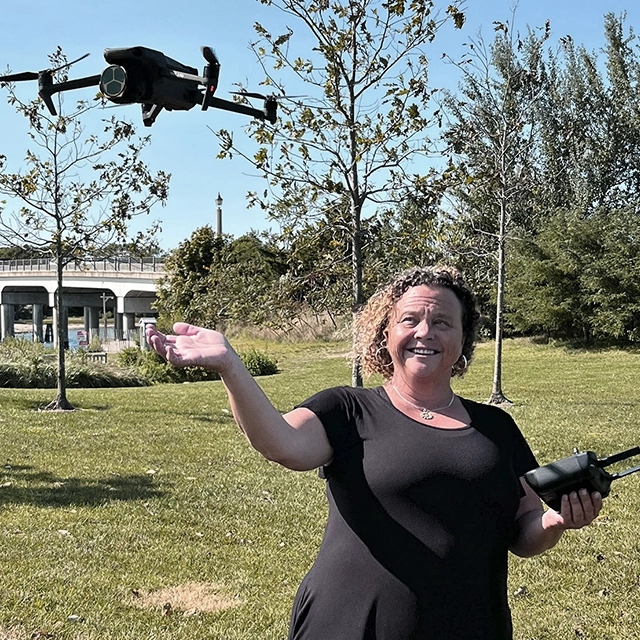
Australian photographers Peter Eastway and David Evans, founders of the International Landscape Photographer of the Year award, have launched the inaugural edition of the Aerial Photographer of the Year. This international competition is devoted exclusively to images captured from the air—using drones, airplanes, helicopters, or hot air balloons—and seeks to encompass the widest possible range of aerial photographic practices...
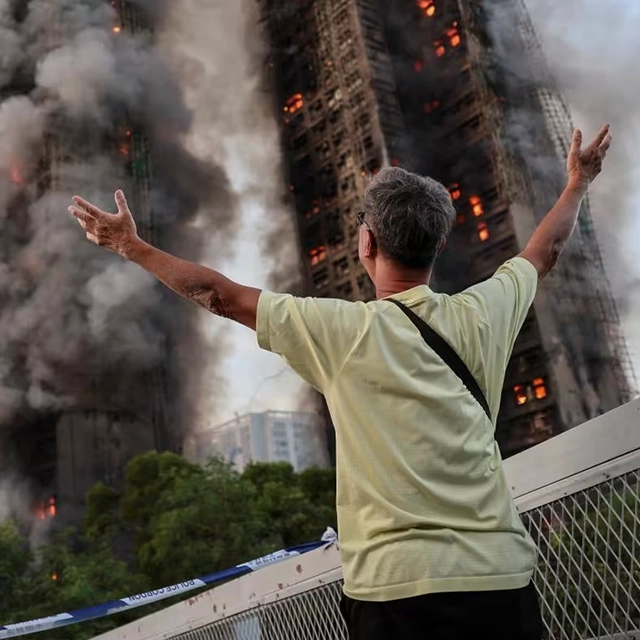
Over the past two weeks, I have seen this photograph reproduced again and again across an overwhelming number of news outlets. I cannot say it impresses me from a technical standpoint—far from it. And yet it unsettles me in a way very little manages to these days. It is likely to be chosen among the year’s most striking images. Even if it isn’t, it already belongs to my private selection.

A truism, almost an embarrassment, is that we know far fewer people than we pretend to—fewer artists still, and far fewer careers. I read that the influential British photographer Martin Parr, a central figure in contemporary photography and a prominent member of Magnum Photos, has died at 73 in his home in Bristol. I didn’t know him, and if I ever saw one of his images, I erased it, discarded it without ceremony.
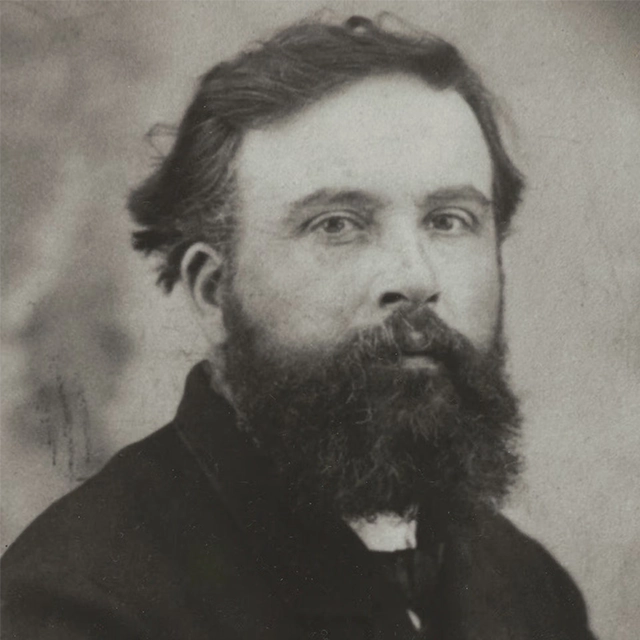
Philately was one of the small devotions of my childhood. I inherited hundreds of stamps from my father. I could never say whether he collected them himself or simply bought them for my brother and me. Among all of them, one in particular held my gaze with disproportionate insistence: a reproduction of The Sleeping Gypsy, the 1897 painting by Henri Rousseau that I finally saw years later at the MoMA.

Capture is an Australian magazine I download—only occasionally—when the cover manages to earn it. Not out of bad habit, but because it is, almost always, more of the same. It is a publication devoted to professional and emerging photography, broadly acknowledged as one of the field’s established editorial platforms. It offers technical analyses, equipment reviews, practical guides, and reports on international trends. It also covers competitions such as The Capture Awards and Australasia’s Top Emerging Photographers.
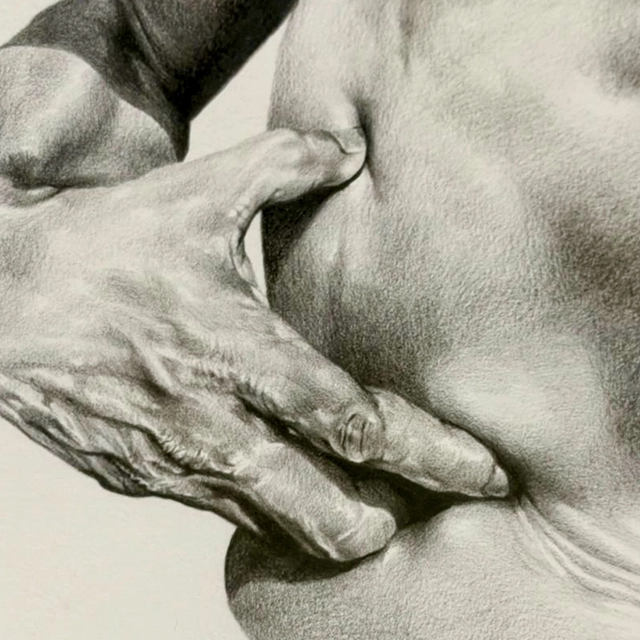
About 300 viewers attended the opening of "Double Homage" at the Favarola Museum at St. Thomas University in Miami before Miami Art Week got underway, but it is still on view. This posthumous exhibition features a series of drawings by Frank Izquierdo, created as an homage to the 18th-century Austro-German sculptor Franz Xaver Messerschmidt.
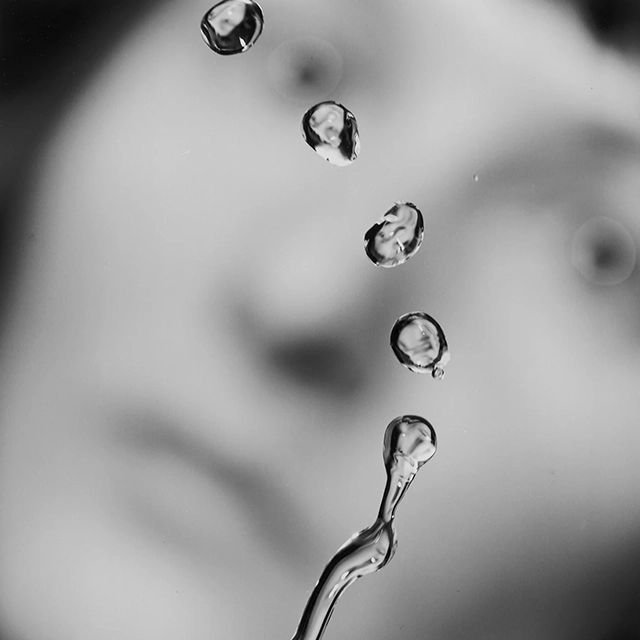
Picking up the thread of the previous text, the RPS has bestowed its Centenary Medal on British photographer Susan Derges (London, 1955), in recognition of her sustained contribution to the medium. Derges is known for her camera-less work and for direct experiments with light, water and vegetation. Since the late 1980s she has developed series in which she submerges photosensitive paper in rivers such as the Taw, near her home in Devon...
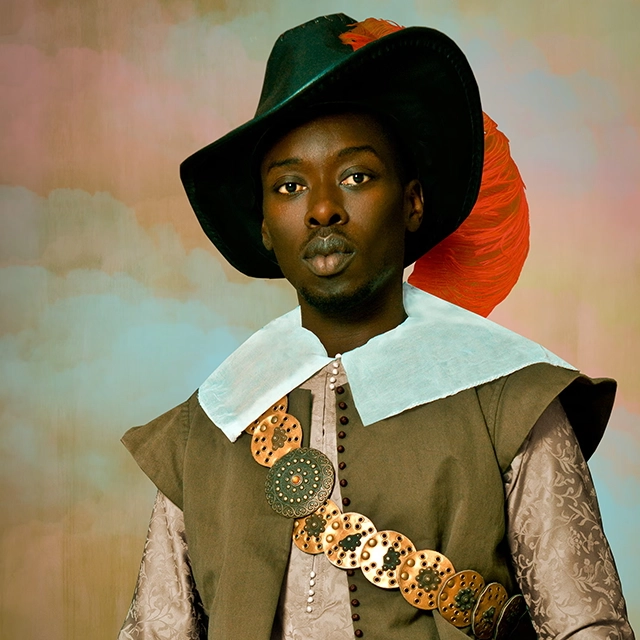
Senegalese photographer Omar Victor Diop has received the Royal Photographic Society (RPS) Award for Achievement in the Art of Photography. It is a distinction granted each year to an artist in recognition of a notable personal achievement in the art of photography or moving image. It is not a lifetime award, but a prize for a group of works or for a particularly significant result.

Talia Chetrit’s presence on the contemporary map of photography is not defined solely by the dismantling of her own intimacy. Born in 1982, trained in the analog tradition and in a visual thinking acutely aware of its own mechanisms, she has turned the domestic sphere into a territory of suspicion, especially in the series where she grazes—without fully yielding—the experience of motherhood.
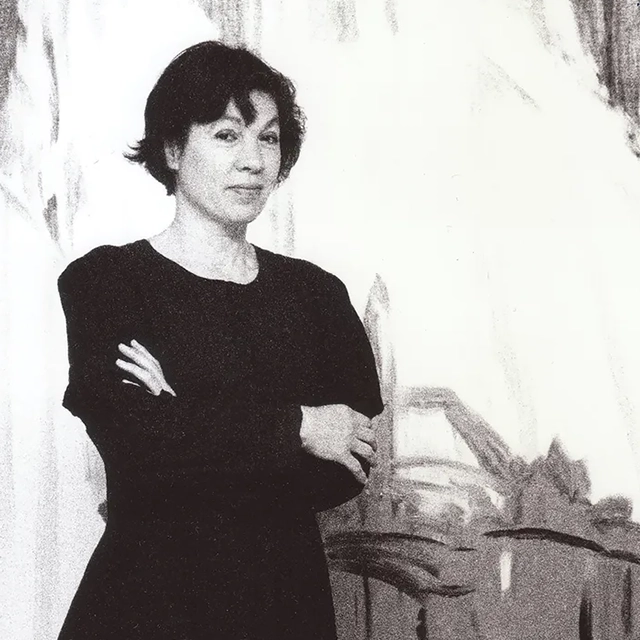
The fall edition of The Paris Review features the work of two artists. Martha Bonnie Diamond is one of them. Born in New York in 1944, she died just two years ago, in 2023. She was among the most singular pictorial voices of her generation. For more than six decades she explored the city as a perceptual register. Rendering it recognizable never interested her.

I have a rough idea of where New Zealand is on the map. And I’m quite pleased not to know it with any greater precision; in that vagueness, the place remains slightly mysterious, a little enigmatic. Even there —so far from what we consider the heart of the planet, which is our apartment— events unfold that feel uncannily familiar. My grandmother Jacinta used to say: En tolos sitios cuecen fabes… y dalgunes, hasta les quemen. (Everywhere, the same dramas simmer)
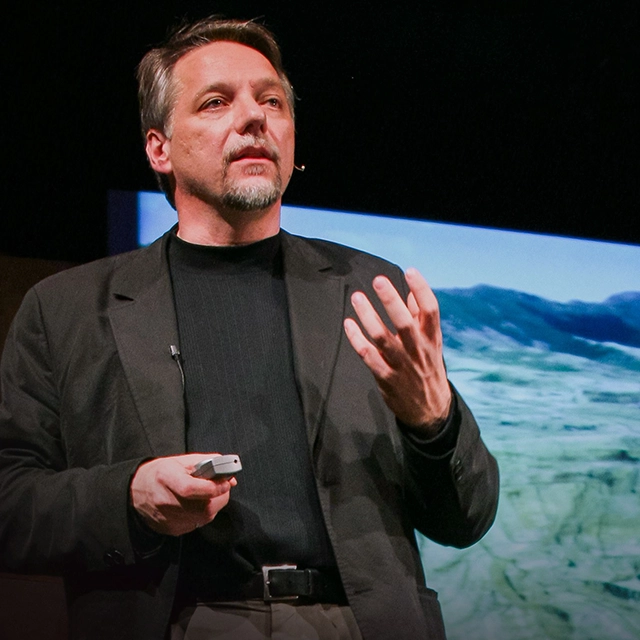
I have always been drawn to the biblical passage in which God asks Moses to stretch out his hand over the sea. He summons a powerful wind from the east, cleaving the waters and opening the path through which the people of Israel will advance.
I look at this image and, after a moment in which I enjoy the analogy, a distant sense of dread overtakes me. Very distant, to be clear; I want to be honest.


If you’re a regular reader of this blog and enjoy its content, you might consider contributing to its upkeep. Any amount, no matter how small, will be warmly appreciated
Founded in 2021, Echoes (Notes of Visual Narrative) invites everyone to explore together the visual codes that shape our world—art, photography, design, and advertising in dialogue with society.

Copyright © 2026 r10studio.com. All Rights Reserved. Website Powered by r10studio.com
Cincinnati, Ohio