
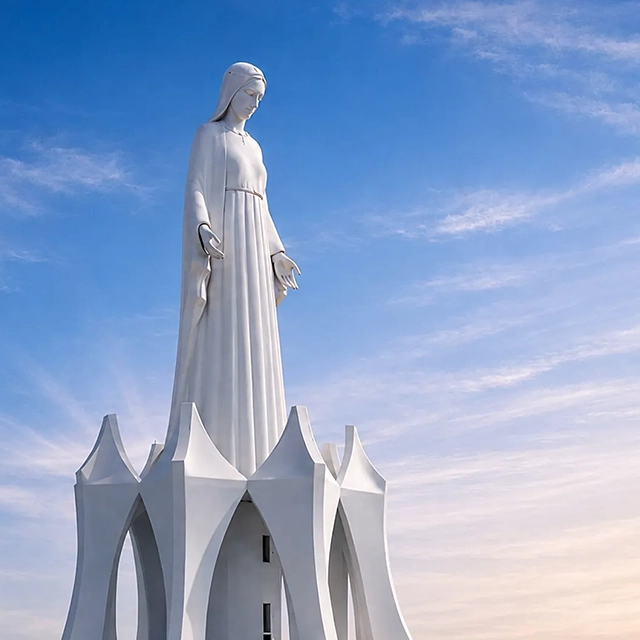
Three days after turning twenty-nine, on Wednesday, January 21, 1998, I carried out my first subversive act against Cuba’s communist system. I went to wait for Pope John Paul II. I went with tremendous enthusiasm. Probably with Gilma, my wife at the time. We positioned ourselves on the right-hand sidewalk of Paseo, between 7th and 5th Streets, in Havana’s Vedado district. We waited for about an hour and a half.


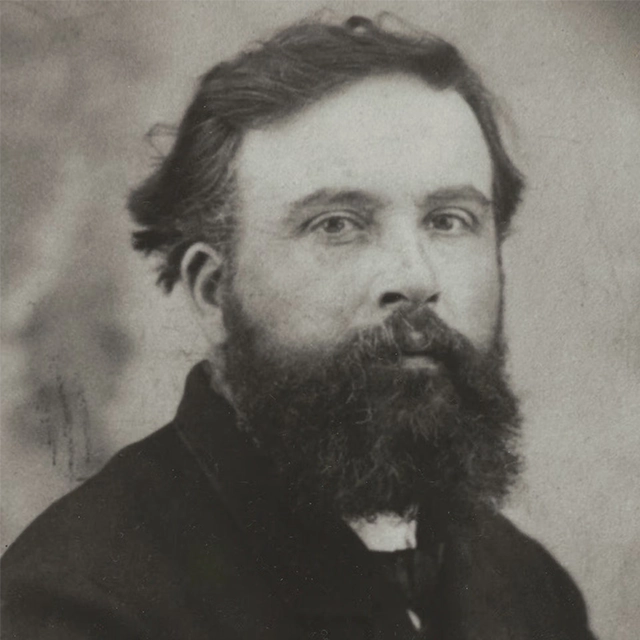
Philately was one of the small devotions of my childhood. I inherited hundreds of stamps from my father. I could never say whether he collected them himself or simply bought them for my brother and me. Among all of them, one in particular held my gaze with disproportionate insistence: a reproduction of The Sleeping Gypsy, the 1897 painting by Henri Rousseau that I finally saw years later at the MoMA.

Capture is an Australian magazine I download—only occasionally—when the cover manages to earn it. Not out of bad habit, but because it is, almost always, more of the same. It is a publication devoted to professional and emerging photography, broadly acknowledged as one of the field’s established editorial platforms. It offers technical analyses, equipment reviews, practical guides, and reports on international trends. It also covers competitions such as The Capture Awards and Australasia’s Top Emerging Photographers.
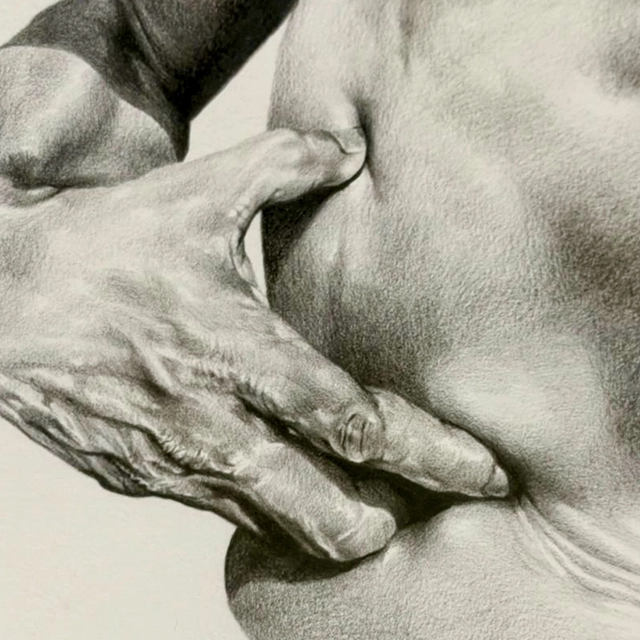
About 300 viewers attended the opening of "Double Homage" at the Favarola Museum at St. Thomas University in Miami before Miami Art Week got underway, but it is still on view. This posthumous exhibition features a series of drawings by Frank Izquierdo, created as an homage to the 18th-century Austro-German sculptor Franz Xaver Messerschmidt.
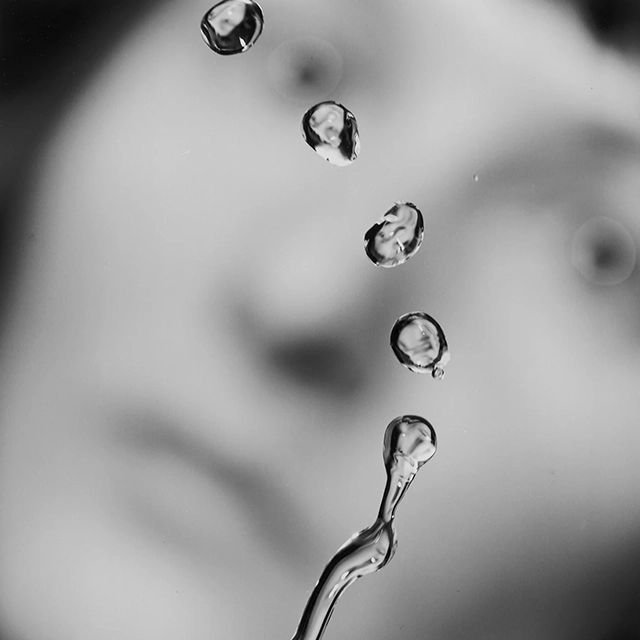
Picking up the thread of the previous text, the RPS has bestowed its Centenary Medal on British photographer Susan Derges (London, 1955), in recognition of her sustained contribution to the medium. Derges is known for her camera-less work and for direct experiments with light, water and vegetation. Since the late 1980s she has developed series in which she submerges photosensitive paper in rivers such as the Taw, near her home in Devon...
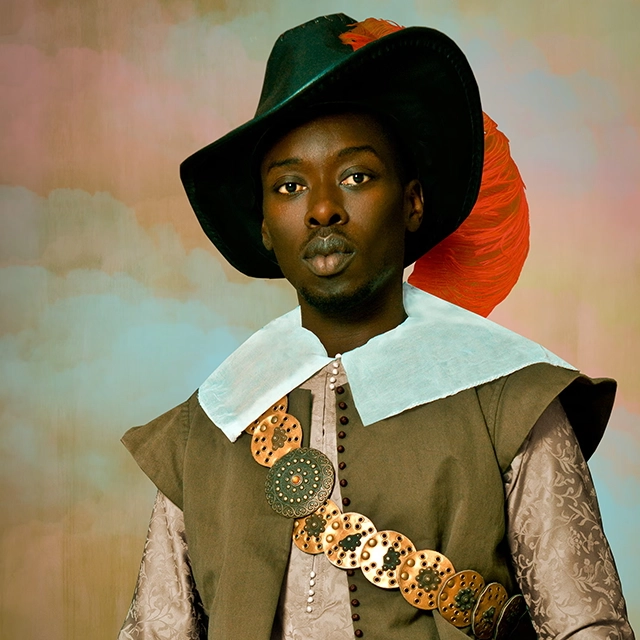
Senegalese photographer Omar Victor Diop has received the Royal Photographic Society (RPS) Award for Achievement in the Art of Photography. It is a distinction granted each year to an artist in recognition of a notable personal achievement in the art of photography or moving image. It is not a lifetime award, but a prize for a group of works or for a particularly significant result.

Talia Chetrit’s presence on the contemporary map of photography is not defined solely by the dismantling of her own intimacy. Born in 1982, trained in the analog tradition and in a visual thinking acutely aware of its own mechanisms, she has turned the domestic sphere into a territory of suspicion, especially in the series where she grazes—without fully yielding—the experience of motherhood.
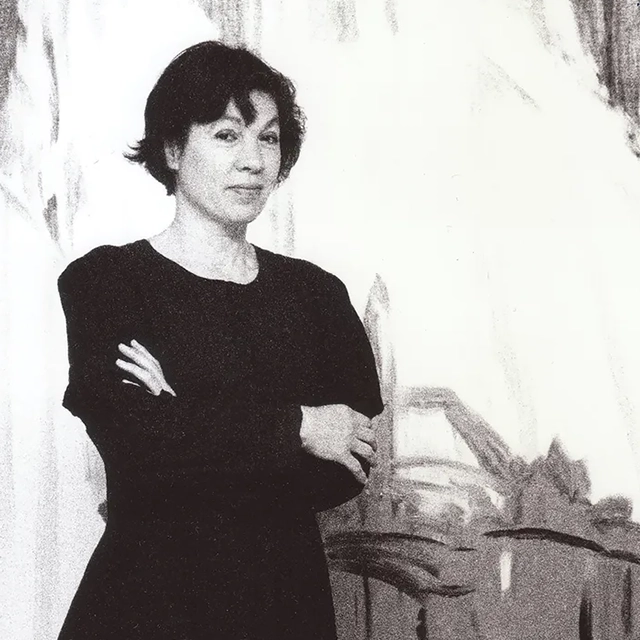
The fall edition of The Paris Review features the work of two artists. Martha Bonnie Diamond is one of them. Born in New York in 1944, she died just two years ago, in 2023. She was among the most singular pictorial voices of her generation. For more than six decades she explored the city as a perceptual register. Rendering it recognizable never interested her.
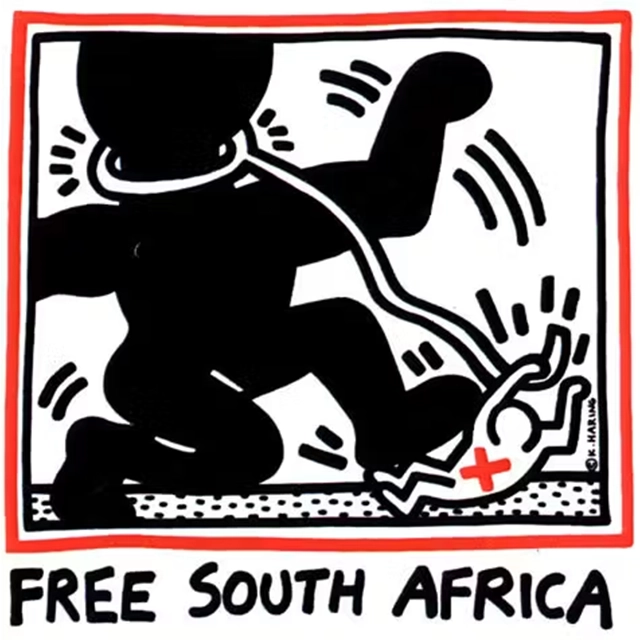
I have a rough idea of where New Zealand is on the map. And I’m quite pleased not to know it with any greater precision; in that vagueness, the place remains slightly mysterious, a little enigmatic. Even there —so far from what we consider the heart of the planet, which is our apartment— events unfold that feel uncannily familiar. My grandmother Jacinta used to say: En tolos sitios cuecen fabes… y dalgunes, hasta les quemen. (Everywhere, the same dramas simmer)
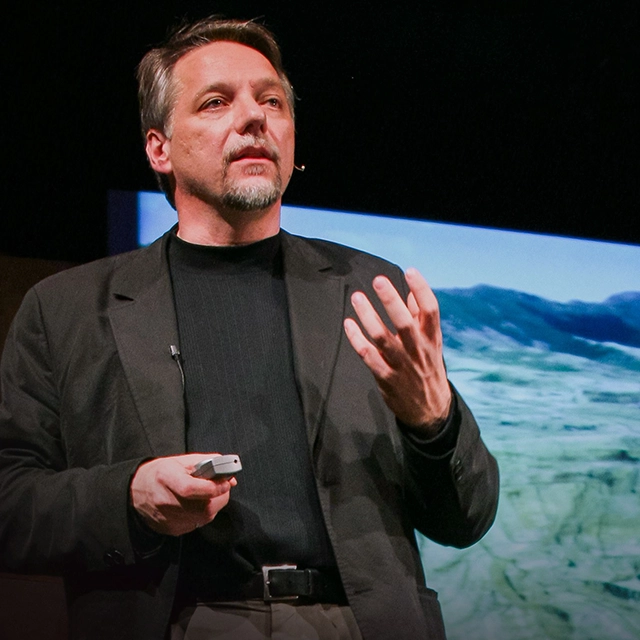
I have always been drawn to the biblical passage in which God asks Moses to stretch out his hand over the sea. He summons a powerful wind from the east, cleaving the waters and opening the path through which the people of Israel will advance.
I look at this image and, after a moment in which I enjoy the analogy, a distant sense of dread overtakes me. Very distant, to be clear; I want to be honest.
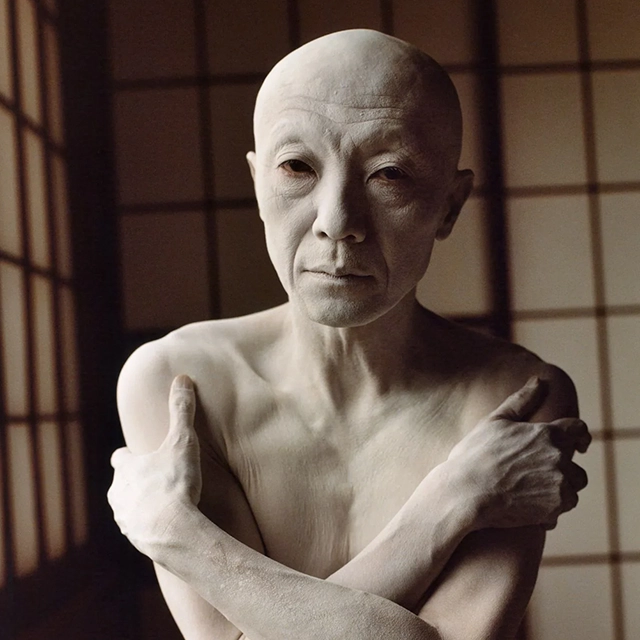
By the late nineteenth century, a group of Japanese statesmen had decided they’d had all the shogunate they could reasonably endure. However beautiful the swords and scabbards, it was time to catch up and tune themselves to the rest of the world. Japan had to modernize and find other uses for the wheel. Those visionaries from the domains of Satsuma, Choshu, Tosa, and Hizen...
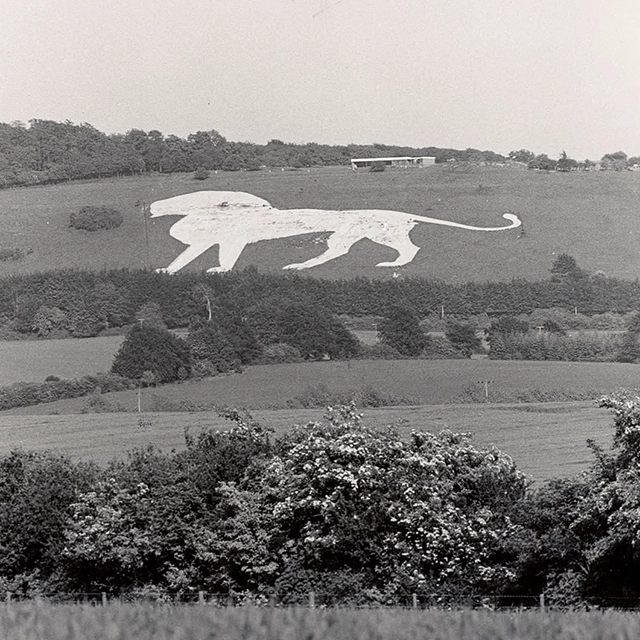
Many of us love stories about extraterrestrials. Enjoyable, measured, tinged with mystery. For some, though, they become a feverish fixation. They comb the internet the way people once prowled libraries, hunting for hidden messages, for the codes and arcana exchanged in some shadowy dimension—guardians of the secrets.
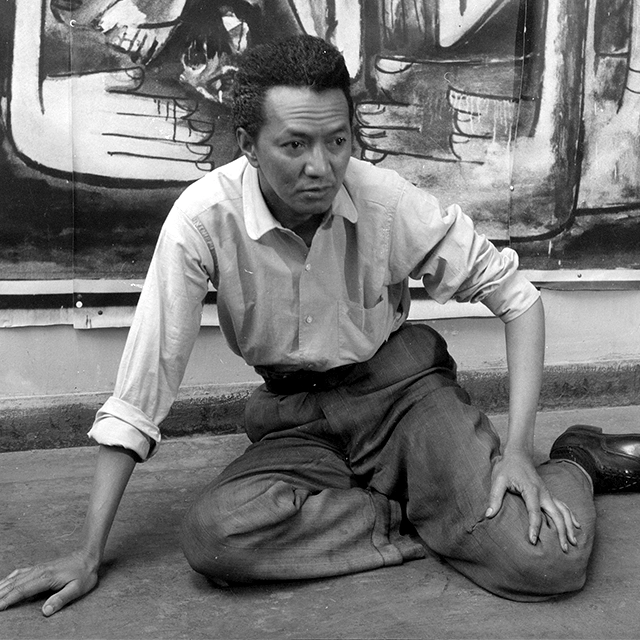
What could I possibly say today about Wifredo Lam and the exhibition the MoMA has devoted to him? Little that hasn’t already been uttered—successfully or not—by the hundreds of critics and journalists who have read, interpreted, or merely circled around the curatorship of Christophe Cherix (David Rockefeller Director) and Beverly Adams (Estrellita Brodsky Curator of Latin American Art).
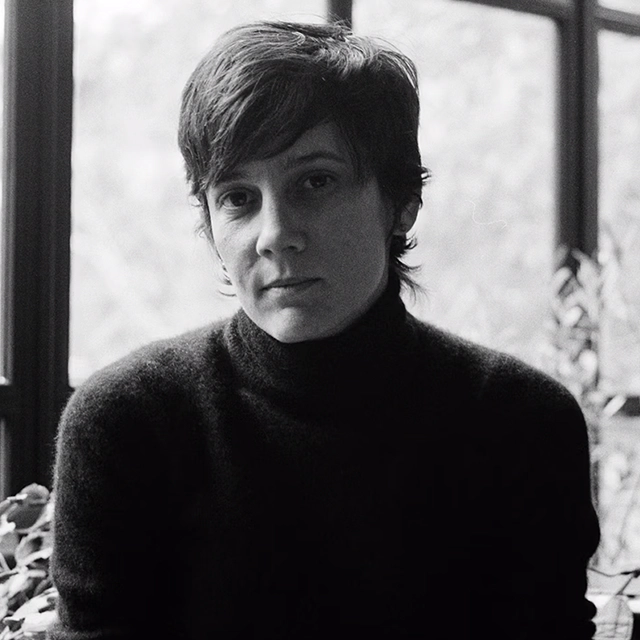
Evelyn Sosa—the Cuban photographer so many of us admire—has been selected as one of the twelve artists participating in No Vacancy Miami Beach 2025, the juried contemporary art program sponsored by the City of Miami Beach during Art Week. Her inclusion in this competition constitutes a significant institutional endorsement...
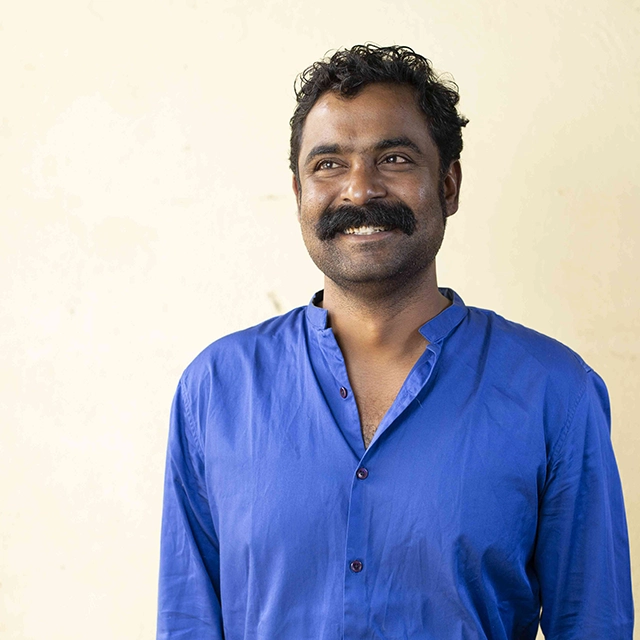
A few weeks ago, I visited Snakes and Ladders, the endearing exhibition by Sheida Soleimani at the Contemporary Arts Center in Cincinnati. What struck me most was the meticulous care with which she constructed the settings that would provide a specific frame for the subjects of her photographs. I had the impression that she did not want to leave anything to chance...
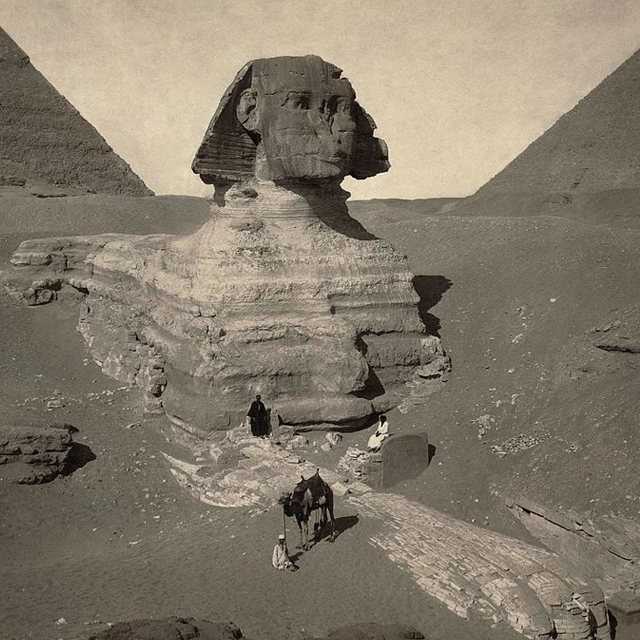
It’s not going to happen, of course, but let us imagine that, suddenly, the Egyptian people —not in an Arab spring but in an Arab autumn— decide that their past is shameful, that all its physical evidence, its traces and monuments, must be erased. They rush with torches along the western bank of the Nile —the shore of the dead: Giza, Saqqara, Luxor, Thebes, Abu Simbel— in a near-telluric frenzy of destruction...


If you’re a regular reader of this blog and enjoy its content, you might consider contributing to its upkeep. Any amount, no matter how small, will be warmly appreciated
Founded in 2021, Echoes (Notes of Visual Narrative) invites everyone to explore together the visual codes that shape our world—art, photography, design, and advertising in dialogue with society.

Copyright © 2026 r10studio.com. All Rights Reserved. Website Powered by r10studio.com
Cincinnati, Ohio