
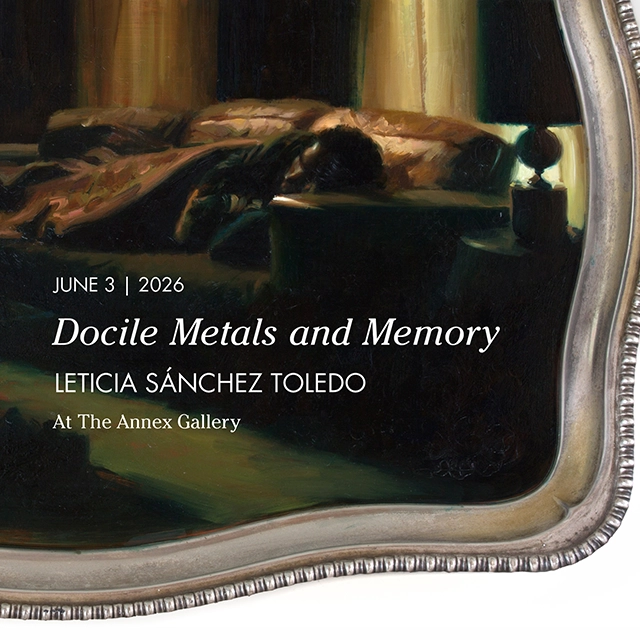
On June 3, Leticia Sánchez Toledo opens Docile Metals and Memory at The Annex Gallery, a series that delves into the material and affective memory of objects. The pieces were conceived from metal trays unearthed on Facebook Marketplace, at Sunday flea markets, and in secondhand venues. They are objects few still wish to keep in their original state — easy to come by, hard to maintain, awkward to place...



A few months ago I wondered in these pages what Macron was getting out of lending the Bayeux Tapestry to the English. Forty thousand French citizens signed a petition to block it, citing textile fragility and, I suspect, a touch of cross-Channel rancour as well. The other question remained: what would the British Museum get out of it.
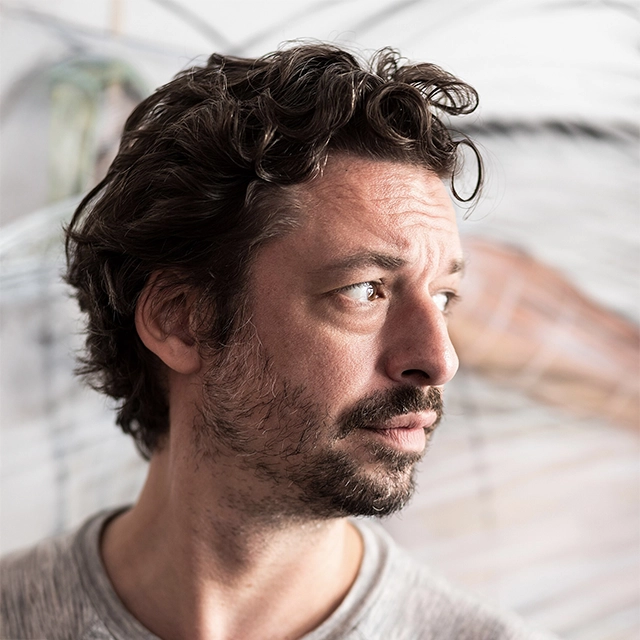
Now and again, chance weaves a concurrence of circumstances that places us before a window opening onto the past. The opportunity to converse, undistracted, with the Austrian artist Stylianos Schicho was a privilege, since what most interests me in art are the sinews that bind it to whoever produces it.
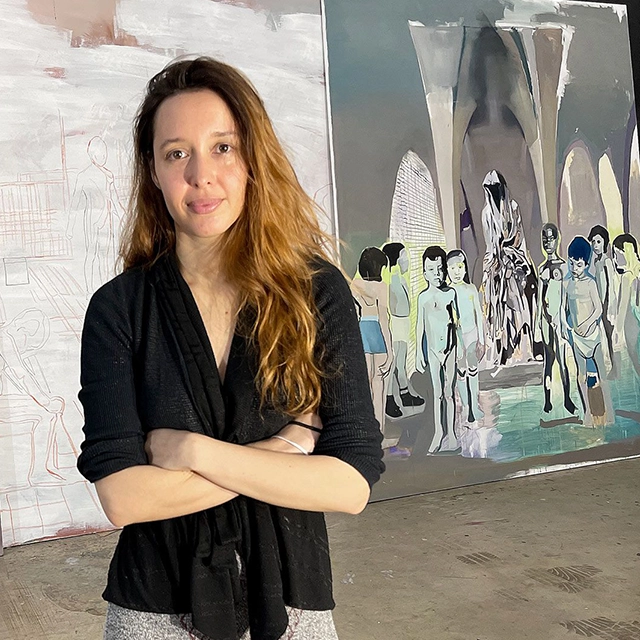
As a worthy walk-on, more than once I have stood inside a still life: the living scene of a dead nature staged with everyday objects. Between Morandi and Chirico — take your pick of Giorgios — lit by the fierce Miami sun or beneath the drizzle of a summer afternoon, I have slipped into the heart of the anomaly, into the "temple of otherness."

A month ago, during Arte Desobediente Exhibition, I encountered for the first time an artwork by Kerstin Imhoff that has remained with me ever since. It was a visceral piece from her ongoing Bloodline series: a hyperrealistic red vulva rendered in wax-like texture through 3D printing, encircled by a Catholic rosary terminating in a bronze cross. The work was at once devotional and confrontational; an image suspended between martyrdom, sexuality, political violence, and feminine embodiment...

We accept this kind of photograph before we understand it. That is why we are here. They are striking, drawing on the same formal vocabulary inherited from Irving Penn and Richard Avedon, the great schools of studio portraiture on a flat ground. Ever since, we have surrendered to the magic of high contrast, to the shameful retreat of the second plane, of the surroundings, of the context. As though none of that added anything to the emotion or to a denser reading.

The solo exhibition Amazonia, opening on May 22, brings together a body of work produced by Julia out of her sustained engagement with the Shipibo Indigenous community of the Peruvian Amazon. The show is structured around four groups of pieces and combines watercolor and ink on paper, embroidered textile work, installation, and cyanotype...
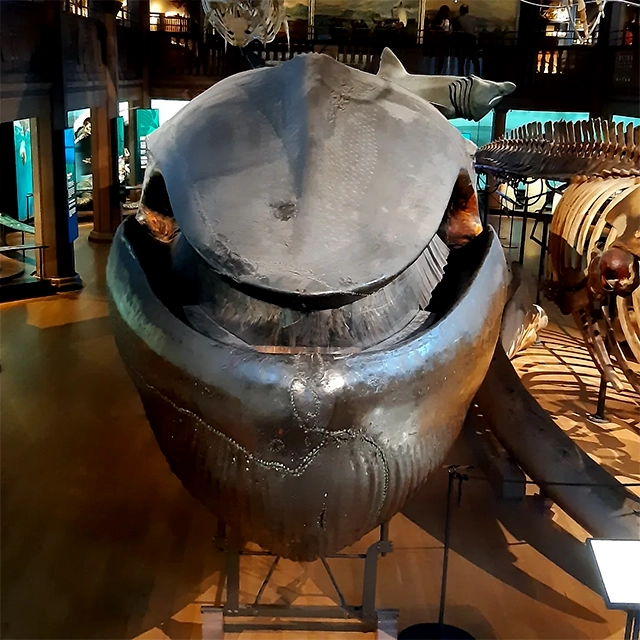
Influencers and aspiring ones live attentive to whatever happens, eager to reheat it and serve it back to the feeds as if they had just discovered the principle of buoyancy. But few like the man from Syracuse, and very little capable of provoking a genuine eureka.
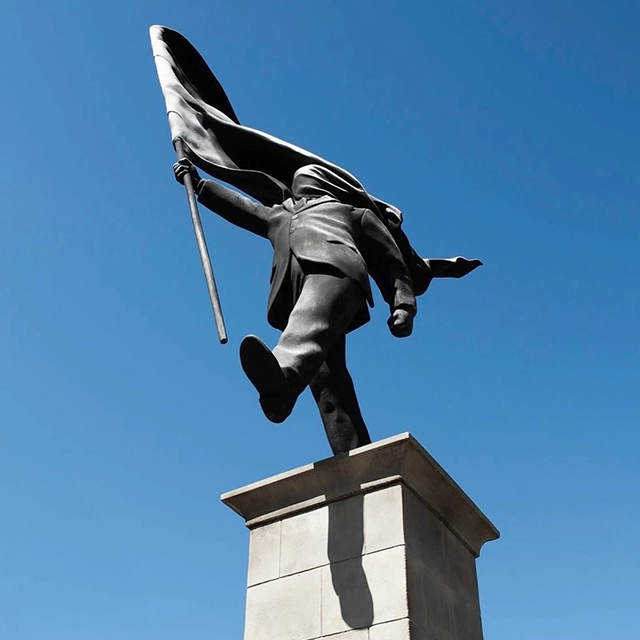
I suppose that waking up to find the night has birthed a new Banksy is, by now, almost routine. This time, however, something is different. He has literally moved up a step. He has planted a life-size sculpture in one of the most heavily guarded spaces in London. No witnesses.
The piece appeared in the early hours of Wednesday at Waterloo Place, an avenue in central London halfway between Trafalgar Square and Buckingham Palace.
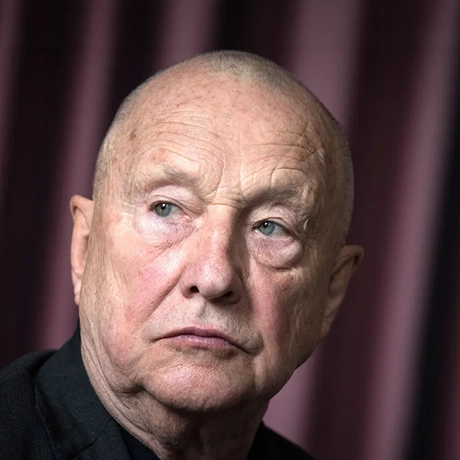
Somewhere between Salzburg and the history of postwar German art, Georg Baselitz died yesterday at 88. His gallery announced it on Thursday. The family stated that he passed 'in peace'. The cause was not made public.
Baselitz was born in 1938 in Deutschbaselitz, a village in Saxony, under the name Hans-Georg Kern. In the first years of his life, during the war, four thousand tonnes of bombs fell on his village...

Before art, there was the image. The wind has been drawing linear patterns on the dunes for millions of years, always different and yet always recognisable. Water has polished stones into lovely pebbles, full of nuance. Polyps shape the corals themselves, raising branched, almost labyrinthine structures of extraordinary beauty out of blind secretions of calcium carbonate. Arabesques that art can imitate but never surpass...
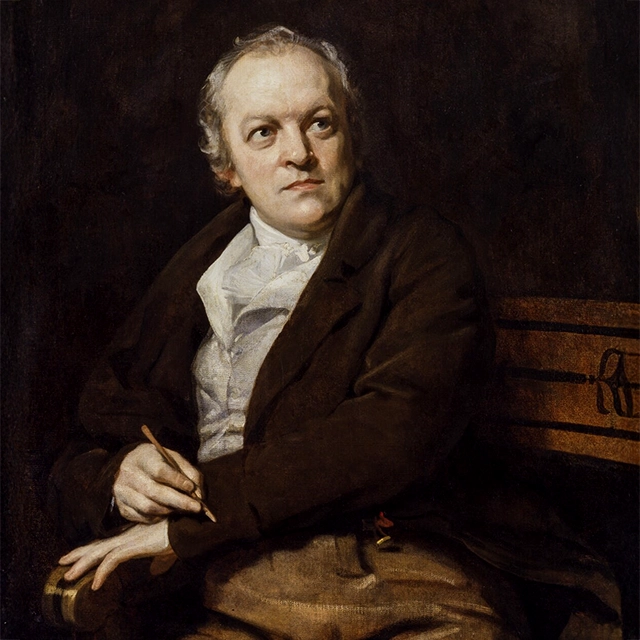
There is something bitterly ironic, and in some way unjust, in the posthumous fate of William Blake. An extraordinary poet and engraver, he spent his life defending imagination as a sacred faculty, denouncing slavery, and dreaming of a spiritual Jerusalem on earth. He has nevertheless ended up recast, in the contemporary imagination, as a numen, or tutelary spirit, of evil. His name and his images appear tattooed on the skin of serial killers, whispered into the ears of victims in television series...
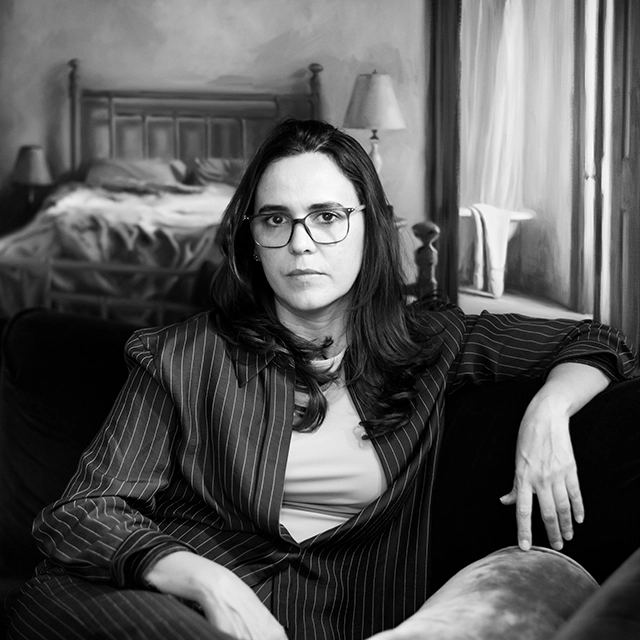
I have known for several days. We waited for the foundation’s official publication, where it is formally announced that Leticia Sánchez Toledo has been awarded once again. This time, by the Elizabeth Greenshields Foundation.
As many know, Leticia is a figurative visual artist who works primarily in oil on canvas. Through its decision, the foundation supports one of the projects she currently has in development.
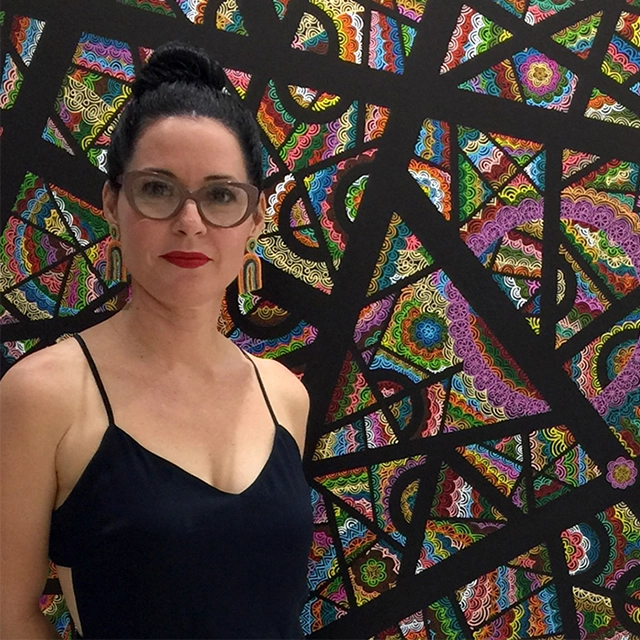
Mónica has summited something enormous today. And I am probably just as happy as she is, as happy as the people who love her most. Whether she shares it is her call. I want to share this joy by retrieving some words I once wrote about her work, when she was just beginning at the Museum of Contemporary Art of the Americas.
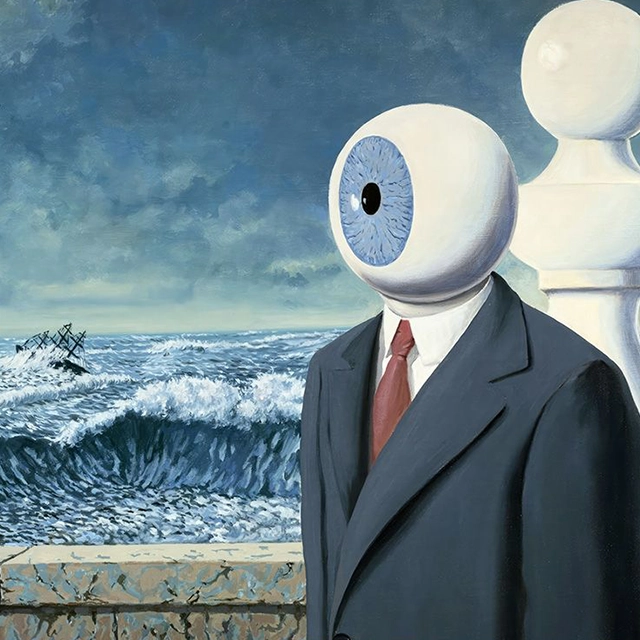
The auction house Sotheby's has just secured a credit line of up to one hundred million dollars from the private capital firm KKR, offering as collateral the commissions its clients still owe it on auction purchases. It is a form of financing worth attending to, because it discloses where in the cycle one of the two houses that have set the pulse of the global art market for decades now finds itself. When a company begins to collateralise its receivables in order to access immediate liquidity...

Though it isn't always evident, behind every prize-winning photograph several images coexist. The one captured by the photographer, perfectly visible, and the ones the system of recognition produces over time, deciding what that image will end up meaning.


If you’re a regular reader of this blog and enjoy its content, you might consider contributing to its upkeep. Any amount, no matter how small, will be warmly appreciated
Founded in 2021, Echoes (Notes of Visual Narrative) invites everyone to explore together the visual codes that shape our world—art, photography, design, and advertising in dialogue with society.

Copyright © 2026 r10studio.com. All Rights Reserved. Website Powered by r10studio.com
Cincinnati, Ohio