
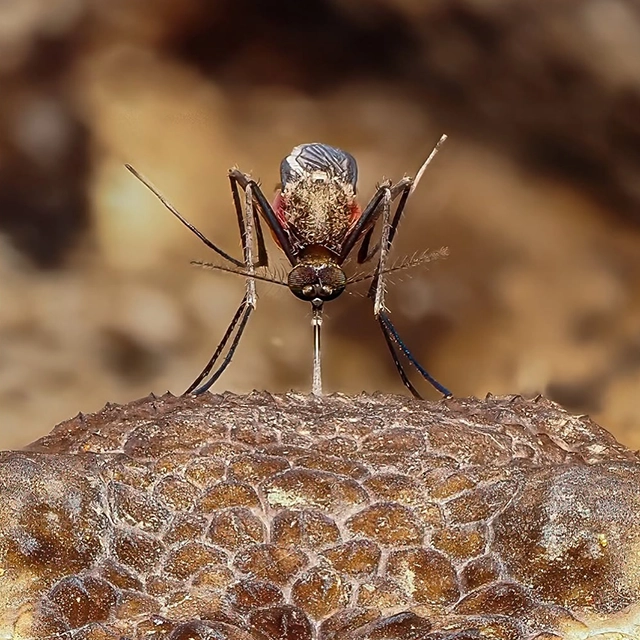
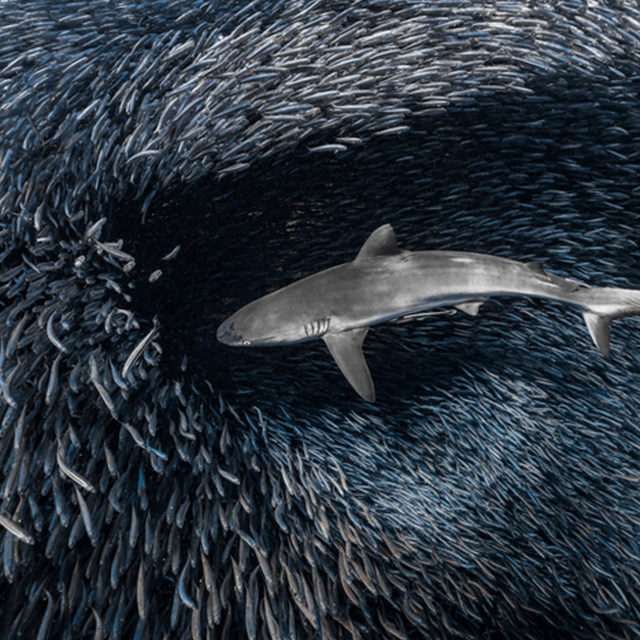
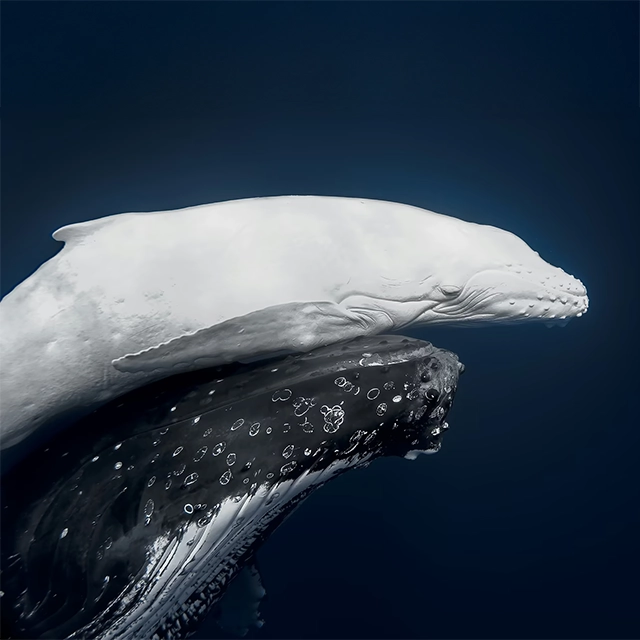
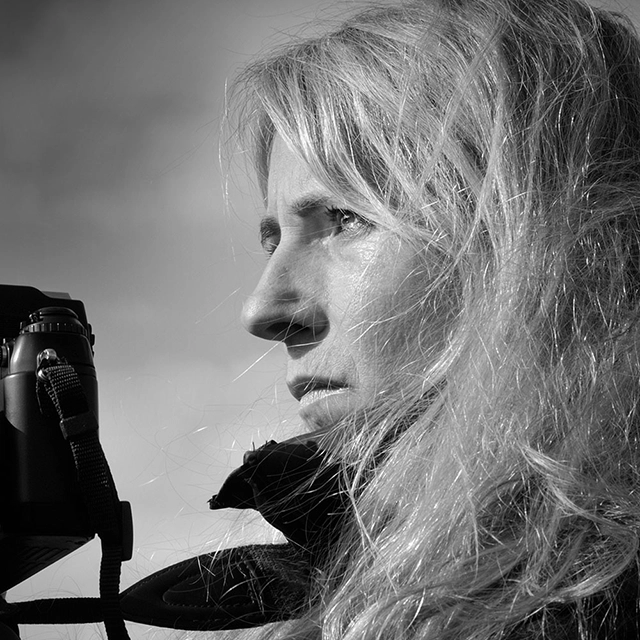
New Scientist International Edition, Vol. 271, No. 3610, August 29, 2026, publishes three photographs that, during the selection process for Wildlife Photographer of the Year 2026, made a favorable impression on the jury. This does not mean they are already the winners, and I have no idea why they are being publicized now.

This photograph set off my alarms at once. Not to the degree of a contemporary First World mother, of course, though enough for me to notice. Whenever I took Yoko—my dog—for a walk, I watched to make sure she never put anything in her mouth. Nothing. So I share, in moderation, the collective hysteria that has turned hygiene into a cult of asepsis.
On June 21st we discussed a beautiful photograph, winner of the Grand Prize in the 2026 edition of the Environmental Photography Award, organized by the Prince Albert II of Monaco Foundation. Every time one of these images triumphs, I ask myself which ones fell short. Which failed to stand out, which came so close to unseating it. Here are the ones that came closest.
A few days ago, I wrote about the photograph that received first prize in the Nature Careers Working Scientist Photo Competition. The competition is intended for researchers, students, and people working in science. They were asked to stake everything on a single horse: one photograph of their own work. In the laboratory, in the field, among instruments and samples, on an expedition, within the sometimes precarious intimacy of a research team at work.
The winning photograph of the 2026 Environmental Photography Award shows a green sea turtle (Chelonia mydas) swimming underwater, enveloped in an unusual glow.
At first glance, the image presents itself under the sign of an almost hypnotic serenity: a spectral, totemic turtle rises within an indistinct yet vaguely familiar field. We notice, with a pale flicker of surprise, the imprint of a human hand inscribed upon its shell...
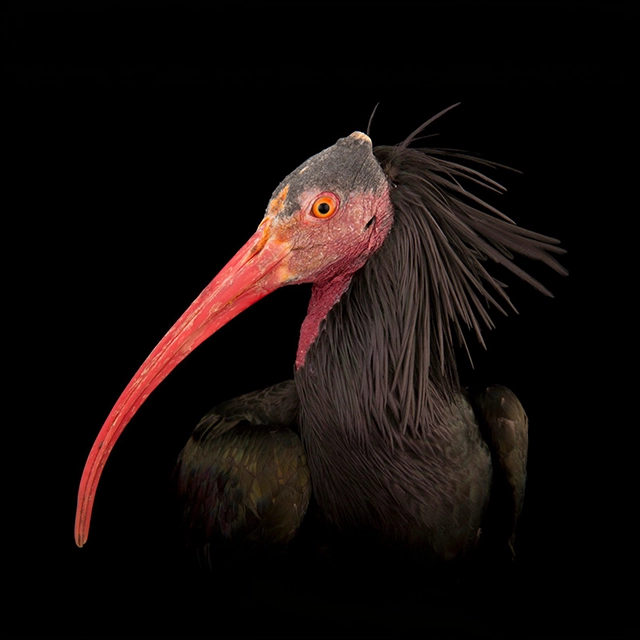
The hermit ibis (Geronticus eremita) is also known in Spanish as the northern bald ibis. Its scientific name points directly to the sparse, widely scattered feathers that protrude from its bald head and give it a lamentable appearance. This formal decrepitude can inspire a kind of compassionate affection, especially when the creature also has the face of an idiot, round eyes, and a stunned expression.

Though it isn't always evident, behind every prize-winning photograph several images coexist. The one captured by the photographer, perfectly visible, and the ones the system of recognition produces over time, deciding what that image will end up meaning.
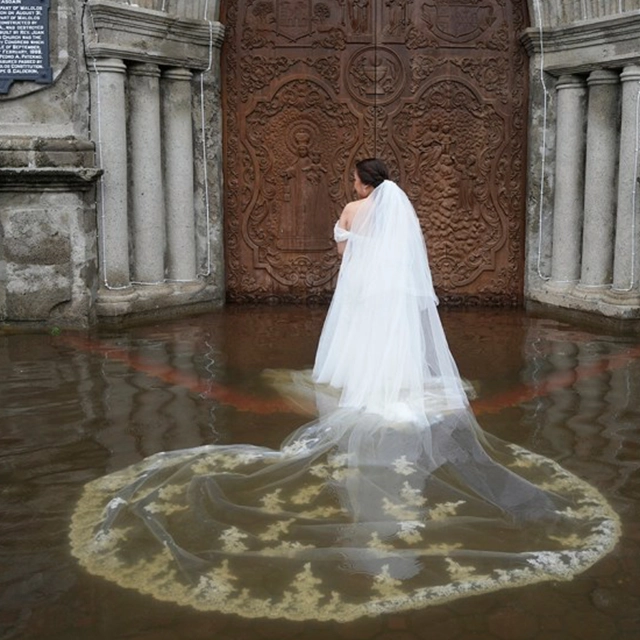
On December 10, I published a text on a photograph that, to my eyes, could stand without difficulty among the best of the year. Not long after, I encountered another article presenting the final selection for the World Press Photo Exhibition 2026. The photograph in question was among them. What remains now is a single doubt. Whether it will ultimately be chosen as Photo of the Year.
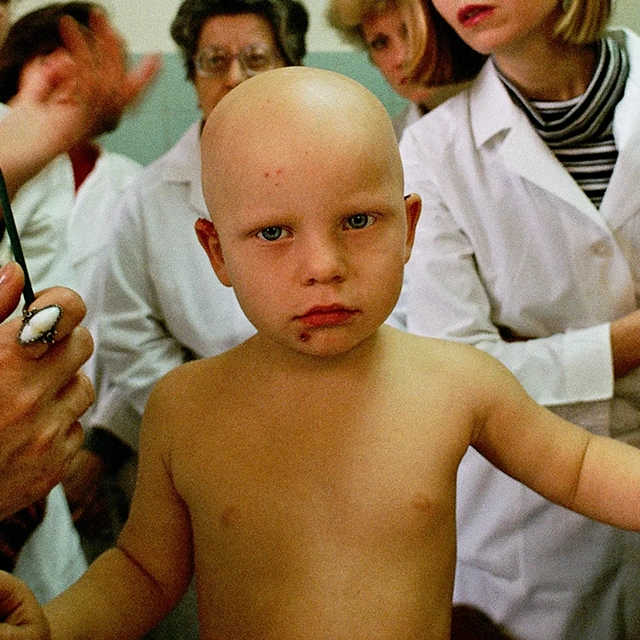
On April 26, 1986, I was almost certainly bored out of my mind, sprawled in some corner of my apartment in Havana’s Vedado district. What I remember from those days is fear. A dense, persistent fear. The certainty that I could be swallowed by three years of mandatory military service. I clung to a girl whose face recalled Mariko-san —Yoko Shimada’s, not Anna Sawai’s— and I could not imagine allowing the distance between us...


If you’re a regular reader of this blog and enjoy its content, you might consider contributing to its upkeep. Any amount, no matter how small, will be warmly appreciated
Founded in 2021, Echoes (Notes of Visual Narrative) invites everyone to explore together the visual codes that shape our world—art, photography, design, and advertising in dialogue with society.

Copyright © 2026 r10studio.com. All Rights Reserved. Website Powered by r10studio.com
Cincinnati, Ohio