
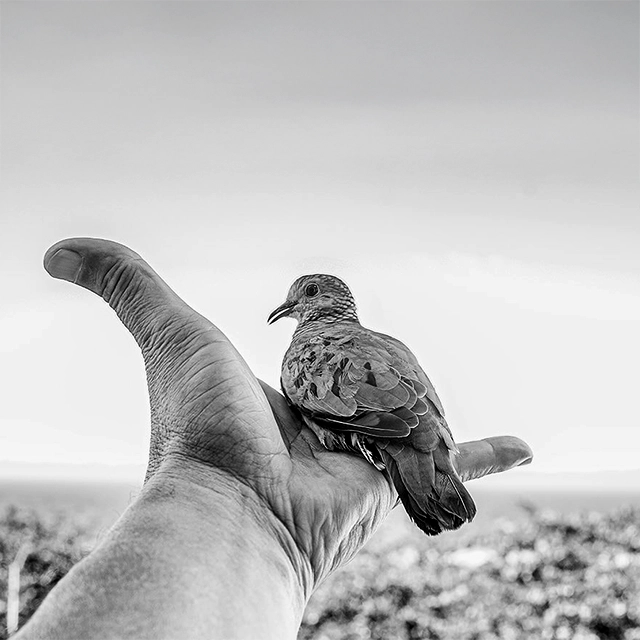
In his dialogue with reality—understood as an expansive living nature, and therefore never still before the artist’s pretensions—Pedro Abascal, who requires the road as much as the camera for his vital labor, has come to discover the possibility of drawing through the lens.
When I was a child, we lived in Santa Isabel, one of my grandfather’s farms. We were surrounded by trees, animals, and ravines. At that time, I did not know how to measure distance in kilometers...
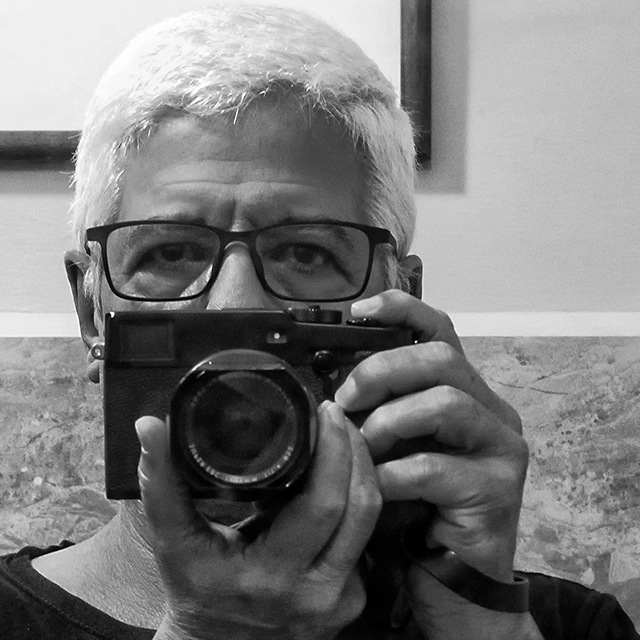
There are cities that return the gaze: they do not yield docilely to the frame, but rather address those who contemplate them. They demand a way of seeing that does not reduce, that does not foreclose. Havana, in this Dossier conceived by the Cuban photographer Pedro Abascal, appears as an entity that observes, folds, and tenses; it refuses to become a mere stage or backdrop.
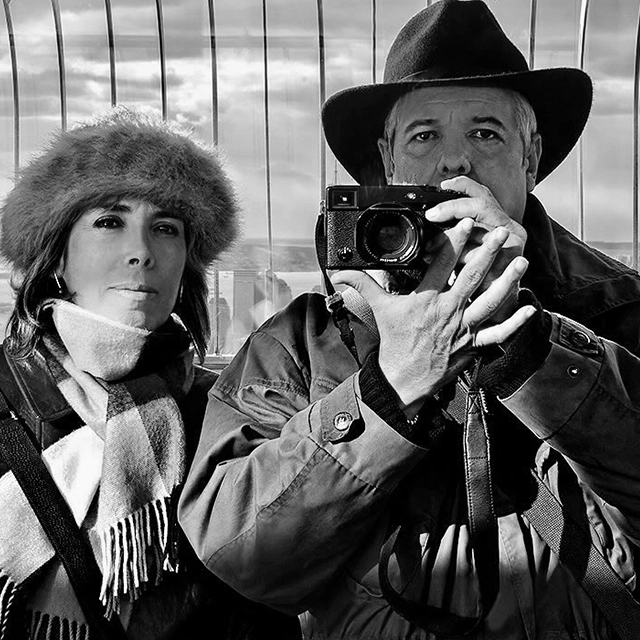
I have known Pedro since 2004, perhaps even earlier, from the time I began attending the exhibitions held in the dozens of galleries and institutions of Old Havana. I do not remember how we became friends; it seems we were so before we had properly met. Pedro is one of the great Cuban photographers of the past decades. Some of his photographs would make Cartier-Bresson raise an eyebrow.
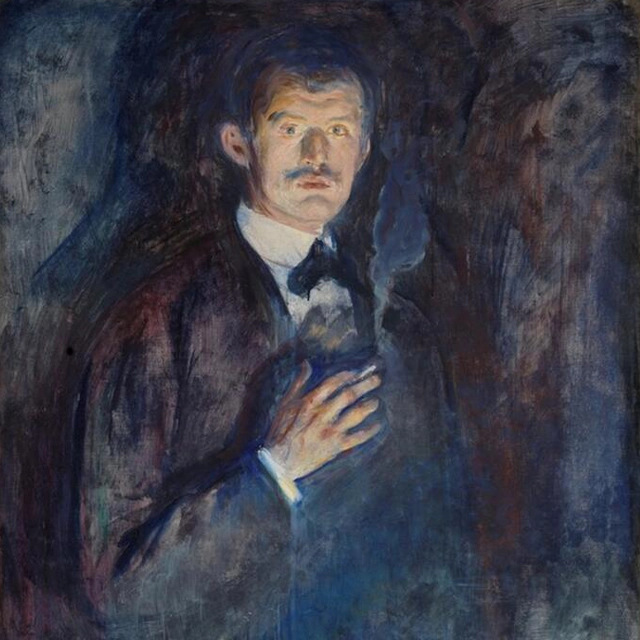
Edvard Munch was one of the most finely tuned loudspeakers of his time’s spirit—the Zeitgeist. Dostoyevsky had been one before him, and Kafka would be another later on. He belonged to that rare class of human beings God seems to have assembled in haste—leaving the skull half-finished, the sutures open, the nerves exposed—those daemons of History chosen to transmit its message to humanity.

Talia Chetrit’s presence on the contemporary map of photography is not defined solely by the dismantling of her own intimacy. Born in 1982, trained in the analog tradition and in a visual thinking acutely aware of its own mechanisms, she has turned the domestic sphere into a territory of suspicion, especially in the series where she grazes—without fully yielding—the experience of motherhood.
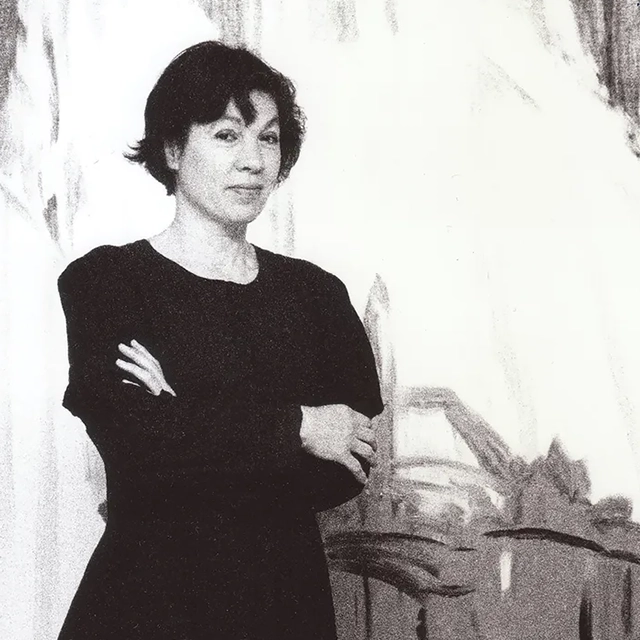
The fall edition of The Paris Review features the work of two artists. Martha Bonnie Diamond is one of them. Born in New York in 1944, she died just two years ago, in 2023. She was among the most singular pictorial voices of her generation. For more than six decades she explored the city as a perceptual register. Rendering it recognizable never interested her.
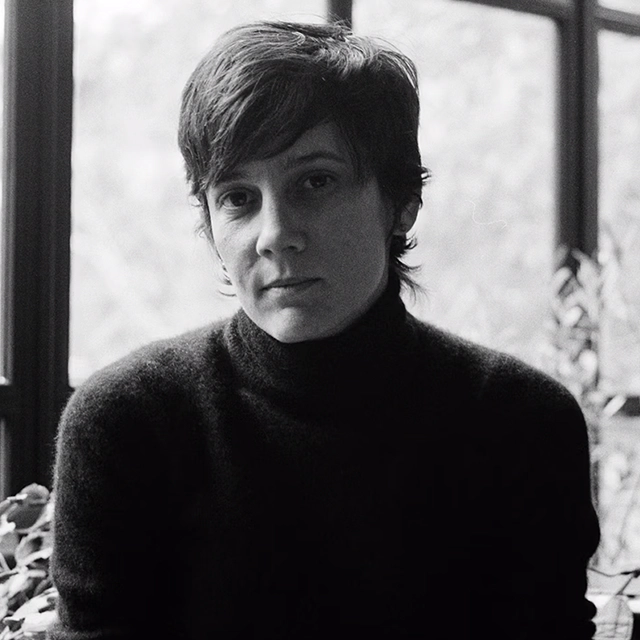
Evelyn Sosa—the Cuban photographer so many of us admire—has been selected as one of the twelve artists participating in No Vacancy Miami Beach 2025, the juried contemporary art program sponsored by the City of Miami Beach during Art Week. Her inclusion in this competition constitutes a significant institutional endorsement...
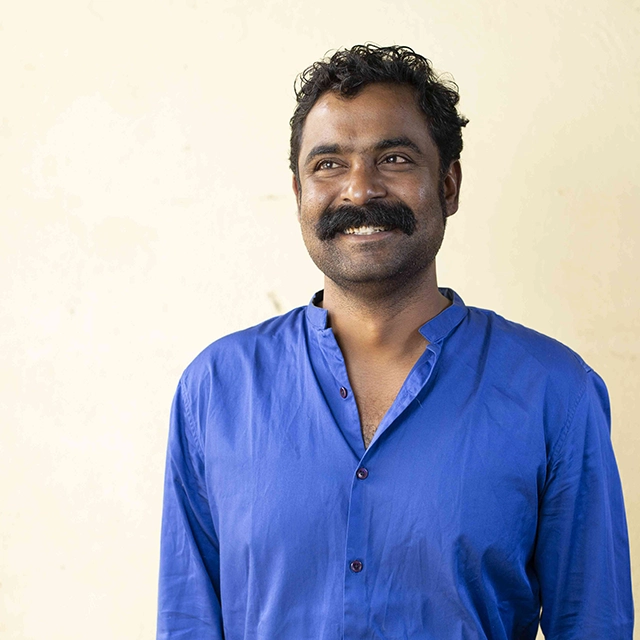
A few weeks ago, I visited Snakes and Ladders, the endearing exhibition by Sheida Soleimani at the Contemporary Arts Center in Cincinnati. What struck me most was the meticulous care with which she constructed the settings that would provide a specific frame for the subjects of her photographs. I had the impression that she did not want to leave anything to chance...
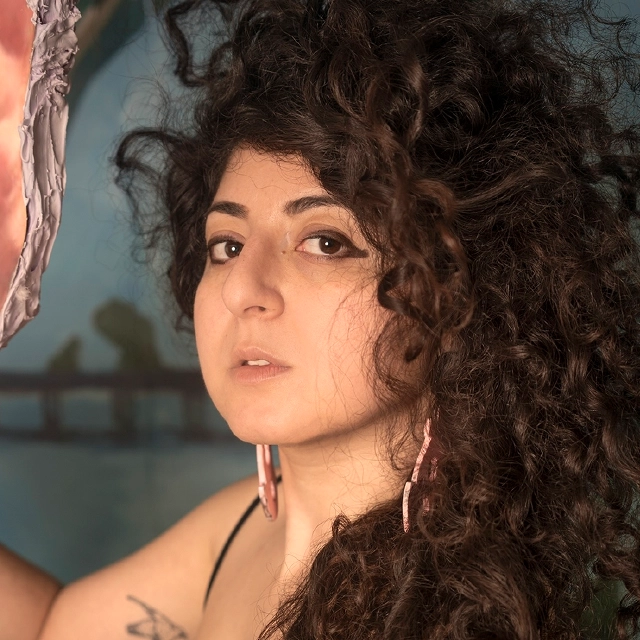
The last time I was at the CAC was in late 2017, for Caledonia Curry’s exhibition—better known as Swoon—titled The Canyon: 1999–2017. It was her first museum retrospective. I don’t recall every detail with clarity, but I do retain the certainty that it was a profoundly inspiring experience. Eight years later I return to the CAC for the public opening of What a Revolutionary Must Know, by the Iranian American artist Sheida Soleimani (b. 1990, Indianapolis).


If you’re a regular reader of this blog and enjoy its content, you might consider contributing to its upkeep. Any amount, no matter how small, will be warmly appreciated
Founded in 2021, Echoes (Notes of Visual Narrative) invites everyone to explore together the visual codes that shape our world—art, photography, design, and advertising in dialogue with society.

Copyright © 2026 r10studio.com. All Rights Reserved. Website Powered by r10studio.com
Cincinnati, Ohio