
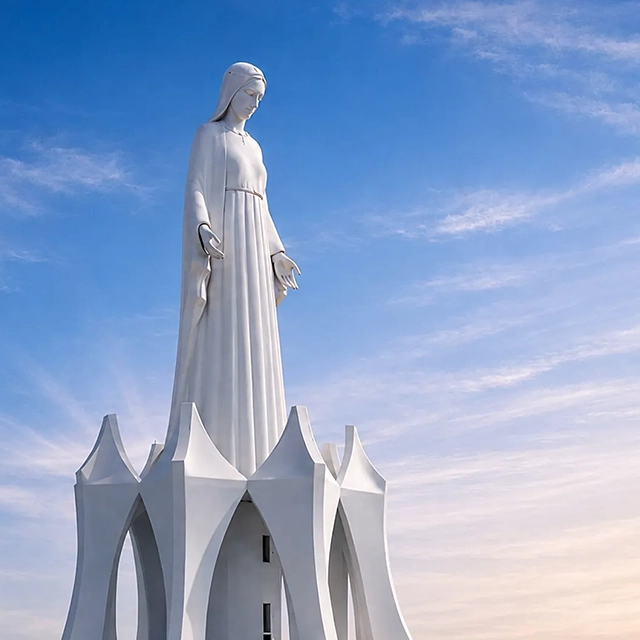
Three days after turning twenty-nine, on Wednesday, January 21, 1998, I carried out my first subversive act against Cuba’s communist system. I went to wait for Pope John Paul II. I went with tremendous enthusiasm. Probably with Gilma, my wife at the time. We positioned ourselves on the right-hand sidewalk of Paseo, between 7th and 5th Streets, in Havana’s Vedado district. We waited for about an hour and a half.


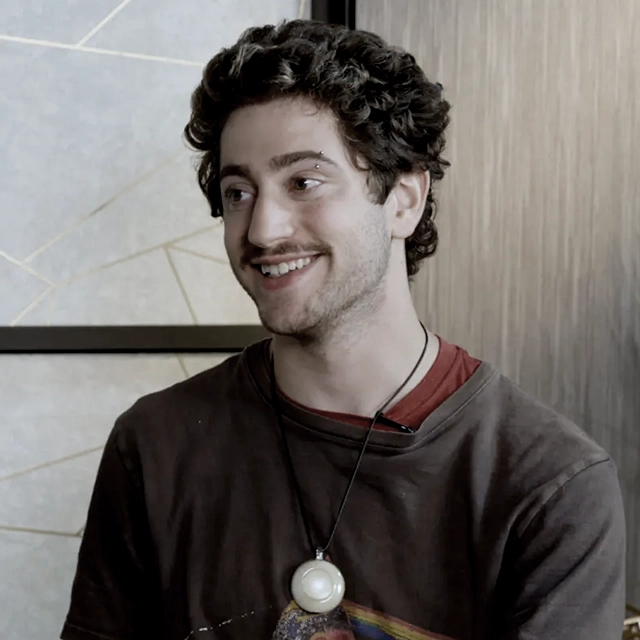
Avi Schiffmann was born in Washington State on October 26, 2002. That same month saw the release of Ghost Ship, a gothic supernatural thriller that, through its pale and diluted horror, moralizes about the sin of greed. A salvage crew discovers the ocean liner Antonia Graza, lost for forty years, drifting in the Bering Sea; on board, they find gold bars and the remnants of a massacre. They soon realize the ship is cursed: a demon has set a trap to harvest as many souls as possible, using the treasure as bait.
There are moments of alignment, when it seems as if the universe is sending us a sign. Vain hope. One could say the same of crossing a disciplined line of ants at work, each keeping perfect distance from the other—and all it would mean is that they are carrying organic matter back to the nest.

In these times, corporate philanthropy moves with caution. At least in the United States, it seems to be entering a period of adjustment. Federal scrutiny over diversity, equity, and inclusion policies has altered donation strategies. It is not something that keeps me awake at night. It leaves, rather, a curious sensation—like noticing, in a moment of distraction, that a cloud has drifted over the sun while a cold breeze lifts one corner of the notebook.
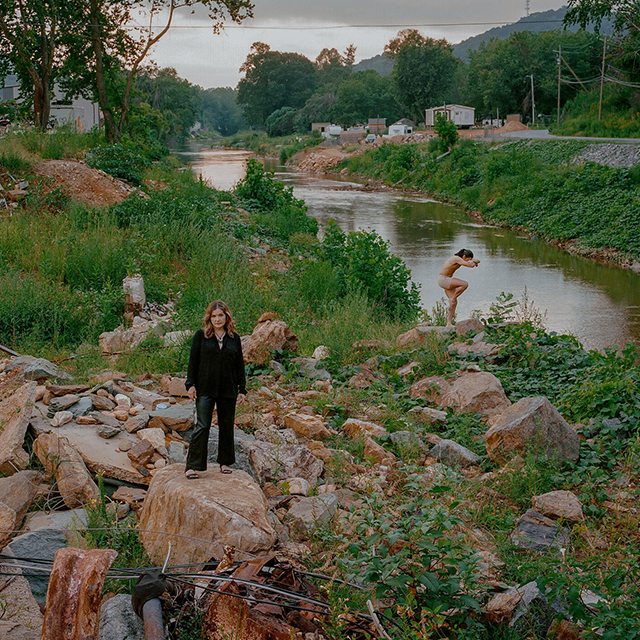
Helene has been regarded as the deadliest inland hurricane in modern U.S. history. It was impossible to foresee the magnitude of the disaster as it moved toward eastern Tennessee and western North Carolina. It was there, in the latter, that the greatest number of deaths occurred—over a hundred. Material damage is incalculable. Recovery has been slow, fueling political debates. Yet even if it had been swift and efficient, the loss of human lives is irreparable.
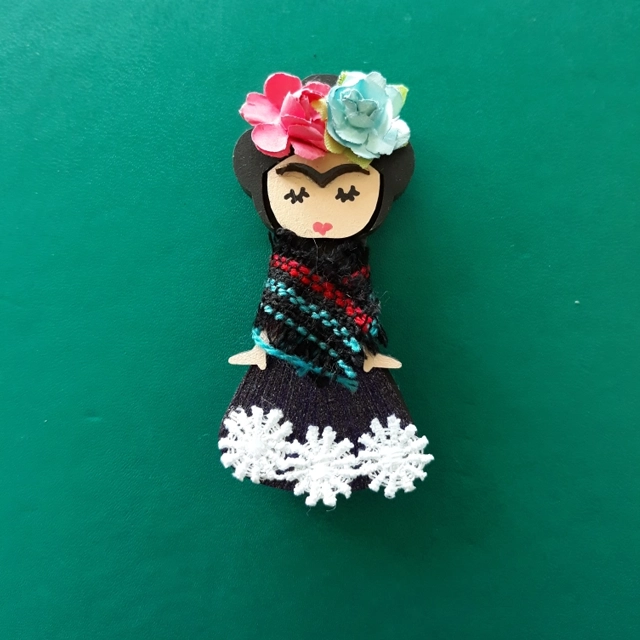
It is enough to walk long enough through the arteries of any major city for the iconic eyebrows of Frida Kahlo to emerge from some unexpected corner. Alongside the Virgin of Guadalupe and the poblano chili, they constitute Mexico’s leading exports and a confused symbol for millions of women worldwide. In her homeland her image circulates on banknotes, perfumes, and the most unimaginable supports.

I have long sensed that the most refined renderings of the human—beginning with the exaltation of the body—are found in fashion photography. Its formal indulgences usually conceal symbolic intentions, more or less explicit. Face and hands alike retain evidence of what has been lived. They are extraordinarily narrative. They speak of the work we have done—and the work we have left undone. They also speak of gesture, both public and private.
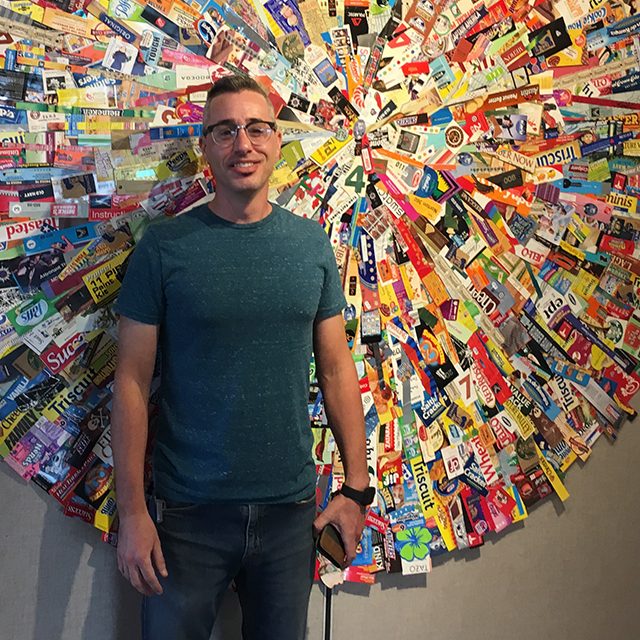
The universe is a concert of patterns. Galaxies, solar systems, and planets share elements in common and others that set them apart. The same holds true for nations, cities, and communities. Cincinnati possesses a remarkable artistic community. As I gradually come to know its members, patterns begin to reveal themselves—those that identify them as part of a universal order, and those that distinguish them from others operating in different ecosystems...
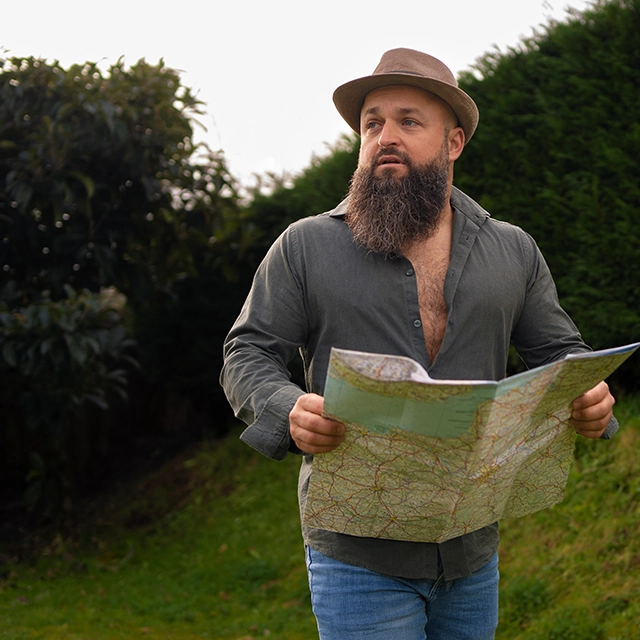
The art market revolves around monumental sums. What captures the spotlight is usually the excessive sale, the broken record, the news that one artist or another has climbed the rankings. The tip of the iceberg. Behind these dazzling transactions lies the effort, talent, and dedication of one of its key figures: the advisor. A specialist who assumes he will never shine before the public...
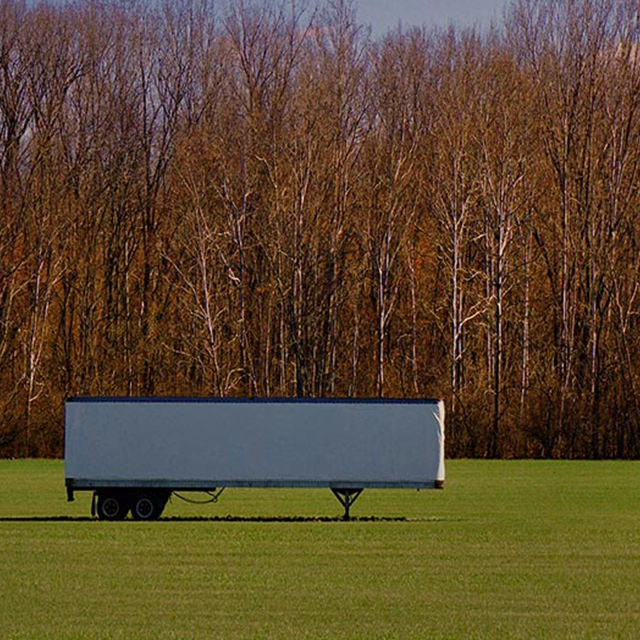
Creative anxieties: “Anxiety limits my ability to travel, but don’t tell my mom” is the subtitle Juan-Sí González gives to his recent American Playgrounds series, from which a selection of 21 images is included in this catalog from his recent exhibition at the Cleveland Print Room in Cleveland, Ohio. For an immigrant, the alternative—moving with relative spontaneity around an unknown territory, at the mercy of an alien geography and culture...
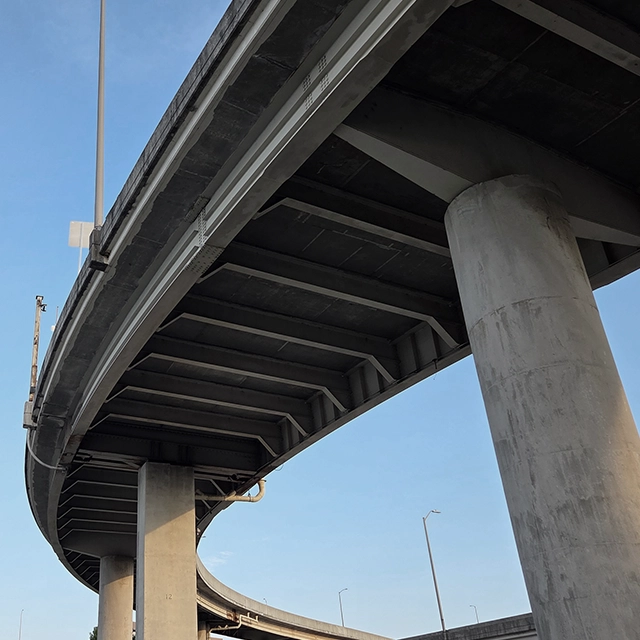
In mid-August, in Louisville, Kentucky, I attended a conversation with Cuban artists presenting their work at Louisville Visual Art. My compatriots, the familiar. In a country where everything seems to flow through rigid channels, surprise is rare. I speak of migrant artists, many of them newly arrived. Some pieces were more compelling than others, and the stories carried nuances best considered one by one. As in cooking, the flavor of each ingredient, tasted alone, can prove more intense and memorable than the mixture in which it dissolves
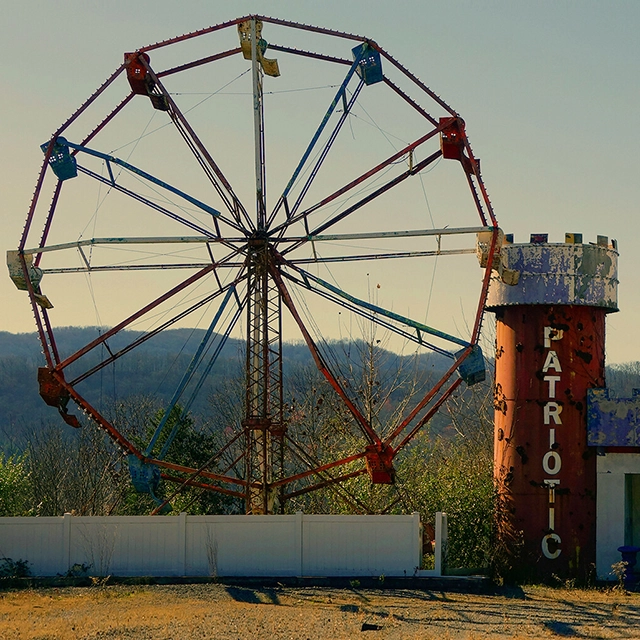
I have spoken at length with Juan-Sí. Twice in person, once by phone. About a month ago we shared a coffee, standing in my kitchen—the first guest to step into my still chairless apartment. Each time our dialogue drew to a close, after the inevitable farewell, I was left with the impression that I had merely touched the widening circle of water at the surface of a well whose depths few have known. That expanding ripple produced by such a fleeting contact is what I now attempt to turn into memory.

For some time now, fashion—and particularly the advertising that shadows it—has put forth powerful images of Black women. Not the average African American—an archetype we might briefly allow ourselves to treat as stereotype—nor the women born in Europe, but those who come from, dwell in, or have only just arrived from the deepest heart of Africa.

If there is something that substantially differentiates the socioliberal left from today’s woke left, it is the politics of cancellation. And if there is a figure that embodies that debate in the world of cinema, it is the German filmmaker Leni Riefenstahl, author of two highly celebrated documentaries, pioneering in many ways, which she made on commission from Adolf Hitler. It is not the first time nor will it be the last time that we talk about the way of judging the relationship between art and politics

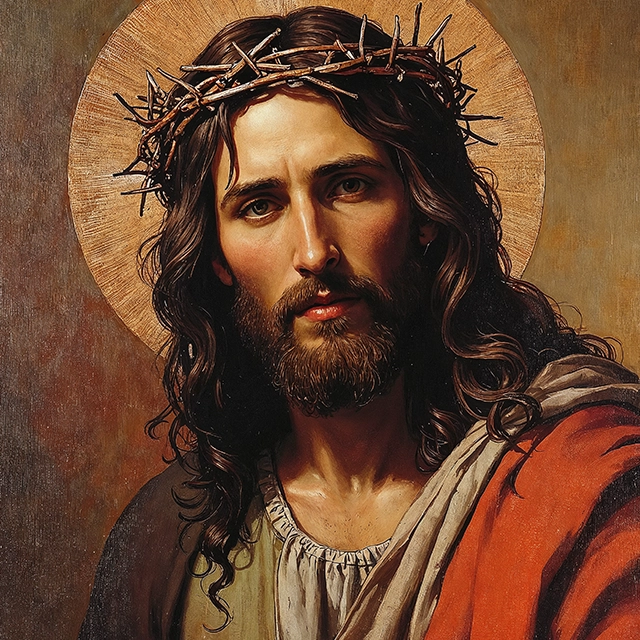
When the prospect of some impending misfortune crosses our mind, we knock on wood. When someone whispers another’s calamity, we knock again. In truth, we spend the day rapping at it. Often it isn’t even real wood. And if such a gesture could truly ward off the avoidable, every carpenter would be the luckiest man alive. Both Joseph and his son Jesus might have been. On one hand, seen through today’s eyes...
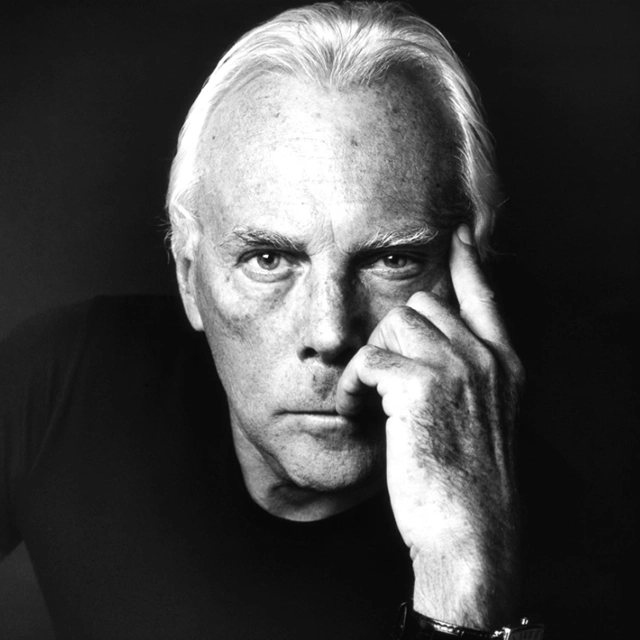
Giorgio Armani died on September 4, 2025, at the age of ninety-one, as confirmed by the Armani Group. He passed peacefully at his home in Milan, surrounded by loved ones, and remained actively bound to his work until his final days, pouring his energy into collections and projects still in motion.


If you’re a regular reader of this blog and enjoy its content, you might consider contributing to its upkeep. Any amount, no matter how small, will be warmly appreciated
Founded in 2021, Echoes (Notes of Visual Narrative) invites everyone to explore together the visual codes that shape our world—art, photography, design, and advertising in dialogue with society.

Copyright © 2026 r10studio.com. All Rights Reserved. Website Powered by r10studio.com
Cincinnati, Ohio