
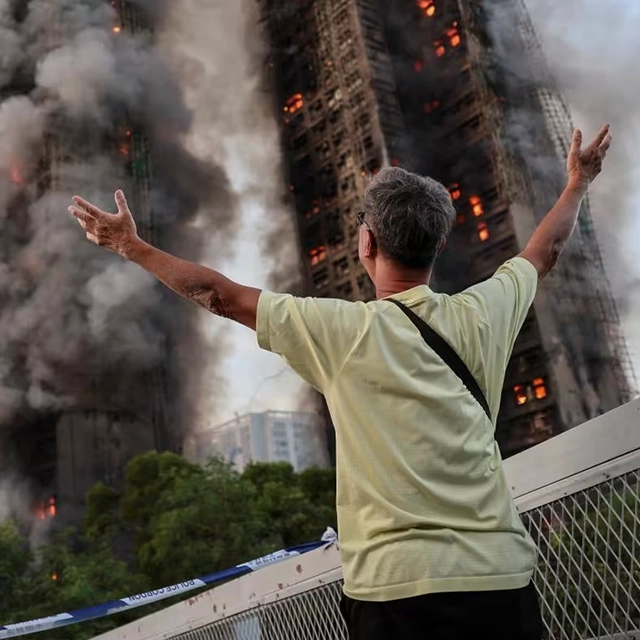
Over the past two weeks, I have seen this photograph reproduced again and again across an overwhelming number of news outlets. I cannot say it impresses me from a technical standpoint—far from it. And yet it unsettles me in a way very little manages to these days. It is likely to be chosen among the year’s most striking images. Even if it isn’t, it already belongs to my private selection.
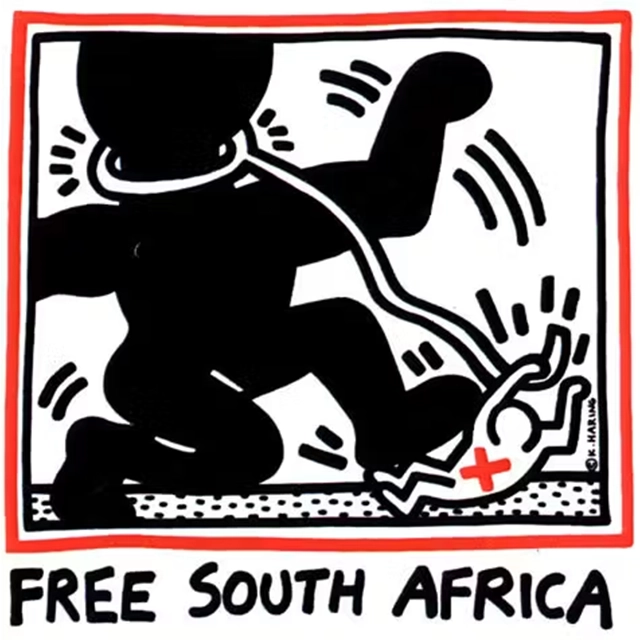
I have a rough idea of where New Zealand is on the map. And I’m quite pleased not to know it with any greater precision; in that vagueness, the place remains slightly mysterious, a little enigmatic. Even there —so far from what we consider the heart of the planet, which is our apartment— events unfold that feel uncannily familiar. My grandmother Jacinta used to say: En tolos sitios cuecen fabes… y dalgunes, hasta les quemen. (Everywhere, the same dramas simmer)
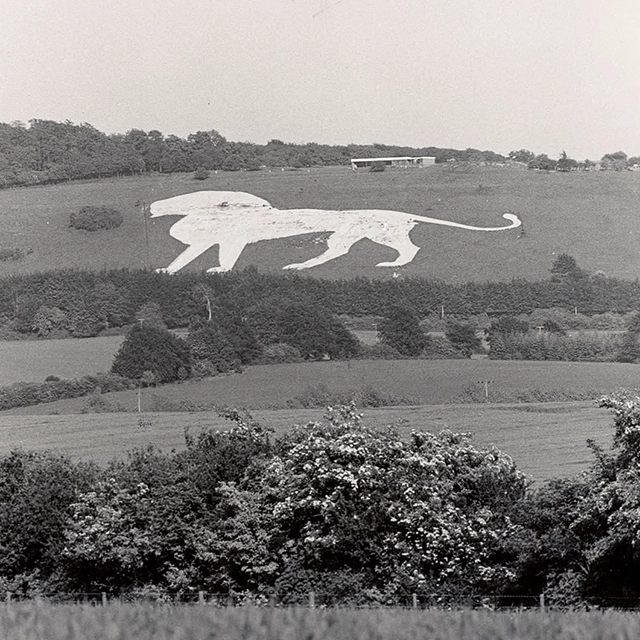
Many of us love stories about extraterrestrials. Enjoyable, measured, tinged with mystery. For some, though, they become a feverish fixation. They comb the internet the way people once prowled libraries, hunting for hidden messages, for the codes and arcana exchanged in some shadowy dimension—guardians of the secrets.
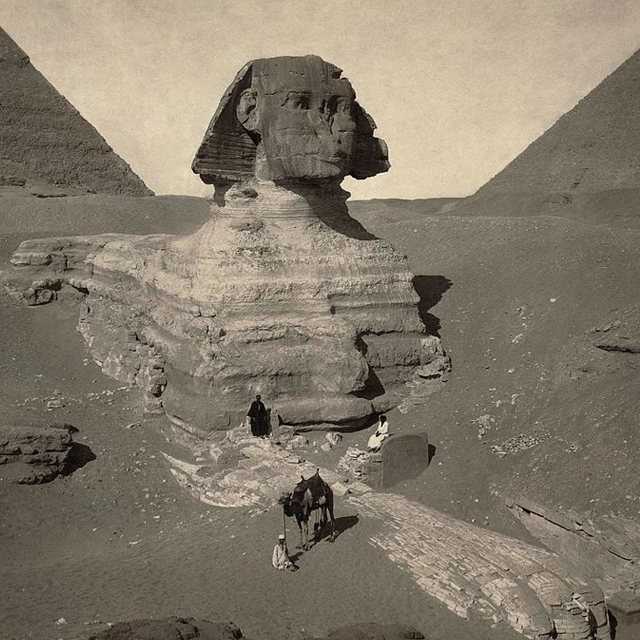
It’s not going to happen, of course, but let us imagine that, suddenly, the Egyptian people —not in an Arab spring but in an Arab autumn— decide that their past is shameful, that all its physical evidence, its traces and monuments, must be erased. They rush with torches along the western bank of the Nile —the shore of the dead: Giza, Saqqara, Luxor, Thebes, Abu Simbel— in a near-telluric frenzy of destruction...
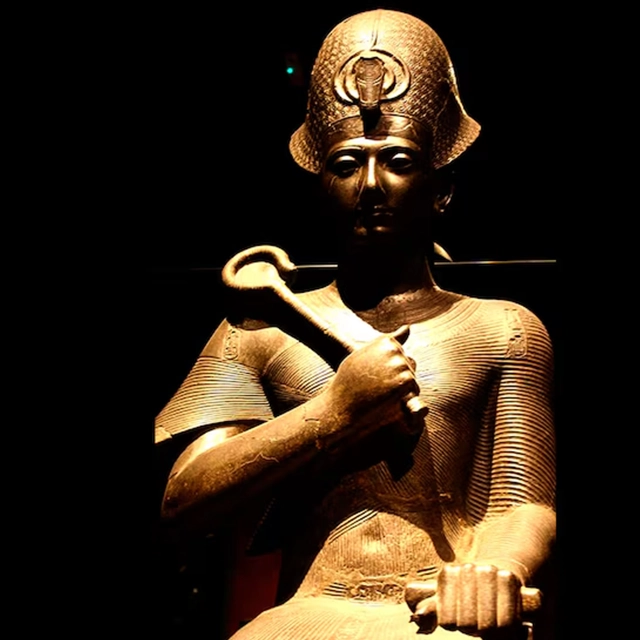
In 1992 I was very hungry. Not appetite—hunger. Cuba was enduring what was possibly the darkest year of what the government called the “Special Period in Time of Peace.” That was how President Fidel Castro named it in his televised addresses. For the weight of his words, for the absolute finality of every decision, he could be considered a pharaoh—and in some way, he was...
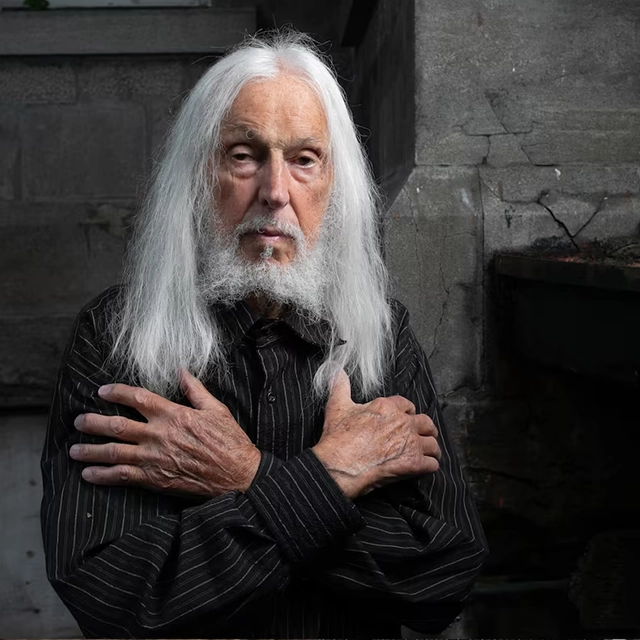
No one told me. As, in the distance, we begin to make out the white summits of sixty, and while we hurriedly weigh what still lies ahead, we also start to calibrate what we’ve left behind. We turn hypersensitive, and the weight of transience settles comfortably on our shoulders. No one will lift it off. Imagine we have passed ninety and are left only with memory—if it hasn’t been lost along the way—and the counterweight of our legacy. We watch how the most conspicuous thing, the mark we might call our trace...
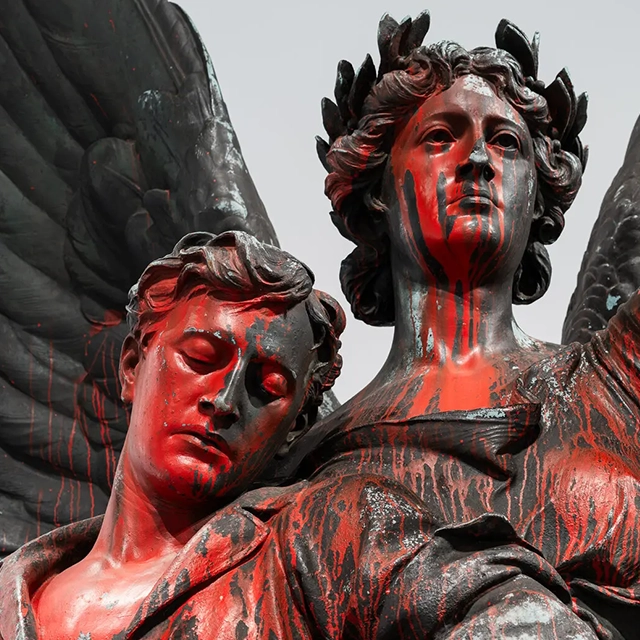
I ended the previous piece speaking about what has happened to my country after dismantling practically every vestige of its republican past. The revolutionaries abolished even the privately owned shoe-repair shops. They changed names as charming as “La Cenicienta” to Unit 256 for General Shoe Repair. They stripped them of every sign of identity, every trace of belonging. Where there had once been a prudent owner and two, three, or four cobblers, the space was taken over by a director and a deputy director...
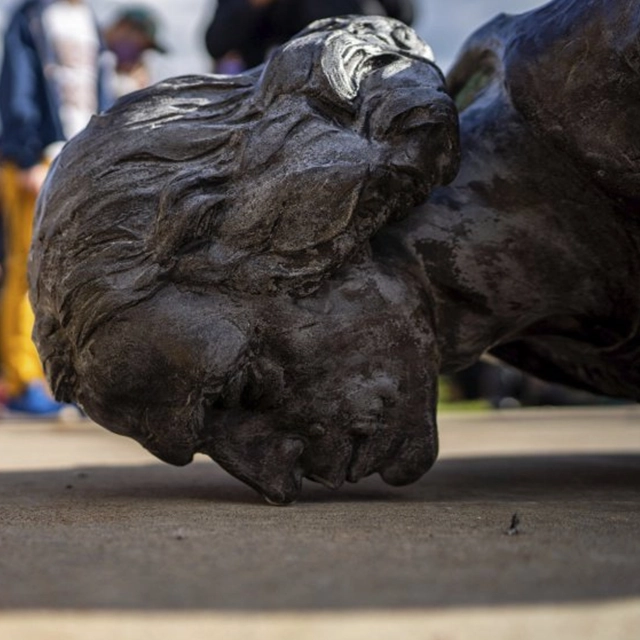
I keep in my files an article The New York Times published on June 11, 2020. You’ll recall those were particularly unsettled months. The paper updated it on the 24th, while the protests over the murder of George Floyd in Minneapolis—on May 25, 2020, at the hands of a white police officer—were still echoing. The crime—captured on video and broadcast everywhere—unleashed a global wave of outrage against systemic racism and police violence in the United States.

The greatest library of its age, that of Alexandria, burned intermittently over several centuries. Thousands of scrolls vanished, and with them much of antiquity’s science, philosophy, and literature. The intellectual inheritance of the ancient world was reduced to ash. We cannot rule out deliberate intent in some of those episodes. Long before, a vast portion of Phoenician-Punic art had disappeared in the wars we know as the Punic Wars. Nothing remained of Carthage, a cultural and artistic power of its time.


If you’re a regular reader of this blog and enjoy its content, you might consider contributing to its upkeep. Any amount, no matter how small, will be warmly appreciated
Founded in 2021, Echoes (Notes of Visual Narrative) invites everyone to explore together the visual codes that shape our world—art, photography, design, and advertising in dialogue with society.

Copyright © 2026 r10studio.com. All Rights Reserved. Website Powered by r10studio.com
Cincinnati, Ohio