April | 2026
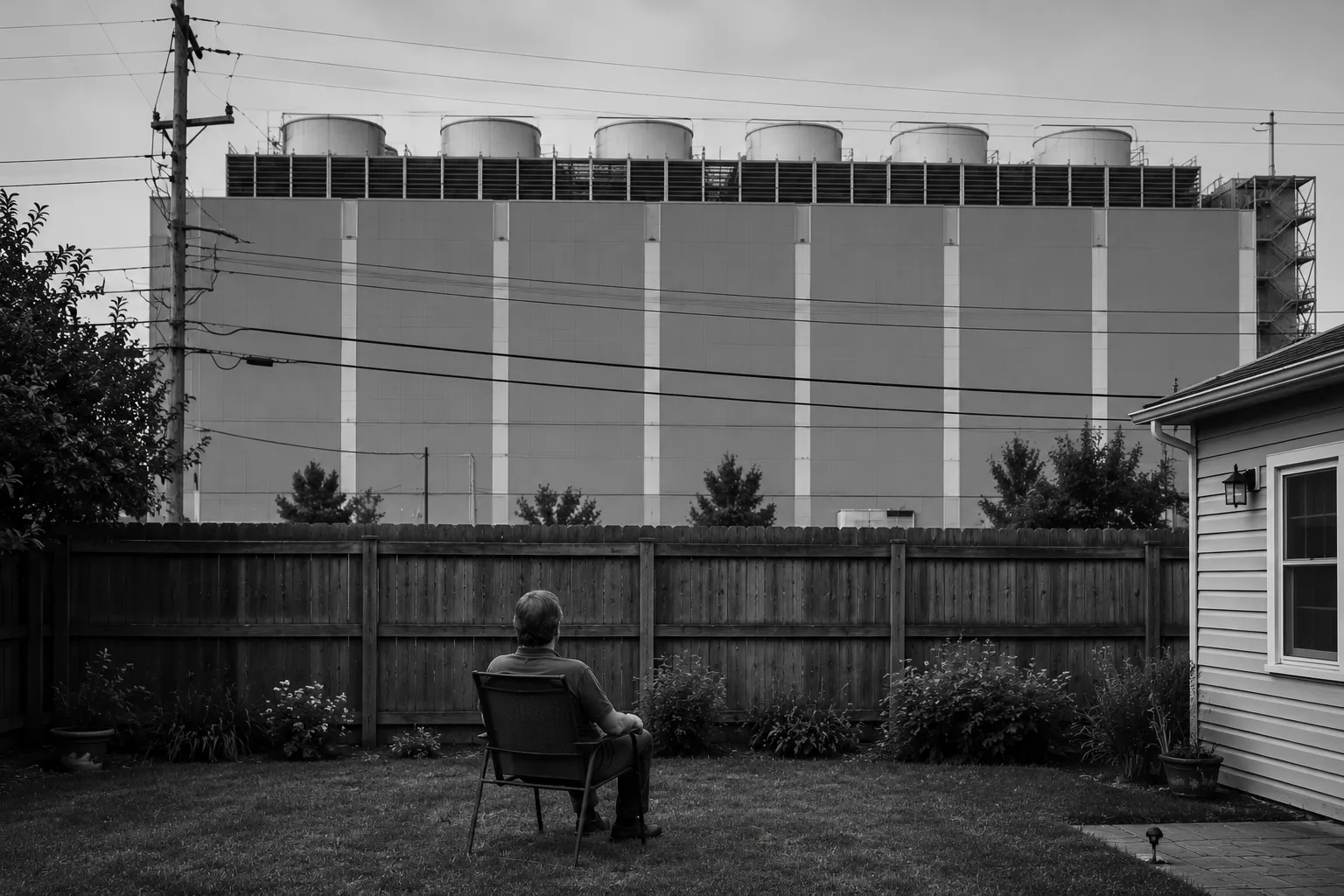
Americans are growing wary of the data centers arriving near their homes. A Harvard and MIT poll of 1,000 people found 40 percent supported a local facility and 32 percent opposed one, with an e-commerce warehouse drawing greater acceptance. Two-thirds worried that a data center would raise regional electricity prices. A separate Quinnipiac survey of 1,397 adults found a harsher result, with 65 percent opposing an AI data center in their community and 24 percent supporting it.
The warehouse comparison strips away the polished language surrounding AI infrastructure. A fulfillment center brings trucks, traffic, and difficult jobs, but residents can see the exchange being proposed. Data centers occupy enormous buildings, consume electricity and water, and employ relatively few people after construction. Their product leaves through cables, while neighbors remain with cooling equipment, transmission demands, tax agreements, and possible pressure on utility bills. Promises of innovation have little force at a zoning meeting when the permanent payroll is small and households suspect they will subsidize industrial power use. The backlash turns cloud computing into a local argument over land and rates. Companies seeking new sites will have to persuade elected officials and utility customers who can identify the building behind the service and calculate what it adds to the monthly bill.
La población estadounidense mira con creciente recelo los centros de datos que llegan cerca de sus casas. Una encuesta de Harvard y MIT realizada a 1.000 personas encontró un 40 por ciento de apoyo a una instalación local y un 32 por ciento de rechazo, mientras un almacén de comercio electrónico obtenía mayor aceptación. Dos tercios temían que el centro elevara el precio regional de la electricidad. Otra encuesta de Quinnipiac entre 1.397 adultos registró un resultado más duro, con un 65 por ciento en contra de construir un centro de IA en su comunidad y un 24 por ciento a favor.
La comparación con el almacén elimina el lenguaje pulido que rodea a la infraestructura de IA. Un centro logístico trae camiones, tráfico y empleos difíciles, pero la población puede ver el intercambio propuesto. Los centros de datos ocupan edificios enormes, consumen electricidad y agua, y mantienen pocos puestos cuando termina la construcción. Su producto sale por cables, mientras el vecindario conserva los equipos de refrigeración, la demanda sobre la red, los acuerdos fiscales y la posible presión sobre las facturas. Las promesas de innovación pesan poco en una reunión municipal cuando la nómina permanente es reducida y los hogares sospechan que financiarán el consumo industrial. La disputa devuelve la nube al suelo y obliga a las empresas a convencer a autoridades y clientes eléctricos capaces de calcular cuánto añade el edificio al recibo mensual.
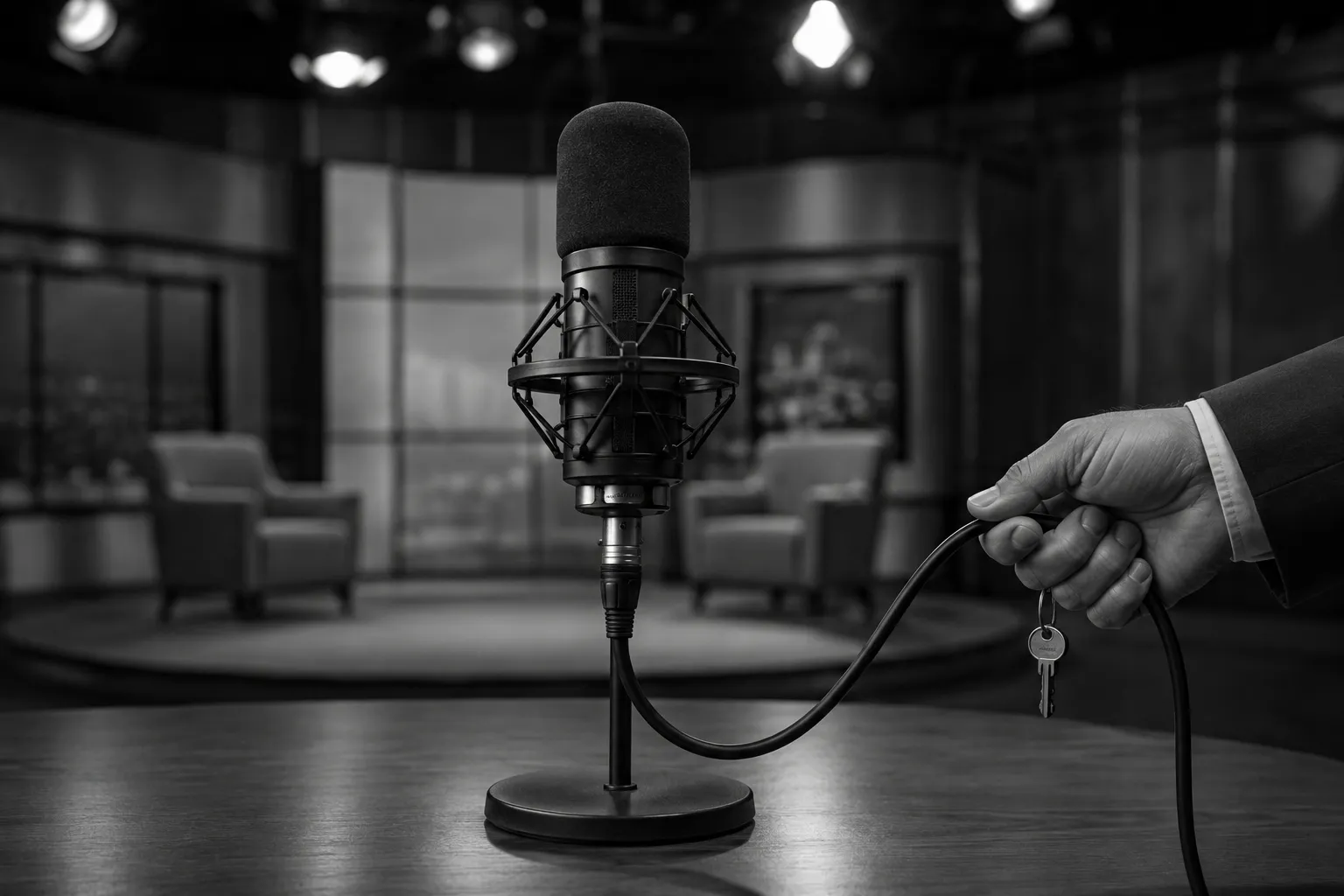
OpenAI acquired TBPN, the daily three-hour business talk show hosted by former founders John Coogan and Jordi Hays. It is the company’s first media acquisition. The program, which airs on YouTube and X, has built a Silicon Valley following by interviewing executives including Mark Zuckerberg, Satya Nadella, and Sam Altman. OpenAI says TBPN will keep its brand, choose its guests, and retain editorial independence, while the show joins OpenAI’s strategy team under chief political operative Chris Lehane.
The arrangement places ownership inside the conversation it seeks to influence. TBPN covers OpenAI and its rivals, and its appeal rests on insiders speaking candidly among peers. After the sale, every criticism of the parent company will carry an extra fact beside it, even when no executive intervenes. Editorial independence can govern decisions in the studio, yet ownership determines salaries, expansion, reporting lines, and the conditions under which the studio continues. OpenAI also plans to use the hosts’ communications and marketing instincts outside the show. A media outlet valued for access thus becomes part of the subject’s communications apparatus. Sam Altman says he expects no gentler treatment, but audiences must now judge each interview through a corporate structure that reports to the political strategist charged with defending OpenAI.
OpenAI compró TBPN, el programa diario de negocios de tres horas presentado por los antiguos fundadores John Coogan y Jordi Hays. Es la primera adquisición de un medio por parte de la empresa. El espacio, emitido en YouTube y X, reunió a un público fiel en Silicon Valley con entrevistas a ejecutivos como Mark Zuckerberg, Satya Nadella y Sam Altman. OpenAI afirma que TBPN conservará su marca, elegirá a sus invitados y mantendrá independencia editorial, aunque quedará dentro del equipo de estrategia bajo el mando del operador político Chris Lehane.
El acuerdo coloca al propietario dentro de la conversación que pretende influir. TBPN cubre a OpenAI y a sus rivales, y buena parte de su atractivo proviene de ver a personas poderosas hablar con franqueza entre colegas. Después de la compra, cada crítica a la empresa matriz cargará con ese dato, incluso si ningún ejecutivo interviene. La independencia editorial puede regir las decisiones del estudio, pero la propiedad fija salarios, expansión, jerarquías y las condiciones para seguir emitiendo. OpenAI también aprovechará el talento de los presentadores para la comunicación y el marketing fuera del programa. Un medio valorado por su acceso pasa así a formar parte del aparato comunicativo de aquello que cubre. Sam Altman promete que no recibirá un trato más suave, mientras el público deberá leer cada entrevista dentro de una estructura que responde al estratega encargado de defender a OpenAI.

Anthropic accidentally triggered the removal of thousands of GitHub repositories while trying to take down copies of leaked source code from Claude Code. The company’s notice reached around 8,100 repositories, including legitimate forks of Anthropic’s own public repository. Anthropic later said the error came from a fork network and retracted most of the notices. GitHub restored access to the affected projects.
The incident gives open software an uncomfortable legal shape. A repository can be public, copied, modified, and still remain connected to a private claim over one accidental release. The takedown system does not need to understand the code to interrupt its circulation. It needs a notice, an automated route, and a platform willing to act before the dispute has been examined. Anthropic’s mistake was corrected, but the temporary disappearance was already a kind of power. Developers who had done nothing wrong became collateral inside a company’s attempt to protect its product. Public code survives through forks, mirrors, and trust in shared infrastructure. One mistaken notice can turn that infrastructure into a switch controlled by the owner of the source code.
Anthropic provocó accidentalmente la retirada de miles de repositorios de GitHub mientras intentaba eliminar copias del código fuente filtrado de Claude Code. El aviso de la empresa alcanzó unos 8.100 repositorios, incluidos forks legítimos del propio repositorio público de Anthropic. Más tarde, la compañía dijo que el error se produjo por una red de forks y retiró la mayoría de las notificaciones. GitHub restauró el acceso a los proyectos afectados.
El incidente da al software abierto una forma legal incómoda. Un repositorio puede ser público, copiarse y modificarse, y aun así quedar conectado a una reclamación privada sobre una filtración accidental. El sistema de retirada no necesita comprender el código para interrumpir su circulación. Solo necesita una notificación, una ruta automática y una plataforma dispuesta a actuar antes de examinar la disputa. El error de Anthropic se corrigió, pero la desaparición temporal ya fue una forma de poder. Desarrolladores que no habían hecho nada incorrecto se convirtieron en daños colaterales del intento de una empresa por proteger su producto. El código público sobrevive mediante forks, copias y confianza en una infraestructura compartida. Una notificación equivocada puede convertir esa infraestructura en un interruptor controlado por el dueño del código.