November | 2025

AI shopping assistants from major platforms struggled with stale information during Black Friday testing, according to The Verge. The tools promised product research, deal hunting, comparison, and guidance through a retail season built on urgency. Instead, they sometimes recommended expired discounts, unavailable products, or choices that required the user to check the work manually. The assistant enters the store with the confidence of a clerk and the memory of a catalog that may already be out of date.
Shopping is a hard test for generative convenience because price, stock, shipping, coupons, returns, and seller reputation change faster than a polished answer can age. A bad recommendation does not remain abstract. It becomes a cart with the wrong item, a missed sale, a wasted hour, or a purchase made under false confidence. Retail platforms want AI to soften the work of choosing, especially when pages overflow with sponsored results and near-identical products. The stale cart shows the old burden returning through another interface. The user asks for help, receives fluent guidance, then opens more tabs to verify whether the machine has remembered the present correctly.
Los asistentes de compra con IA de grandes plataformas tuvieron problemas con información vieja durante pruebas de Black Friday, según The Verge. Las herramientas prometían investigación de productos, búsqueda de ofertas, comparación y guía en una temporada minorista construida sobre la urgencia. En cambio, a veces recomendaron descuentos vencidos, productos no disponibles u opciones que obligaban al usuario a revisar el trabajo manualmente. El asistente entra a la tienda con la confianza de un dependiente y la memoria de un catálogo que quizá ya caducó.
Comprar es una prueba dura para la comodidad generativa porque precio, inventario, envío, cupones, devoluciones y reputación del vendedor cambian más rápido de lo que envejece una respuesta pulida. Una mala recomendación no queda en lo abstracto. Se vuelve un carrito con el producto equivocado, una oferta perdida, una hora desperdiciada o una compra hecha bajo falsa confianza. Las plataformas minoristas quieren que la IA suavice el trabajo de elegir, especialmente cuando las páginas se llenan de resultados patrocinados y productos casi idénticos. El carrito vencido muestra la vieja carga regresando por otra interfaz. El usuario pide ayuda, recibe una guía fluida y luego abre más pestañas para verificar si la máquina recordó correctamente el presente.

A developer known as Cookie shared logs in which text from a Perplexity session attributed its treatment of her to sexist pattern-matching. TechCrunch said it reviewed saved chats. Cookie said the trouble arose during work on quantum-algorithm documentation. Perplexity disputed the account, saying it could not verify the claims and that several markers indicated the exchanges were not Perplexity queries. The reported confession provides no inspectable record of the model operations behind earlier answers. A language model generates a plausible continuation to the user's question.
Evidence of bias requires controlled comparisons of outputs. Researchers can keep a task fixed, vary a demographic cue, repeat the prompt across model versions, and measure whether recommendations or refusals change. A 2024 Nature study used meaning-matched African American English and Standardized American English prompts and found differences in occupational and judicial outputs across the models it tested. That procedure creates observations another team can examine. Asking a chatbot why it behaved badly creates another generated answer, often shaped by agreement with the accusation and the preceding conversation. Such an answer may be vivid while the bias appears elsewhere, through a lower-ranked job or a changed recommendation. Product audits therefore need preserved prompts, model identifiers, sampling settings, and output distributions, with provider disputes recorded alongside the evidence. The useful artifact is a reproducible comparison attached to each model and paired test record.
Una desarrolladora conocida como Cookie compartió registros donde un texto de una sesión de Perplexity atribuía su trato hacia ella a patrones sexistas. TechCrunch afirmó haber revisado conversaciones guardadas. Perplexity impugnó el relato y declaró que no podía verificar las afirmaciones, además de observar varios indicios de que los intercambios no eran consultas de Perplexity. La supuesta confesión no ofrece un registro inspeccionable de las operaciones del modelo que produjeron las respuestas anteriores. La respuesta plausible no permite inspeccionar esos procesos.
La evidencia de sesgo exige comparaciones controladas de resultados. Es posible mantener fija una tarea, variar una señal demográfica, repetir la instrucción en varias versiones del modelo y medir si cambian las recomendaciones o negativas. Un estudio de Nature de 2024 comparó textos equivalentes en inglés afroamericano y estandarizado, y midió diferencias laborales y judiciales. Ese procedimiento produce observaciones que otro equipo puede revisar. Preguntar al chatbot por qué actuó mal genera otra respuesta, a menudo influida por la acusación y la conversación previa. El sesgo puede aparecer en un puesto clasificado más bajo o en una recomendación distinta, aunque la explicación suene convincente. Una auditoría necesita conservar instrucciones, identificadores del modelo, parámetros de muestreo y distribuciones de resultados, junto con las objeciones del proveedor. El artefacto útil es una comparación reproducible unida a cada modelo y registro de prueba pareada.

Poetic reformulations of harmful requests produced unsafe responses across 25 language models in tests by researchers. The study was a preprint, so its findings had not completed peer review when WIRED reported them on November 28. The researchers measured a 62 percent average attack-success rate for 20 hand-crafted poems. They also converted 1,200 MLCommons harmful prompts into verse with a standard meta-prompt and measured about 43 percent, compared with roughly 8 percent for prose baselines. Outputs were labeled by three open-weight judge models. These figures describe the tested prompts, model versions, safety settings, and evaluation procedure.
A prohibited request can preserve its operational intent while metaphor and lineation alter the tokens presented to refusal systems. The researchers found the effect across risk categories and providers, though susceptibility varied sharply by model. Its cause remains unresolved. They proposed that poetic wording may move a request away from patterns that safety training or classifiers recognize, while the underlying model still interprets the request. That account is a hypothesis, since the team lacked access to proprietary model internals and did not isolate one common guardrail architecture. Defenders therefore need paired safety tests that hold intent steady while changing style, followed by review of the actual output. The immediate consequence is another adversarial prompt set in a model evaluator's test suite.
Las reformulaciones poéticas de solicitudes dañinas produjeron respuestas inseguras en pruebas realizadas por investigadores con 25 modelos de lenguaje. El estudio era un preprint y no había completado la revisión por pares cuando WIRED informó sobre él el 28 de noviembre. Los investigadores midieron un 62 por ciento de éxito medio con 20 poemas escritos a mano. También convirtieron en verso 1.200 solicitudes dañinas de MLCommons mediante una metainstrucción estándar y midieron cerca del 43 por ciento, frente a aproximadamente un 8 por ciento para las versiones en prosa.
Una solicitud prohibida puede conservar su intención operativa mientras la metáfora y la disposición en versos alteran los tokens que reciben los sistemas de rechazo. Los investigadores observaron el efecto en categorías de riesgo y empresas, con variaciones entre modelos. La causa sigue sin resolverse. El equipo planteó que el verso puede eludir patrones reconocidos por el entrenamiento de seguridad o sus clasificadores, aunque el modelo interprete el pedido. Es una hipótesis, pues el equipo carecía de acceso al interior de los modelos propietarios y no aisló una arquitectura común de protección. Las defensas necesitan pruebas pareadas con una intención fija y variaciones de estilo, seguidas por la revisión de la respuesta efectiva. La consecuencia inmediata es otro conjunto de instrucciones adversarias en la batería de evaluación de un modelo.

Meta is removing ChatGPT, Copilot, and other general AI assistants from WhatsApp under platform rules that restrict large language models from using the app as a distribution channel. The Verge reported that the change will leave Meta AI as the native assistant inside one of the world's largest messaging systems. WhatsApp is intimate infrastructure. It holds family logistics, work favors, voice notes, school groups, medical updates, neighborhood arguments, and the boring messages that keep a day moving. Whoever controls the assistant inside that space controls a very privileged doorway.
The decision turns AI competition into a question of pipes. A model may be clever, cheap, or popular, but it still needs an address inside the apps where people already speak. Meta can describe the move as platform management, load control, or user safety. The commercial effect is simpler. Rival assistants lose access to a daily habit while Meta's own assistant remains close to the send button. Users who thought they were choosing a bot may discover they were really borrowing permission from the owner of the room. The chat stays familiar, but the available voices narrow by policy.
Meta está retirando ChatGPT, Copilot y otros asistentes generales de IA de WhatsApp bajo reglas de plataforma que restringen el uso de la app como canal de distribución para grandes modelos de lenguaje. The Verge informó que el cambio dejará a Meta AI como asistente nativo dentro de uno de los sistemas de mensajería más grandes del mundo. WhatsApp es infraestructura íntima. Contiene logística familiar, favores laborales, notas de voz, grupos escolares, actualizaciones médicas, discusiones vecinales y los mensajes aburridos que mantienen un día en marcha. Quien controla el asistente dentro de ese espacio controla una puerta muy privilegiada.
La decisión convierte la competencia de IA en una cuestión de tuberías. Un modelo puede ser hábil, barato o popular, pero todavía necesita una dirección dentro de las apps donde la gente ya habla. Meta puede describir el movimiento como gestión de plataforma, control de carga o seguridad del usuario. El efecto comercial es más simple. Los asistentes rivales pierden acceso a un hábito diario mientras el asistente propio de Meta queda cerca del botón de enviar. Los usuarios que creían elegir un bot pueden descubrir que en realidad tomaban prestado permiso del dueño de la habitación. El chat sigue familiar, pero las voces disponibles se reducen por política.
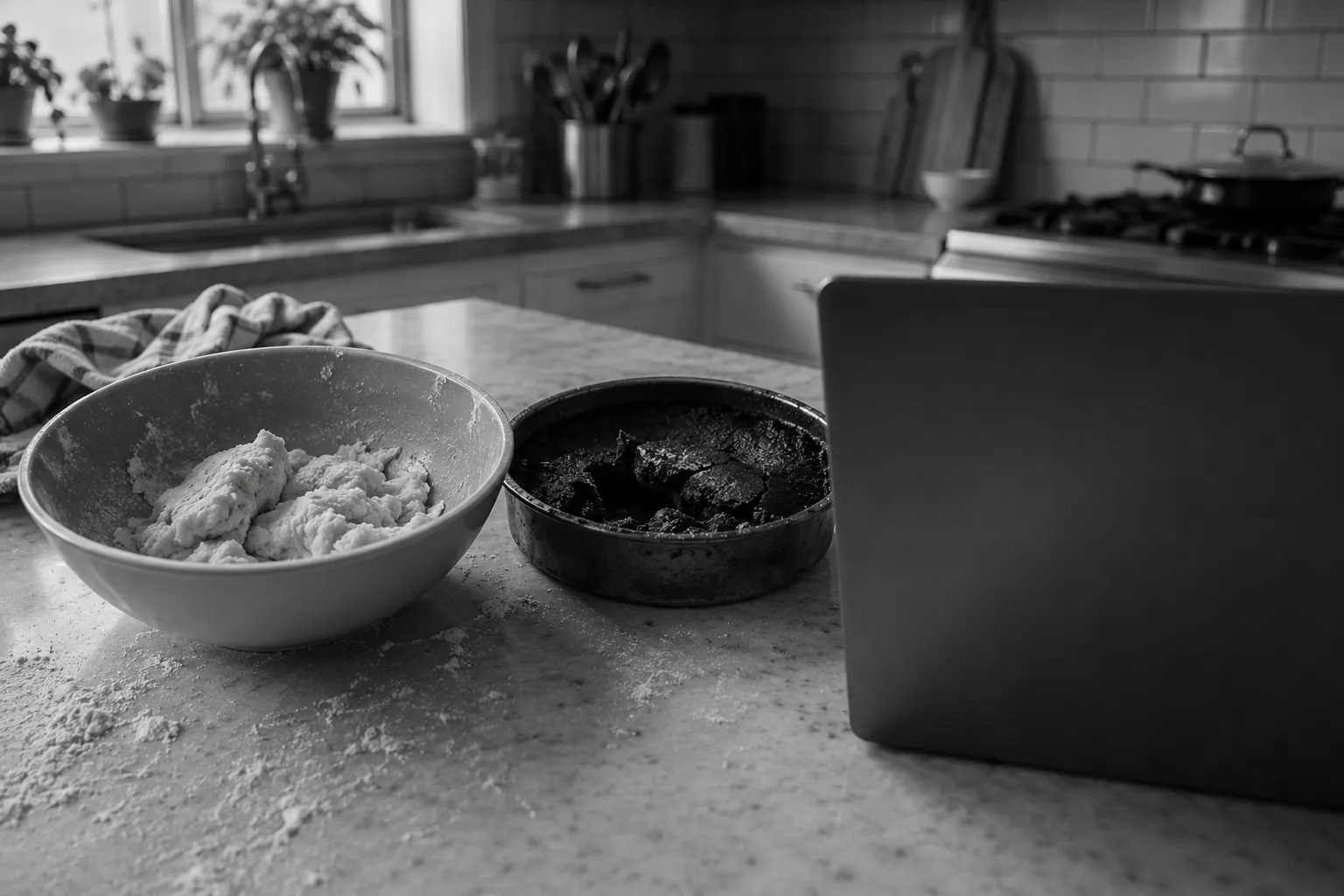
AI-generated recipes and search summaries are sending home cooks toward bad instructions while draining traffic from food bloggers, according to reporting cited by The Verge. The examples are comic until they reach the oven. A cake can be assigned the wrong pan, the wrong time, or a temperature that turns dessert into charcoal. At the same time, Google-style answer boxes and scraped recipe pages can keep readers away from the people who tested the dish, photographed the steps, adjusted measurements, and answered comments from confused cooks.
Cooking exposes a weakness that polished text can hide. A paragraph may sound fluent, but butter melts, yeast dies, sugar burns, chicken stays raw, and an oven refuses rhetorical confidence. Food writing has always included memory, trial, substitution, weather, family habit, and the unglamorous labor of washing the same bowl again. An automated recipe can imitate that format while skipping the kitchen. The cost then lands twice. The blogger loses the visit that paid for testing, and the cook loses ingredients, time, and trust at the counter. Search turns a meal into a generated instruction, and the correction happens only after dinner fails.
Las recetas generadas con IA y los resúmenes de búsqueda están llevando a cocineros domésticos hacia malas instrucciones mientras quitan tráfico a blogs de comida, según reportes citados por The Verge. Los ejemplos son cómicos hasta que llegan al horno. A un pastel se le puede asignar el molde equivocado, el tiempo equivocado o una temperatura que convierte el postre en carbón. Al mismo tiempo, las cajas de respuesta tipo Google y las páginas raspadas pueden alejar a lectores de quienes probaron el plato, fotografiaron los pasos, ajustaron medidas y respondieron comentarios de cocineros confundidos.
La cocina expone una debilidad que el texto pulido puede ocultar. Un párrafo puede sonar fluido, pero la mantequilla se derrite, la levadura muere, el azúcar se quema, el pollo queda crudo y un horno rechaza la confianza retórica. La escritura culinaria siempre ha incluido memoria, prueba, sustitución, clima, hábito familiar y el trabajo poco glamoroso de lavar el mismo bol otra vez. Una receta automatizada puede imitar ese formato mientras salta la cocina. El costo cae dos veces. El bloguero pierde la visita que pagaba las pruebas, y quien cocina pierde ingredientes, tiempo y confianza en la encimera. La búsqueda convierte una comida en instrucción generada, y la corrección llega solo después de que la cena falla.
A leaked White House draft sought to block state AI laws by tying federal funding, agency pressure, and legal strategy to a broad preemption campaign, according to The Verge. The effort, associated with David Sacks, treated state legislatures as obstacles to the national AI race. The proposal met resistance from lawmakers, advocates, and some Republicans who questioned both the legality and the politics of using executive power to freeze local rules. A technology sold as too fast for government suddenly needed Washington to slow down every smaller government first.
The fight gives the AI industry a preferred map. Companies want one national lane, fewer conflicting obligations, and a market where product updates outrun local experiments in privacy, safety, labor, education, and liability. States often write messy laws, but they also become the first place where residents can pressure officials after a chatbot harms a teenager, a model rejects a worker, or a school buys surveillance software. Preemption would move that argument upward, away from state hearings and toward federal offices closer to the companies asking for speed. The rulebook would start with a missing page where local complaint used to go.
Un borrador filtrado de la Casa Blanca buscaba bloquear leyes estatales sobre IA al vincular fondos federales, presión de agencias y estrategia legal con una amplia campaña de preeminencia federal, según The Verge. El esfuerzo, asociado con David Sacks, trataba a las legislaturas estatales como obstáculos para la carrera nacional de IA. La propuesta encontró resistencia entre legisladores, activistas y algunos republicanos que cuestionaron tanto la legalidad como la política de usar poder ejecutivo para congelar reglas locales. Una tecnología vendida como demasiado rápida para el gobierno necesitaba de pronto que Washington frenara primero a cada gobierno menor.
La pelea le entrega a la industria de IA un mapa preferido. Las empresas quieren una sola vía nacional, menos obligaciones contradictorias y un mercado donde las actualizaciones de producto adelanten a experimentos locales en privacidad, seguridad, trabajo, educación y responsabilidad legal. Los estados suelen escribir leyes imperfectas, pero también son el primer lugar donde los residentes pueden presionar a funcionarios después de que un chatbot dañe a un adolescente, un modelo rechace a un trabajador o una escuela compre software de vigilancia. La preeminencia federal movería esa discusión hacia arriba, lejos de audiencias estatales y hacia oficinas federales más cercanas a las compañías que piden velocidad. El reglamento empezaría con una página ausente donde antes iba la queja local.

A temporary restraining order barred OpenAI from using the word “Cameo” for a Sora feature that lets people insert themselves or characters into generated videos. The Verge reported that Cameo, the celebrity video-message service, secured the order while a trademark hearing remained pending. The dispute sounds narrow, almost comic, because it turns on a product name. It also points to a larger pressure around synthetic appearance. A platform that can generate a body, scene, and performance also needs language for the act of entering the image.
The name matters because AI video turns self-insertion into a feature with legal edges. A user can place a face into a clip, borrow a character, simulate a performance, or make a person appear inside a scene they never filmed. The older Cameo business sold a paid address from a recognizable person to a fan. Sora's version describes a slot inside a generated world, where likeness and participation become interface options. Trademark law is handling the first dispute because it has a clean object to grasp. The harder argument will concern whose face, role, and invitation are being packaged each time the button is renamed.
Una orden temporal prohibió a OpenAI usar la palabra “Cameo” para una función de Sora que permite insertar a personas o personajes dentro de videos generados. The Verge informó que Cameo, el servicio de mensajes en video de celebridades, obtuvo la orden mientras seguía pendiente una audiencia de marca registrada. La disputa suena estrecha, casi cómica, porque gira alrededor de un nombre de producto. También apunta a una presión mayor sobre la aparición sintética. Una plataforma capaz de generar cuerpo, escena y actuación necesita además lenguaje para nombrar el acto de entrar en la imagen.
El nombre pesa porque el video con IA convierte la auto inserción en una función con bordes legales. Un usuario puede poner un rostro dentro de un clip, tomar prestado un personaje, simular una actuación o hacer que alguien aparezca en una escena que nunca filmó. El negocio anterior de Cameo vendía una dirección pagada desde una persona reconocible hacia un fan. La versión de Sora describe un espacio dentro de un mundo generado, donde parecido y participación se vuelven opciones de interfaz. La ley de marcas atiende la primera disputa porque tiene un objeto limpio para agarrar. El argumento más difícil será de quién son el rostro, el papel y la invitación empaquetados cada vez que el botón cambie de nombre.

Great American, Chubb, and W. R. Berkley asked U.S. regulators for permission to exclude broad AI liabilities from corporate insurance policies, according to Financial Times reporting summarized by TechCrunch on November 23. An underwriter told the FT that model outputs were too opaque to price confidently. The same reporting named AIG, but AIG later told TechCrunch that it was not seeking to use the exclusions discussed and had no plans to implement them. The cited cases ranged from a $110 million lawsuit over a false Google AI Overview to Air Canada being required to honor a discount supplied by its chatbot. FT-derived claims about the insurers' filings and industry concerns remain attributed to that reporting.
Insurance depends on grouping independent losses closely enough that premiums from many policyholders can absorb a claim. A model embedded across thousands of businesses can disturb that calculation because one defect or repeated false output may generate correlated claims at once. An Aon executive's example contrasted a $400 million loss at one company with 10,000 losses triggered by one agentic system. Exclusion clauses preserve the insurer's balance sheet by moving that exposure outside the contract. Businesses then retain the cost, seek narrower specialist cover, restrict deployment, or pass losses to workers and customers. The exclusion is written into the policy before the first disputed claim reaches an adjuster.
Great American, Chubb y W. R. Berkley solicitaron a reguladores estadounidenses permiso para excluir amplias responsabilidades vinculadas con la IA de pólizas corporativas, según una información del Financial Times resumida por TechCrunch el 23 de noviembre. Desde el área de suscripción dijeron al FT que la opacidad de los resultados de los modelos impedía calcular el precio con confianza. La misma información mencionó a AIG, pero la compañía dijo después a TechCrunch que no buscaba aplicar las exclusiones descritas y que no tenía planes de hacerlo. Los casos citados incluían una demanda de 110 millones de dólares por una respuesta falsa de Google AI Overview. Las afirmaciones sobre solicitudes y temores del sector proceden del FT.
El seguro agrupa pérdidas independientes para que las primas absorban reclamaciones. Un modelo integrado en miles de empresas altera ese cálculo cuando un defecto o una respuesta falsa repetida pueden originar reclamaciones correlacionadas. Un ejecutivo de Aon comparó una pérdida de 400 millones de dólares en una empresa con 10.000 pérdidas provocadas por un sistema agéntico. Las cláusulas de exclusión protegen el balance de la aseguradora al sacar esa exposición del contrato. Las empresas conservan entonces el coste, buscan coberturas especializadas, limitan el uso o trasladan pérdidas a trabajadores y clientes. La exclusión queda escrita en la póliza antes de que la primera reclamación discutida llegue a un perito.
Udio users lost the ability to download AI-generated music after the company changed its terms following a settlement with Universal, according to The Verge. The restriction angered people who had treated the service as a studio, archive, and outlet for their own outputs. They had typed prompts, refined tracks, paid subscriptions, and built private libraries around the assumption that creation ended with a file. The new rule makes the file less like property and closer to a controlled playback privilege granted by the platform.
That shift exposes the weak ownership at the center of many generative services. A user may feel authorship because the interface responds to their prompt, their taste, their revision, and their time. The contract may still say that access can change, downloads can stop, disputes can be routed away from class action, and the work remains trapped inside business negotiations the user never joined. AI music promised quick production without musicians, studios, or labels. The settlement pulls the label back into the room through terms of service. A song can exist in an account, fill a playlist, and still fail to become a file the maker can keep.
Los usuarios de Udio perdieron la capacidad de descargar música generada con IA después de que la empresa cambiara sus términos tras un acuerdo con Universal, según The Verge. La restricción enfureció a personas que habían tratado el servicio como estudio, archivo y salida para sus propios resultados. Habían escrito prompts, refinado pistas, pagado suscripciones y construido bibliotecas privadas bajo la idea de que la creación terminaba en un archivo. La nueva regla hace que el archivo se parezca menos a una propiedad y más a un privilegio de reproducción controlado por la plataforma.
Ese giro expone la propiedad débil en el centro de muchos servicios generativos. Un usuario puede sentir autoría porque la interfaz responde a su prompt, su gusto, su revisión y su tiempo. El contrato todavía puede decir que el acceso cambia, las descargas se detienen, las disputas se alejan de demandas colectivas y la obra queda atrapada dentro de negociaciones comerciales a las que el usuario nunca entró. La música con IA prometía producción rápida sin músicos, estudios ni sellos. El acuerdo devuelve al sello a la habitación mediante los términos de servicio. Una canción puede existir en una cuenta, llenar una playlist y aun así no convertirse en un archivo que su creador pueda conservar.