December | 2025

Instagram head Adam Mosseri closed 2025 by warning that people can no longer trust their eyes to identify what is real, The Verge reported on December 31st. In a long Instagram post, he argued that realistic synthetic photos and videos are forcing platforms to label AI-generated material, verify authentic content, and surface credibility signals about accounts. He also said the old feed of polished personal photos has been dead for years, replaced by DMs, blurry images, unflattering candids, and a temporary hunger for visual rawness as proof.
The suspicious eye is a fitting end to the year. Instagram helped train public life to perform for the camera, then to edit the performance, then to distribute it as personality. Now its own chief describes a world where perfection looks cheap and imperfection becomes defensive evidence. The problem is that AI can imitate dirt, blur, bad framing, and casualness too. Rawness will survive only briefly as a passport of the real. After that, trust moves away from the image and toward accounts, signatures, provenance, and social history. The photograph loses its old privilege as witness. A picture may still wound, seduce, advertise, or remember, but it now arrives asking to be checked before it is believed.
Adam Mosseri, jefe de Instagram, cerró 2025 advirtiendo que la gente ya no puede confiar en sus ojos para identificar qué es real, informó The Verge el 31 de diciembre. En una larga publicación de Instagram, sostuvo que las fotos y videos sintéticos realistas obligan a las plataformas a etiquetar material generado con IA, verificar contenido auténtico y mostrar señales de credibilidad sobre las cuentas. También dijo que el viejo feed de fotos personales pulidas lleva años muerto, reemplazado por mensajes directos, imágenes borrosas, fotos poco favorecedoras y un apetito temporal por la crudeza visual como prueba.
El ojo sospechoso es un cierre adecuado para el año. Instagram ayudó a entrenar la vida pública para actuar ante la cámara, luego para editar esa actuación y después para distribuirla como personalidad. Ahora su propio jefe describe un mundo donde la perfección parece barata y la imperfección se convierte en evidencia defensiva. El problema es que la IA también puede imitar suciedad, desenfoque, mal encuadre y casualidad. La crudeza sobrevivirá poco tiempo como pasaporte de lo real. Después, la confianza se aleja de la imagen y se dirige hacia cuentas, firmas, procedencia e historia social. La fotografía pierde su antiguo privilegio como testigo. Una imagen todavía puede herir, seducir, anunciar o recordar, pero ahora llega pidiendo ser revisada antes de ser creída.

China is proposing stricter rules for chatbot use, The Verge reported on December 30th. The draft would require minors and elderly users to register a guardian before using AI services, with notifications sent when subjects such as suicide appear. Chatbots would also be barred from emotional manipulation and from promoting violence, crime, self-harm, or similar dangers. If passed, the rules would create one of the most restrictive public frameworks for conversational AI, aimed at the moments when a private exchange with a machine becomes a matter for family oversight and state control.
The guardian account changes the fantasy of the chatbot as a sealed room. A conversation with an artificial voice may feel intimate because it arrives through a personal device, in ordinary language, at any hour. China's proposal treats that intimacy as a regulated zone. The vulnerable user is placed inside a triangle formed by platform, household, and government. That structure may catch real danger, especially when systems flatter distress or repeat harmful suggestions. It also turns emotional speech into an alertable event. A sentence typed in loneliness can summon a notification, a rule, a file, or an adult authority. The chatbot remains conversational, but the room has acquired a witness.
China propone reglas más estrictas para el uso de chatbots, informó The Verge el 30 de diciembre. El borrador exigiría que menores y personas mayores registren a un tutor antes de usar servicios de IA, con notificaciones cuando aparezcan temas como suicidio. Los chatbots también tendrían prohibido manipular emocionalmente y promover violencia, crimen, autolesión o peligros similares. Si se aprueban, las reglas crearían uno de los marcos públicos más restrictivos para la IA conversacional, dirigido a los momentos en que un intercambio privado con una máquina se vuelve asunto de supervisión familiar y control estatal.
La cuenta tutelar cambia la fantasía del chatbot como cuarto cerrado. Una conversación con una voz artificial puede sentirse íntima porque llega mediante un dispositivo personal, en lenguaje ordinario, a cualquier hora. La propuesta china trata esa intimidad como zona regulada. El usuario vulnerable queda dentro de un triángulo formado por plataforma, hogar y gobierno. Esa estructura puede detectar peligro real, especialmente cuando los sistemas halagan el malestar o repiten sugerencias dañinas. También convierte el habla emocional en evento notificable. Una frase escrita en soledad puede convocar una alerta, una regla, un expediente o una autoridad adulta. El chatbot sigue siendo conversacional, pero la habitación adquirió testigo.

Meta agreed to acquire Manus, a Singapore-based startup with Chinese roots that sold a general-purpose AI agent, TechCrunch reported on December 29th. Manus had attracted attention with demonstrations of software screening job candidates, planning trips, writing code, and analyzing investments. The company offered paid subscriptions and claimed millions of users, giving Meta a functioning agent product after a year of enormous spending on models, infrastructure, and talent. Reports placed the deal above $2 billion, though Meta did not disclose the price.
The acquisition compresses a familiar technology cycle. A small company presents autonomy as a product, gains attention through demonstrations, moves across borders, and enters the platform whose capital can distribute it globally. Meta receives engineers, subscriptions, and an agent that can be woven into consumer and business services. Manus receives scale while surrendering the independence that made it appear disruptive. The company’s Chinese origins also ensure that the transaction will be read through export controls and national competition, even after its relocation to Singapore. Users may experience the deal later as a new button inside Meta AI. The underlying change occurs earlier, in ownership records, employee contracts, and decisions about which platform controls the agent’s access to people and their work.
Meta acordó adquirir Manus, una startup radicada en Singapur y con raíces chinas que vendía un agente de IA de propósito general, informó TechCrunch el 29 de diciembre. Manus había llamado la atención con demostraciones de software que evaluaba candidatos laborales, planificaba viajes, escribía código y analizaba inversiones. La empresa ofrecía suscripciones pagadas y afirmaba tener millones de usuarios, lo que daba a Meta un producto funcional de agentes después de un año de enorme gasto en modelos, infraestructura y talento. Algunos informes situaron el acuerdo por encima de 2.000 millones de dólares, aunque Meta no reveló el precio.
La compra comprime un ciclo tecnológico familiar. Una compañía pequeña presenta la autonomía como producto, atrae atención mediante demostraciones, cruza fronteras y entra en la plataforma cuyo capital puede distribuirla globalmente. Meta recibe ingenieros, suscripciones y un agente integrable en servicios para consumidores y empresas. Manus obtiene escala mientras entrega la independencia que la hacía parecer disruptiva. Sus orígenes chinos también harán que la transacción sea interpretada mediante controles de exportación y competencia nacional, incluso después del traslado a Singapur. Los usuarios quizá encuentren el acuerdo más tarde como un botón nuevo dentro de Meta AI. El cambio empieza antes, en registros de propiedad, contratos laborales y decisiones sobre qué plataforma controla el acceso del agente a las personas y su trabajo.

OpenAI is hiring a new Head of Preparedness, TechCrunch reported on December 28th, with a listed compensation of $555,000 plus equity. The role is meant to run the company's framework for tracking frontier AI capabilities that could produce severe harm, from cybersecurity abuse to biological risks, self-improving systems, and mental health effects. Sam Altman wrote that models are beginning to create real challenges, including their possible impact on vulnerable users and their growing ability to find critical software vulnerabilities.
Risk has become a job description. The title sounds abstract, but the work sits inside a company that releases products, competes with rivals, answers lawsuits, manages investors, and adjusts safety standards when competitors move faster. Preparedness names a bureaucratic attempt to hold danger before it becomes scandal, regulation, or grief. The vacancy also reveals how unstable that function remains. OpenAI created a preparedness team in 2023, reassigned its previous lead in 2024, and watched other safety figures leave or shift roles. The company now needs someone to turn uncertainty into meetings, thresholds, memos, and release decisions. The most unsettling part of the listing is its ordinary form. Catastrophic risk arrives as a salary band, a reporting line, and an open seat in San Francisco.
OpenAI busca contratar una nueva persona para dirigir Preparedness, informó TechCrunch el 28 de diciembre, con una compensación publicada de 555.000 dólares más acciones. El cargo debe ejecutar el marco de la compañía para rastrear capacidades de IA de frontera que podrían producir daños severos, desde abuso en ciberseguridad hasta riesgos biológicos, sistemas capaces de mejorarse a sí mismos y efectos sobre salud mental. Sam Altman escribió que los modelos empiezan a crear retos reales, incluidos su posible impacto en usuarios vulnerables y su creciente capacidad para encontrar vulnerabilidades críticas de software.
El riesgo se ha convertido en descripción de puesto. El título suena abstracto, pero el trabajo vive dentro de una empresa que lanza productos, compite con rivales, responde demandas, gestiona inversionistas y ajusta estándares de seguridad cuando otros laboratorios se mueven más rápido. Preparedness nombra un intento burocrático de retener el peligro antes de que se vuelva escándalo, regulación o duelo. La vacante también muestra lo inestable que sigue siendo esa función. OpenAI creó un equipo de preparedness en 2023, reasignó a su líder anterior en 2024 y vio salir o cambiar de rol a otras figuras de seguridad. La empresa ahora necesita a alguien que convierta incertidumbre en reuniones, umbrales, memorandos y decisiones de lanzamiento. Lo más inquietante del anuncio es su forma ordinaria. El riesgo catastrófico llega como banda salarial, línea de reporte y silla abierta en San Francisco.
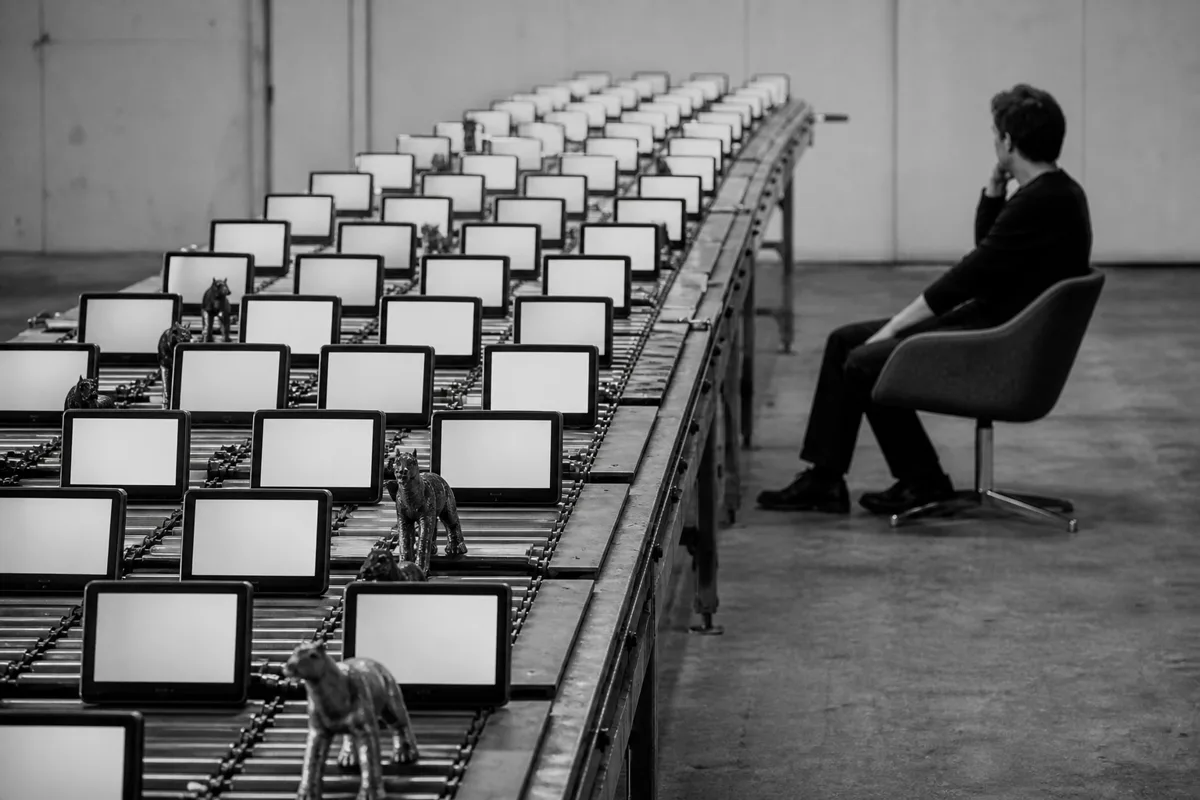
Over one fifth of the videos recommended to a new YouTube account were low-quality AI productions designed to harvest views, The Guardian reported on December 27th. Researchers created a fresh account and found 104 synthetic videos among the first 500 recommendations. A wider review identified 278 popular channels devoted entirely to this material, with billions of views and an estimated $117 million in annual revenue. The platform’s first impression of a viewer now includes a substantial dose of automated abundance before personal taste has supplied any signal.
A new account reveals what the recommendation system offers by default. With no history to guide it, YouTube can test cheap spectacle that already performs well across broad audiences. Synthetic animals, invented disasters, recycled celebrities, and generic narration arrive in endless variations because production costs have collapsed. The creator does not need a durable audience when the platform can continually deliver uncommitted viewers. This arrangement makes AI slop an economic category rather than an aesthetic accident. Its repetition follows the incentives of advertising and recommendation. Users can train the feed by rejecting videos, yet the first burden falls on them to clean a space they have barely entered. The empty account opens, and the conveyor belt is already running.
Más de una quinta parte de los videos recomendados a una cuenta nueva de YouTube eran producciones de IA de baja calidad diseñadas para recoger visitas, informó The Guardian el 27 de diciembre. Los investigadores crearon una cuenta desde cero y encontraron 104 videos sintéticos entre las primeras 500 recomendaciones. Una revisión más amplia identificó 278 canales populares dedicados enteramente a este material, con miles de millones de vistas e ingresos anuales estimados en 117 millones de dólares. La primera impresión que la plataforma ofrece a un espectador ya incluye una dosis considerable de abundancia automatizada antes de que el gusto personal aporte alguna señal.
Una cuenta nueva revela lo que el sistema de recomendaciones ofrece por defecto. Sin historial que lo guíe, YouTube puede probar espectáculo barato que ya funciona entre públicos amplios. Animales sintéticos, desastres inventados, celebridades recicladas y narración genérica llegan en variaciones interminables porque los costos de producción se derrumbaron. El creador puede prescindir de una audiencia estable cuando la plataforma entrega continuamente espectadores sin compromiso. Este arreglo convierte el contenido basura de IA en una categoría económica y sigue los incentivos de la publicidad y la recomendación. Los usuarios pueden entrenar el feed rechazando videos, aunque reciben primero la tarea de limpiar un espacio al que acaban de entrar. La cuenta vacía se abre y la cinta transportadora ya está funcionando.
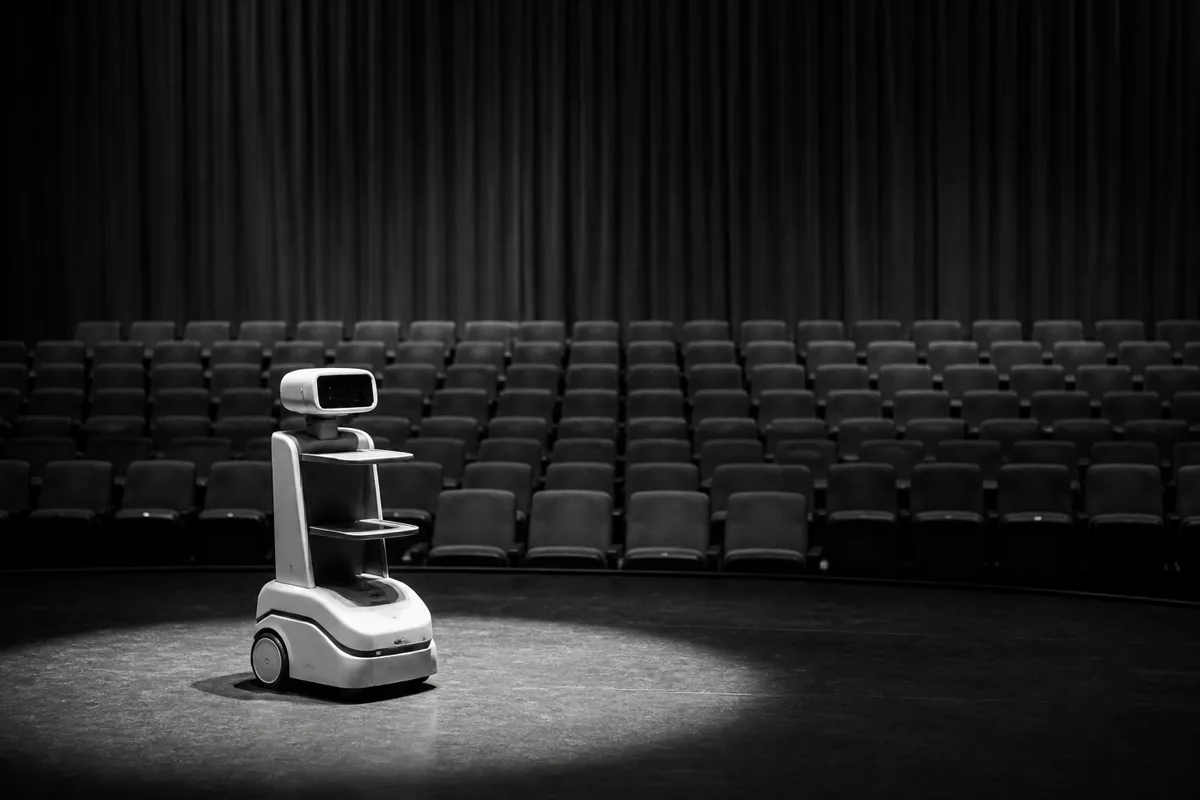
Technology investors ended 2025 predicting that AI agents would finally fulfill their promise in 2026, TechCrunch reported on December 26th. The same discussion acknowledged that agents had failed to meet much of the previous year’s excitement. Systems marketed as autonomous workers still struggled with long tasks, unexpected interfaces, permissions, and errors that required human correction. The forecast survived the evidence by moving its arrival date forward. Venture capital depends on this calendar, since unfinished capability can continue attracting money when completion remains one year away.
The annual prediction performs useful financial work. It keeps a product category alive between demonstrations and reliable deployment, gives startups a story for fundraising, and allows buyers to describe experimental budgets as preparation for an approaching shift. Employees experience the promise differently. They are asked to document their work, supervise tools, repair outputs, and anticipate jobs that may disappear once the agent improves. The machine’s future competence therefore reorganizes labor before that competence exists. A forecast can influence hiring and investment even when the software still needs a person beside it. At the end of 2025, the agent remained caught between assistant and employee. Investors placed it on the next year’s stage, while workers stayed responsible for opening the curtain and finishing the task.
Los inversionistas tecnológicos terminaron 2025 prediciendo que los agentes de IA finalmente cumplirían su promesa en 2026, informó TechCrunch el 26 de diciembre. La misma conversación reconoció que los agentes habían quedado lejos del entusiasmo del año anterior. Los sistemas comercializados como trabajadores autónomos todavía tropezaban con tareas largas, interfaces inesperadas, permisos y errores que exigían corrección humana. El pronóstico sobrevivió a la evidencia desplazando hacia adelante la fecha de llegada. El capital de riesgo depende de ese calendario, porque una capacidad incompleta puede seguir atrayendo dinero cuando su terminación permanece a un año de distancia.
La predicción anual cumple una función financiera útil. Mantiene viva una categoría de producto entre demostraciones y despliegues confiables, da a las startups un relato para recaudar fondos y permite que los compradores describan presupuestos experimentales como preparación para un cambio próximo. Los trabajadores viven la promesa de otra manera. Deben documentar tareas, supervisar herramientas, reparar resultados y anticipar empleos que podrían desaparecer cuando el agente mejore. La competencia futura de la máquina reorganiza el trabajo antes de existir. Un pronóstico puede influir en contratación e inversión aunque el software todavía necesite una persona a su lado. Al final de 2025, el agente seguía entre asistente y empleado. Los inversionistas lo colocaron en el escenario del año siguiente mientras los trabajadores quedaron encargados de abrir el telón y terminar la tarea.
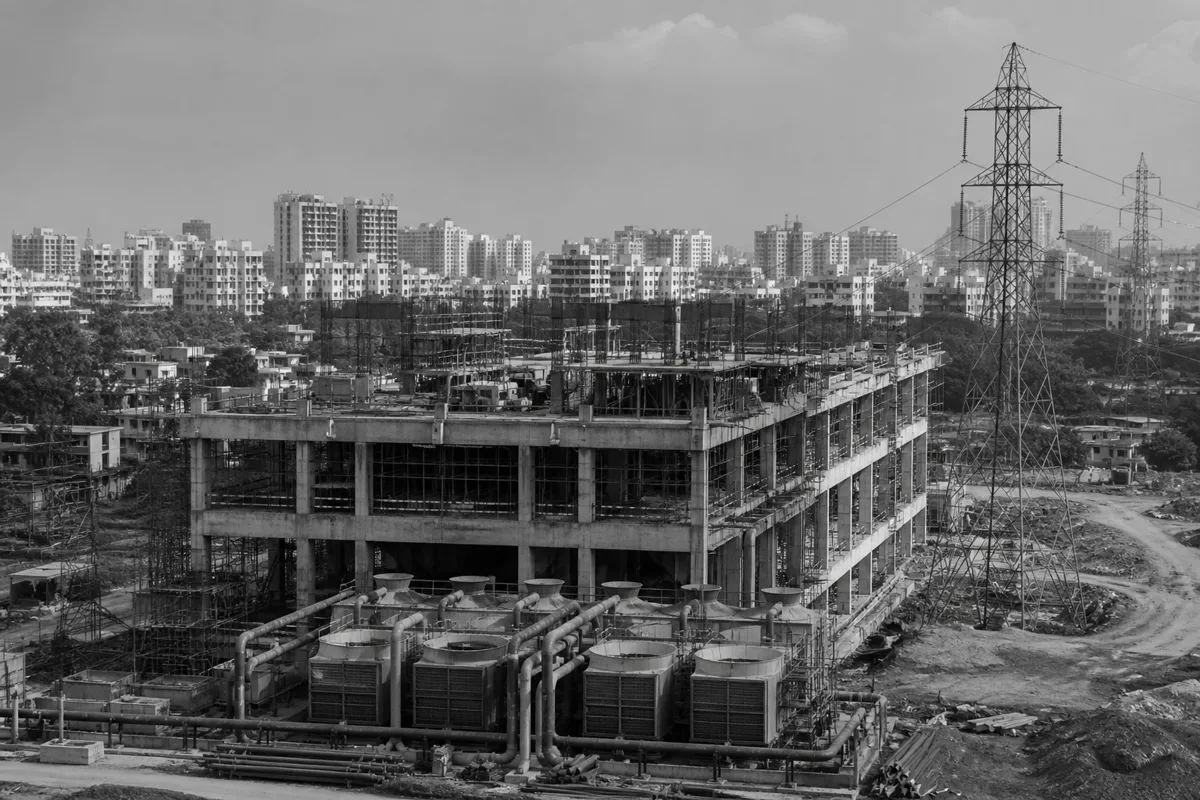
Amazon, Microsoft, and Google pledged a combined $67.5 billion in Indian investment during the final months of 2025, The Washington Post reported on December 25th. Much of the spending was expected to flow into data centers and artificial intelligence infrastructure. India offers a vast market, a large technical workforce, and growing demand for cloud services, while officials present AI as a route toward economic development. The promised facilities also require land, electricity, water, imported chips, and agreements that determine where data and profits will reside.
Investment figures create an image of arrival before a building opens or a worker is hired. A government can announce capacity while foreign platforms keep control of the models, cloud contracts, and technical standards that use it. Local companies may gain faster computing and new services, but they also enter an economy organized by a small group of outside providers. Data-center construction makes this dependency visible in concrete and transmission lines. Communities near the sites will encounter the project through power demand, land prices, water permits, and security fences. The national promise is intelligence at scale. The local transaction begins with a utility connection, a construction boundary, and a contract deciding who receives priority when the new machines switch on.
Amazon, Microsoft y Google prometieron una inversión conjunta de 67.500 millones de dólares en India durante los últimos meses de 2025, informó The Washington Post el 25 de diciembre. Buena parte del gasto se dirigiría a centros de datos e infraestructura de inteligencia artificial. India ofrece un mercado vasto, una gran fuerza laboral técnica y una demanda creciente de servicios en la nube, mientras los funcionarios presentan la IA como una vía de desarrollo económico. Las instalaciones prometidas también requieren terreno, electricidad, agua, chips importados y acuerdos que determinen dónde residirán los datos y las ganancias.
Las cifras de inversión producen una imagen de llegada antes de que abra un edificio o se contrate a un trabajador. Un gobierno puede anunciar capacidad mientras plataformas extranjeras conservan el control de los modelos, contratos de nube y estándares técnicos que la utilizan. Las empresas locales pueden obtener cómputo más rápido y servicios nuevos, pero ingresan en una economía organizada por un pequeño grupo de proveedores externos. La construcción vuelve visible esa dependencia mediante concreto y líneas de transmisión. Las comunidades cercanas encontrarán el proyecto en la demanda eléctrica, el precio del terreno, los permisos de agua y las cercas de seguridad. La promesa nacional ofrece inteligencia a escala. La transacción local comienza con una conexión eléctrica, un límite de obra y un contrato que decide quién tendrá prioridad cuando las máquinas se enciendan.

Waymo is testing Gemini as an in-car assistant for its robotaxis, TechCrunch reported on December 24th after researcher Jane Manchun Wong found a 1,200-line system prompt inside the company's app code. The unreleased assistant is designed to answer passenger questions, control some cabin features such as temperature, lighting, and music, and reassure riders without pretending to be the vehicle's driving system. The prompt also tells Gemini to avoid explaining real-time driving decisions, commenting on incidents, or speaking as if it were the Waymo Driver.
The cabin becomes a divided machine. One system moves the car through traffic, another talks to the passenger, and both are kept separate by language rules. That separation is meant to protect trust, but it also produces a strange form of company speech. The rider sits in a vehicle without a driver and hears an assistant trained to be useful, calm, and evasive at the exact point where fear might appear. The ride is no longer silent automation. It is automation with a host, a script, a list of forbidden answers, and a voice that can dim the lights while declining to explain why the car slowed down.
Waymo está probando Gemini como asistente dentro de sus robotaxis, informó TechCrunch el 24 de diciembre después de que la investigadora Jane Manchun Wong encontrara un prompt de sistema de 1.200 líneas dentro del código de la app de la compañía. El asistente, aún no lanzado, está diseñado para responder preguntas de pasajeros, controlar algunas funciones de cabina como temperatura, luces y música, y tranquilizar a quienes viajan sin fingir que es el sistema de conducción del vehículo. El prompt también le indica a Gemini que evite explicar decisiones de manejo en tiempo real, comentar incidentes o hablar como si fuera el Waymo Driver.
La cabina se convierte en una máquina dividida. Un sistema mueve el auto por el tráfico, otro habla con el pasajero, y ambos se mantienen separados mediante reglas de lenguaje. Esa separación busca proteger la confianza, pero también produce una forma extraña de discurso corporativo. Quien viaja se sienta en un vehículo sin conductor y escucha a un asistente entrenado para ser útil, calmado y evasivo justo en el punto donde podría aparecer el miedo. El viaje ya no es automatización silenciosa. Es automatización con anfitrión, guion, lista de respuestas prohibidas y una voz capaz de bajar las luces mientras se niega a explicar por qué el auto redujo la velocidad.
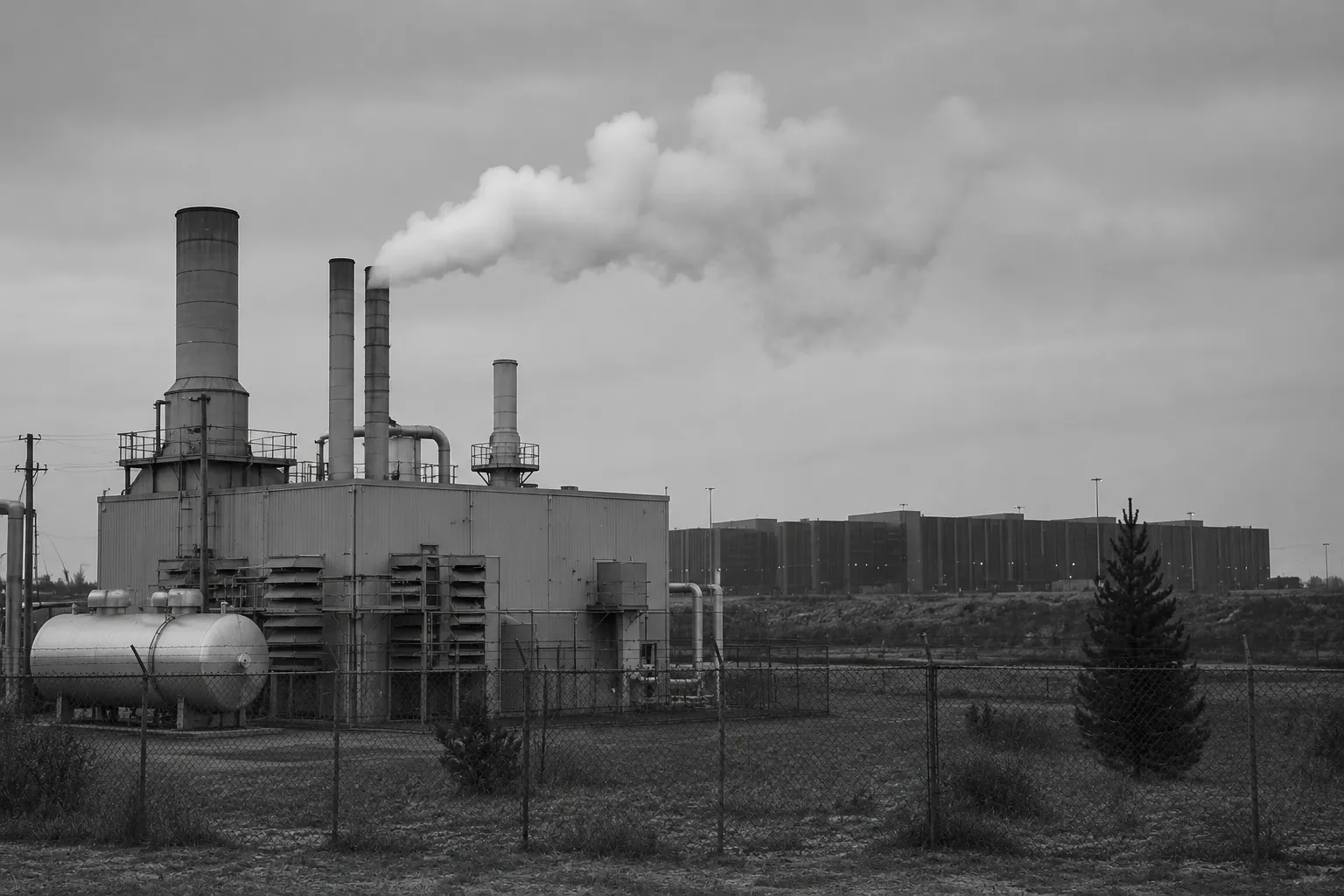
AI data centers are forcing some dirty peaker power plants back into service, Reuters reported on December 23rd. These plants are usually kept for moments when electricity demand spikes, and many carry heavier pollution burdens than cleaner sources. The new pressure comes from server farms that need steady power for chips, cooling, networking, and backup systems. A prompt on a phone can feel frictionless because the power plant is somewhere else.
The peaker plant gives the cloud a visible exhaust pipe. Data centers arrive with promises of intelligence, jobs, tax revenue, and digital growth, but the grid answers in megawatts and emergency margins. When demand rises faster than clean supply, older plants return as the practical answer to a modern appetite. The burden then falls unevenly. The user sees a generated paragraph, the company books compute capacity, and nearby residents live with the air, noise, and risk of keeping the system ready for peaks. The answer on the screen may be new. The smoke behind it belongs to an older machine brought back for another shift.
Los centros de datos de IA están forzando el regreso de algunas plantas eléctricas contaminantes de respaldo, informó Reuters el 23 de diciembre. Estas plantas suelen reservarse para momentos en que la demanda eléctrica se dispara, y muchas cargan con más contaminación que las fuentes limpias. La nueva presión viene de granjas de servidores que necesitan energía estable para chips, refrigeración, redes y sistemas de respaldo. Un prompt en un teléfono puede sentirse sin fricción porque la planta eléctrica está en otra parte.
La planta de respaldo le da a la nube un tubo de escape visible. Los centros de datos llegan con promesas de inteligencia, empleos, ingresos fiscales y crecimiento digital, pero la red responde en megavatios y márgenes de emergencia. Cuando la demanda crece más rápido que el suministro limpio, plantas antiguas regresan como respuesta práctica a un apetito moderno. La carga cae de forma desigual. El usuario ve un párrafo generado, la compañía reserva capacidad de cómputo y los residentes cercanos viven con el aire, el ruido y el riesgo de mantener el sistema listo para los picos. La respuesta en la pantalla puede ser nueva. El humo detrás de ella pertenece a una máquina más vieja convocada a otro turno.