December | 2025
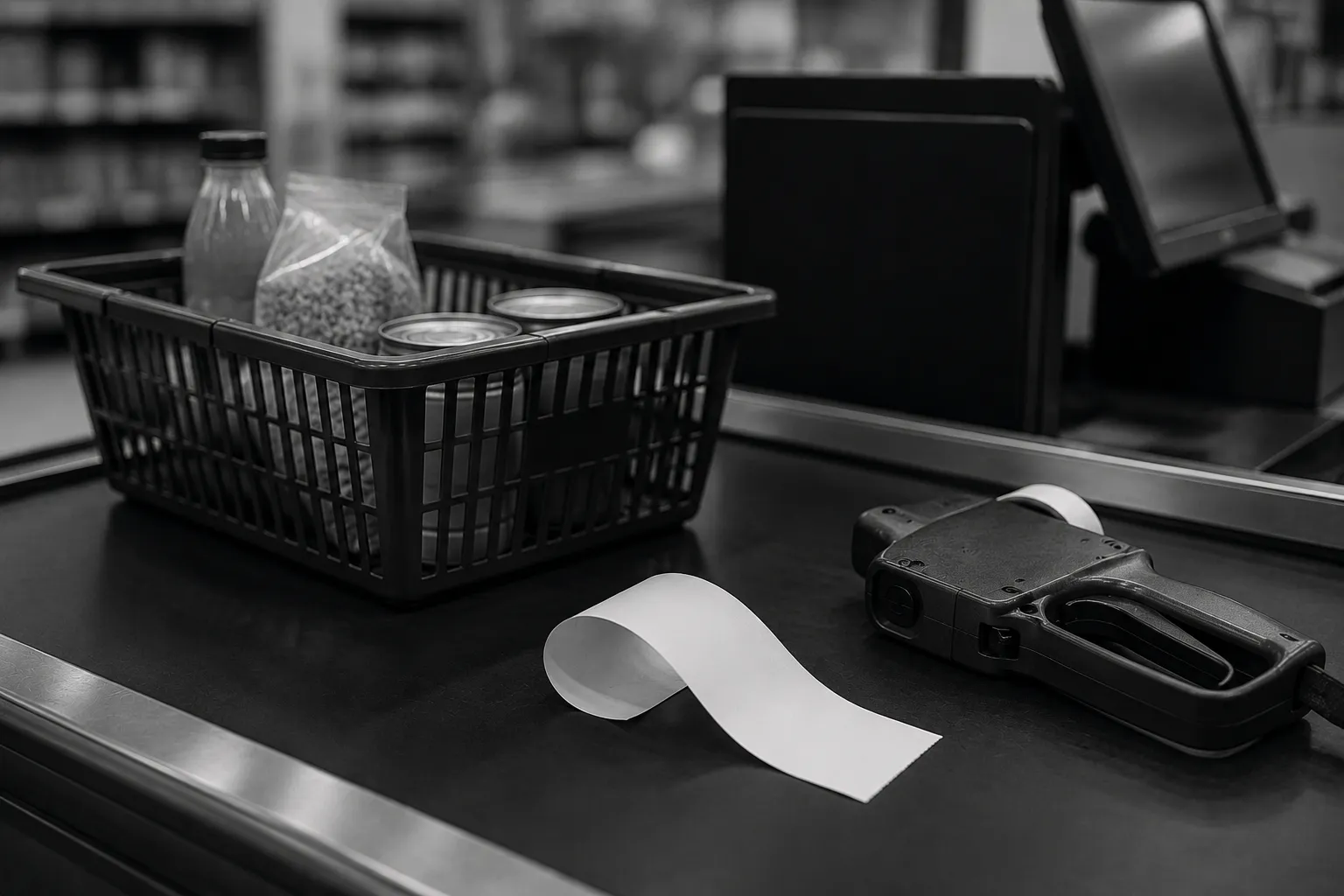
Instacart ended AI-driven price experiments after criticism, Reuters reported on December 22nd. The company had been testing automated systems that could alter prices or offers in ways shaped by data about demand, timing, behavior, and the conditions of a transaction. Algorithmic pricing is often described as optimization, a word clean enough to hide the person at the checkout. The criticism arrived because groceries are intimate goods. They sit closer to rent, wages, children, illness, and fatigue than to a luxury experiment.
A supermarket price looks ordinary because it appears on a shelf, in an app, or at a register as if it were simply there. Dynamic pricing unsettles that ordinary surface. The customer begins to wonder whether the number is the same for someone else, whether waiting changes it, whether a household profile has made milk or fruit more expensive at the worst hour. Instacart's retreat does not end the commercial desire to price each buyer more precisely. It shows the point where the public notices that the cashier has been replaced by a calculation whose rule is missing from the receipt.
Instacart puso fin a experimentos de precios impulsados por IA después de recibir críticas, informó Reuters el 22 de diciembre. La compañía había probado sistemas automatizados capaces de alterar precios u ofertas de acuerdo con datos sobre demanda, horario, conducta y condiciones de una transacción. La fijación algorítmica de precios suele describirse como optimización, una palabra lo bastante limpia para ocultar a la persona en la caja. La crítica llegó porque los alimentos son bienes íntimos. Están más cerca del alquiler, los salarios, los hijos, la enfermedad y el cansancio que de un experimento de lujo.
Un precio de supermercado parece ordinario porque aparece en una estantería, en una aplicación o en una caja como si simplemente estuviera allí. El precio dinámico perturba esa superficie corriente. El cliente empieza a preguntarse si el número es igual para otra persona, si esperar lo cambia, si un perfil doméstico ha encarecido la leche o la fruta en la peor hora. La retirada de Instacart no termina con el deseo comercial de valorar con más precisión a cada comprador. Muestra el punto en que el público advierte que el cajero fue reemplazado por un cálculo cuya regla no aparece en el recibo.
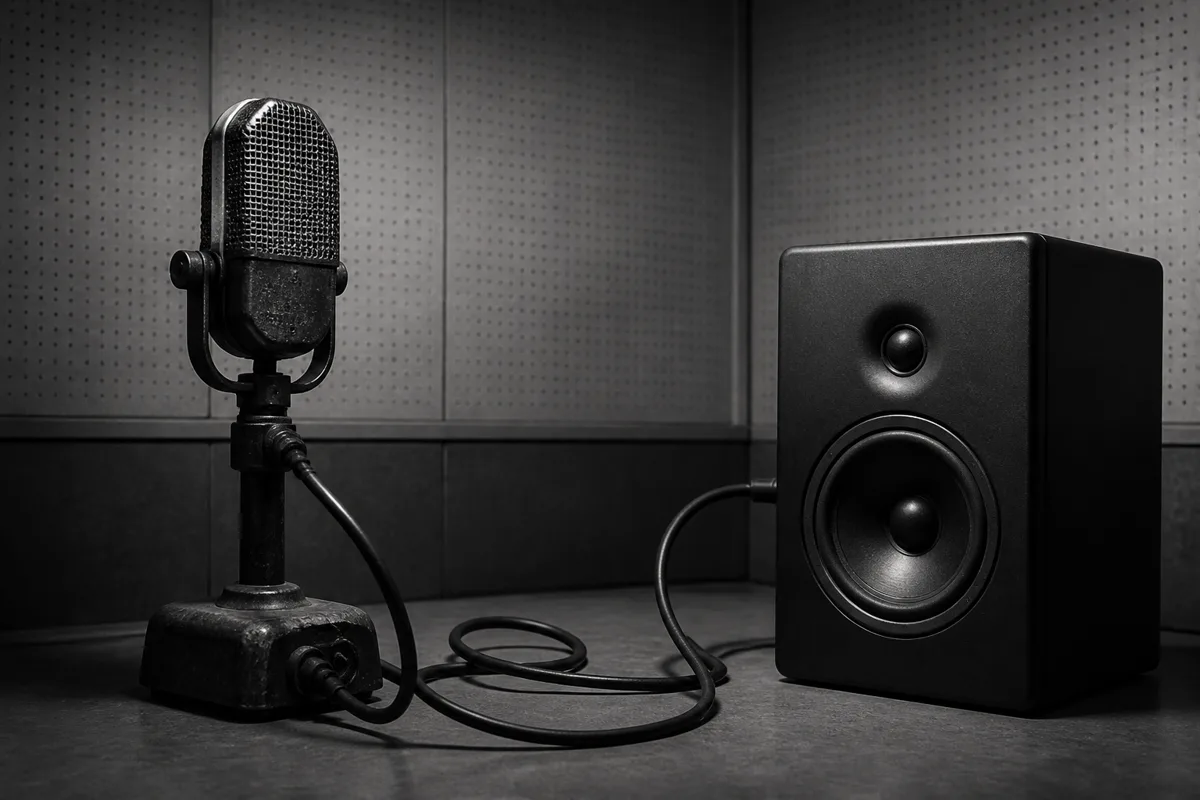
Extremist groups are using AI voice cloning and translation tools to revive old speeches and distribute propaganda in new languages, The Guardian reported on December 21st. Researchers documented neo-Nazi creators feeding archival recordings into commercial services to reproduce Hitler speaking English. Jihadist networks have also translated teachings and cloned voices for multilingual audio. The tools reduce the cost of turning one recording into many versions while preserving tone, cadence, and the illusion of a speaker addressing the present.
Translation once required a person who understood the language, ideology, audience, and risks of the work. Voice cloning compresses that labor into an upload and a menu. The resulting recording can circulate through encrypted channels, short videos, and recommendation systems without carrying the visual defects that often expose a deepfake. Sound enters through headphones, car speakers, and phones while the listener performs other tasks. That intimacy gives a copied voice room to feel immediate even when its source is decades old. Commercial providers can block known figures and trace misuse, but extremists can move between services and open models. A dead propagandist no longer needs subtitles or an impersonator. An archive supplies the sample, software supplies the language, and a platform supplies the next listener.
Grupos extremistas están utilizando clonación de voz y herramientas de traducción con IA para revivir discursos antiguos y distribuir propaganda en nuevos idiomas, informó The Guardian el 21 de diciembre. Investigadores documentaron a creadores neonazis que introducían grabaciones de archivo en servicios comerciales para reproducir a Hitler hablando inglés. Redes yihadistas también tradujeron enseñanzas y clonaron voces para producir audio multilingüe. Las herramientas reducen el costo de convertir una grabación en muchas versiones mientras conservan tono, cadencia y la ilusión de que el hablante se dirige al presente.
La traducción solía requerir una persona que comprendiera el idioma, la ideología, el público y los riesgos del trabajo. La clonación de voz comprime esa tarea en una carga de archivo y un menú. La grabación resultante puede circular por canales cifrados, videos cortos y sistemas de recomendación sin los defectos visuales que suelen delatar un deepfake. El sonido entra por audífonos, parlantes de automóvil y teléfonos mientras quien escucha realiza otras tareas. Esa cercanía permite que una voz copiada parezca inmediata aunque la fuente tenga décadas. Los proveedores comerciales pueden bloquear figuras conocidas y rastrear abusos, pero los extremistas se mueven entre servicios y modelos abiertos. Un archivo aporta la muestra, el software aporta el idioma y una plataforma encuentra al siguiente oyente.
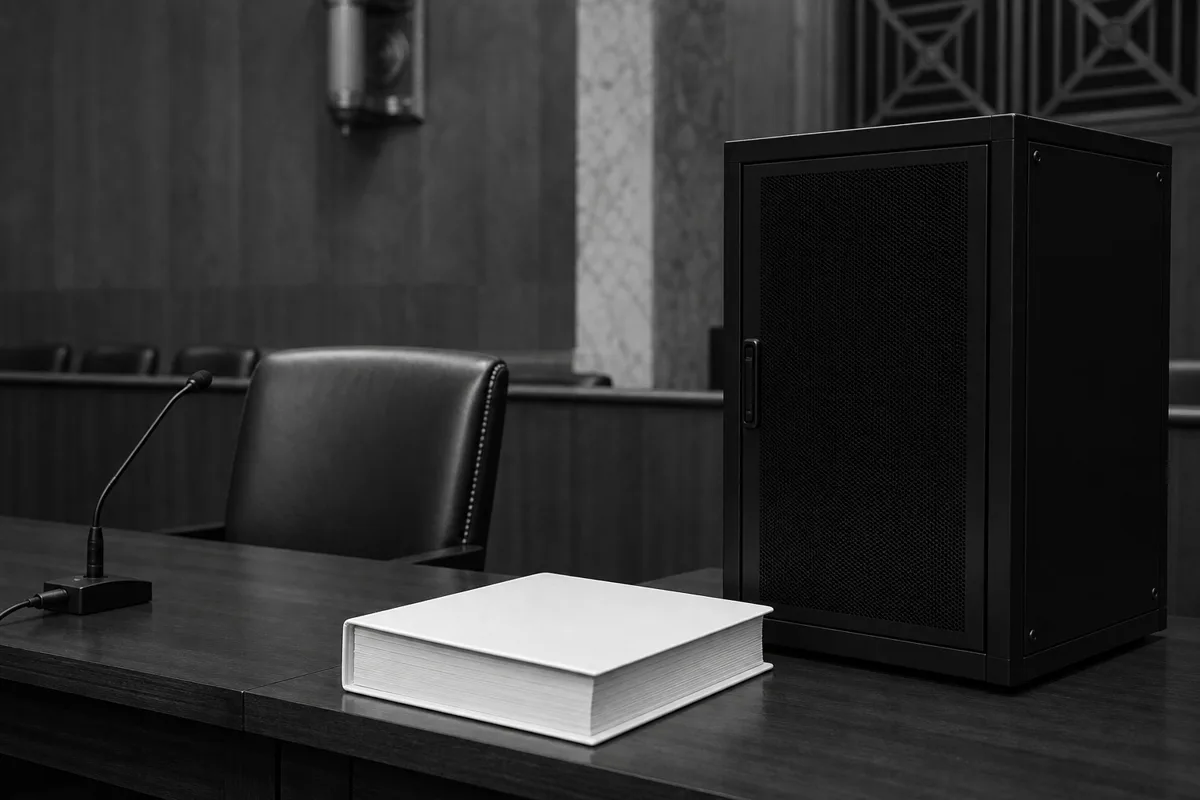
New York governor Kathy Hochul signed the RAISE Act, making the state the second after California to adopt broad safety rules for advanced AI models, TechCrunch reported on December 20th. The law requires covered developers to publish safety protocols and report serious incidents within seventy-two hours. It also creates a state office for oversight and enforcement. The signing came days after the White House ordered federal agencies to challenge state AI laws, placing New York’s requirements inside an approaching fight over who may regulate the companies building frontier systems.
The seventy-two-hour deadline gives catastrophe an administrative clock. A developer that discovers model theft, dangerous capabilities, or a severe safety failure must decide what happened, preserve evidence, notify officials, and accept that an internal problem may become public. Companies often describe safety through voluntary frameworks that they can revise as products and competitors change. New York has converted part of that language into a legal duty with a filing window. The act will still depend on definitions, enforcement, and the state’s ability to examine highly technical claims. Its immediate effect is simpler. A serious incident can no longer remain entirely inside a company’s private chain of command. Someone must start counting hours, prepare the report, and send it to an office outside the laboratory.
La gobernadora de Nueva York, Kathy Hochul, firmó la Ley RAISE y convirtió al estado en el segundo, después de California, en adoptar reglas amplias de seguridad para modelos avanzados de IA, informó TechCrunch el 20 de diciembre. La norma exige que los desarrolladores cubiertos publiquen protocolos de seguridad y reporten incidentes graves dentro de setenta y dos horas. También crea una oficina estatal de supervisión y cumplimiento. La firma llegó pocos días después de que la Casa Blanca ordenara a las agencias federales impugnar leyes estatales de IA, colocando los requisitos de Nueva York dentro de una disputa sobre quién puede regular a las empresas que construyen sistemas de frontera.
El plazo de setenta y dos horas asigna un reloj administrativo a la catástrofe. Un desarrollador que descubre el robo de un modelo, capacidades peligrosas o una falla grave debe determinar qué ocurrió, conservar pruebas, avisar a los funcionarios y aceptar que un problema interno puede hacerse público. Las compañías suelen describir la seguridad mediante marcos voluntarios que pueden revisar cuando cambian los productos y competidores. Nueva York convirtió parte de ese lenguaje en una obligación legal con una ventana de presentación. La ley dependerá de definiciones, aplicación y capacidad estatal para examinar afirmaciones técnicas. Su efecto inmediato es sencillo. Un incidente serio ya no puede quedarse enteramente dentro de la cadena privada de mando. Alguien debe contar las horas, preparar el informe y enviarlo fuera del laboratorio.
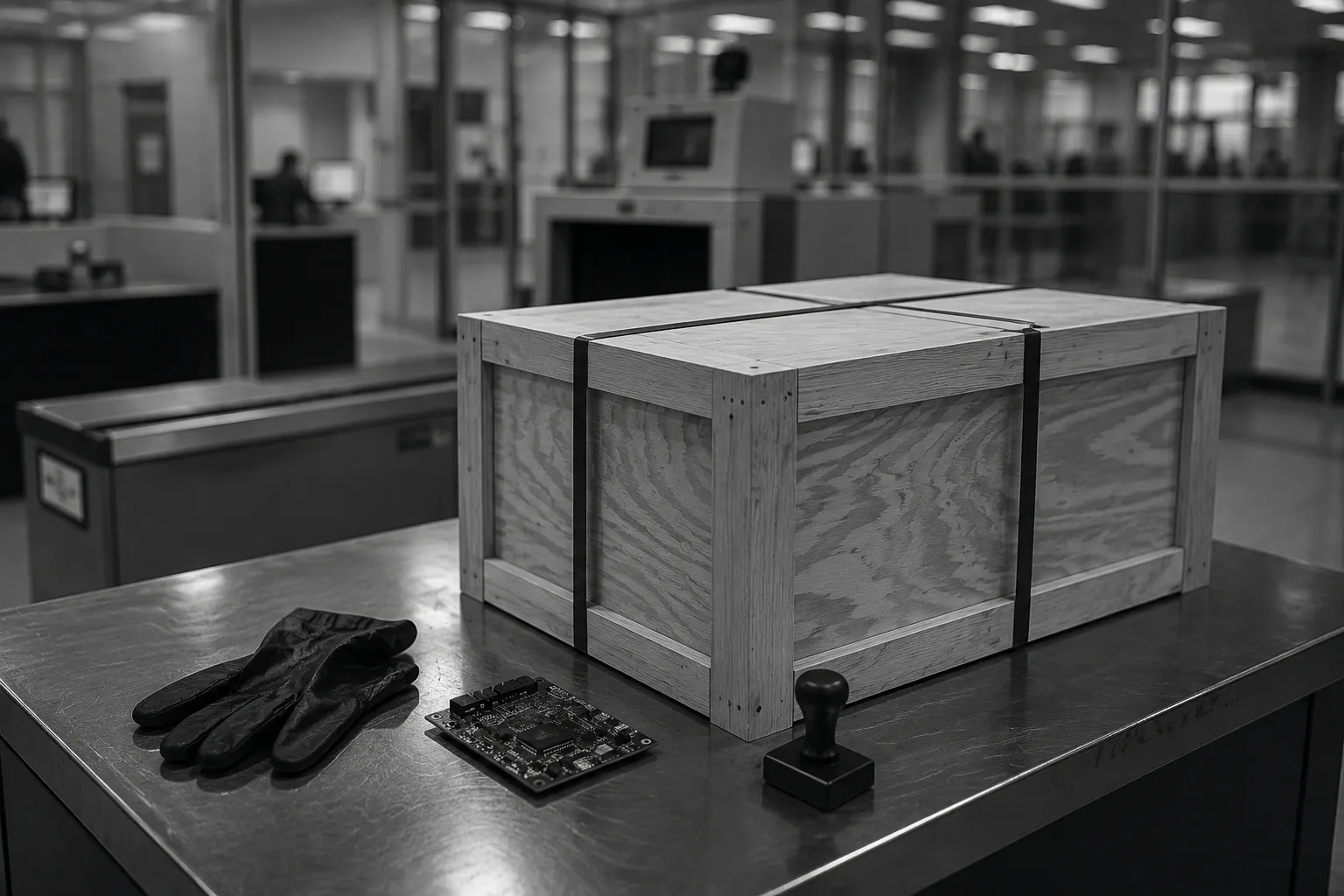
The United States launched a review of advanced Nvidia AI chip sales to China, Reuters reported on December 19th. The review places a familiar object, the semiconductor, inside a procedure of suspicion. A chip can be a commercial component, a research instrument, a military asset, a diplomatic signal, and a bargaining chip in the most literal sense. Export control turns that object into a question before it crosses a border.
The review also changes the grammar of technological progress. The industry describes faster chips as capacity, performance, and supply. Governments read the same hardware as leverage, leakage, and future force. Nvidia sits between those languages, selling acceleration while regulators ask where that acceleration may end up. The chip is small enough to hold between fingers, but the file around it contains trade law, national security, corporate forecasts, and the fear that a server rack in another country will answer a strategic question first. A sale becomes provisional until the state finishes reading the crate.
Estados Unidos inició una revisión de las ventas de chips avanzados de IA de Nvidia a China, informó Reuters el 19 de diciembre. La revisión coloca un objeto familiar, el semiconductor, dentro de un procedimiento de sospecha. Un chip puede ser componente comercial, instrumento de investigación, activo militar, señal diplomática y ficha de negociación en el sentido más literal. El control de exportaciones convierte ese objeto en una pregunta antes de que cruce una frontera.
La revisión también cambia la gramática del progreso tecnológico. La industria describe los chips más rápidos como capacidad, rendimiento y suministro. Los gobiernos leen el mismo hardware como palanca, fuga y fuerza futura. Nvidia queda entre esos lenguajes, vendiendo aceleración mientras los reguladores preguntan dónde puede terminar esa aceleración. El chip es lo bastante pequeño para sostenerlo entre los dedos, pero el expediente que lo rodea contiene derecho comercial, seguridad nacional, previsiones corporativas y el temor de que un rack de servidores en otro país responda primero una pregunta estratégica. Una venta queda provisional hasta que el Estado termine de leer la caja.

Zara is using artificial intelligence to generate fashion imagery from real-life models, Reuters reported on December 18th. The retailer said the process can create campaign and product images while preserving the likeness of models who have been photographed for the system. Fashion already depends on retouching, lighting, pose, cropping, and a long chain of invisible labor. AI adds another step after the shoot, where the body can be recomposed into settings, outfits, and variations that the model did not physically inhabit.
The old fashion photograph sold a garment through the evidence of a body. That evidence was always staged, but it still required a person to stand under lights, hold posture, tire, blink, and negotiate the camera. Synthetic production changes the bargaining surface. A model's session can become raw material for later images, and the contract must decide where the day of work ends. The retailer gains speed and control. The model gains a new kind of afterlife inside a brand machine, where a face or posture may keep working after the person has left the studio.
Zara usa inteligencia artificial para generar imágenes de moda a partir de modelos reales, informó Reuters el 18 de diciembre. La minorista dijo que el proceso puede crear imágenes de campaña y producto mientras preserva la semejanza de modelos fotografiados para el sistema. La moda ya depende del retoque, la iluminación, la pose, el encuadre y una larga cadena de trabajo invisible. La IA añade otro paso después de la sesión, donde el cuerpo puede recomponerse en escenarios, prendas y variaciones que la modelo no habitó físicamente.
La antigua fotografía de moda vendía una prenda mediante la evidencia de un cuerpo. Esa evidencia siempre estuvo escenificada, pero exigía que una persona se pusiera bajo las luces, sostuviera la postura, se cansara, parpadeara y negociara con la cámara. La producción sintética cambia la superficie de negociación. Una sesión puede convertirse en materia prima para imágenes posteriores, y el contrato debe decidir dónde termina la jornada de trabajo. La empresa gana velocidad y control. La modelo gana una forma nueva de sobrevida dentro de una máquina de marca, donde una cara o una postura puede seguir trabajando después de que la persona haya salido del estudio.
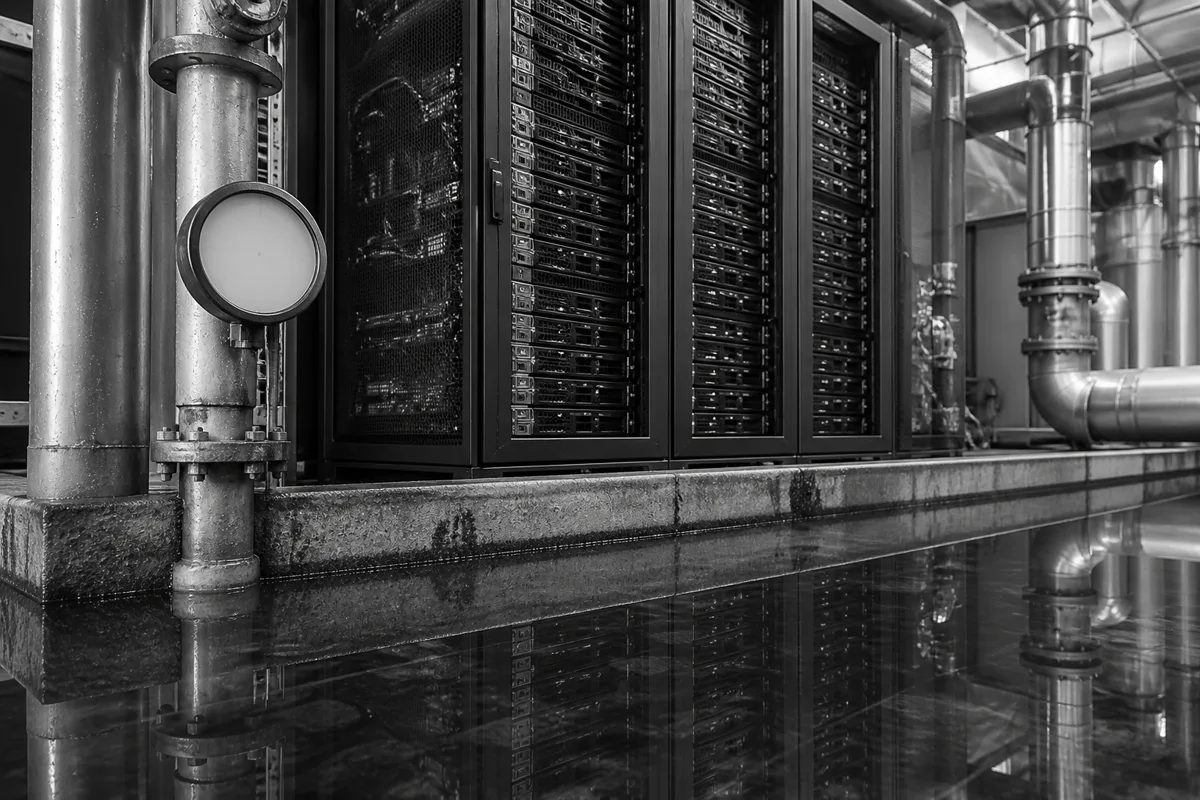
Artificial intelligence systems may have produced between 32.6 and 79.7 million tons of carbon dioxide in 2025 and consumed hundreds of billions of liters of water, Vrije Universiteit Amsterdam reported on December 17th. Researcher Alex de Vries-Gao estimated that the upper ranges could resemble New York City’s annual emissions and global bottled-water consumption. The figures carry wide uncertainty because technology companies rarely separate AI workloads from the rest of their data-center operations. The study therefore measured a footprint and the secrecy surrounding it at the same time.
Every prompt reaches a physical chain of chips, cooling systems, electrical grids, backup generators, and water supplies. Efficiency improvements can reduce the resources used by one response while growing demand raises total consumption. Without detailed disclosure, cities approving new data centers cannot easily test corporate promises against local costs. Residents may see a new substation, a water permit, or a higher utility bill while the service appears elsewhere as a weightless box for text and images. The uncertainty in the estimate should lead to better measurement, since the missing numbers belong to the companies operating the machines. A public debate about AI’s benefits currently rests on private meters, aggregated reports, and communities asked to supply water before they can see the bill.
Los sistemas de inteligencia artificial pueden haber producido entre 32,6 y 79,7 millones de toneladas de dióxido de carbono en 2025 y consumido cientos de miles de millones de litros de agua, informó la Vrije Universiteit Amsterdam el 17 de diciembre. El investigador Alex de Vries-Gao estimó que los valores superiores podrían parecerse a las emisiones anuales de Nueva York y al consumo mundial de agua embotellada. Las cifras tienen una incertidumbre amplia porque las empresas tecnológicas rara vez separan las cargas de IA del resto de sus centros de datos. El estudio midió al mismo tiempo una huella y el secreto que la rodea.
Cada prompt llega a una cadena física de chips, sistemas de refrigeración, redes eléctricas, generadores de respaldo y suministros de agua. Las mejoras de eficiencia pueden reducir los recursos de una respuesta mientras el crecimiento de la demanda eleva el consumo total. Sin información detallada, las ciudades que aprueban nuevos centros de datos encuentran dificultades para contrastar promesas corporativas con costos locales. Los residentes pueden ver una subestación, un permiso de agua o una factura eléctrica más alta mientras el servicio aparece en otro lugar como una caja sin peso para texto e imágenes. La incertidumbre de la estimación exige mejores mediciones, pues los números faltantes pertenecen a las compañías que operan las máquinas. El debate público descansa hoy sobre medidores privados y comunidades obligadas a suministrar agua antes de conocer la cuenta.

Companies are still struggling to turn AI spending into the revolution promised by vendors and investors, Reuters reported on December 16th. Many firms have tested copilots, automated drafts, customer-service tools, coding assistants, and internal search systems, yet the gains often remain difficult to measure. The corporate language is full of pilots, road maps, training sessions, procurement reviews, and cautious productivity claims. The technology arrives quickly as a subscription and slowly as a changed organization.
The delay marks where work actually lives. A company is made of permissions, legacy software, habits, liability, internal politics, bad data, fearful managers, bored employees, and jobs whose steps were never fully written down. AI can produce a memo in seconds and still fail to move through a purchasing rule, a compliance review, or a warehouse routine designed around people who know the exceptions by memory. The revolution has to pass through spreadsheets, passwords, unions, vendors, legal departments, and supervisors who do not want to be blamed for the first expensive mistake. The promise keeps speaking in future tense. The office asks who will fix the workflow on Monday morning.
Las empresas aún tienen dificultades para convertir el gasto en IA en la revolución prometida por vendedores e inversionistas, informó Reuters el 16 de diciembre. Muchas firmas han probado copilotos, borradores automatizados, herramientas de atención al cliente, asistentes de programación y sistemas de búsqueda interna, pero las ganancias suelen seguir siendo difíciles de medir. El lenguaje corporativo está lleno de pilotos, hojas de ruta, sesiones de capacitación, revisiones de compra y afirmaciones prudentes de productividad. La tecnología llega rápido como suscripción y lento como organización transformada.
La demora marca dónde vive realmente el trabajo. Una empresa está hecha de permisos, software heredado, hábitos, responsabilidad legal, política interna, datos defectuosos, gerentes temerosos, empleados aburridos y tareas cuyos pasos nunca fueron escritos del todo. La IA puede producir un memorando en segundos y aun así no atravesar una regla de compras, una revisión de cumplimiento o una rutina de almacén diseñada alrededor de personas que conocen las excepciones de memoria. La revolución tiene que pasar por hojas de cálculo, contraseñas, sindicatos, proveedores, departamentos legales y supervisores que no quieren cargar con el primer error caro. La promesa sigue hablando en futuro. La oficina pregunta quién arreglará el flujo de trabajo el lunes por la mañana.
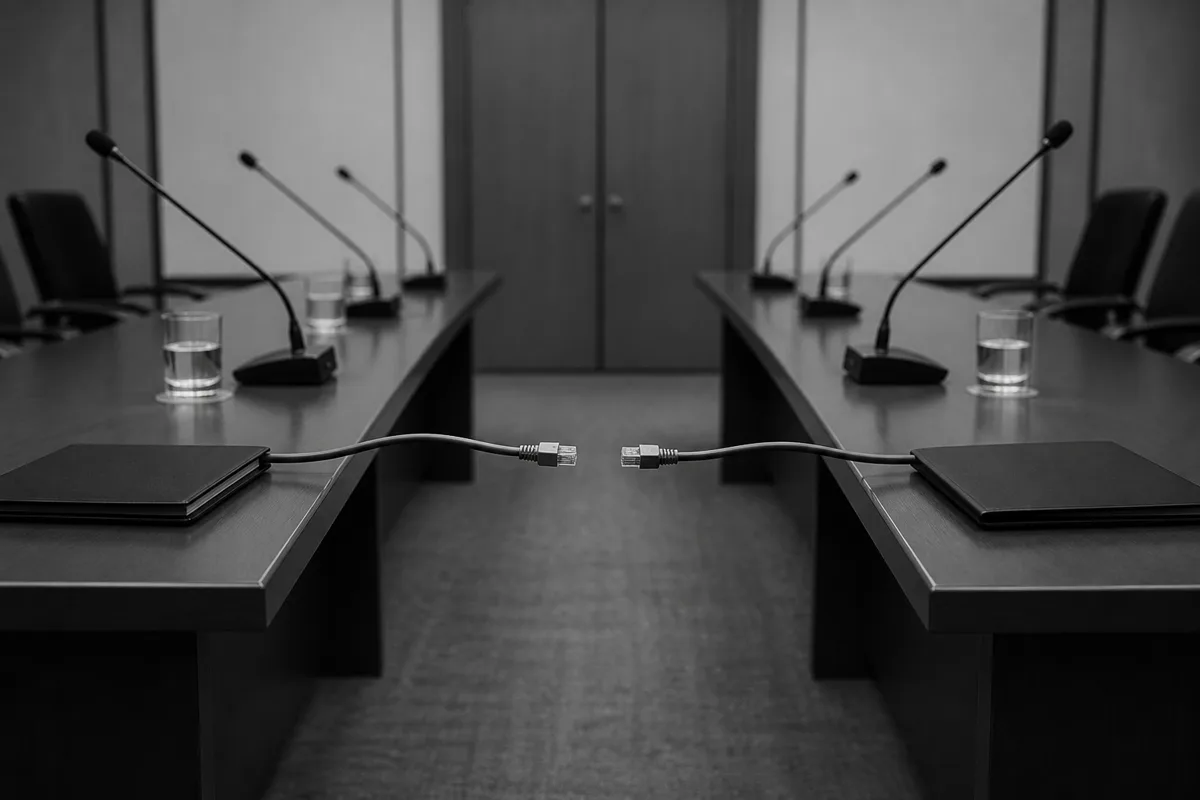
The United States suspended implementation of a technology agreement that Britain had presented as carrying £31 billion in investment, The Guardian reported on December 15th. The package covered artificial intelligence, quantum computing, nuclear energy, and the data centers required to support them. Washington linked the pause to wider trade disputes, including Britain’s digital services tax and rules affecting American exports. A partnership announced as proof of strategic closeness became leverage in negotiations over taxes, food standards, and the power of US technology companies.
AI infrastructure rarely stays inside the language of innovation. A data center requires land, electricity, cooling, permits, tax treatment, and a government willing to accept foreign corporate influence over critical systems. Britain sought investment and computing capacity while keeping rules that Washington regarded as barriers. The suspended deal exposed how quickly technological sovereignty can become a bargaining chip. Ministers can promise national capability, but the machines may depend on American capital, chips, cloud platforms, and diplomatic approval. The pause did not switch off an existing server. It delayed investment decisions and left officials defending a deal whose timetable had vanished. The next negotiation will occur around trade concessions, with promised computing power waiting on the other side of the table.
Estados Unidos suspendió la aplicación de un acuerdo tecnológico que Gran Bretaña había presentado junto con 31.000 millones de libras en inversión, informó The Guardian el 15 de diciembre. El paquete cubría inteligencia artificial, computación cuántica, energía nuclear y los centros de datos necesarios para sostenerlas. Washington relacionó la pausa con disputas comerciales más amplias, incluido el impuesto británico a los servicios digitales y normas que afectaban exportaciones estadounidenses. Una alianza anunciada como prueba de cercanía estratégica se convirtió en instrumento para negociar impuestos, estándares alimentarios y poder empresarial.
La infraestructura de IA rara vez permanece dentro del lenguaje de la innovación. Un centro de datos requiere terreno, electricidad, refrigeración, permisos, tratamiento fiscal y un gobierno dispuesto a aceptar influencia corporativa extranjera sobre sistemas críticos. Gran Bretaña buscaba inversión y capacidad de cómputo mientras mantenía reglas que Washington consideraba barreras. El acuerdo suspendido mostró la rapidez con que la soberanía tecnológica puede convertirse en moneda de negociación. Los ministros pueden prometer capacidad nacional aunque las máquinas dependan de capital, chips, nubes y aprobación diplomática estadounidenses. La pausa no apagó un servidor existente. Retrasó decisiones de inversión y dejó a los funcionarios defendiendo un acuerdo cuyo calendario había desaparecido. La próxima conversación girará alrededor de concesiones comerciales, con la capacidad de cómputo esperando al otro lado de la mesa.
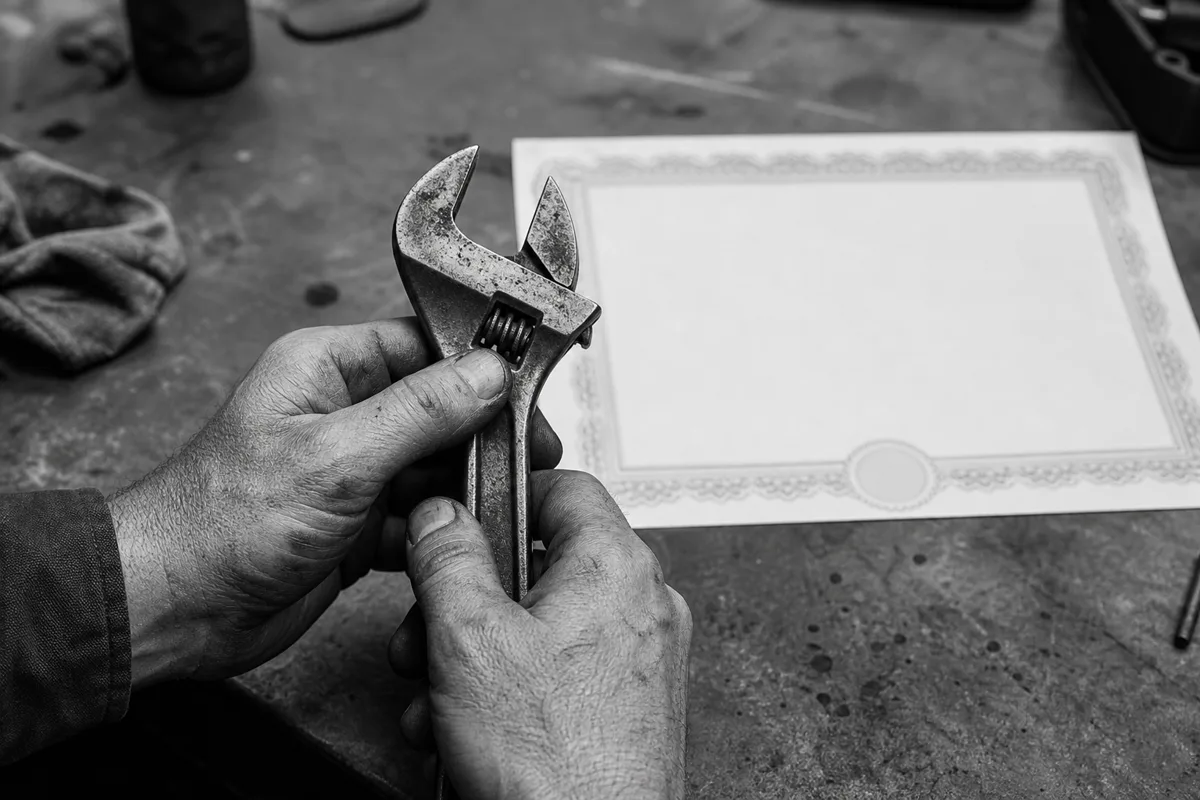
State licenses may become a practical shelter from AI-driven job disruption, business writer Gene Marks argued on December 14th. Electricians, nurses, plumbers, therapists, surveyors, and many other workers must complete training, pass exams, and remain accountable to a public authority before they can practice. Software can assist their paperwork or diagnosis, yet it cannot independently claim the license, enter a home under its own responsibility, sign an inspection, or answer a disciplinary complaint. The credential ties knowledge to a named person and a jurisdiction.
Licensing also reveals where automation meets the physical and legal world. A chatbot can describe a repair while a licensed electrician still touches the wire, checks the panel, and carries liability if the work fails. The protection is imperfect. Professions can use licensing to restrict entry, preserve high fees, or exclude capable workers who cannot afford the required education. Even so, the stamped credential gives labor a form that platforms cannot absorb quietly. It defines who may act, who must be insured, and who can be sanctioned. As companies promise systems that perform expert work, licensed occupations retain a stubborn institutional advantage. The final decision still needs a signature attached to a person whose name can be found on a public register.
Las licencias estatales pueden convertirse en un refugio práctico frente a la alteración laboral causada por la IA, sostuvo el escritor de negocios Gene Marks el 14 de diciembre. Electricistas, enfermeras, plomeros, terapeutas, topógrafos y muchos otros trabajadores deben completar formación, aprobar exámenes y responder ante una autoridad pública antes de ejercer. El software puede ayudar con documentos o diagnósticos, pero no puede reclamar por sí mismo una licencia, entrar en una casa bajo responsabilidad propia, firmar una inspección ni contestar una queja disciplinaria. La credencial vincula el conocimiento con una persona identificable y una jurisdicción.
Las licencias también muestran dónde la automatización encuentra el mundo físico y legal. Un chatbot puede describir una reparación mientras un electricista autorizado toca el cable, revisa el tablero y carga con la responsabilidad si el trabajo falla. La protección es imperfecta. Algunas profesiones usan licencias para restringir el ingreso, conservar tarifas elevadas o excluir a trabajadores capaces que no pueden pagar la educación exigida. Aun así, la credencial sellada da al trabajo una forma que las plataformas no pueden absorber en silencio. Define quién puede actuar, quién debe estar asegurado y quién puede recibir sanciones. Cuando las empresas prometen sistemas capaces de realizar tareas expertas, la decisión final todavía requiere una firma ligada a una persona cuyo nombre figura en un registro público.