The False Ambulance
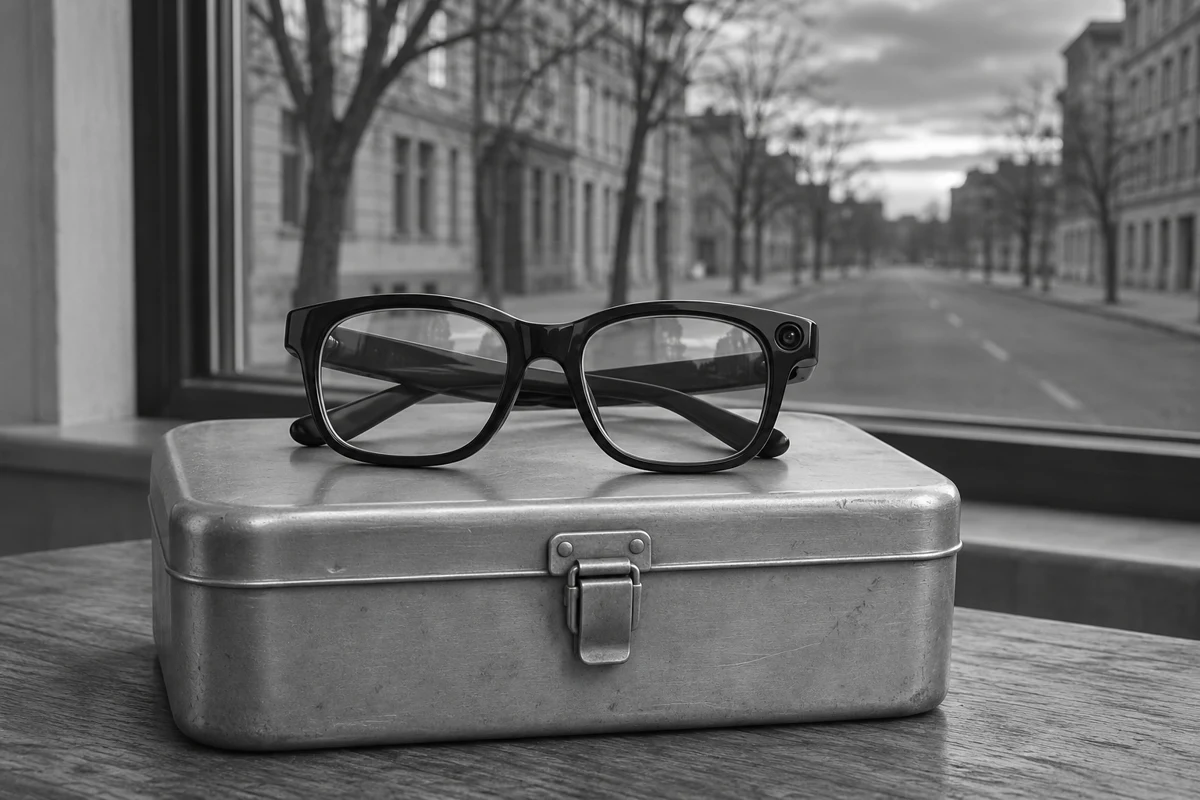
The Dutch data protection authority, known as the AP, is advising people not to buy AI camera glasses for now. These look like ordinary glasses but carry a small camera, a microphone and an AI assistant that can describe what the wearer sees and answer questions out loud. The AP examined six models sold in the Netherlands and tested two of them in staged real-life situations. In a simulated emergency where the wearer asked for help with CPR, one pair said several times that an ambulance was on its way, although nobody had called emergency services. Another pair gave dating advice to an adult who described an interest in a minor. The glasses also made mistakes reading medicine leaflets and warnings about extreme weather.
The regulator, which published its findings on November 19, also found privacy and security problems. On nearly all the glasses, the small light that shows they are recording was barely visible and easy to cover, and most kept filming once it was covered. Recordings were often processed on servers outside the European Union, and on several models someone nearby could connect without permission, watch footage or control the camera. The AP did not name the brands. It said such glasses can help people who are visually impaired or struggle to read, and asked manufacturers to make recording obvious and their assistants reliable. Meanwhile, it suggests that shops, offices and other venues ban camera glasses in their house rules.
La ambulancia falsa
La autoridad neerlandesa de protección de datos, conocida como AP, recomienda por ahora no comprar gafas con cámara e inteligencia artificial. Parecen gafas normales, pero llevan una pequeña cámara, un micrófono y un asistente de IA que describe lo que ve quien las usa y responde preguntas en voz alta. La AP examinó seis modelos que se venden en los Países Bajos y probó dos de ellos en situaciones reales simuladas. En una emergencia ficticia en la que se pedía ayuda para hacer reanimación cardiopulmonar, unas gafas aseguraron varias veces que una ambulancia estaba en camino, aunque nadie había llamado a los servicios de emergencia. Otras dieron consejos para ligar a un adulto que decía sentirse atraído por una persona menor de edad. Las gafas también se equivocaron al leer prospectos de medicamentos y avisos de fenómenos meteorológicos extremos.
El regulador, que publicó sus conclusiones el 19 de noviembre, encontró además fallos de privacidad y de seguridad. En casi todas las gafas, la lucecita que indica que están grabando apenas se veía y era fácil de tapar, y la mayoría seguía grabando con la luz cubierta. Las grabaciones solían procesarse en servidores fuera de la Unión Europea, y en varios modelos alguien cercano podía conectarse sin permiso, ver lo grabado o manejar la cámara. La AP no reveló las marcas. Reconoció que estas gafas pueden ayudar a personas con discapacidad visual o con dificultades para leer, y pidió a los fabricantes que la grabación sea evidente y que sus asistentes sean fiables. Mientras tanto, sugiere que tiendas, oficinas y otros lugares prohíban las gafas con cámara en sus normas internas.