November | 2025
Munich Regional Court I largely upheld GEMA's claims against two OpenAI companies over lyrics from nine songs. Its release says comparison with chatbot responses persuaded the chamber that the lyrics were reproducibly contained through memorization in GPT-4 and GPT-4o. It treated that fixation as a copyright reproduction and separately found infringement when outputs reproduced recognizable protected elements. The court rejected OpenAI's argument that users bore responsibility because prompts produced the responses and the companies operated the models. It awarded undisclosed damages. The ruling was not final. The chamber dismissed a separate personality-right claim concerning altered lyrics falsely attributed to authors.
The case gave judges lyrics and outputs that could be aligned line by line with the prompts that elicited them. From that evidence, the chamber reached a legal finding about reproducible inclusion in these models. The finding does not establish that every training work is stored or that every generated resemblance proves copying. It concerns nine lyrics whose length and complexity led the court to exclude chance as the explanation for their reproduction. OpenAI disagreed and was considering its next steps. If the judgment survives appeal, operators serving protected passages may face licenses and damages even when a user initiated the request. For a songwriter, decisive evidence can include the recognizable lines delivered in a chatbot response and the operator that serves the response.
El Tribunal Regional de Múnich I estimó en lo esencial las reclamaciones de GEMA contra dos empresas de OpenAI por letras de nueve canciones alemanas. Según su comunicado, la comparación con respuestas del chatbot convenció a la sala de que las letras estaban contenidas por memorización en GPT-4 y GPT-4o. Consideró esa fijación una reproducción sujeta a derechos y apreció una infracción cuando las salidas reprodujeron elementos protegidos reconocibles. El tribunal rechazó la responsabilidad de los usuarios porque bastaron instrucciones sencillas y las empresas operaban los modelos. Concedió una indemnización no divulgada. La sentencia no era firme. Desestimó la reclamación por letras alteradas y atribuidas falsamente a sus autores.
El caso dio a los jueces letras y salidas cotejables línea por línea con las instrucciones que las provocaron. La sala formuló una conclusión sobre su inclusión reproducible en esos modelos. El fallo no establece que toda obra de entrenamiento quede almacenada ni que cualquier parecido pruebe una copia. Se refiere a nueve letras cuya longitud y complejidad llevaron al tribunal a descartar el azar. OpenAI estudiaba sus próximos pasos. Si la sentencia supera una apelación, los operadores que sirvan pasajes protegidos podrían afrontar licencias e indemnizaciones aunque un usuario haya iniciado la petición. Para un compositor, la prueba puede incluir la línea reconocible entregada en una respuesta y el operador que sirve esa respuesta.

AI chatbots are being used to hide eating disorders and generate deepfake thinspiration, according to The Verge. The reported behavior includes users asking systems for ways to conceal symptoms, avoid scrutiny, create harmful body images, or sustain private routines around weight and control. The danger does not sit only in a single generated picture. It appears in the ongoing exchange, where a tool can answer practical questions, remember preferences, and make damaging behavior feel planned rather than chaotic. A chatbot can become a private assistant for secrecy.
The mirror in this story is procedural. It is a phone, a prompt, an image editor, a calorie question, a script for hiding evidence, and a late-night answer that does not call anyone into the room. Platforms often respond to visible content after it circulates. Eating disorders thrive in hidden practice, small evasions, and rituals that look ordinary from outside. AI can make those rituals more efficient. A user does not need a public forum to learn how to disappear into a thinner image or a better excuse. The harm can stay inside the account, organized by a system that treats each request as another task.
Los chatbots de IA están siendo usados para ocultar trastornos alimentarios y generar thinspiration deepfake, según The Verge. Las conductas reportadas incluyen usuarios que piden a los sistemas formas de esconder síntomas, evitar vigilancia, crear imágenes corporales dañinas o sostener rutinas privadas alrededor del peso y el control. El peligro no está solo en una imagen generada. Aparece en el intercambio continuo, donde una herramienta puede responder preguntas prácticas, recordar preferencias y hacer que una conducta dañina parezca planificada en lugar de caótica. Un chatbot puede convertirse en asistente privado para el secreto.
El espejo de esta historia es procedimental. Es un teléfono, un prompt, un editor de imagen, una pregunta calórica, un guion para ocultar evidencia y una respuesta nocturna que no llama a nadie a la habitación. Las plataformas suelen responder al contenido visible después de que circula. Los trastornos alimentarios prosperan en prácticas ocultas, pequeñas evasiones y rituales que parecen ordinarios desde afuera. La IA puede volver más eficientes esos rituales. Un usuario no necesita un foro público para aprender a desaparecer en una imagen más delgada o en una excusa mejor. El daño puede quedarse dentro de la cuenta, organizado por un sistema que trata cada petición como otra tarea.

Wikipedia urged AI companies to use its paid API instead of scraping the site freely, TechCrunch reported. The request sounds technical, but it touches the economics of public knowledge. Wikipedia is built by volunteers, editors, moderators, donors, translators, and people who correct small errors without expecting their names to become infrastructure. AI systems use that work because it is broad, structured, current, and trusted enough to feed answers. The encyclopedia becomes a quiet supply line for products that may never send a reader back to the page.
The conflict is about maintenance. A free encyclopedia is not free to keep alive. Servers run, disputes are moderated, vandalism is removed, citations are checked, and obscure pages survive because someone cared enough to tend them. When AI companies absorb that labor into chatbots and summaries, the public source can lose traffic, context, and support while still carrying the burden of accuracy. A paid API is Wikipedia's attempt to name the pipe and charge for industrial use. The open page remains open to the reader. The machine arriving at scale is being asked to enter through a door that helps keep the building standing.
Wikipedia pidió a las empresas de IA usar su API paga en lugar de raspar el sitio libremente, informó TechCrunch. La petición suena técnica, pero toca la economía del conocimiento público. Wikipedia está construida por voluntarios, editores, moderadores, donantes, traductores y personas que corrigen pequeños errores sin esperar que sus nombres se conviertan en infraestructura. Los sistemas de IA usan ese trabajo porque es amplio, estructurado, actual y suficientemente confiable para alimentar respuestas. La enciclopedia se vuelve una línea de suministro silenciosa para productos que quizá nunca envíen a un lector de vuelta a la página.
El conflicto trata sobre mantenimiento. Una enciclopedia gratuita no se mantiene viva gratis. Los servidores funcionan, las disputas se moderan, el vandalismo se elimina, las citas se revisan y las páginas oscuras sobreviven porque alguien se ocupó de cuidarlas. Cuando las empresas de IA absorben ese trabajo en chatbots y resúmenes, la fuente pública puede perder tráfico, contexto y apoyo mientras sigue cargando con la obligación de precisión. Una API paga es el intento de Wikipedia de nombrar la tubería y cobrar por el uso industrial. La página abierta sigue abierta al lector. A la máquina que llega a escala se le pide entrar por una puerta que ayude a mantener el edificio en pie.

British services were selling automated help with objections to planning applications when experts warned that widespread use could overwhelm the system. Objector offered policy-based objections for £45, using generative software to scan an application for possible grounds and produce letters or committee speeches. Planningobjection.com advertised a £99 letter. Objector's founders said experience opposing a nearby mosque conversion led them to build it as cheaper access to planning law. Planning lawyer Sebastian Charles said his firm had encountered generated objections citing nonexistent cases. He warned that mass adoption could halt planning work. Charles was forecasting a shutdown of the national system.
The mechanism requires no imagined collapse. A resident uploads an application and receives polished grounds for resistance, while a council officer must check each citation before elected members rely on it. Repeating that transaction cheaply can enlarge consultation volumes without adding local knowledge. The British government was pursuing software in the opposite direction, with Extract intended to speed planning work and Consult analyzing public responses in anticipation that language models would increase their number. This creates a contest between services that manufacture submissions and systems that compress them for officials. A genuine objection may enter through the first tool, then lose its voice in the second tool's summary. Councils facing that volume will need a disclosure rule and a planning officer who verifies each cited case before the committee vote.
Empresas vendían ayuda automatizada para objetar solicitudes urbanísticas cuando expertos advirtieron que su uso podría saturar el sistema. Objector ofrecía objeciones basadas en normativa por 45 libras mediante software generativo que examina motivos y produce cartas o discursos. Planningobjection.com anunciaba una carta por 99 libras. Sus fundadores dijeron que su experiencia contra la conversión de un edificio en mezquita los llevó a ofrecer acceso barato a la legislación urbanística. El abogado Sebastian Charles dijo que su firma había encontrado objeciones generadas con referencias a casos inexistentes. Advirtió que la adopción masiva podía paralizar la tramitación. Charles pronosticaba una paralización del sistema.
El mecanismo no requiere imaginar ese colapso. Un residente carga una solicitud y recibe argumentos, mientras un funcionario debe comprobar cada referencia antes de que los concejales la utilicen. Repetir la operación a bajo coste puede multiplicar consultas sin aportar conocimiento local. El gobierno británico desarrollaba software en la dirección contraria, con Extract destinado a acelerar la tramitación y Consult a analizar respuestas ante la previsión de que los modelos aumentaran su número. Surge una contienda entre servicios que fabrican escritos y sistemas que los comprimen para funcionarios. Una objeción legítima puede entrar mediante la primera herramienta y perder su voz en el resumen de la segunda. Cada ayuntamiento necesitará una regla de divulgación y un técnico que verifique los casos citados antes de la votación del comité.
The end credits of Apple TV's Pluribus declare that the show was made by humans. Creator Vince Gilligan reinforced the line in Variety, calling generative AI an expensive, energy-intensive plagiarism machine and expressing his opposition in harsher terms. The series, led by Rhea Seehorn and set in Albuquerque, arrived with two episodes on November 7 after receiving a two-season order. Its statement sits beneath an animal-safety notice, where screen productions already place acknowledgments about working conditions. TechCrunch presented the wording as a possible model for filmmakers wishing to state that generative systems were absent from production. The credit is a claim by the producers and provides no independent proof of that history.
The placement turns human authorship into a provenance label attached after the episode. A viewer can read it, yet the screen supplies no standard for which tools count or who inspected the workflow. Such details become practical when studios market human production as a distinction. Guilds and distributors could demand records from scripts, editing systems, effects vendors, and contracts, with different thresholds for acceptable assistance. Without a shared definition, two productions could display the same sentence after markedly different processes. Gilligan's line still makes production method visible and offers the audience a promise that could be audited. Its credibility will depend on who can inspect the contracts and authorize the end-credit card.
Los créditos finales de Pluribus declaran que la serie fue hecha por humanos. Su creador, Vince Gilligan, reforzó la frase en Variety al llamar a la IA generativa una máquina de plagio cara y voraz en energía y expresar su rechazo con términos duros. La serie, protagonizada por Rhea Seehorn, estrenó dos episodios el 7 de noviembre tras recibir un encargo de dos temporadas. La declaración aparece debajo de un aviso sobre seguridad animal, donde las producciones ya consignan reconocimientos laborales. TechCrunch presentó la fórmula como modelo para cineastas que quieran declarar la ausencia de sistemas generativos. El crédito afirma la posición de los productores y carece de verificación independiente de ese historial.
La ubicación convierte la autoría humana en una etiqueta de procedencia. El público puede leerla, pero la pantalla no define qué herramientas cuentan ni quién revisó el trabajo. Esos detalles se vuelven operativos cuando los estudios venden la producción humana como rasgo distintivo. Sindicatos y distribuidores podrían exigir registros de guiones, sistemas de edición, proveedores de efectos y contratos, cada uno con límites distintos para la asistencia permitida. Sin una definición compartida, dos producciones podrían mostrar la misma frase después de procesos diferentes. La línea de Gilligan hace visible el método y ofrece al público una promesa susceptible de auditoría. Su credibilidad dependerá de quién pueda inspeccionar los contratos y autorizar la tarjeta final de créditos.
AI translation keeps improving, but The Verge's account of people working across languages points to a familiar unease. A system can make a sentence smoother, faster, and easier to circulate while also shaving off hesitation, accent, joke, register, and local pressure. Translation is never only a transfer of meaning. It is also a decision about how much strangeness to preserve, who gets to sound educated, who sounds blunt, and which mistakes deserve to remain visible. An AI tool can solve one part of that problem while hiding the human argument inside the polished result.
The risk is not bad grammar alone. The risk is a voice made too clean. A migrant filling a form, a worker speaking to a manager, a patient describing pain, or a creator subtitling a video may receive language that sounds correct but no longer carries the same social weight. The machine can flatten discomfort into serviceable prose. That helps when bureaucracy demands clarity. It hurts when the roughness was part of the truth. Translation has always involved compromise, but AI makes the compromise fast enough to feel automatic. The person on the other side hears fluency and may never know what was lost on the way.
La traducción con IA sigue mejorando, pero el relato de The Verge sobre personas que trabajan entre idiomas apunta a una incomodidad conocida. Un sistema puede volver una frase más limpia, rápida y fácil de circular mientras también lima duda, acento, broma, registro y presión local. Traducir nunca es solo transferir significado. También implica decidir cuánta extrañeza preservar, quién tiene derecho a sonar educado, quién suena brusco y qué errores merecen seguir visibles. Una herramienta de IA puede resolver una parte de ese problema mientras esconde la discusión humana dentro del resultado pulido.
El riesgo no está solo en la mala gramática. El riesgo está en una voz demasiado limpia. Un migrante llenando un formulario, un trabajador hablando con un jefe, un paciente describiendo dolor o un creador subtitulando un video pueden recibir un lenguaje que suena correcto pero ya no carga el mismo peso social. La máquina puede aplanar incomodidad hasta convertirla en prosa funcional. Eso ayuda cuando la burocracia exige claridad. Daña cuando la aspereza era parte de la verdad. La traducción siempre ha implicado compromiso, pero la IA lo vuelve tan rápido que parece automático. La persona del otro lado escucha fluidez y quizá nunca sepa qué se perdió en el camino.
OpenAI chief financial officer Sarah Friar told a Wall Street Journal event that she wanted the U.S. government to backstop infrastructure loans, lowering borrowing costs and permitting greater debt against equity. After criticism, she said the word had muddied her point and denied that OpenAI was seeking such a guarantee. Sam Altman wrote that the company neither had nor wanted government guarantees for its data centers, while government AI adviser David Sacks ruled out a federal bailout. Altman also said OpenAI expected an annualized revenue run rate above $20 billion by year end and had about $1.4 trillion in commitments over eight years.
The financing question survives because the proposed construction still meets government at physical bottlenecks. Sacks said Washington wanted to ease permitting and power generation. Altman said loan guarantees had been discussed for U.S. semiconductor plants pursued after a government call, although OpenAI had made no formal application. Guaranteeing a chip factory differs from rescuing a failed company, yet it can shift financing risk and reduce prices for firms buying its output. Faster permits also place public decisions beneath privately owned computing capacity. OpenAI can reject protection from its commercial failure while supporting state action that cheapens the facilities on which expansion depends. The distinction should remain explicit whenever officials guarantee a fabrication loan or connect a data center to the power grid.
La directora financiera de OpenAI, Sarah Friar, dijo en un acto de The Wall Street Journal que quería respaldo del gobierno para préstamos de infraestructura, lo que abarataría el crédito y permitiría mayor deuda. Tras las críticas, afirmó que la palabra había enturbiado su explicación y negó que OpenAI buscara esa garantía. Sam Altman escribió que la empresa no tenía ni quería garantías para sus centros de datos, mientras el asesor gubernamental David Sacks descartó un rescate federal. Altman situó la tasa anualizada de ingresos al cierre del año por encima de 20.000 millones de dólares y los compromisos a ocho años en unos 1,4 billones.
La financiación sigue abierta porque la construcción encuentra al Estado en sus cuellos de botella. Sacks dijo que Washington quería facilitar permisos y generación eléctrica. Altman señaló que se habían discutido garantías crediticias para fábricas de semiconductores impulsadas por una convocatoria gubernamental, aunque OpenAI no había presentado solicitud. Garantizar una fábrica de chips difiere de rescatar una empresa fallida, pero puede trasladar riesgo financiero y reducir precios para quienes compran su producción. Los permisos rápidos colocan decisiones públicas debajo de capacidad informática privada. OpenAI puede rechazar protección frente a su fracaso comercial mientras apoya medidas estatales que abaratan las instalaciones necesarias para expandirse. La distinción debe constar cuando un funcionario garantiza un préstamo fabril o conecta un centro de datos a la red eléctrica.

Google Maps began adding Gemini features that turn navigation into a more conversational guide. According to The Verge, the app can answer questions about places along a route, help drivers find stops, understand more natural requests, and use AI to make reporting incidents easier. Maps has always mediated the city, but it usually did so through lines, pins, reviews, traffic colors, and spoken turns. Gemini adds another layer. The user can ask the map for judgment while moving through streets that already depend on ratings, business listings, location histories, and other people's traces.
The change matters because a map is never neutral once it starts talking. A driver asking where to eat, where to park, which route feels safer, or what is worth seeing receives a city shaped by databases and commercial priorities. The old map showed roads and left some uncertainty to the traveler. The new assistant can reduce that uncertainty before the person looks out the window. That may be useful in a strange neighborhood or at night. It also trains movement through a voice that speaks with borrowed local knowledge. The city remains outside, but the first explanation of it now comes from the passenger seat.
Google Maps empezó a añadir funciones de Gemini que convierten la navegación en una guía más conversacional. Según The Verge, la app puede responder preguntas sobre lugares en la ruta, ayudar a conductores a encontrar paradas, entender peticiones más naturales y usar IA para facilitar el reporte de incidentes. Maps siempre ha mediado la ciudad, pero solía hacerlo mediante líneas, pines, reseñas, colores de tráfico y giros hablados. Gemini añade otra capa. El usuario puede pedirle criterio al mapa mientras se mueve por calles que ya dependen de calificaciones, negocios listados, historiales de ubicación y rastros de otras personas.
El cambio pesa porque un mapa nunca es neutral cuando empieza a hablar. Un conductor que pregunta dónde comer, dónde aparcar, qué ruta parece más segura o qué vale la pena ver recibe una ciudad moldeada por bases de datos y prioridades comerciales. El viejo mapa mostraba caminos y dejaba cierta incertidumbre al viajero. El nuevo asistente puede reducir esa incertidumbre antes de que la persona mire por la ventana. Eso puede ser útil en un barrio extraño o de noche. También entrena el movimiento mediante una voz que habla con conocimiento local prestado. La ciudad sigue afuera, pero la primera explicación de ella llega ahora desde el asiento del copiloto.
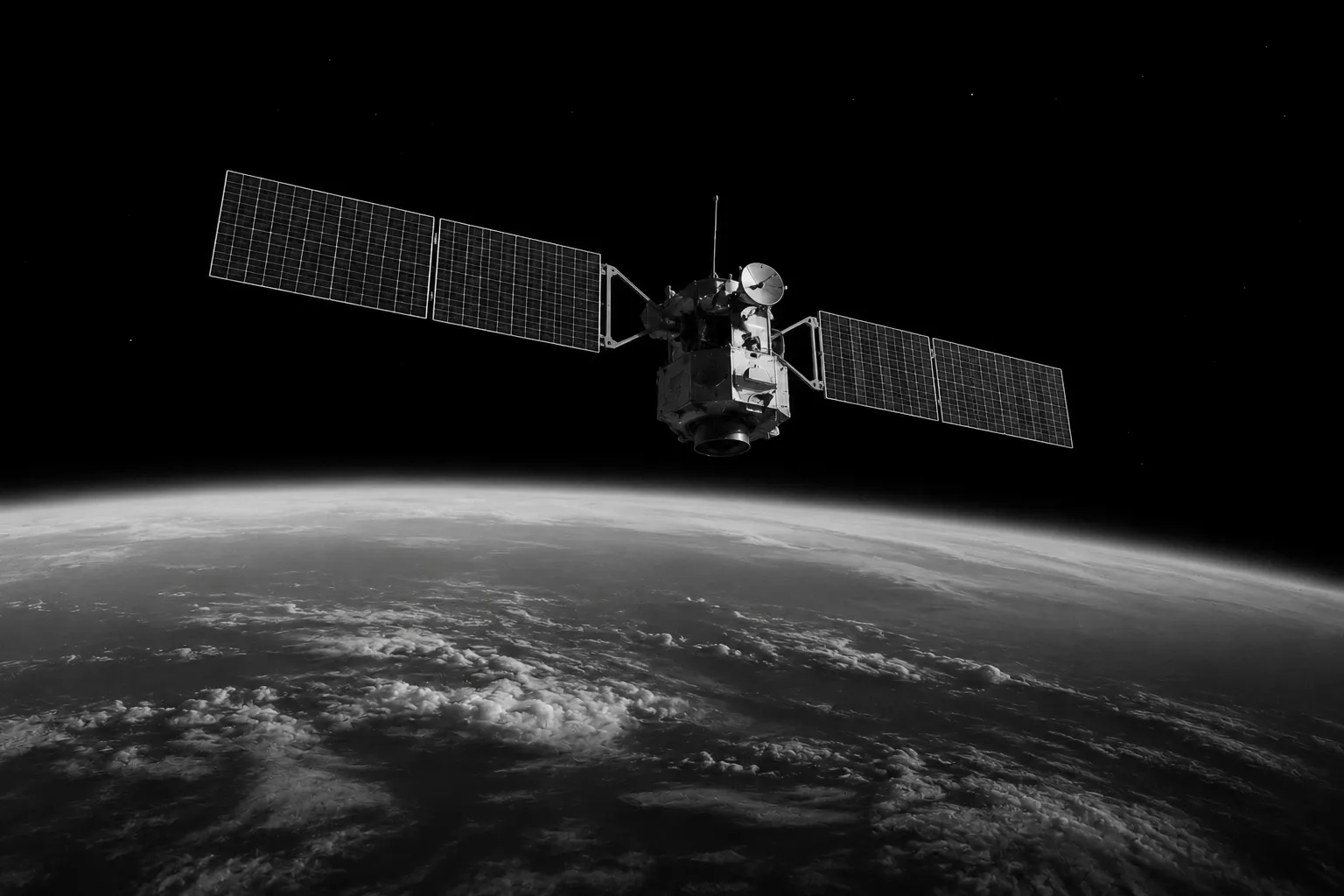
Google has been exploring a moonshot plan for AI data centers in space, according to The Verge. The idea imagines orbital computing infrastructure that could use abundant solar power and reduce some pressure on terrestrial grids, land, and cooling systems. It belongs to the same industrial imagination that already treats AI as a problem of electricity, chips, fiber, water, and real estate. Moving servers into orbit sounds extravagant, but the proposal follows a familiar logic. When local infrastructure becomes strained, the industry looks for a larger outside.
The orbital server turns computation into a geographic fantasy. A data center on Earth has neighbors, permits, substations, heat, noise, tax deals, and arguments over water. A machine above the horizon seems to escape those frictions, at least in the promotional image. The costs do not disappear. Launches, maintenance, debris, latency, ownership, and military proximity become part of the calculation. The cloud was never weightless, and space will not make it innocent. AI begins with a prompt on a desk, then points toward a server room so large that the next room may be the sky.
Google ha estado explorando un plan ambicioso para centros de datos de IA en el espacio, según The Verge. La idea imagina infraestructura de cómputo orbital capaz de usar abundante energía solar y reducir parte de la presión sobre redes eléctricas, suelo y sistemas de enfriamiento terrestres. Pertenece a la misma imaginación industrial que ya trata la IA como un problema de electricidad, chips, fibra, agua y bienes raíces. Mover servidores a la órbita suena extravagante, pero la propuesta sigue una lógica familiar. Cuando la infraestructura local se tensa, la industria busca un afuera más grande.
El servidor orbital convierte el cómputo en fantasía geográfica. Un centro de datos en la Tierra tiene vecinos, permisos, subestaciones, calor, ruido, acuerdos fiscales y disputas por agua. Una máquina sobre el horizonte parece escapar de esas fricciones, al menos en la imagen promocional. Los costos no desaparecen. Lanzamientos, mantenimiento, basura espacial, latencia, propiedad y cercanía militar entran en el cálculo. La nube nunca fue ingrávida, y el espacio no la volverá inocente. La IA empieza con un prompt sobre un escritorio y luego apunta hacia una sala de servidores tan grande que la próxima habitación quizá sea el cielo.