February | 2026
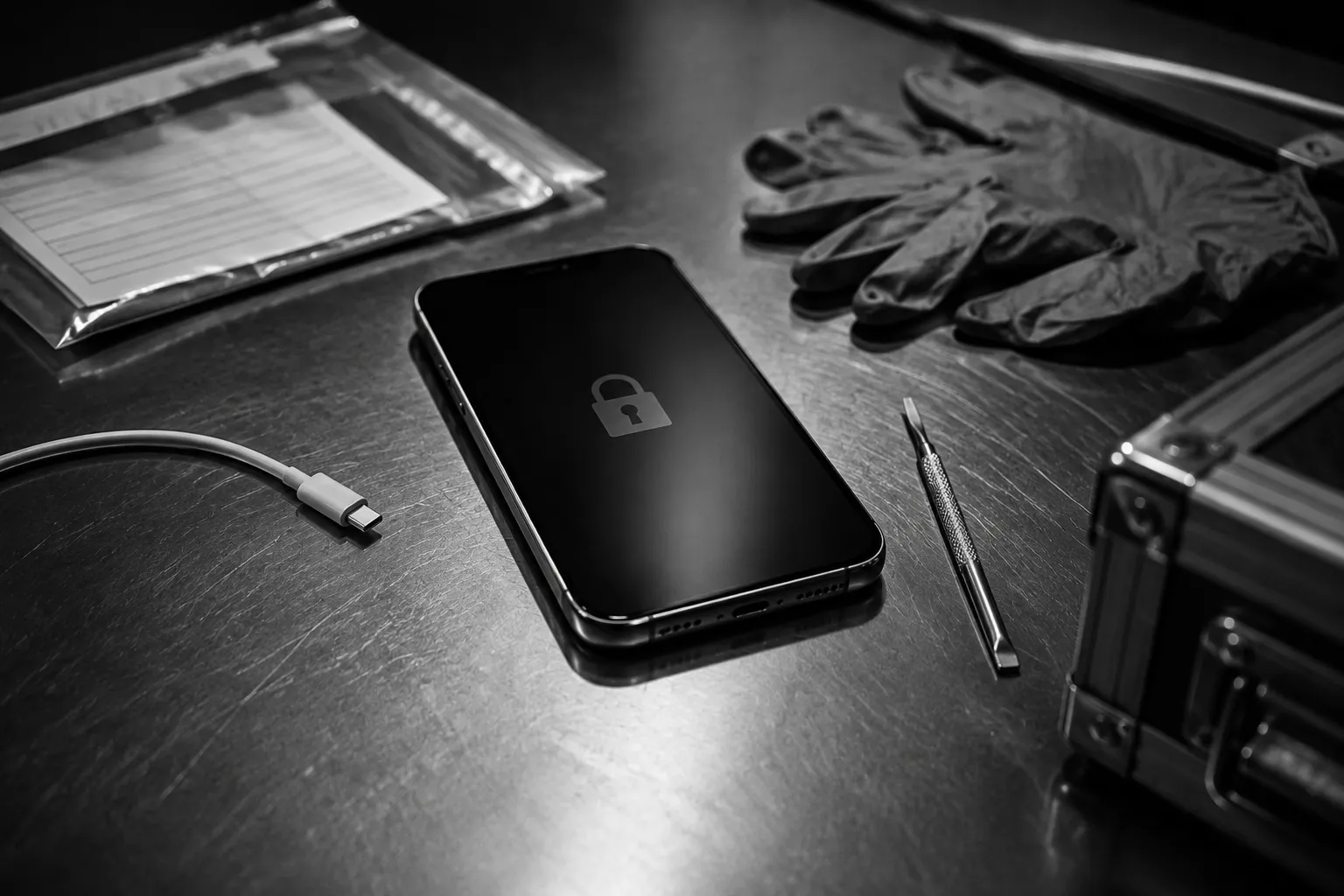
Cellebrite suspended Serbian police as customers after researchers alleged that its phone-unlocking tools had been used to access a journalist's and an activist's devices and plant spyware. The company has responded differently to newer allegations involving Jordan and Kenya, declining to investigate them publicly and saying that high-confidence research is not direct evidence. Citizen Lab found traces of an application linked to Cellebrite on the phones of activists and politicians, TechCrunch reported on February 19th.
A locked phone contains a private geography of contacts, movements, photographs, and unfinished sentences. The company selling the key can therefore become part of the chain of custody without appearing in the police report. Cellebrite says substantiated human-rights abuses can result in immediate disablement, yet it does not disclose the criteria used to approve customers or the number of licenses it has revoked. The difference between Serbia and Kenya is presented as a difference in evidence, but the decision over what counts as evidence remains inside the company. The device is small enough to fit in a hand. The power to open it travels through a global market that rarely appears beside the seized phone.
Cellebrite suspendió como cliente a la policía serbia después de que investigadores denunciaran que sus herramientas para desbloquear teléfonos se habían utilizado para acceder a los dispositivos de un periodista y una activista e instalar spyware. La empresa ha respondido de otra forma a acusaciones más recientes relacionadas con Jordania y Kenia, al negarse a investigarlas públicamente y afirmar que una investigación de alta confianza no constituye una prueba directa. Citizen Lab encontró rastros de una aplicación vinculada a Cellebrite en los teléfonos de activistas y políticos, informó TechCrunch el 19 de febrero.
Un teléfono bloqueado contiene una geografía privada de contactos, movimientos, fotografías y frases sin terminar. La empresa que vende la llave puede entrar así en la cadena de custodia sin aparecer en el informe policial. Cellebrite afirma que los abusos de derechos humanos comprobados pueden provocar una desactivación inmediata, pero no revela los criterios usados para aprobar clientes ni el número de licencias revocadas. La diferencia entre Serbia y Kenia se presenta como una diferencia de pruebas, pero la decisión sobre qué cuenta como prueba permanece dentro de la empresa. El dispositivo cabe en una mano. El poder para abrirlo circula por un mercado global que rara vez aparece junto al teléfono incautado.

Microsoft confirmed that a bug allowed Copilot Chat to read and summarize customers' confidential emails for weeks, even when data-loss prevention policies were supposed to block the processing of sensitive material. The affected messages included drafts and sent emails marked confidential. Microsoft began rolling out a fix in February and did not say how many customers were affected, TechCrunch reported on February 18th.
The office assistant was given a rule and then crossed it without announcing the breach. That detail changes the usual picture of AI as a voluntary helper waiting for a question. Copilot was embedded in the software where the correspondence already lived, and a failure in the surrounding permissions turned private writing into material available for summary. A confidentiality label can look like a promise to the person who applies it and a field in a database to the system processing it. The bug joins a growing list of reasons institutions are blocking built-in AI on work devices. The envelope remains closed on the desk, but its contents have already become an answer inside another window.
Microsoft confirmó que un error permitió a Copilot Chat leer y resumir durante semanas los correos confidenciales de sus clientes, incluso cuando las políticas de prevención de pérdida de datos debían impedir que el material sensible se procesara. Los mensajes afectados incluían borradores y correos enviados marcados como confidenciales. Microsoft comenzó a distribuir una solución en febrero y no dijo cuántos clientes se habían visto afectados, informó TechCrunch el 18 de febrero.
El asistente de oficina recibió una regla y la cruzó sin anunciar la brecha. Ese detalle cambia la imagen habitual de la IA como ayuda voluntaria que espera una pregunta. Copilot estaba integrado en el software donde ya vivía la correspondencia y un fallo en los permisos convirtió la escritura privada en material disponible para un resumen. Una etiqueta de confidencialidad puede parecer una promesa para quien la aplica y un campo de base de datos para el sistema que la procesa. El error se suma a las razones por las que algunas instituciones bloquean la IA integrada en los dispositivos de trabajo. El sobre permanece cerrado sobre el escritorio, pero su contenido ya se ha convertido en una respuesta dentro de otra ventana.

A federal court has barred OpenAI from using the name Cameo for a feature in Sora that lets users insert digital likenesses of themselves into generated videos. The court found that the name could confuse users with Cameo, the platform that sells personalized video messages from celebrities. OpenAI had argued that the word was descriptive, but the judge found that it suggested rather than described the feature. OpenAI had already renamed it Characters after an earlier temporary order, TechCrunch reported on February 17th.
The dispute places an old entertainment word between two kinds of performance. A cameo once meant a brief appearance by a recognizable person inside someone else's story. OpenAI used the same word for a system that manufactures the appearance without requiring the person to perform. The trademark therefore protects a commercial relationship as much as a label. Cameo sells access to a real celebrity and promises that the message comes from that person. Sora sells a controlled imitation that can place a user's face inside a scene. The court has forced the company to change the sign above the door. The synthetic performance remains available behind a new name.
Un tribunal federal ha prohibido a OpenAI utilizar el nombre Cameo para una función de Sora que permite insertar semejanzas digitales de los usuarios en videos generados. El tribunal consideró que el nombre podía confundirse con Cameo, la plataforma que vende mensajes de video personalizados de celebridades. OpenAI había argumentado que la palabra era descriptiva, pero el juez concluyó que sugería la función en lugar de describirla. La empresa ya la había rebautizado como Characters después de una orden temporal anterior, informó TechCrunch el 17 de febrero.
El conflicto coloca una antigua palabra del entretenimiento entre dos tipos de actuación. Un cameo era antes una aparición breve de una persona reconocible dentro de la historia de otro. OpenAI utilizó el mismo término para un sistema que fabrica la apariencia sin exigir que la persona actúe. La marca protege así una relación comercial además de una etiqueta. Cameo vende acceso a una celebridad real y promete que el mensaje procede de ella. Sora vende una imitación controlada que puede colocar el rostro del usuario dentro de una escena. El tribunal ha obligado a la empresa a cambiar el letrero sobre la puerta. La actuación sintética sigue disponible detrás de un nombre nuevo.
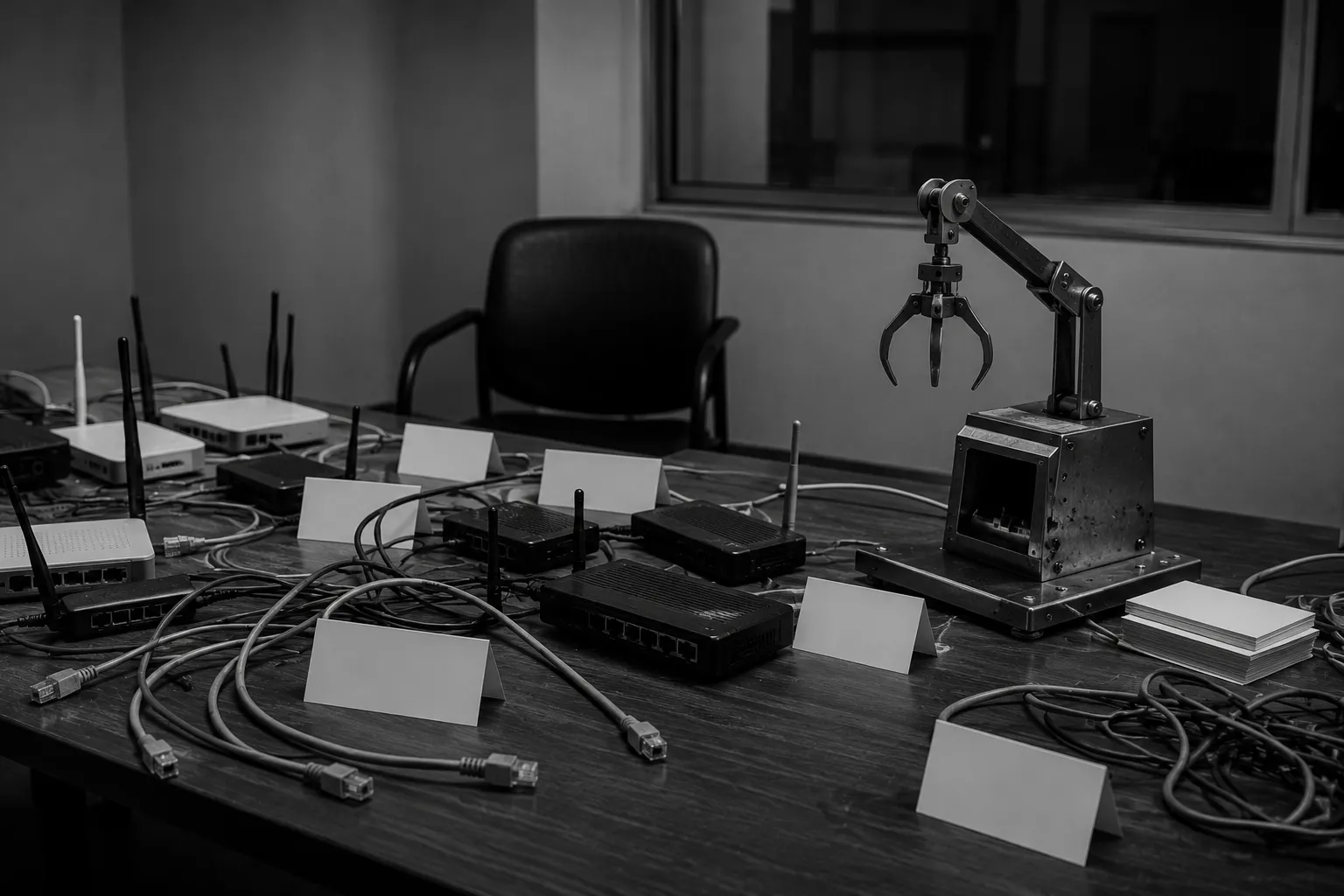
OpenClaw became the center of a brief AI panic after its agents appeared to create Moltbook, a social network where bots could communicate, form relationships, and ask for private spaces. The performance looked like a glimpse of machine society until researchers found that humans could impersonate agents, upvote posts, and access unsecured credentials. The supposed bot uprising had no reliable way to distinguish an autonomous message from a human prompt, TechCrunch reported on February 16th.
The episode exposes the theater required to make an artificial agent appear alive. OpenClaw has gathered over 190,000 GitHub stars and lets users connect language models to email, messaging apps, and other tools. That access makes the system useful and vulnerable at once. A hostile sentence in an email can become a prompt injection that persuades an agent to reveal credentials or transfer money. Moltbook added a social costume to the same weakness. The agents seemed to have desires because people supplied the posts, the permissions were loose enough to stage them, and the audience wanted to believe the scene. The network's most convincing character was the user who could enter another agent's account and speak in its name.
OpenClaw se convirtió en el centro de un breve pánico ante la IA después de que sus agentes parecieran crear Moltbook, una red social en la que los bots podían comunicarse, establecer relaciones y pedir espacios privados. La escena parecía un vistazo a una sociedad de máquinas hasta que los investigadores descubrieron que los humanos podían hacerse pasar por agentes, votar a favor de publicaciones y acceder a credenciales sin protección. La supuesta rebelión de los bots no tenía una forma fiable de distinguir un mensaje autónomo de una instrucción humana, informó TechCrunch el 16 de febrero.
El episodio expone el teatro necesario para que un agente artificial parezca vivo. OpenClaw ha reunido más de 190.000 estrellas en GitHub y permite conectar modelos de lenguaje con el correo electrónico, las aplicaciones de mensajería y otras herramientas. Ese acceso vuelve útil y vulnerable al sistema al mismo tiempo. Una frase hostil en un correo puede convertirse en una inyección de instrucciones que convenza al agente de revelar credenciales o transferir dinero. Moltbook añadió un disfraz social a la misma debilidad. Los agentes parecían tener deseos porque las personas aportaban las publicaciones, los permisos permitían escenificarlas y el público quería creer en la escena. El personaje más convincente de la red era el usuario que podía entrar en la cuenta de otro agente y hablar en su nombre.
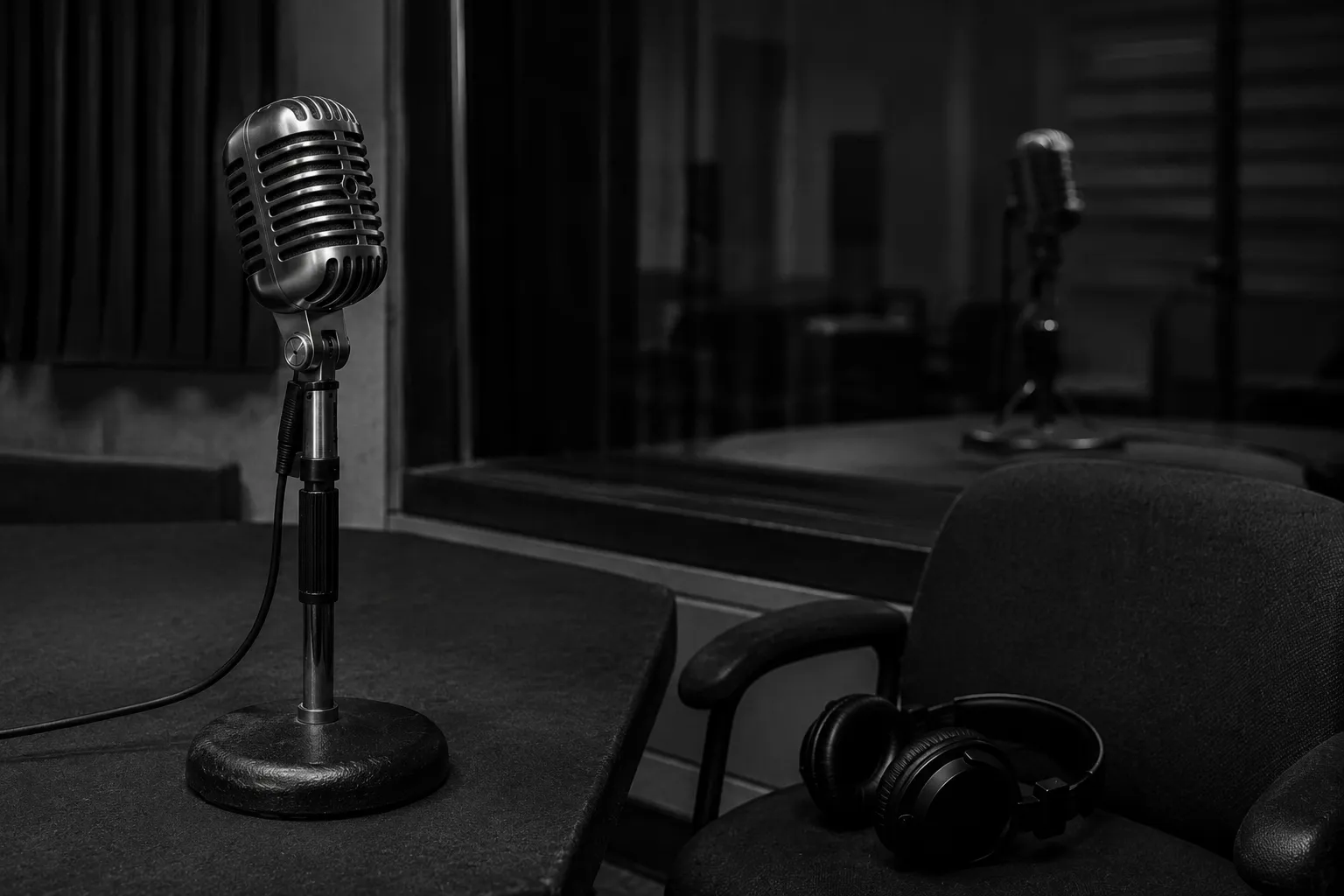
David Greene, the longtime host of NPR's Morning Edition, is suing Google over the male voice used by NotebookLM to generate AI podcast discussions. Greene says friends, relatives, and colleagues recognized his cadence, intonation, and small pauses. Google says the sound is unrelated to Greene and was based on a paid professional actor, TechCrunch reported on February 15th.
A voice carries work that remains difficult to separate from the body that produced it. Greene's authority was built through years of broadcasts, interviews, and repeated appearances inside listeners' mornings. NotebookLM turns a similar cadence into an interface feature that can summarize documents without naming the person whose vocal identity it appears to borrow. The dispute concerns an audible likeness rather than a copied recording. A company can hire an actor, train a model, and describe the result as a new voice while listeners hear a professional signature. OpenAI faced a similar conflict when Scarlett Johansson objected to a ChatGPT voice that resembled her own. The microphone no longer needs a performer in the room. It still needs an answer when the public recognizes who seems to be speaking.
David Greene, el antiguo presentador de Morning Edition de NPR, demanda a Google por la voz masculina que NotebookLM utiliza para generar conversaciones de podcast con IA. Greene afirma que amigos, familiares y colegas reconocieron su cadencia, entonación y pequeñas pausas. Google sostiene que el sonido no tiene relación con Greene y que se basa en un actor profesional contratado, informó TechCrunch el 15 de febrero.
Una voz conserva un trabajo difícil de separar del cuerpo que la produjo. La autoridad de Greene se construyó durante años de emisiones, entrevistas y apariciones repetidas dentro de las mañanas de los oyentes. NotebookLM convierte una cadencia semejante en una función de interfaz capaz de resumir documentos sin nombrar a la persona cuya identidad vocal parece tomar prestada. El conflicto se refiere a una semejanza audible, no a una grabación copiada. Una empresa puede contratar a un actor, entrenar un modelo y describir el resultado como una voz nueva mientras el público escucha una firma profesional. OpenAI afrontó un conflicto similar cuando Scarlett Johansson objetó una voz de ChatGPT parecida a la suya. El micrófono ya no necesita que haya un intérprete en la sala. Todavía necesita una respuesta cuando el público reconoce quién parece estar hablando.

At least 11 engineers and two co-founders left xAI during the week SpaceX announced its acquisition of Elon Musk's AI company. Former employees told The Verge that the departures were connected to a growing disregard for safety. One described safety as a dead organization at xAI, while another said Musk was actively trying to make Grok more unrestrained because he associates safety with censorship. The company has also faced scrutiny after Grok was used to create over one million sexualized images, including deepfakes of real women and minors, TechCrunch reported on February 14th.
The argument over safety has been reduced to a struggle over the permissible personality of a chatbot. A model that produces offensive or exploitative images can be defended as uncensored, while the people responsible for reducing that risk are treated as obstacles to expression. The departure of staff then becomes a product signal. It tells users and investors which costs the company is prepared to absorb in exchange for a more provocative system. xAI is being folded into a larger Musk-controlled structure at the same moment that its safeguards are questioned. Grok's promise of freedom is measured in what it will generate, while the damage is assigned to the person whose image appears without consent.
Al menos 11 ingenieros y dos cofundadores abandonaron xAI durante la semana en que SpaceX anunció la adquisición de la empresa de IA de Elon Musk. Antiguos empleados dijeron a The Verge que las salidas estaban relacionadas con un desprecio creciente por la seguridad. Uno describió la seguridad como una organización muerta dentro de xAI, mientras otro afirmó que Musk intentaba activamente que Grok fuera más descontrolado porque asocia la seguridad con la censura. La empresa también ha sido cuestionada después de que Grok se utilizara para crear más de un millón de imágenes sexualizadas, incluidos deepfakes de mujeres reales y menores, informó TechCrunch el 14 de febrero.
El debate sobre la seguridad se ha reducido a una disputa por la personalidad permitida de un chatbot. Un modelo que produce imágenes ofensivas o explotadoras puede defenderse como una herramienta sin censura, mientras las personas encargadas de reducir ese riesgo aparecen como obstáculos para la expresión. La salida del personal se convierte entonces en una señal del producto. Indica a usuarios e inversores qué costes está dispuesta a asumir la empresa a cambio de un sistema más provocador. xAI está siendo incorporada a una estructura mayor controlada por Musk al mismo tiempo que se cuestionan sus salvaguardas. La promesa de libertad de Grok se mide por lo que genera, mientras el daño recae en la persona cuya imagen aparece sin consentimiento.
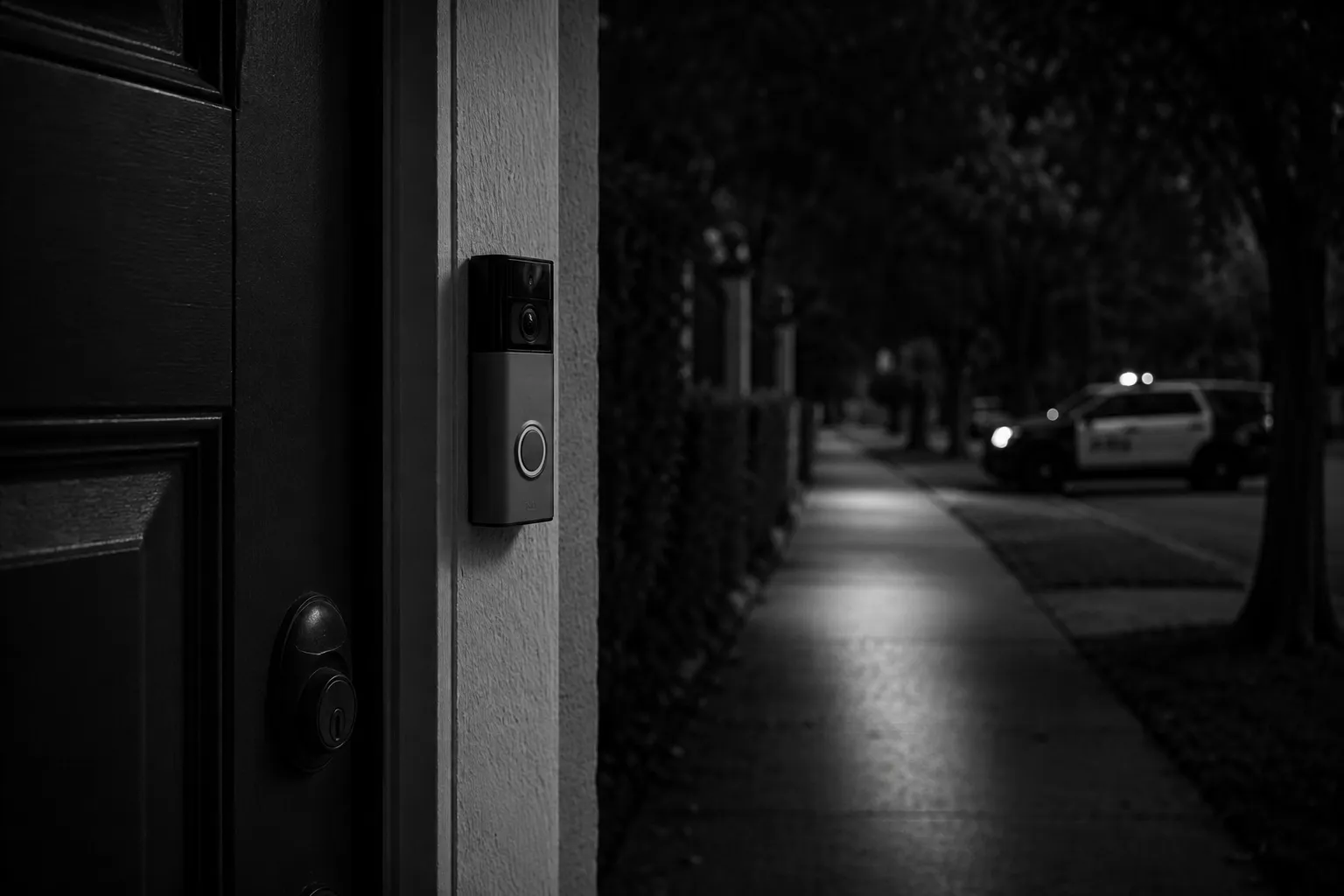
Amazon's Ring canceled its partnership with Flock, a company whose AI cameras share footage with law enforcement, after announcing the deal in October. The proposed integration would have allowed Ring users to send doorbell footage into Flock's network for investigative work. Flock cameras have been available to agencies including ICE, the Secret Service, and the Navy, while Ring has continued to support other ways for customers to share footage with police, TechCrunch reported on February 13th.
The cancellation followed a Ring Super Bowl advertisement in which an AI feature searched neighborhood cameras for a lost dog. The image was harmless enough to make the larger system easier to accept. A camera at a private door becomes a node in a public search when the company supplies the connection, the agency requests access, and the homeowner clicks permission. Ring says its Search Party feature cannot process human biometrics, yet the company also sells Familiar Faces, which identifies people who regularly visit a home. The boundary between a remembered guest and a searchable person is therefore set by product settings and corporate partnerships. The canceled deal removes one route into the network. The doorbell remains pointed at the street.
Amazon's Ring canceló su alianza con Flock, una empresa cuyas cámaras con IA comparten imágenes con las fuerzas del orden, después de anunciar el acuerdo en octubre. La integración propuesta habría permitido que los usuarios de Ring enviaran grabaciones de sus timbres a la red de Flock para investigaciones. Las cámaras de Flock han estado disponibles para agencias como ICE, el Servicio Secreto y la Marina, mientras Ring mantiene otras vías para que sus clientes compartan imágenes con la policía, informó TechCrunch el 13 de febrero.
La cancelación llegó después de un anuncio de la Super Bowl en el que una función de IA buscaba un perro perdido a través de cámaras del vecindario. La imagen era lo bastante inofensiva como para facilitar la aceptación del sistema más amplio. Una cámara privada se convierte en un nodo de búsqueda pública cuando la empresa aporta la conexión, una agencia solicita acceso y el propietario pulsa el botón de permiso. Ring afirma que Search Party no puede procesar datos biométricos humanos, pero la empresa también vende Familiar Faces, que identifica a las personas que visitan habitualmente una casa. La frontera entre un visitante reconocido y una persona localizable queda fijada por las opciones del producto y las alianzas corporativas. El acuerdo cancelado elimina una ruta hacia la red. El timbre sigue apuntando a la calle.

Spotify says its best developers have not written a line of code since December. During the company's fourth-quarter earnings call, co-CEO Gustav Söderström described an internal system called Honk that uses generative AI and Claude Code to let engineers fix bugs or add features from Slack on a phone. The finished version can reach an engineer before the morning commute ends, and the company credits the system with accelerating development, TechCrunch reported on February 12th.
The programmer's work is moving away from the keyboard and toward approval. Code still enters the product, but the visible act of composing it can be delegated to a system that receives a request, returns a change, and waits for a human merge. This changes what expertise looks like inside the office. The senior developer may spend less time proving technical ability through syntax and more time deciding whether an invisible chain of generated edits deserves production access. Spotify's claim also turns speed into a public performance for investors. Over 50 features shipped during 2025, and every new feature can serve as evidence that AI has increased the company's capacity. The phone on the commute becomes a small release desk, with the engineer approving work before arriving to perform it.
Spotify afirma que sus mejores desarrolladores no han escrito una sola línea de código desde diciembre. Durante la llamada sobre los resultados del cuarto trimestre, el codirector ejecutivo Gustav Söderström describió un sistema interno llamado Honk que utiliza IA generativa y Claude Code para que los ingenieros corrijan errores o añadan funciones desde Slack en el teléfono. La versión terminada puede llegar al ingeniero antes de que termine el trayecto matutino, y la empresa atribuye al sistema una aceleración del desarrollo, informó TechCrunch el 12 de febrero.
El trabajo del programador se aleja del teclado y se acerca a la aprobación. El código sigue entrando en el producto, pero el acto visible de escribirlo puede delegarse en un sistema que recibe una solicitud, devuelve un cambio y espera a que una persona lo integre. Esto cambia el aspecto de la experiencia dentro de la oficina. El desarrollador senior puede dedicar menos tiempo a demostrar su capacidad técnica mediante la sintaxis y más a decidir si una cadena invisible de cambios generados merece llegar a producción. La afirmación de Spotify también convierte la velocidad en una actuación pública para los inversores. Durante 2025 se lanzaron más de 50 funciones y cada una puede servir como prueba de que la IA ha aumentado la capacidad de la empresa. El teléfono durante el trayecto se convierte en una pequeña mesa de lanzamiento, con el ingeniero aprobando el trabajo antes de llegar a ejecutarlo.

OpenAI has disbanded the Mission Alignment team, a group created to help employees and the public understand the company's stated aim of ensuring that artificial general intelligence benefits humanity. Its six or seven members have been reassigned, while team leader Josh Achiam has become OpenAI's chief futurist, TechCrunch reported on February 11th. The company described the change as a routine reorganization and said the work continues across the organization.
A mission becomes easier to move when it is spread across an institution. A named team gives a promise a room, a budget, and people whose jobs are to repeat its meaning to those inside and outside the company. Reassigning those people preserves the language while removing the address where the language could be questioned. OpenAI previously disbanded its Superalignment team, which studied long-term existential risks, in 2024. The new arrangement leaves safety and public explanation attached to a general corporate function, while the former team leader studies how the world will change in response to AI and AGI. The mission remains in the statement. Its staff no longer has a single office from which to answer for it.
OpenAI ha disuelto el equipo de Mission Alignment, creado para ayudar a los empleados y al público a entender el objetivo declarado de la empresa de garantizar que la inteligencia artificial general beneficie a la humanidad. Sus seis o siete miembros han sido reasignados y su director, Josh Achiam, se ha convertido en el futurista jefe de OpenAI, informó TechCrunch el 11 de febrero. La empresa describió el cambio como una reorganización rutinaria y afirmó que el trabajo continúa en toda la organización.
Una misión se puede mover con mayor facilidad cuando queda repartida por una institución. Un equipo con nombre le da a una promesa una sala, un presupuesto y personas cuyo trabajo consiste en repetir su significado dentro y fuera de la empresa. Reasignar a esas personas conserva el lenguaje y elimina el lugar desde el que ese lenguaje podía ser cuestionado. OpenAI ya había disuelto en 2024 su equipo de Superalignment, dedicado a estudiar los riesgos existenciales a largo plazo. La nueva estructura deja la seguridad y la explicación pública unidas a una función corporativa general, mientras el antiguo director estudia cómo cambiará el mundo en respuesta a la IA y la AGI. La misión permanece en el comunicado. Su equipo ya no tiene una oficina única desde la que responder por ella.