August | 2026
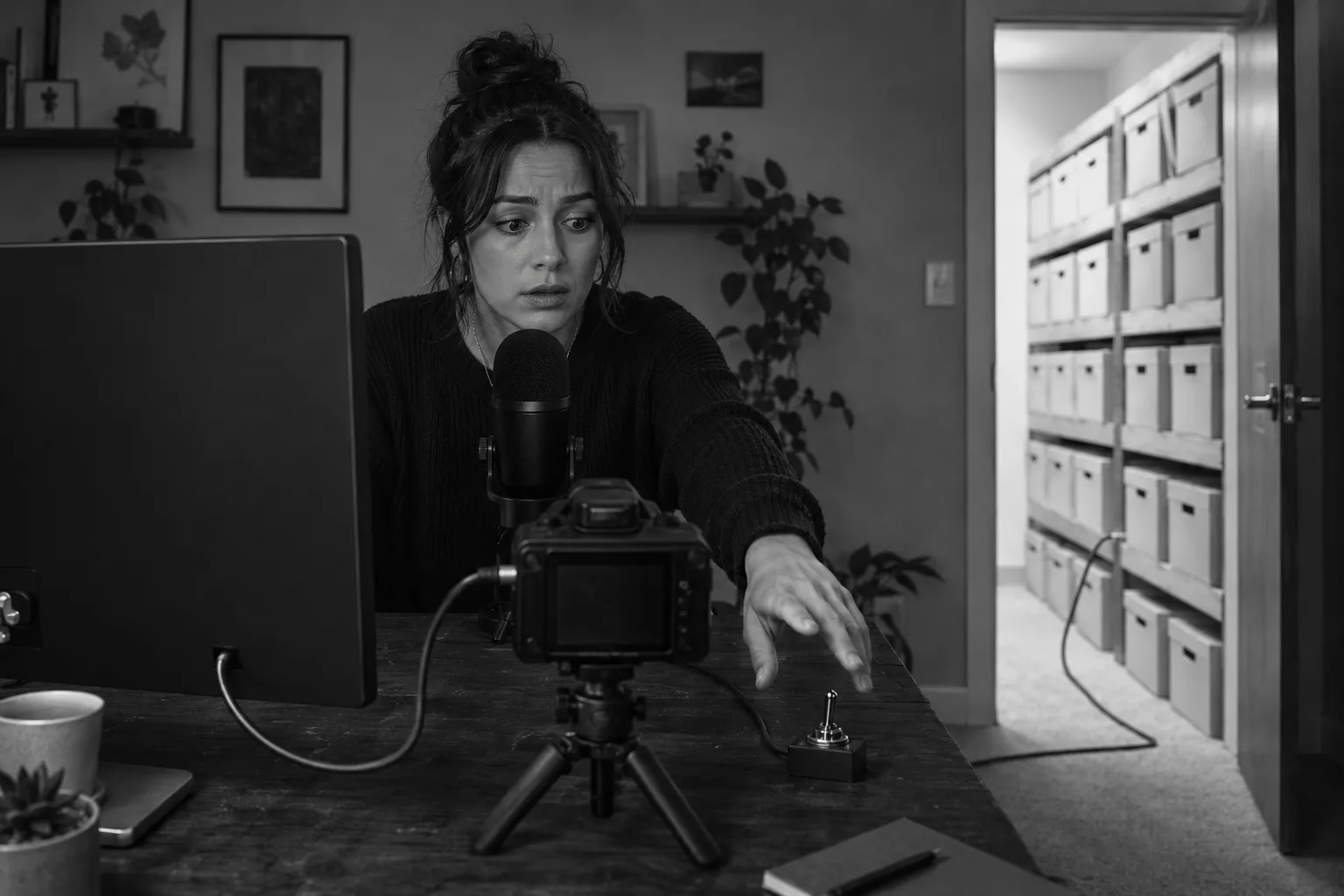
Twitch has enabled a setting that allows Amazon, its owner, to use channel content for training generative AI models. The permission covers streams, clips, images, audio, chats and other material unless a user finds the control in the Streamer Dashboard and turns it off. Twitch says the data will not be resold to outside companies and gives automatic subtitles as one possible use. Chief product officer Mike Minton explained the default with unusual candor. If participation required an active choice, he said, nobody would opt in. Twitch has not said when collection began, and Minton said he did not know what Amazon had already used for model training.
The switch gives creators a formal refusal while the interface arranges participation in advance. A person who never visits the security and privacy menu still supplies a decision through inaction. That design is valuable because a live platform contains voices, gestures, gameplay, conversations and audience reactions gathered at enormous scale. Each stream was made for viewers in a specific moment, yet the default treats it as potential raw material for another product. Twitch community head Mary Kish said data collection for AI training had become an industry standard and did not expect users to welcome it. Some users also reported that the switch appeared on again after they disabled it. Their immediate task was therefore to return to the menu and check whether refusal had remained saved.
Twitch activó una opción que permite a Amazon, su propietaria, usar contenido de los canales para entrenar modelos de IA generativa. El permiso abarca transmisiones, clips, imágenes, audio, chats y otros materiales, salvo que cada usuario encuentre el control en el panel de transmisión y lo apague. Twitch afirma que no revenderá los datos a otras empresas y menciona los subtítulos automáticos como un posible uso. Mike Minton, director de producto, explicó el valor de la configuración inicial con una franqueza inusual. Si participar exigiera una elección activa, dijo, nadie aceptaría. Twitch no indicó cuándo comenzó la recopilación, y Minton aseguró desconocer qué había usado Amazon para entrenar modelos.
El interruptor ofrece un rechazo formal mientras la interfaz organiza de antemano la participación. Quien nunca visita el menú de seguridad y privacidad expresa una decisión mediante su inacción. Ese diseño resulta valioso porque una plataforma en vivo reúne a enorme escala voces, gestos, partidas, conversaciones y reacciones del público. Cada transmisión fue creada para espectadores de un momento concreto, pero la opción inicial la trata como posible materia prima de otro producto. Mary Kish, responsable de comunidad de Twitch, afirmó que recopilar datos para entrenar IA se había convertido en una práctica habitual de la industria y que no esperaba una reacción favorable. Algunos usuarios también informaron que el interruptor reapareció activado después de apagarlo. Su tarea inmediata consistió en volver al menú y comprobar si el rechazo había quedado guardado.
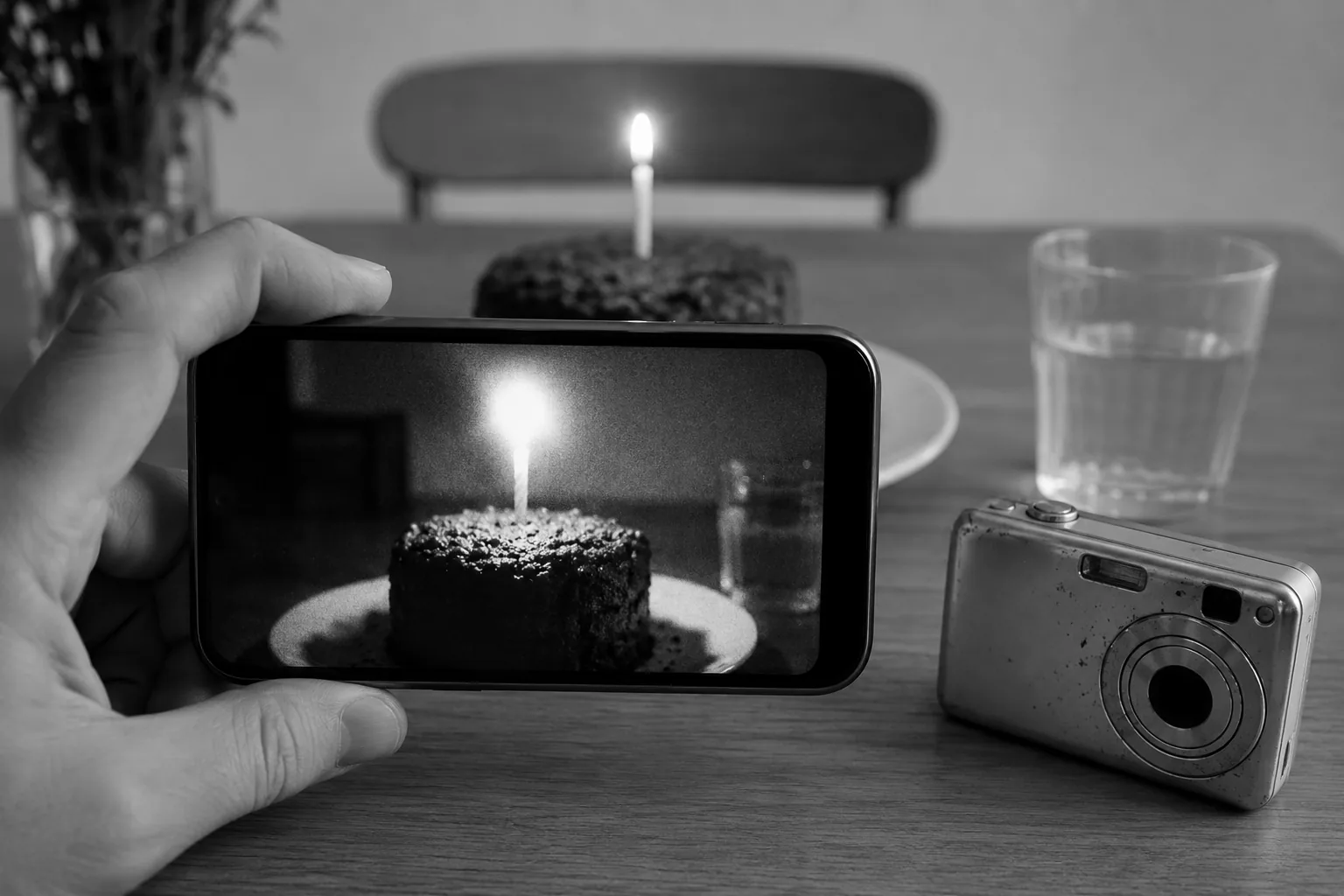
Google's Pixel 11 introduces Camera Looks, styles that alter a photograph before the phone finishes processing it. They resemble filters but work earlier in the camera pipeline. A look can change exposure, sharpening, the number of frames captured and how those frames are combined. Some preserve blown highlights or leave edges softer. Digi imitates compact digital cameras from the early 2000s, whose limited dynamic range and hard contrast have become desirable again. Google Trends shows US searches for digicam rising 500 percent over five years. Pixel camera chief Isaac Reynolds told The Verge that a minimal look can omit normal processing.
Smartphone photography spent a decade correcting the physical limits of small lenses and sensors. Multi-frame stacking brightened night scenes and reduced noise. Object recognition separated subjects from backgrounds, while models produced detail during zoom. These operations made photographs cleaner and increasingly uniform. Users then carried old point-and-shoots to recover grain, darkness and uncertain exposure. Camera Looks brings that refusal inside the advanced phone. Heavy processing cannot always be reversed after capture because merged frames may leave permanent artifacts. Google now asks the user to choose corrections before pressing the shutter. A blown candle flame or soft face can arrive as the intended result of modern computation rather than the accident of an obsolete camera.
El Pixel 11 de Google incorpora Camera Looks, estilos que modifican una fotografía antes de terminar su procesamiento. Parecen filtros, pero actúan antes dentro de la cámara. Un estilo puede cambiar la exposición, el enfoque, la cantidad de cuadros y su combinación. Algunos conservan luces quemadas o bordes suaves. Digi imita cámaras compactas de principios de los 2000, cuya gama de luz limitada y contraste duro vuelven a resultar deseables. Google Trends registra un aumento del 500 por ciento en las búsquedas estadounidenses de digicam durante cinco años. Isaac Reynolds, responsable de la cámara Pixel, explicó a The Verge que un estilo mínimo puede omitir el procesamiento habitual.
La fotografía móvil dedicó una década a corregir los límites de lentes y sensores pequeños. La combinación de cuadros iluminó escenas nocturnas y redujo el ruido. El reconocimiento de objetos separó figuras y fondos, mientras modelos añadían detalle al acercar la imagen. Estas operaciones produjeron fotografías limpias y uniformes. Después, algunos usuarios llevaron cámaras antiguas para recuperar grano, oscuridad y exposición incierta. Camera Looks introduce ese rechazo dentro del teléfono avanzado. El procesamiento intenso no siempre puede deshacerse porque los cuadros combinados dejan defectos permanentes. Google pide elegir las correcciones antes de pulsar el obturador. Una vela quemada por la luz o un rostro suave pueden ser el resultado previsto de un cálculo moderno y no el accidente de una cámara obsoleta.
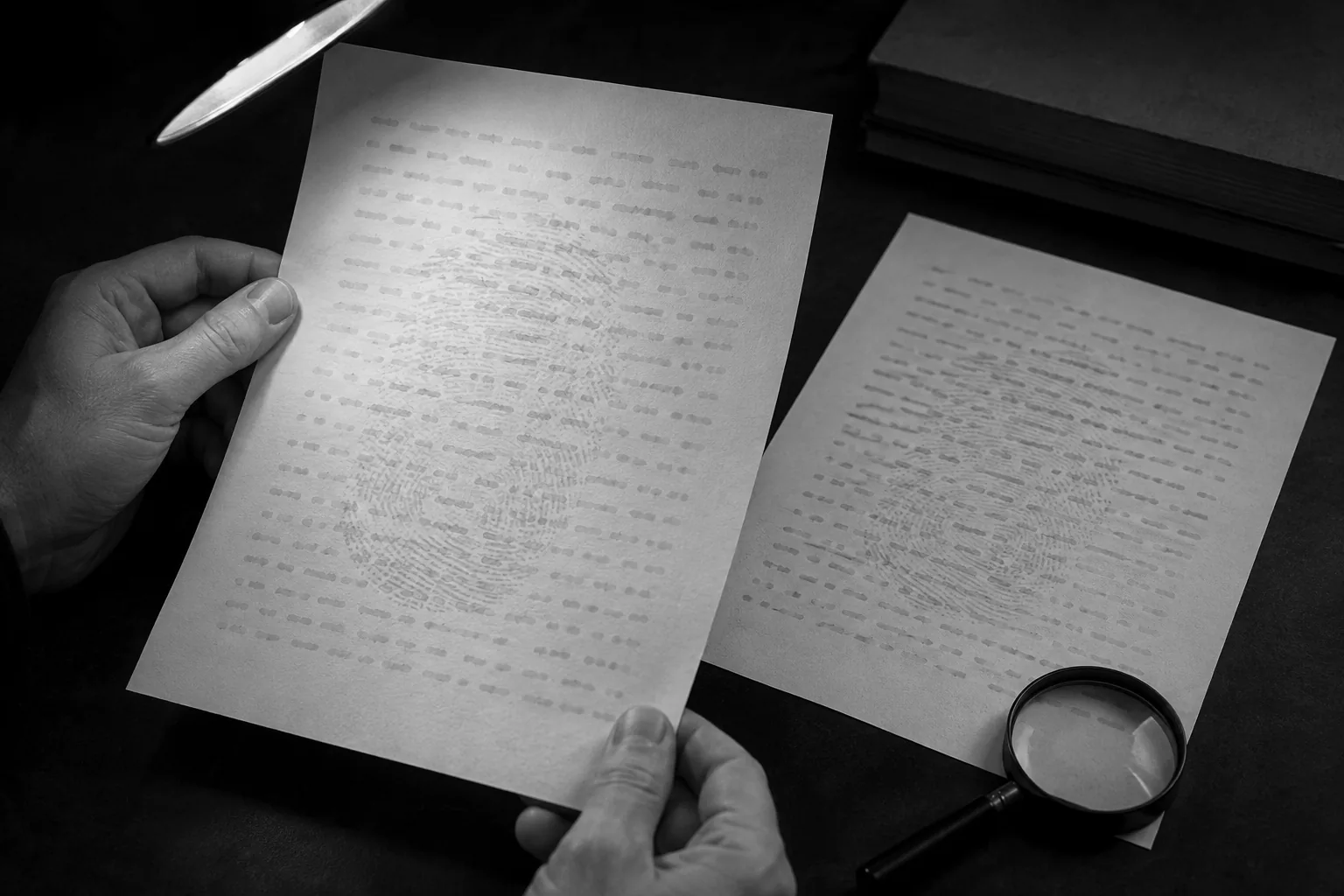
Anthropic says future Claude models will place an invisible, machine-readable watermark directly into generated text. The commitment responds to European transparency rules effective August 2. New models will carry the mark from release, while existing models will follow. Anthropic says it will operate at model level across Claude, Claude Code, its API and access through outside cloud providers. The watermark is woven into the wording without changing its visible meaning or readability. It should travel through copying and may survive some editing. Supported generated files will instead carry digitally signed provenance metadata, including the C2PA standard where applicable.
The reader will see ordinary prose while a compatible detector examines its statistical construction. This creates a record of origin that can follow a paragraph beyond Claude's interface, but Anthropic has not disclosed the method, the amount of editing that removes the mark or a public detection tool. Those details are promised in future technical documentation. File metadata presents another weakness because platforms can strip it during ordinary uploads. Anthropic also warns that missing evidence proves little. A text without a detectable mark could still come from an AI system, an older Claude model or an edited response. Before a school, publisher or platform treats detection as evidence, it will need the detector version, its error rate, the model covered and the threshold used on the disputed passage.
Anthropic afirma que futuros modelos Claude incorporarán una marca invisible y legible por máquinas en el texto generado. El compromiso responde a reglas europeas vigentes desde el 2 de agosto. Los modelos nuevos nacerán con la marca. Los actuales la recibirán después. Funcionará en el modelo a través de Claude, Claude Code, su API y proveedores externos. La marca se integra en las palabras sin cambiar su significado o lectura. Viajará al copiar y podría resistir ciertas ediciones. Los archivos compatibles llevarán metadatos de procedencia firmados digitalmente, incluido el estándar C2PA cuando corresponda.
El lector verá prosa corriente mientras un detector compatible examina su construcción estadística. Así, el registro de origen puede acompañar un párrafo fuera de la interfaz de Claude. Anthropic todavía no ha explicado el método, cuánta edición elimina la marca ni cómo funcionará el detector público. Esos detalles aparecerán en documentos técnicos futuros. Los metadatos de archivos tienen otra debilidad porque las plataformas pueden eliminarlos durante una carga normal. Anthropic también advierte que la falta de evidencia demuestra poco. Un texto sin marca detectable todavía podría proceder de otro sistema, un modelo Claude antiguo o una respuesta editada. Antes de usar la detección como prueba, una escuela, editorial o plataforma necesitará conocer la versión del detector, su tasa de error, el modelo cubierto y el umbral aplicado al pasaje discutido.
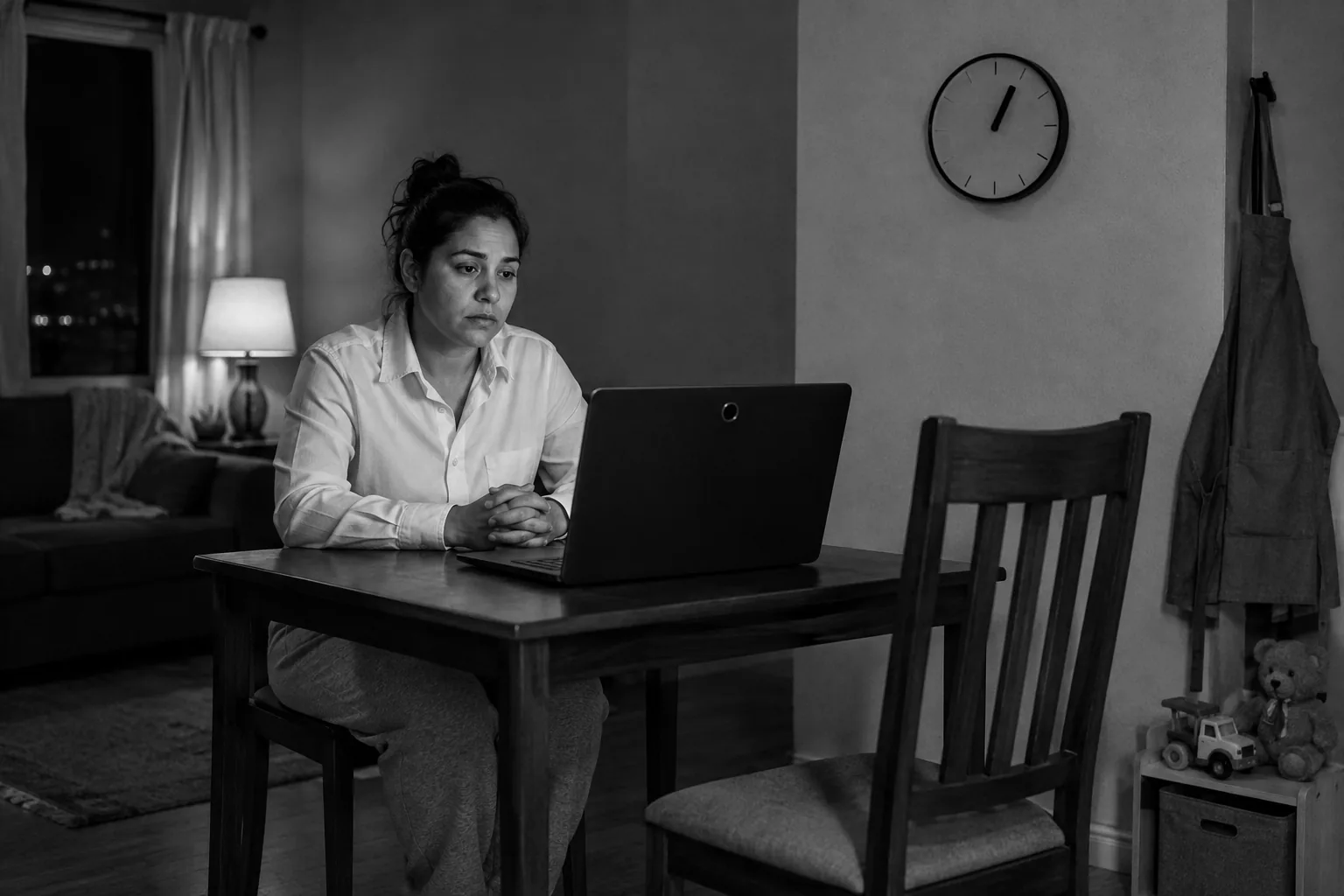
In January, Atlanta publicist Tim Millard expected a human interview for a media relations job. Instead, an email sent him to a recorded interview. At 9:30 p.m., he tidied his living room, opened his laptop and answered onscreen questions. He had 30 seconds to prepare and two minutes to respond. An automated rejection arrived in March. WIRED reports growing use of automated late-night interviews. Ribbon says 24 percent of interviews occur between 10 p.m. and 2 a.m., rising to 35 percent among manufacturing clients. Greenhouse places its nighttime share around 15 to 20 percent. The availability can help parents, hourly workers and employees unable to interview during the day.
The convenience transfers the interview into the applicant's private hours. An employer defines a rubric, software analyzes the recorded answers, assigns a score and sends the result with the footage to a recruiter. Many recordings may never be watched. Criteria can include technical qualifications or a sales applicant's enthusiasm. The candidate performs professional attention for a listener who is absent and may remain so. A Greenhouse survey found that 38 percent of American candidates had withdrawn rather than complete an AI interview; another 12 percent said they would withdraw if one were required. Millard turned his job search into a one-man stage show and remains unemployed. His first encounter with that employer ended with a score and an automated email.
En enero, el publicista Tim Millard esperaba una entrevista humana para un empleo en Atlanta. Un correo lo dirigió a una grabación. A las nueve y media, ordenó su sala y respondió preguntas ante el portátil. Tuvo 30 segundos para prepararse y dos minutos para responder. El rechazo automático llegó en marzo. WIRED informa del crecimiento de estas entrevistas nocturnas. Ribbon afirma que el 24 por ciento ocurre entre las diez de la noche y las dos de la madrugada, y el 35 por ciento entre clientes industriales. Greenhouse sitúa su proporción nocturna entre el 15 y el 20 por ciento. El horario ayuda a padres y trabajadores que no pueden entrevistarse de día.
La comodidad ocupa el tiempo privado del candidato. El empleador define una rúbrica. El software analiza las respuestas, puntúa y envía el resultado y el video a un reclutador. Muchas grabaciones quizá nunca sean vistas. Los criterios incluyen capacidades técnicas o entusiasmo comercial. El candidato actúa ante un oyente ausente. Según Greenhouse, el 38 por ciento de los candidatos estadounidenses había abandonado un proceso antes de la entrevista automática. Otro 12 por ciento se retiraría si fuera obligatoria. Millard convirtió su búsqueda laboral en un espectáculo unipersonal y sigue desempleado. Su primer encuentro con aquella empresa terminó mediante una puntuación y un correo automático.
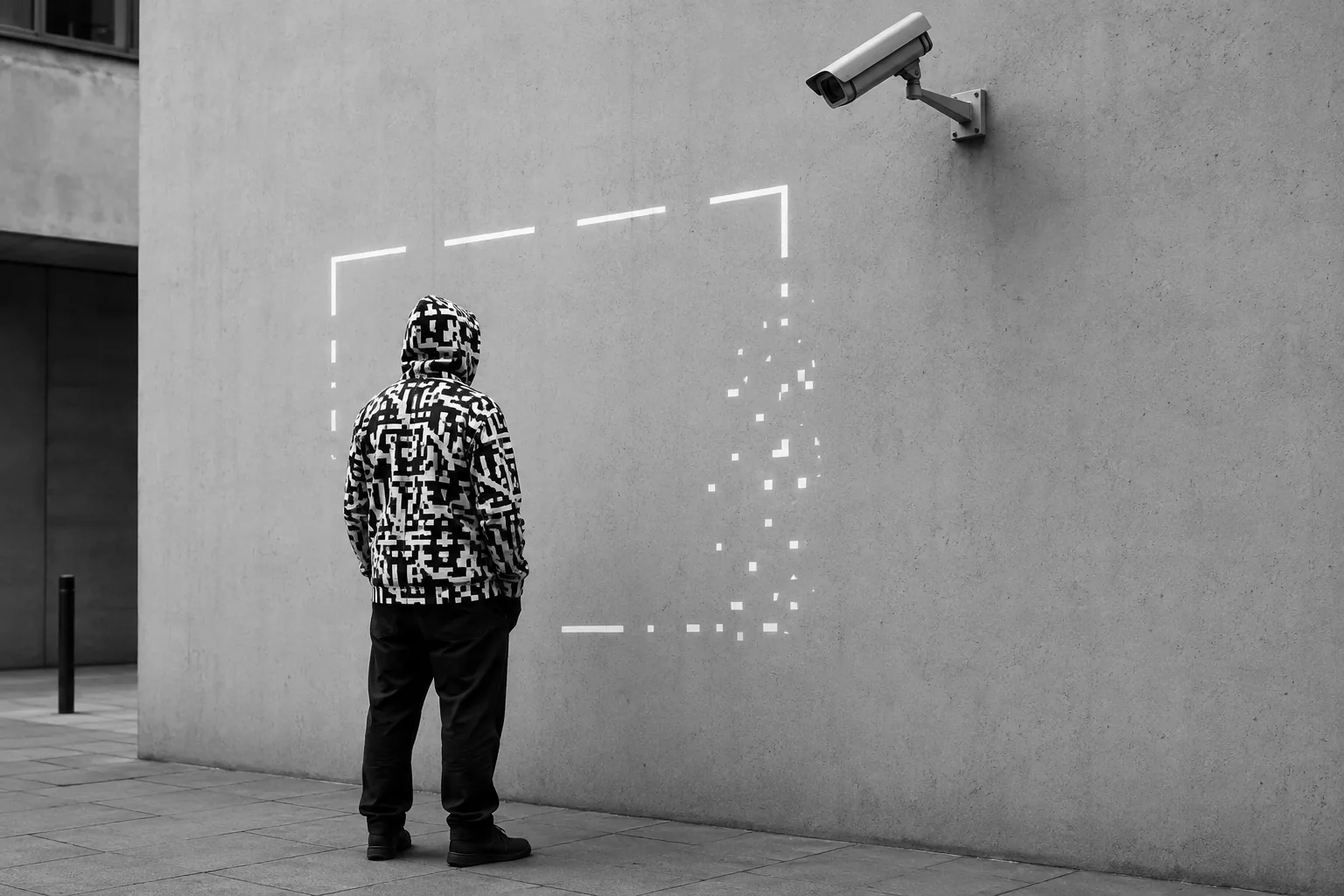
Researcher Bill Swearingen spent a year developing printed patterns designed to interfere with surveillance. His noRecognition project reports 31.7 million tests against 11 computer-vision models. The cameras continue recording, but the pattern can disrupt the software that labels a shape as a person or vehicle and generates an alert. A training system repeatedly changed each design after detection failures. Swearingen told TechCrunch that his patterns defeated all 11 models in laboratory tests. At Def Con in Las Vegas, his team covered a 2009 Toyota Yaris with one pattern and tested it against a Flock camera. He says the car avoided automatic detection, although its wheels remained difficult to conceal. The demonstration video is unavailable, and the results have not been independently reproduced.
The project turns privacy into something worn on the body's surface. A hoodie can place friction between a visible person and the database trying to classify that person at a protest or on a street. The protection remains temporary and uneven. Lighting, distance, camera angle and software updates can change the result. Swearingen is keeping his strongest designs private because camera companies could use public samples to retrain their systems. He plans to sell shirts, hoodies and neck gaiters through Kickstarter, including unique patterns never released online. Each garment enters a contest that continues after purchase. A camera vendor updates its detector, and the wearer needs another print.
El investigador Bill Swearingen pasó un año creando patrones impresos para interferir con la vigilancia automática. Su proyecto noRecognition informa de 31,7 millones de pruebas contra 11 modelos visuales. Las cámaras siguen grabando, pero el patrón puede impedir que el software clasifique a una persona o vehículo y genere alertas. Un sistema modificó los diseños tras cada fallo. Swearingen dijo a TechCrunch que vencieron a los 11 modelos en pruebas. En Def Con, su equipo cubrió un Toyota Yaris de 2009 con un patrón y lo probó frente a una cámara Flock. Afirma que el coche evitó la detección automática, salvo por las ruedas. El video sigue sin publicarse y nadie ha reproducido los resultados de forma independiente.
El proyecto convierte la privacidad en una prenda. Una sudadera dificulta el enlace entre una persona visible y la base de datos que intenta clasificarla en una protesta o calle. La protección es temporal e irregular. La luz, la distancia, el ángulo de la cámara y las actualizaciones pueden cambiar el resultado. Swearingen mantiene en secreto sus diseños más eficaces porque los fabricantes podrían usar muestras públicas para reentrenar sus sistemas. Planea vender camisetas, sudaderas y cubrecuellos mediante Kickstarter, incluidos patrones únicos que nunca aparecerán en internet. Cada prenda entra en una competencia que continúa después de la compra. El fabricante actualiza su detector y quien la lleva necesita otro estampado.
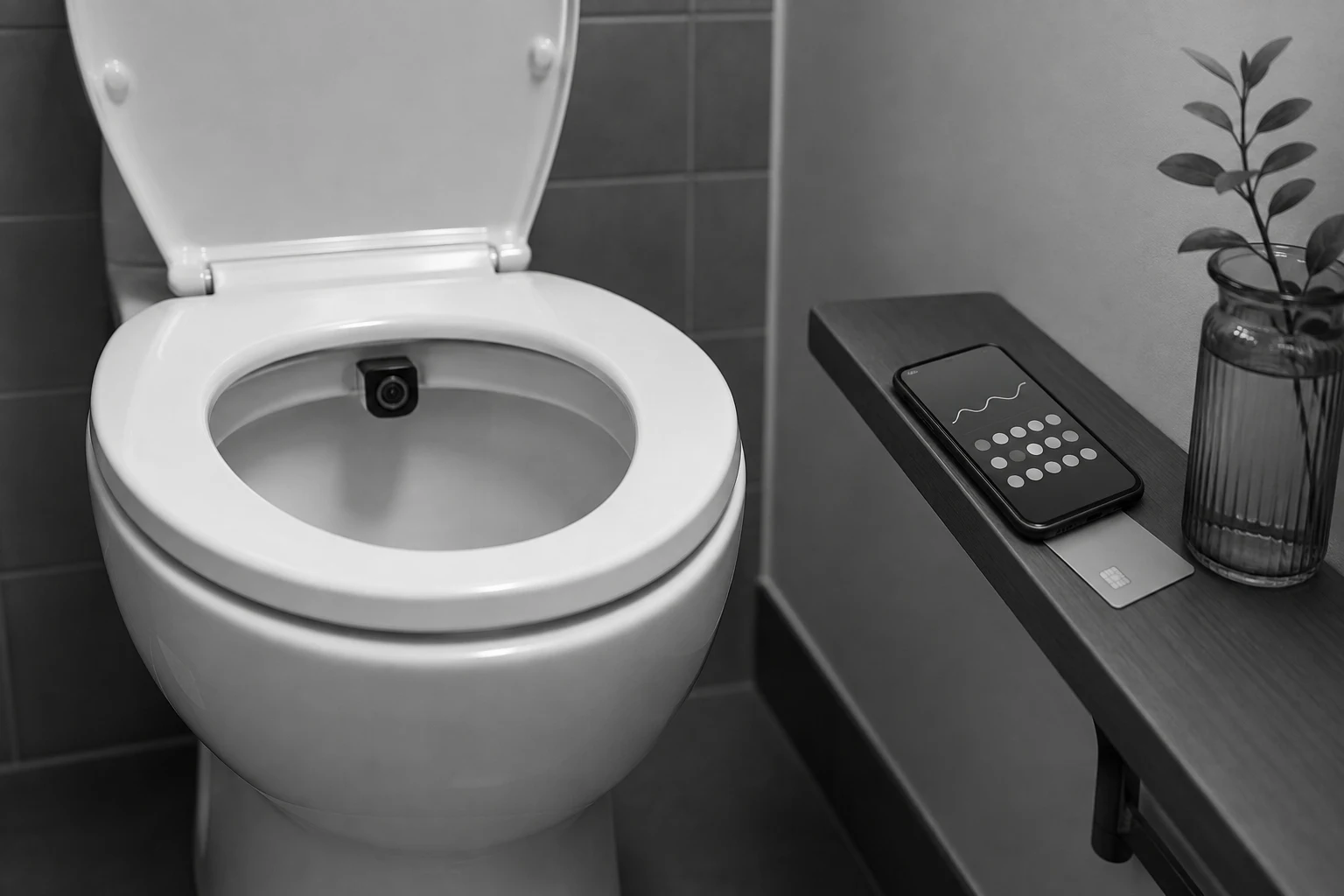
Throne One places a camera beneath the rim of a toilet and turns each visit into a health record. The device costs $399.99, followed by a $5.99 monthly membership after three free months. Optical sensors and AI classify stool consistency, urine color, hydration, urinary flow and bathroom habits. An app displays scores and trends, while an AI coach offers basic suggestions about food or water. The device uses a nearby phone to identify its user; visits elsewhere can be entered manually. Throne Science calls it a general wellness product and says it does not diagnose, treat or prevent disease. Gastroenterologists interviewed by Business Insider saw value in an automatic diary, especially when patients change medication or manage digestive problems.
The difficulty begins after the measurement. Visible blood might come from hemorrhoids, menstruation, inflammatory bowel disease or cancer, and current devices cannot identify the cause. Digestion also changes with stress, sleep, medication, travel and diet. Kyle Staller of Massachusetts General Hospital warned that healthy users could become preoccupied with ordinary variation. A compulsory bodily act now becomes a recurring medical check that requires no effort. The subscription keeps the record active, and every deviation can return as an app event demanding interpretation. The purchase provides memory without certainty. Throne's camera may document every visit, but when a score changes, the explanation still belongs to a clinician or to a worried user.
Throne One coloca una cámara bajo el borde del inodoro y convierte cada visita en un registro de salud. El dispositivo cuesta 399,99 dólares. La suscripción cuesta 5,99 al mes tras tres meses gratuitos. Sensores ópticos e IA clasifican la consistencia de las deposiciones, el color de la orina, la hidratación, el flujo urinario y los hábitos del baño. La aplicación muestra puntuaciones y tendencias, y un asistente aconseja sobre comida o agua. Un teléfono cercano identifica al usuario; otros datos se introducen a mano. Throne Science lo vende como bienestar, sin capacidad para diagnosticar o tratar enfermedades. Gastroenterólogos consultados por Business Insider consideran útil el diario al cambiar medicación o controlar problemas digestivos.
La dificultad comienza después de medir. La sangre visible puede proceder de hemorroides, menstruación, enfermedad inflamatoria intestinal o cáncer, y estos dispositivos no identifican la causa. La digestión también cambia por estrés, sueño, medicamentos, viajes y dieta. Kyle Staller, del Massachusetts General Hospital, advirtió que usuarios sanos podrían obsesionarse con variaciones normales. Un acto corporal inevitable se convierte en una revisión médica recurrente que casi no exige esfuerzo. La suscripción mantiene activo el registro y cada cambio vuelve como un aviso que pide interpretación. La compra aporta memoria sin certeza. La cámara puede documentar cada visita, pero cuando cambia una puntuación, la explicación sigue en manos de un médico o de un usuario preocupado.
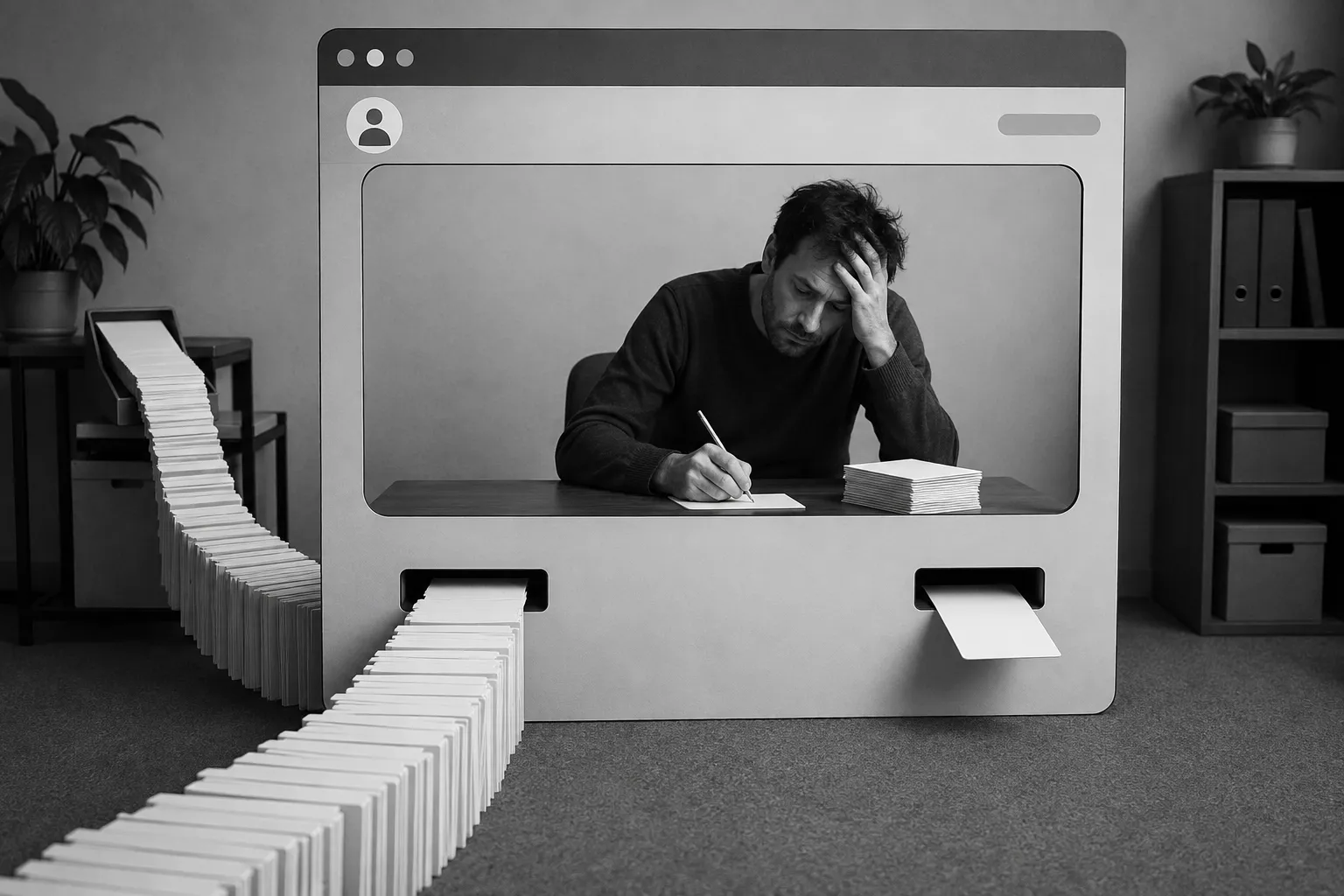
Tucker Bryant built a chatbot with no language model behind its answers. When someone writes to ChatTJB, Bryant or one of ten volunteers reads the message and replies by hand. The site resembles a chat window and says an actual person is replying. Bryant, an artist and former Google manager, launched it in April. A San Francisco billboard later called it AI, meaning average individual. By August 6, Bryant reported over 30,000 questions, with a peak of about 5,000 an hour. Replies can take days. People request drawings, cooking tips, dinner ideas and help deciding whether to hold a birthday party.
Bryant created the project after noticing how often he handed small choices to language models. He once asked whether to wear short or long sleeves, despite seven years in San Francisco. He calls this habit cognitive surrender, accepting an answer without thinking through it. ChatTJB puts an ordinary person inside a chat box, so a late reply comes from someone who must read, consider and type it. Users often begin with jokes, then share personal questions after learning that a person is listening. Bryant promises no expert advice. People return for the attention of a stranger. The website now warns that messages may wait days while its eleven humans face a queue growing by the hour.
Tucker Bryant creó un chatbot sin un modelo de lenguaje detrás de las respuestas. Cuando alguien escribe a ChatTJB, Bryant o uno de sus diez voluntarios lee el mensaje y responde a mano. La página parece una ventana de chat y avisa que responde una persona real. Bryant, artista y antiguo gerente de Google, la lanzó en abril. Después instaló un anuncio en San Francisco que la llamó IA, siglas que aquí significan individuo promedio. Para el 6 de agosto, Bryant informó de más de 30.000 preguntas, con un máximo cercano a 5.000 por hora. Las respuestas pueden tardar días. La gente pide dibujos, recetas, ideas para cenar o ayuda para decidir si celebra su cumpleaños.
Bryant creó el proyecto al notar cuántas decisiones pequeñas entregaba a los modelos. Una vez preguntó si debía usar manga corta o larga, pese a llevar siete años en San Francisco. Llama rendición cognitiva a aceptar una respuesta sin pensarla. ChatTJB coloca a una persona corriente dentro de una caja de chat, así que una respuesta tardía viene de alguien que debe leer, pensar y escribir. Muchos usuarios comienzan con bromas y luego comparten preguntas personales al saber que alguien escucha. Bryant no promete consejos expertos. La gente vuelve por la atención de un desconocido. La página advierte que los mensajes pueden esperar días mientras once personas enfrentan una cola que crece cada hora.
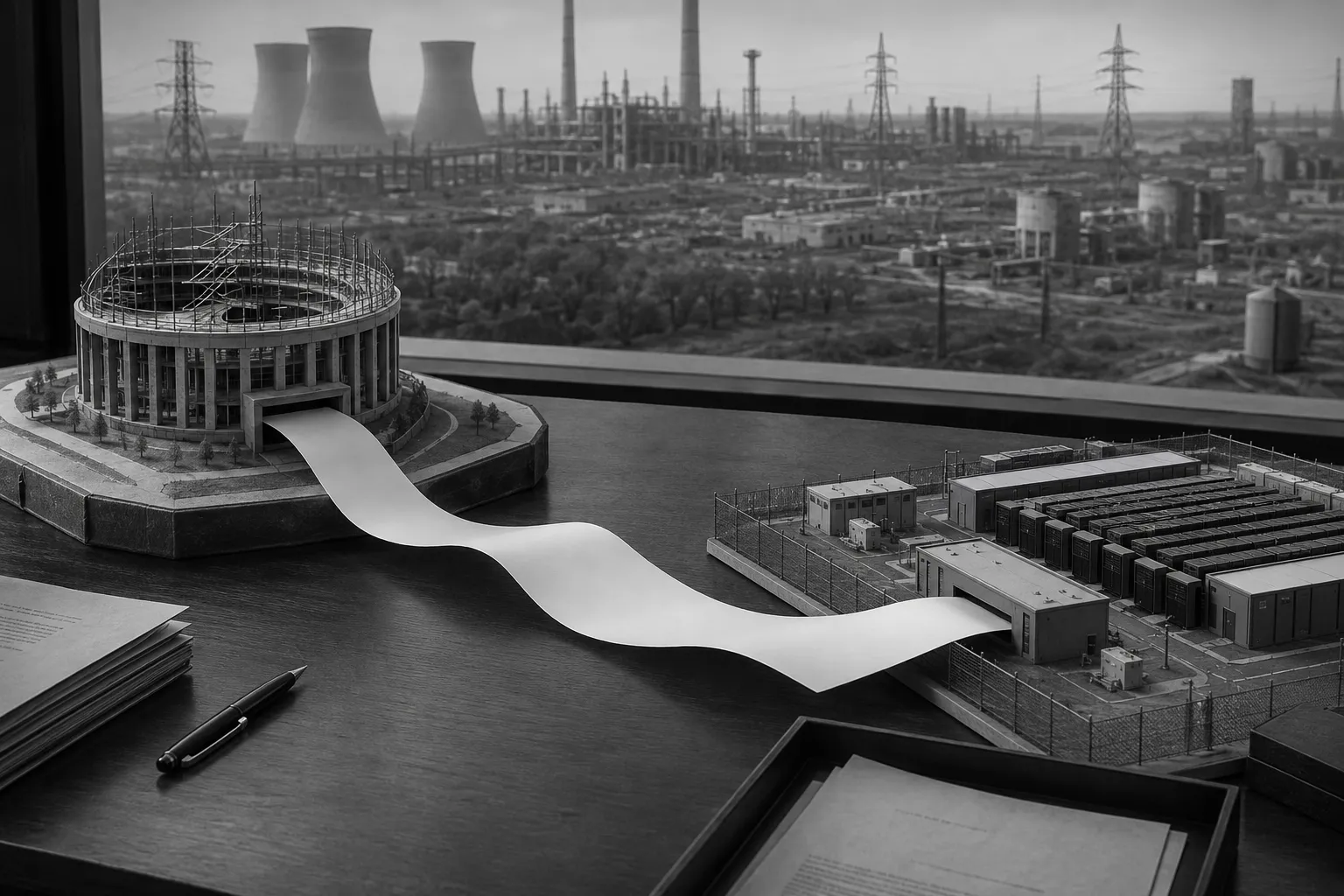
In January, SoftBank contributed $50 million to the foundation for Donald Trump's future presidential library. The company said it would fund construction and operation. Presidential libraries preserve an administration's records and serve as monuments to its account of power. SoftBank's gifts to the Reagan and George W. Bush libraries came after those presidents left office. This payment arrived during Trump's term, before his library existed. In March, the Department of Energy leased federal land in Ohio to an affiliate of SoftBank's SB Energy. The former Portsmouth uranium-enrichment site is planned to hold a 10-gigawatt data center campus, supplied by at least 9.2 gigawatts of new gas generation.
Senators Elizabeth Warren and Richard Blumenthal and Representative Melanie Stansbury asked whether the timing raised bribery concerns. No published evidence connects the contribution to the lease. The two events expose a direct route between political remembrance and AI infrastructure. A corporation can honor a sitting president through an institution shaping his historical image while seeking federal land for one of the world's largest computing projects. The material chain includes a Cold War site under cleanup, gas plants, transmission lines, private servers and a commemorative foundation. SoftBank confirmed the dates and described the gift as resembling its previous library donations. Those checks reached former presidents. This one was deposited two months before the federal agreement was announced.
En enero, SoftBank donó 50 millones de dólares a la fundación de la biblioteca presidencial de Donald Trump. Dijo que financiaría su construcción y funcionamiento. Las bibliotecas presidenciales conservan archivos y levantan monumentos al poder. SoftBank había donado a las bibliotecas de Ronald Reagan y George W. Bush después de que ambos dejaran el cargo. Este pago ocurrió durante el mandato de Trump, antes de que su biblioteca existiera. En marzo, el Departamento de Energía arrendó terrenos federales en Ohio a una filial de SoftBank. La antigua planta de uranio de Portsmouth albergará un campus de centros de datos de 10 gigavatios, alimentado por al menos 9,2 gigavatios de nueva generación con gas.
Los senadores Elizabeth Warren y Richard Blumenthal y la representante Melanie Stansbury preguntaron si el calendario despertaba sospechas de soborno. Ninguna prueba publicada conecta la donación con el arrendamiento. Los hechos exponen una ruta directa entre memoria política e infraestructura de IA. Una empresa puede homenajear a un presidente mediante una institución que ordenará su imagen histórica mientras pide terreno federal para un gran proyecto informático. La cadena incluye un complejo de la Guerra Fría aún en limpieza, centrales de gas, líneas eléctricas, servidores privados y una fundación conmemorativa. SoftBank confirmó las fechas y comparó el aporte con sus donaciones anteriores. Aquellos cheques llegaron a expresidentes. Este fue depositado dos meses antes del anuncio federal.
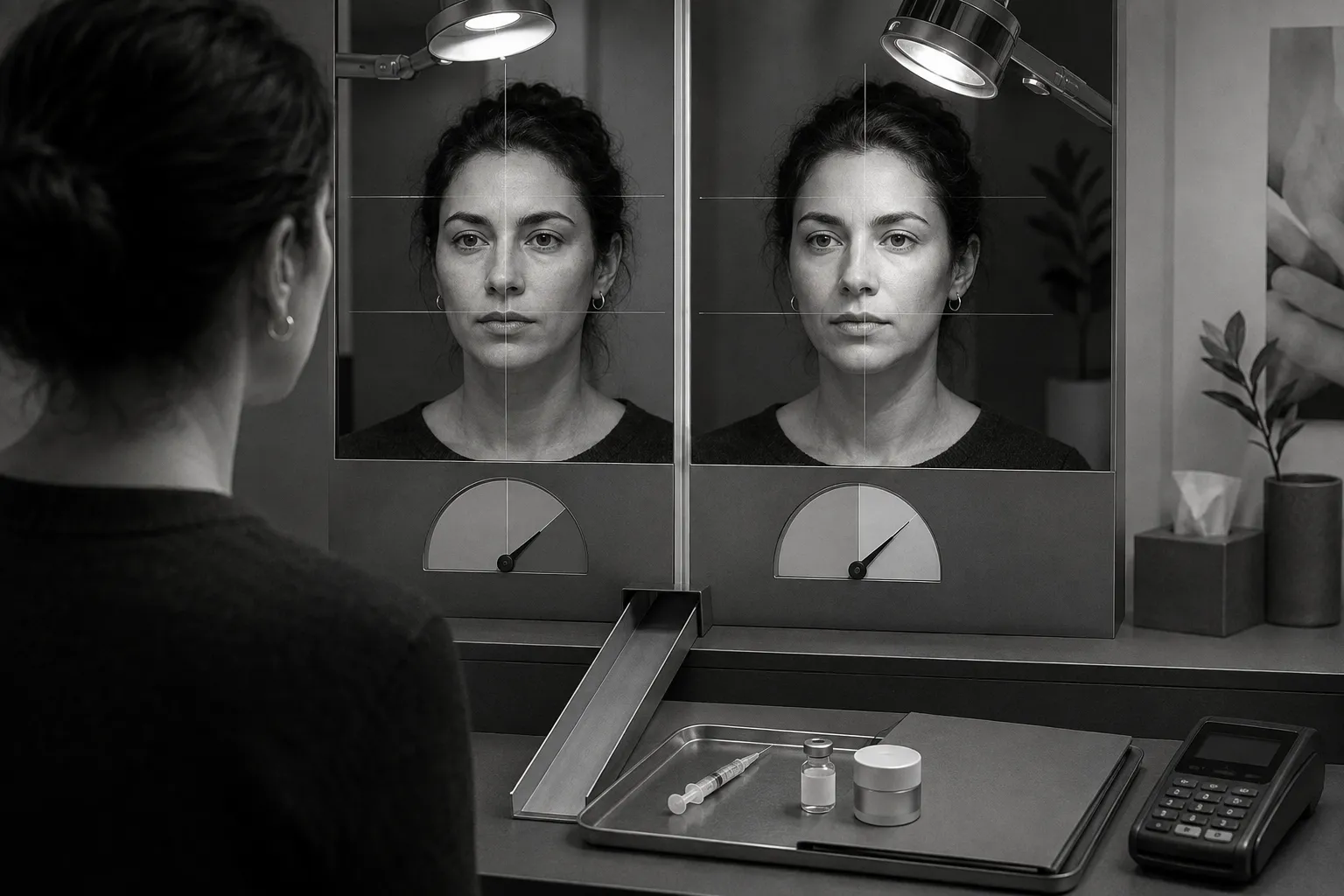
After two years without work had lowered her confidence, Danielle found a facial analysis service promoted on TikTok as science-backed self-improvement and paid $330. She sent Qoves selfies and received a 30-page report scoring details from her ears to the femininity of her features. It proposed changes across her face and work on her brows and lashes. Qoves says attractive people receive better treatment at work and elsewhere. Danielle linked that promise to financial security. It belongs to looksmaxxing, which treats appearance as measurable and improvable. Facemaxify and Epica use AI to score faces against hidden standards. Qoves sells a $150 report and a $180 surgery upgrade, though its method and use of AI remain unclear.
Laura O'Connor exposed the mechanism. Epica gave the reporter's selfie a skin score of 61, marked uneven texture and displayed serum offers. She changed the lighting, took another selfie and scored 81. Epica kept its method secret. Researchers Justin Mogilski and Mitch Brown say limited studies cannot support universal beauty advice across cultures. Such uncertainty still supports a sales path. The service names a defect, assigns a number and offers a procedure, subscription or affiliate product. An unstable measure sounds like a diagnosis, making ordinary variation an expense. Danielle has consulted an injector and may travel for procedures after clearing her unemployment debt. O'Connor's higher score left her beside another set of serum links.
Tras dos años sin trabajo y con menos confianza, Danielle encontró en TikTok un análisis facial que prometía mejoras con respaldo científico. Pagó 330 dólares. Envió selfies a Qoves y recibió 30 páginas que puntuaban sus orejas y la feminidad de sus rasgos y proponían cambios en rostro, cejas y pestañas. Qoves afirma que las personas atractivas reciben mejor trato. Danielle vinculó esa promesa con la seguridad económica. Es parte del looksmaxxing, que vuelve la apariencia medible y mejorable. Facemaxify y Epica usan IA para puntuar rostros según criterios ocultos. Qoves cobra 150 dólares por el informe y 180 por consejos de cirugía, aunque su método y su uso de IA no están claros.
Laura O'Connor dejó al descubierto el mecanismo. Epica puntuó su piel con 61, señaló textura irregular y mostró sueros. Cambió la iluminación, tomó otra selfie y obtuvo 81. Epica mantuvo su método en secreto. Los investigadores Justin Mogilski y Mitch Brown rechazan recomendaciones universales de belleza basadas en estudios limitados. La incertidumbre aún conduce a una venta. El servicio nombra un defecto, le asigna un número y ofrece un procedimiento, una suscripción o un producto con comisión. Una medida inestable suena a diagnóstico y convierte una variación corriente en gasto. Danielle consultó sobre inyecciones y podría viajar para otros procedimientos tras saldar su deuda. La puntuación alta de O'Connor la dejó ante enlaces para comprar sueros.