The Unspoken Prompt
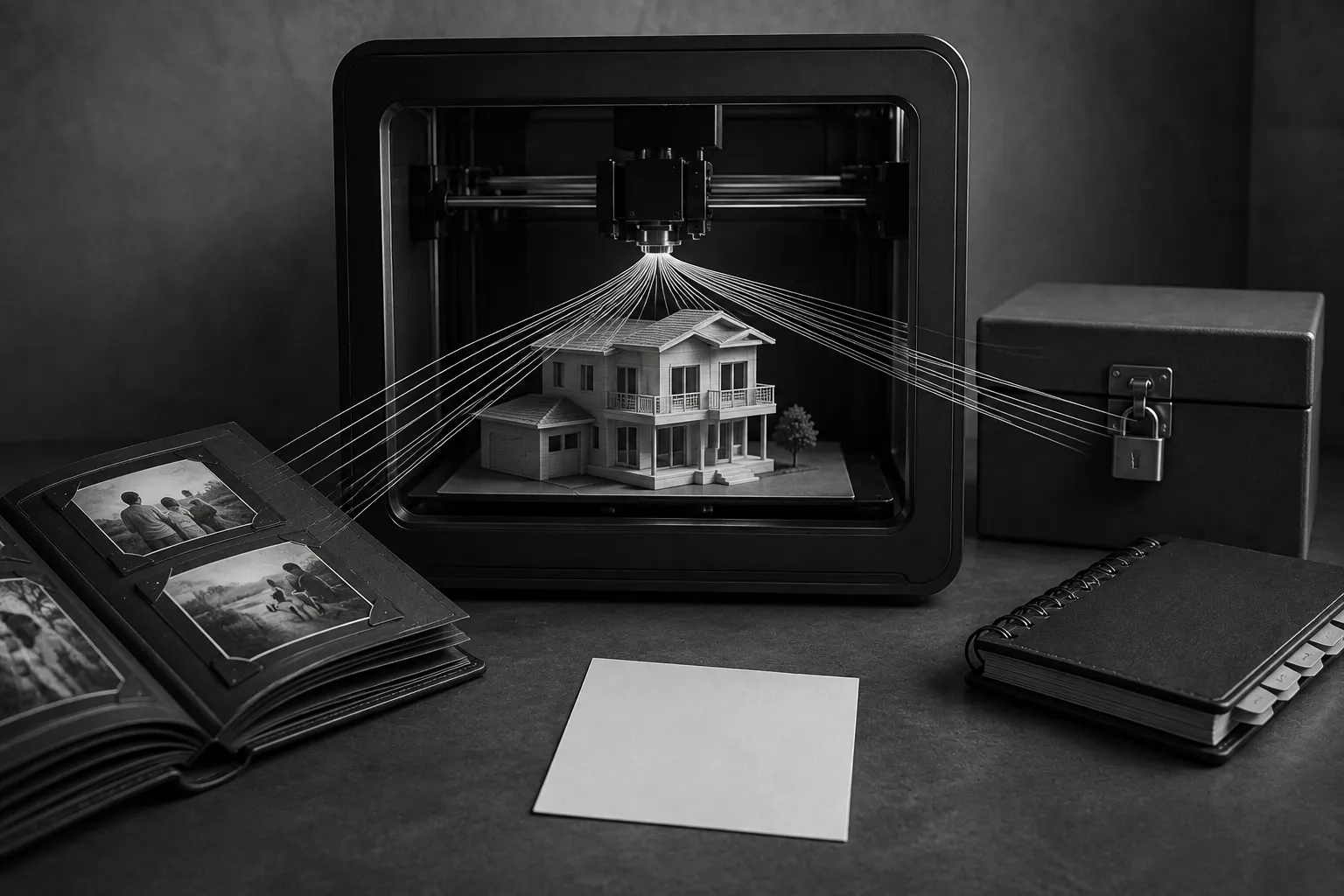
Google has added Nano Banana image generation to Gemini's Personal Intelligence, allowing the service to draw on connected Google account data when making a picture. A user can ask Gemini to "Design my dream home" while the system derives relevant interests from Gmail and Google Photos, with those details absent from the request. Photo labels can also supply names or group descriptions such as "Family." Google says a Sources button will indicate where the context came from, and users can correct mistaken inferences or add reference photos. The feature was announced for Plus, Pro, and Ultra subscribers in the United States, with rollout expected within days and expansion to Chrome desktop and other users planned later.
The written prompt now occupies only the visible edge of the instruction. Years of messages, photographs, labels, and account connections can shape an image before the user names a preference. Personalization therefore changes creative authorship at the level of selection. The system chooses which traces of a life count as relevant, then turns those traces into furniture, hobbies, faces, or scenery. A dream house generated this way may express yesterday's inbox and Google's classification of the family album as much as today's desire. The Sources button offers a partial audit trail, yet the burden remains with the subscriber to inspect the derivation, notice a false association, and correct it after the picture appears.
El prompt tácito
Google incorporó la generación de imágenes con Nano Banana a Personal Intelligence de Gemini. El servicio puede recurrir a datos conectados de la cuenta para producir una imagen. Al pedirle que "diseñe la casa de mis sueños", Gemini puede extraer intereses de Gmail y Google Fotos aunque esos detalles falten en la petición. Las etiquetas de Fotos también aportan nombres o descripciones de grupos como "Familia". Según Google, un botón de Fuentes mostrará de dónde salió el contexto. El usuario podrá corregir inferencias equivocadas o añadir fotos de referencia. La función se anunció para suscriptores Plus, Pro y Ultra en Estados Unidos, con un despliegue en los días siguientes y una ampliación posterior a Chrome de escritorio y otros usuarios.
El texto escrito pasa a ser apenas la parte visible de la instrucción. Años de correos, fotografías, etiquetas y conexiones pueden orientar una imagen antes de que alguien declare una preferencia. La personalización interviene en la autoría mediante una selección previa. El sistema escoge qué rastros de una vida considera pertinentes y los convierte en muebles, aficiones, caras o decorados. Una casa soñada así puede expresar el buzón de ayer y la clasificación que Google hizo del álbum familiar tanto como el deseo presente. El botón de Fuentes ofrece una vía parcial de revisión, pero corresponde al suscriptor abrirla, detectar una asociación falsa y corregirla después de ver la imagen.









