The Published Recipe
Abu Dhabi's Institute of Foundation Models has released K2 Horizon, a family of six artificial-intelligence models ranging from 0.9 billion to 375 billion parameters. The smallest is designed for constrained devices such as watches and phones, while larger versions target local servers and enterprise systems. IFM says it has published the models' weights, training code, data, methods, intermediate checkpoints, logs, and evaluations so researchers can inspect, reproduce, and adapt the work. Performance claims still come from the developer, yet the release exposes far more of the manufacturing process than the downloadable weights commonly marketed as openness.
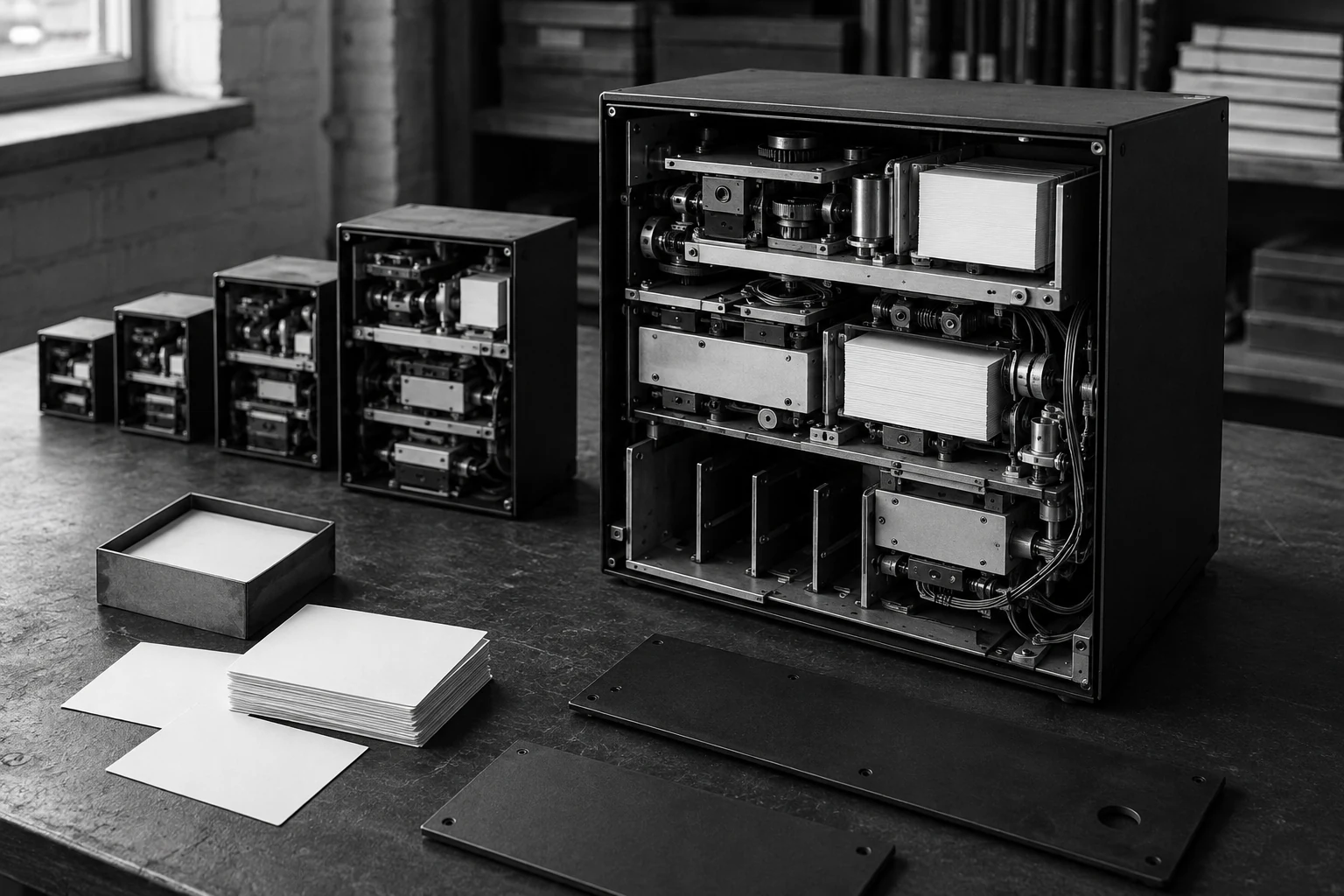
A researcher receiving only model weights gets the finished object without a useful record of how its behavior was formed. Access to data mixtures, filtering methods, code, and checkpoints makes different questions possible. Investigators can trace a bias toward a source category, examine whether an evaluation rewarded an unintended shortcut, or compare the point at which a capability appeared during training. Reproducing the largest model still demands money, hardware, and electricity beyond most universities or independent laboratories. Transparency therefore does not erase the inequality of scale. It gives outsiders evidence with which to challenge a laboratory's account of its own system. K2 Horizon places six machines on the table with their casings removed; the practical test begins when researchers inspect the files, rerun a checkpoint, and publish what the original announcement missed.
La receta publicada
El Institute of Foundation Models de Abu Dabi presentó K2 Horizon, una familia de seis modelos de inteligencia artificial que abarca desde 900 millones hasta 375 mil millones de parámetros. El menor está diseñado para dispositivos limitados como relojes y teléfonos, mientras las versiones mayores apuntan a servidores locales y sistemas empresariales. IFM afirma que publicó los pesos, el código de entrenamiento, los datos, los métodos, los puntos de control intermedios, los registros y las evaluaciones para que investigadores puedan examinar, reproducir y adaptar el trabajo. Las cifras de rendimiento aún provienen del desarrollador, aunque esta entrega muestra mucho más del proceso de fabricación que los pesos descargables vendidos habitualmente como apertura.
Quien recibe únicamente los pesos obtiene el objeto terminado sin un registro útil de cómo se formó su comportamiento. Acceder a las mezclas de datos, los filtros, el código y los puntos de control permite otras preguntas. Se puede rastrear un sesgo hacia cierto tipo de fuente, comprobar si una evaluación premió un atajo imprevisto o comparar cuándo apareció una capacidad durante el entrenamiento. Reproducir el modelo mayor todavía exige dinero, equipos y electricidad fuera del alcance de muchas universidades y laboratorios independientes. La transparencia no elimina esa desigualdad de escala. Entrega a terceros pruebas para discutir el relato del laboratorio sobre su propio sistema. K2 Horizon coloca seis máquinas abiertas sobre la mesa; la prueba práctica empezará cuando investigadores examinen los archivos, repitan un punto de control y publiquen lo que el anuncio original dejó fuera.









