The Patent Flood
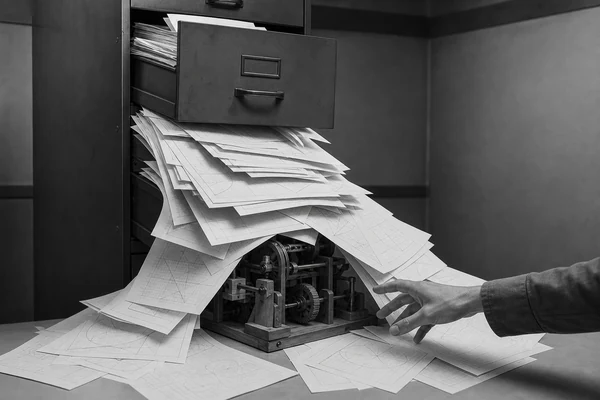
Singapore's Ministry of Law and Intellectual Property Office have opened a public consultation on how artificial intelligence should alter the country's copyright and patent rules. One patent question is unusually concrete. It asks how the law should respond when AI systems publish technical disclosures at large scale, changing the body of prior art used to judge whether an invention is new. The consultation also asks how inventorship should be assigned across different degrees of human and machine participation. Patent law has long assumed that new technical knowledge arrives through a limited chain of research, expense, experimentation and disclosure. Generative systems can produce plausible specifications far faster, including descriptions of devices that may never have been built or tested.
A flood of generated disclosures could turn the patent archive into a contest of volume. Examiners would have more documents to compare, applicants could face earlier machine-made descriptions of similar ideas, and companies might publish defensively to prevent competitors from securing rights. Defensive publication already exists, but generation reduces the cost of producing technical language at industrial scale. A document can enter the record without a workshop, prototype, failure or person able to explain why the object should exist. Singapore is considering legal refinements, guidance and non-binding technical measures rather than announcing a settled answer. Its consultation runs until October 22. The eventual rule will need to distinguish useful disclosure from automated abundance before the latter becomes searchable evidence against the next human applicant.
La inundación de patentes
El Ministerio de Justicia y la Oficina de Propiedad Intelectual de Singapur han abierto una consulta pública sobre cómo debería la inteligencia artificial modificar las normas de copyright y patentes del país. Una de las preguntas sobre patentes es especialmente concreta. Examina cómo debe responder la ley cuando sistemas de IA publican divulgaciones técnicas a gran escala y alteran el estado de la técnica utilizado para decidir si una invención es nueva. La consulta también pregunta cómo asignar la autoría inventiva ante distintos grados de participación humana y automatizada. El derecho de patentes ha supuesto durante mucho tiempo que el conocimiento técnico nuevo llega mediante una cadena limitada de investigación, gastos, experimentos y divulgación. Los sistemas generativos pueden producir especificaciones plausibles con mucha mayor rapidez, incluso para dispositivos que quizá nunca fueron construidos ni probados.
Una avalancha de divulgaciones generadas podría convertir el archivo de patentes en una competencia de volumen. Los examinadores tendrían más documentos que comparar, los solicitantes podrían encontrar descripciones automatizadas anteriores de ideas similares y las empresas podrían publicar de manera defensiva para impedir que sus competidores obtengan derechos. La publicación defensiva ya existe, pero la generación reduce el coste de producir lenguaje técnico a escala industrial. Un documento puede entrar en el registro sin taller, prototipo, fracaso ni una persona capaz de explicar por qué debería existir ese objeto. Singapur estudia ajustes legales, guías y medidas técnicas no vinculantes, sin anunciar todavía una respuesta definitiva. La consulta permanecerá abierta hasta el 22 de octubre. La futura norma deberá distinguir una divulgación útil de la abundancia automatizada antes de que esta se convierta en evidencia consultable contra la próxima solicitud humana.









