The Open Training Room
Xiaomi released MiMo-V2.6 on Tuesday as an open-source family of fully multimodal models, but the more revealing release is around the model. Alongside the Pro and Flash weights, Xiaomi published a technical report, over 7,000 reinforcement-learning task environments, an end-to-end training framework and small “harnesses” that separate prompts, tools and context. The company says the six-day run produced about 750,000 training trajectories and placed MiMo-V2.6-Pro near the top of open models, while still trailing the strongest closed systems.
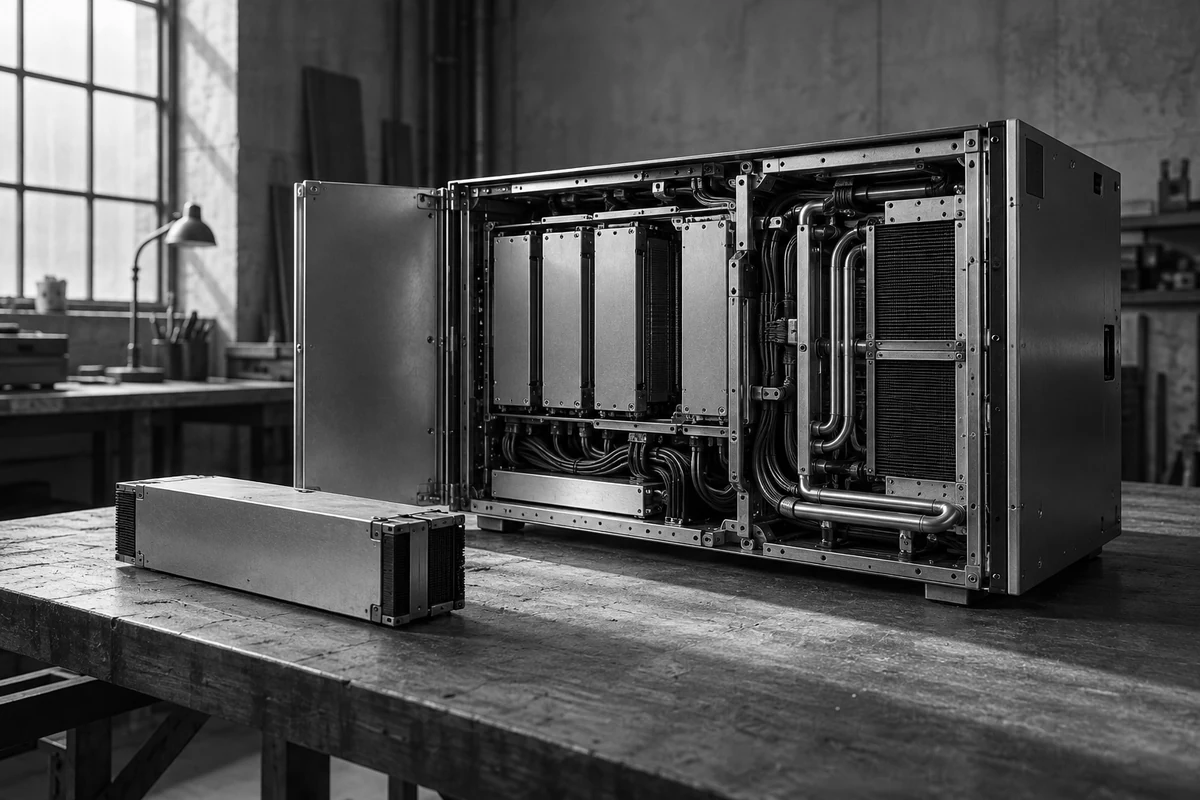
That package changes the meaning of open. A downloadable weight is a finished object; a public environment shows the tests, rewards and habits used to shape an agent before anyone meets it. Researchers can reproduce pieces, alter the grader or build a rival path, yet the original task library still decides which forms of competence deserve reinforcement. The release therefore opens a workshop while leaving its sense of value partly in Xiaomi’s hands. In art, a process becomes visible when the studio door opens; here the studio includes thousands of simulated assignments and the rules that mark a run successful. The useful audit will be less about whether a community can run the model than whether it can replace the tasks, inspect failures and publish a different account of what the system learned.
La sala de entrenamiento abierta
Xiaomi lanzó el martes MiMo-V2.6 como una familia de modelos multimodales de código abierto, pero la parte más reveladora del lanzamiento rodea al modelo. Junto con los pesos de Pro y Flash, la empresa publicó un informe técnico, más de 7.000 entornos de tareas para aprendizaje por refuerzo, un marco completo de entrenamiento y pequeños “arneses” que separan las instrucciones, las herramientas y el contexto. Xiaomi afirma que la sesión de seis días produjo unas 750.000 trayectorias de entrenamiento y situó a MiMo-V2.6-Pro entre los modelos abiertos más capaces, aunque todavía por detrás de los sistemas cerrados más fuertes.
Ese paquete cambia el significado de abierto. Un peso descargable es un objeto terminado; un entorno público deja a la vista las pruebas, las recompensas y los hábitos que forman a un agente antes de que alguien lo use. Los investigadores pueden reproducir partes, cambiar el evaluador o construir otra ruta, pero la biblioteca original de tareas sigue decidiendo qué formas de competencia merecen refuerzo. El lanzamiento abre un taller y conserva en manos de Xiaomi una parte de la escala de valores. En el arte, el proceso se vuelve visible cuando se abre la puerta del estudio; aquí el estudio incluye miles de ejercicios simulados y las reglas que declaran exitoso un recorrido. La auditoría útil tendrá que comprobar si la comunidad puede sustituir las tareas, examinar los fallos y publicar otra versión de lo que el sistema aprendió.









