The Office Body
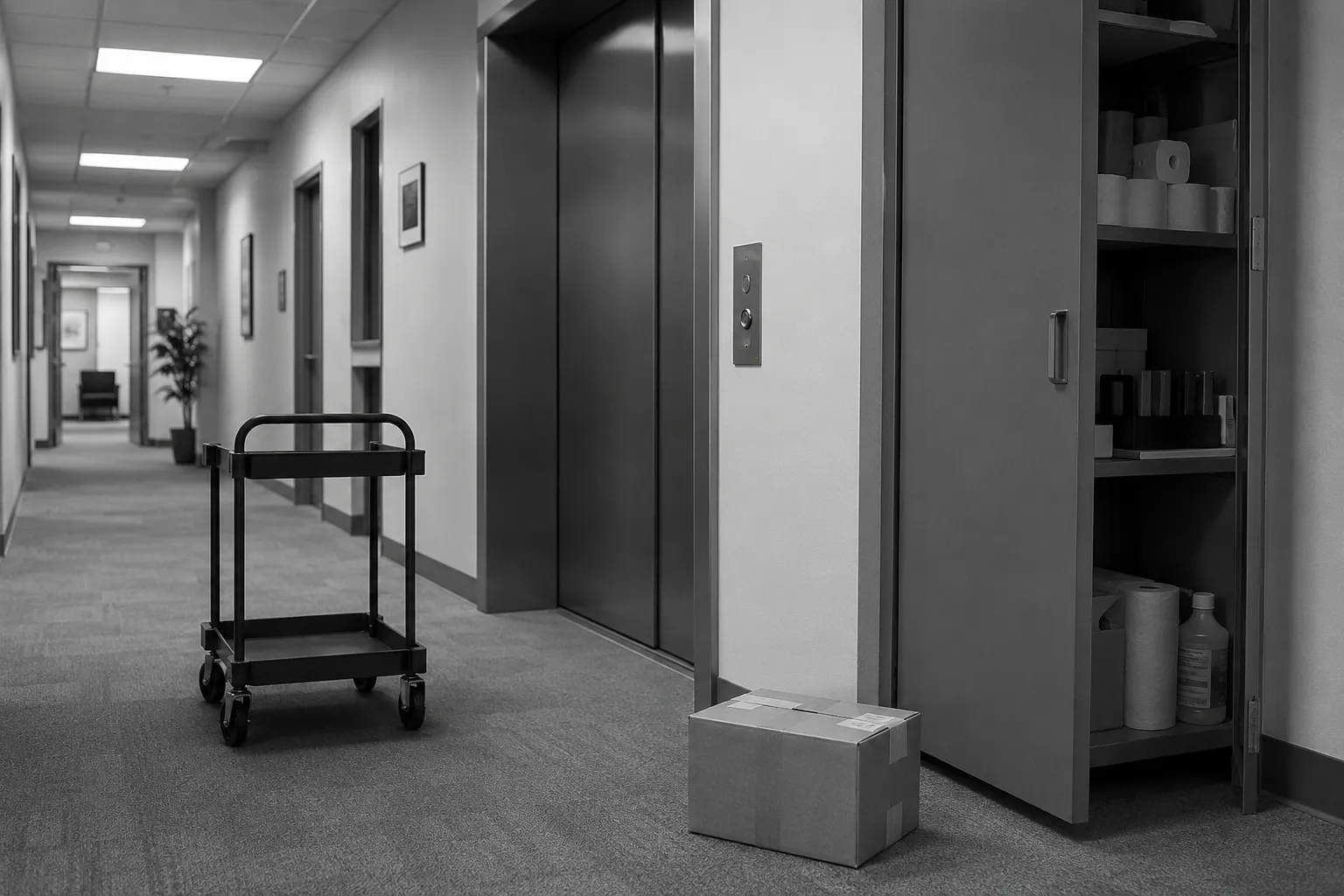
Flexion Robotics showed WIRED a humanoid robot carrying out an office errand usually hidden at the bottom of a job description. A modified Unitree machine receives a simple instruction, picks up a delivered parcel, takes stairs and an elevator, opens the box, and puts snacks in a drawer. The Swiss startup, founded by former Nvidia robotics researchers, says it trains individual skills in simulation and lets a higher-level model decide how to combine them. There is no operator steering the limbs from behind a console. The robot reads a goal, selects learned actions, and carries the task through an ordinary building.
The scene works because office labor is full of small physical negotiations that people stop noticing after a week in the building. A door resists, an elevator arrives late, a drawer jams, a package slides, a shelf sits too high, and a hallway demands the etiquette of waiting, holding, yielding, carrying. Flexion is training the robot for this minor grammar of work, where automation has less to do with heroic intelligence than with keeping the workplace moving through its errands. Companies prefer to describe such systems as productivity. The office runs on setup, fetching, sorting, opening, correcting, and waiting for someone else to finish. The intern enters a meeting room to learn strategy, then becomes the body sent to find the box, press the button, keep the door from closing, and make the place continue without naming the labor that holds it together.
El cuerpo de oficina
Flexion Robotics mostró a WIRED un robot humanoide ejecutando un encargo de oficina de esos que suelen quedar escondidos al final de una descripción de puesto. Una máquina Unitree modificada recibe una instrucción simple, recoge un paquete entregado, toma escaleras y ascensor, abre la caja y coloca snacks en un cajón. La startup suiza, fundada por antiguos investigadores de robótica de Nvidia, dice que entrena habilidades individuales en simulación y deja que un modelo superior decida cómo combinarlas. No hay un operador dirigiendo las extremidades desde una consola. El robot lee una meta, selecciona acciones aprendidas y completa la tarea dentro de un edificio común.
La escena funciona porque el trabajo de oficina está lleno de pequeñas negociaciones físicas que la gente deja de notar después de una semana en el edificio. Una puerta resiste, un ascensor tarda, un cajón se traba, un paquete resbala, un estante queda demasiado alto y un pasillo exige la etiqueta de esperar, sostener, ceder, cargar. Flexion entrena al robot para esa gramática menor del trabajo, donde la automatización tiene menos relación con la inteligencia heroica que con mantener la oficina en movimiento a través de sus recados. Las compañías prefieren describir estos sistemas como productividad. La oficina funciona con preparación, búsqueda, clasificación, apertura, corrección y espera de que alguien más termine. El becario entra a una sala de reuniones para aprender estrategia y luego se convierte en el cuerpo enviado a buscar la caja, apretar el botón, impedir que se cierre la puerta y hacer que el lugar siga funcionando sin nombrar el trabajo que lo sostiene.









