The Human Label
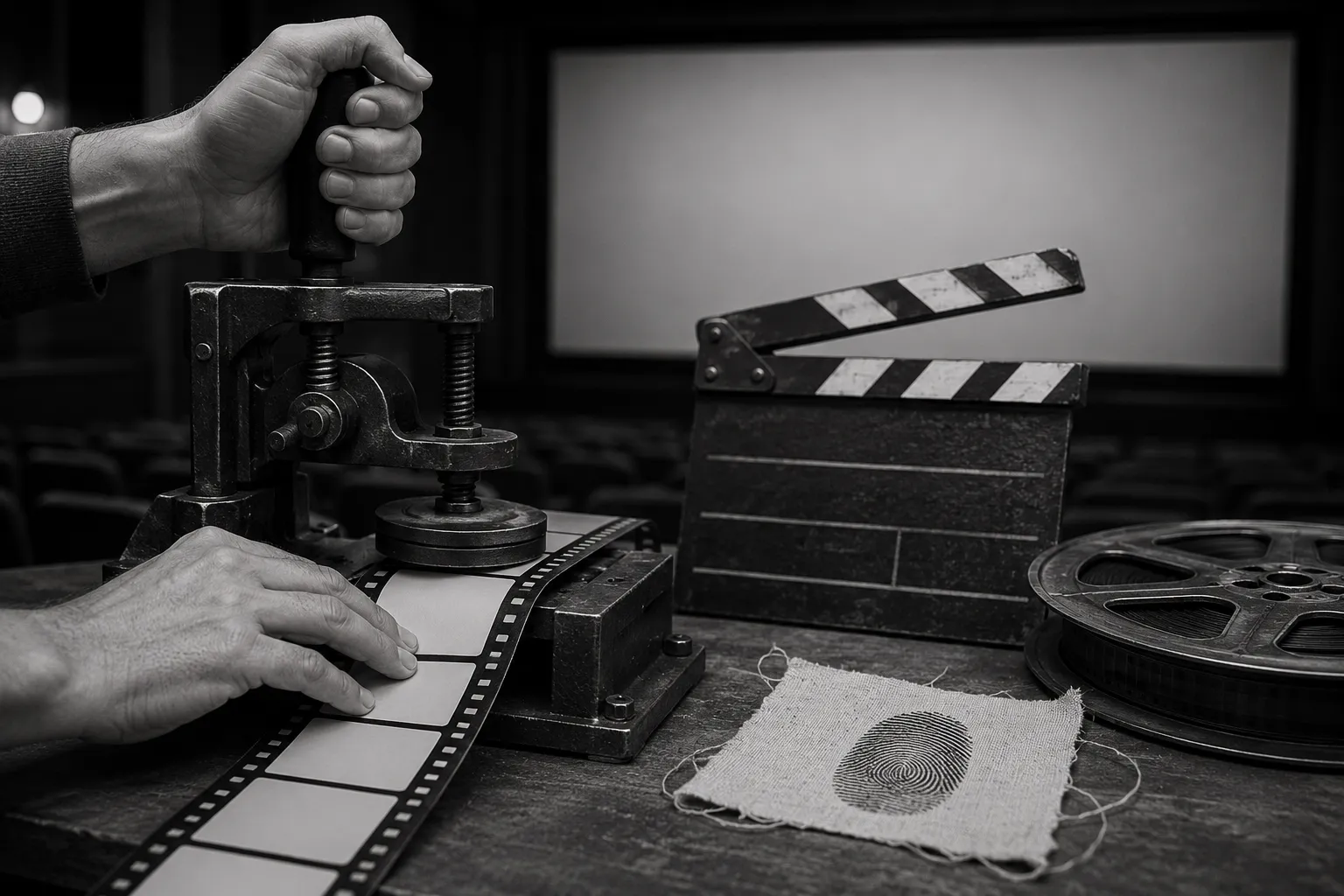
The end credits of Apple TV's Pluribus declare that the show was made by humans. Creator Vince Gilligan reinforced the line in Variety, calling generative AI an expensive, energy-intensive plagiarism machine and expressing his opposition in harsher terms. The series, led by Rhea Seehorn and set in Albuquerque, arrived with two episodes on November 7 after receiving a two-season order. Its statement sits beneath an animal-safety notice, where screen productions already place acknowledgments about working conditions. TechCrunch presented the wording as a possible model for filmmakers wishing to state that generative systems were absent from production. The credit is a claim by the producers and provides no independent proof of that history.
The placement turns human authorship into a provenance label attached after the episode. A viewer can read it, yet the screen supplies no standard for which tools count or who inspected the workflow. Such details become practical when studios market human production as a distinction. Guilds and distributors could demand records from scripts, editing systems, effects vendors, and contracts, with different thresholds for acceptable assistance. Without a shared definition, two productions could display the same sentence after markedly different processes. Gilligan's line still makes production method visible and offers the audience a promise that could be audited. Its credibility will depend on who can inspect the contracts and authorize the end-credit card.
La etiqueta humana
Los créditos finales de Pluribus declaran que la serie fue hecha por humanos. Su creador, Vince Gilligan, reforzó la frase en Variety al llamar a la IA generativa una máquina de plagio cara y voraz en energía y expresar su rechazo con términos duros. La serie, protagonizada por Rhea Seehorn, estrenó dos episodios el 7 de noviembre tras recibir un encargo de dos temporadas. La declaración aparece debajo de un aviso sobre seguridad animal, donde las producciones ya consignan reconocimientos laborales. TechCrunch presentó la fórmula como modelo para cineastas que quieran declarar la ausencia de sistemas generativos. El crédito afirma la posición de los productores y carece de verificación independiente de ese historial.
La ubicación convierte la autoría humana en una etiqueta de procedencia. El público puede leerla, pero la pantalla no define qué herramientas cuentan ni quién revisó el trabajo. Esos detalles se vuelven operativos cuando los estudios venden la producción humana como rasgo distintivo. Sindicatos y distribuidores podrían exigir registros de guiones, sistemas de edición, proveedores de efectos y contratos, cada uno con límites distintos para la asistencia permitida. Sin una definición compartida, dos producciones podrían mostrar la misma frase después de procesos diferentes. La línea de Gilligan hace visible el método y ofrece al público una promesa susceptible de auditoría. Su credibilidad dependerá de quién pueda inspeccionar los contratos y autorizar la tarjeta final de créditos.









