The Hand Behind the Cloud
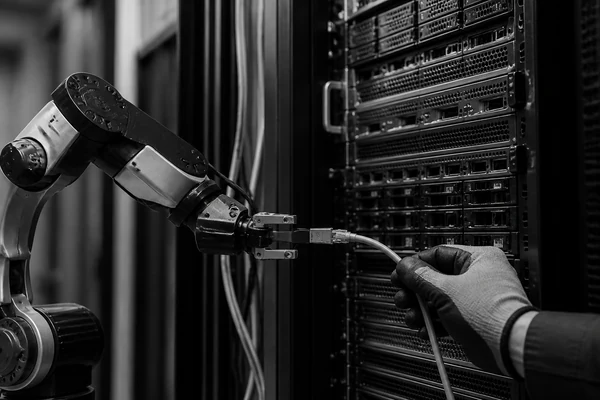
Meta is testing robots that can swap network cables, power-cycle servers, reseat components and inspect equipment inside data centers in Iowa and Ohio, WIRED reported. The trials include supervised dual-armed machines and wheeled platforms at the Prometheus campus. One worker estimated that a successful cable robot could absorb up to 80 percent of some technicians' workloads. Current machines remain slower than people, need frequent charging, struggle with loose cables and sometimes require a person to open doors or move them between buildings. One inspection robot cannot distinguish red from green indicator lights. Meta declined to discuss the tests; a spokesperson said the company is investing in training and hiring because skilled workers remain scarce.
Every chatbot request depends on racks that must be connected, inspected and restarted when software cannot recover them remotely. A technician recognizes a damaged connector, incorrect cable tension and the irregularities that turn a routine reset into a longer repair. Automating those gestures may reduce heavy lifting and repetitive rounds while shrinking the entry-level work through which technicians learn the building. If Meta redesigns racks, doors and cabling around robotic access, the data center becomes legible first to its machines and afterward to the people supervising them. For now, the robot that restarts a server may still need a worker to untangle its cable, interpret the warning light and let it through the next door.
La mano detrás de la nube
Meta está probando robots capaces de cambiar cables de red, cortar y restaurar la energía de servidores, recolocar componentes e inspeccionar equipos en centros de datos de Iowa y Ohio, según WIRED. Las pruebas incluyen máquinas de dos brazos supervisadas por personas y plataformas móviles en el campus Prometheus. Un trabajador calculó que un robot capaz de cambiar cables podría absorber hasta el 80 por ciento de algunas cargas de trabajo. Las máquinas actuales siguen siendo más lentas que las personas, necesitan recargas frecuentes, tropiezan con cables sueltos y a veces requieren que alguien abra puertas o las traslade entre edificios. Un robot de inspección tampoco distingue las luces rojas de las verdes. Meta no habló sobre las pruebas; un portavoz dijo que la empresa invierte en capacitación y contratación porque faltan trabajadores especializados.
Cada consulta a un chatbot depende de estantes que deben conectarse, inspeccionarse y reiniciarse cuando el software no logra recuperarlos a distancia. Un técnico reconoce un conector dañado, la tensión incorrecta de un cable y las irregularidades que convierten un reinicio rutinario en una reparación más larga. Automatizar esos gestos puede reducir el levantamiento de equipos y las rondas repetitivas mientras elimina puestos iniciales donde los técnicos aprenden el edificio. Si Meta rediseña estantes, puertas y cableado para el acceso robótico, el centro de datos será legible primero para sus máquinas y después para quienes las supervisan. Por ahora, el robot que reinicia un servidor todavía puede necesitar que un trabajador desenrede su cable, interprete la luz de advertencia y le abra la siguiente puerta.









