The Expert Shortcut
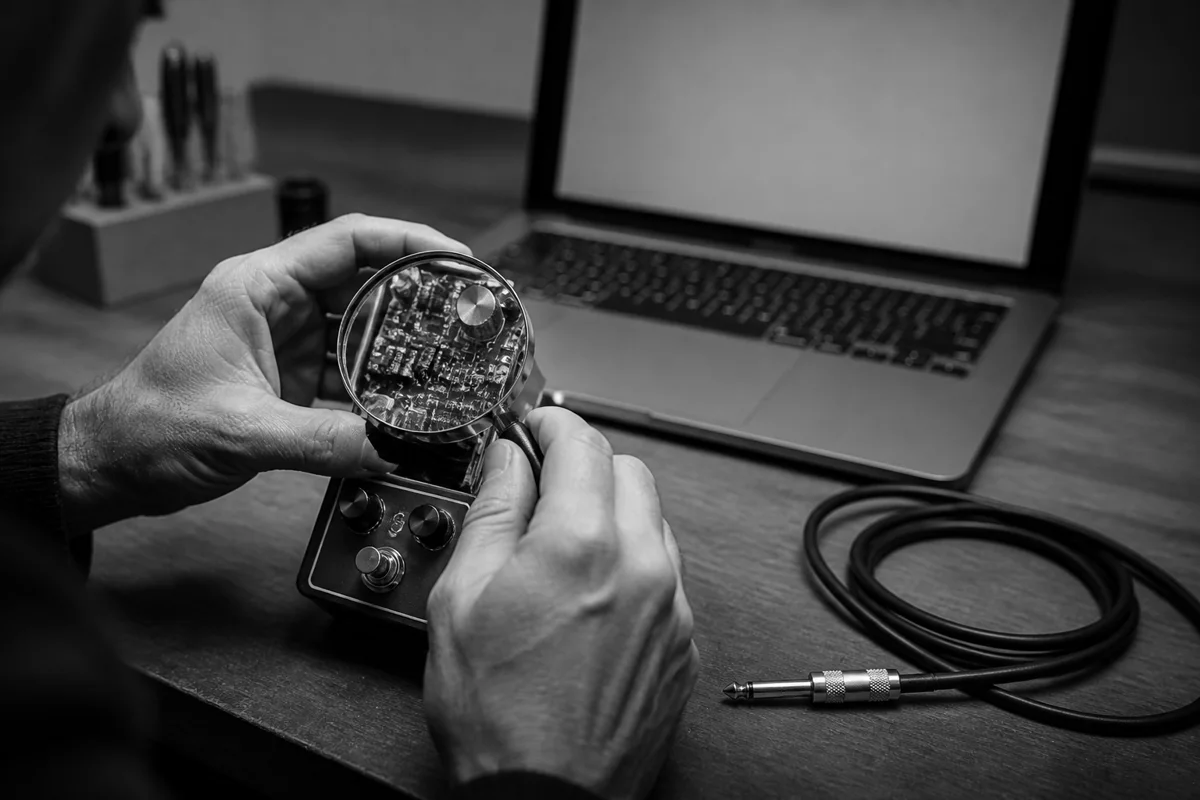
Linus Torvalds used Google's Antigravity coding assistant to build a Python audio visualizer for AudioNoise, his hobby project involving guitar pedals and random digital effects. The creator of Linux admitted that he knew little Python and let the model produce the tool after abandoning his usual search-and-copy routine. His experiment followed an earlier qualification. He was comfortable with so-called vibe coding when the result was kept away from work that carries serious consequences. A small visualizer for a personal electronics project met that boundary.
The episode has been celebrated as permission from one of programming's highest authorities. His authority, however, comes from knowing where the shortcut ends. Torvalds can inspect behavior, recognize a limited task, discard a bad result, and keep generated Python far from the kernel that runs servers and machines around the world. A beginner using the same assistant sees fluent code without the decades of judgment that make the experiment modest. Vibe coding sells the pleasure of obtaining software before acquiring the knowledge needed to evaluate it. In Torvalds's hands, the model fills a gap inside an already disciplined practice. The public lesson will be less careful if his name becomes an endorsement detached from the workbench, the guitar pedal, and the decision that this particular program was allowed to fail.
El atajo del experto
Linus Torvalds usó el asistente de programación Antigravity de Google para crear un visualizador de audio en Python para AudioNoise, su proyecto personal de pedales de guitarra y efectos digitales aleatorios. El creador de Linux admitió que sabía poco de Python y dejó que el modelo produjera la herramienta después de abandonar su rutina de buscar y copiar ejemplos. El experimento respetaba una condición que había formulado antes. Aceptaba el llamado vibe coding siempre que el resultado quedara lejos de cualquier trabajo con consecuencias serias. Un pequeño visualizador para un proyecto casero cumplía ese límite.
El episodio ha circulado como permiso concedido por una de las mayores autoridades de la programación. Su autoridad proviene precisamente de saber dónde termina el atajo. Torvalds puede revisar el comportamiento, reconocer una tarea limitada, desechar un mal resultado y mantener el Python generado lejos del núcleo que ejecuta servidores y máquinas en todo el mundo. Un principiante ve código fluido sin las décadas de criterio que vuelven modesto el experimento. El vibe coding vende el placer de obtener software antes de adquirir el conocimiento para evaluarlo. En manos de Torvalds, el modelo llena un vacío dentro de una práctica disciplinada. La enseñanza pública será menos cuidadosa si su nombre queda separado del banco de trabajo, el pedal de guitarra y la decisión de permitir que este programa pudiera fallar.









