The Expert Divide
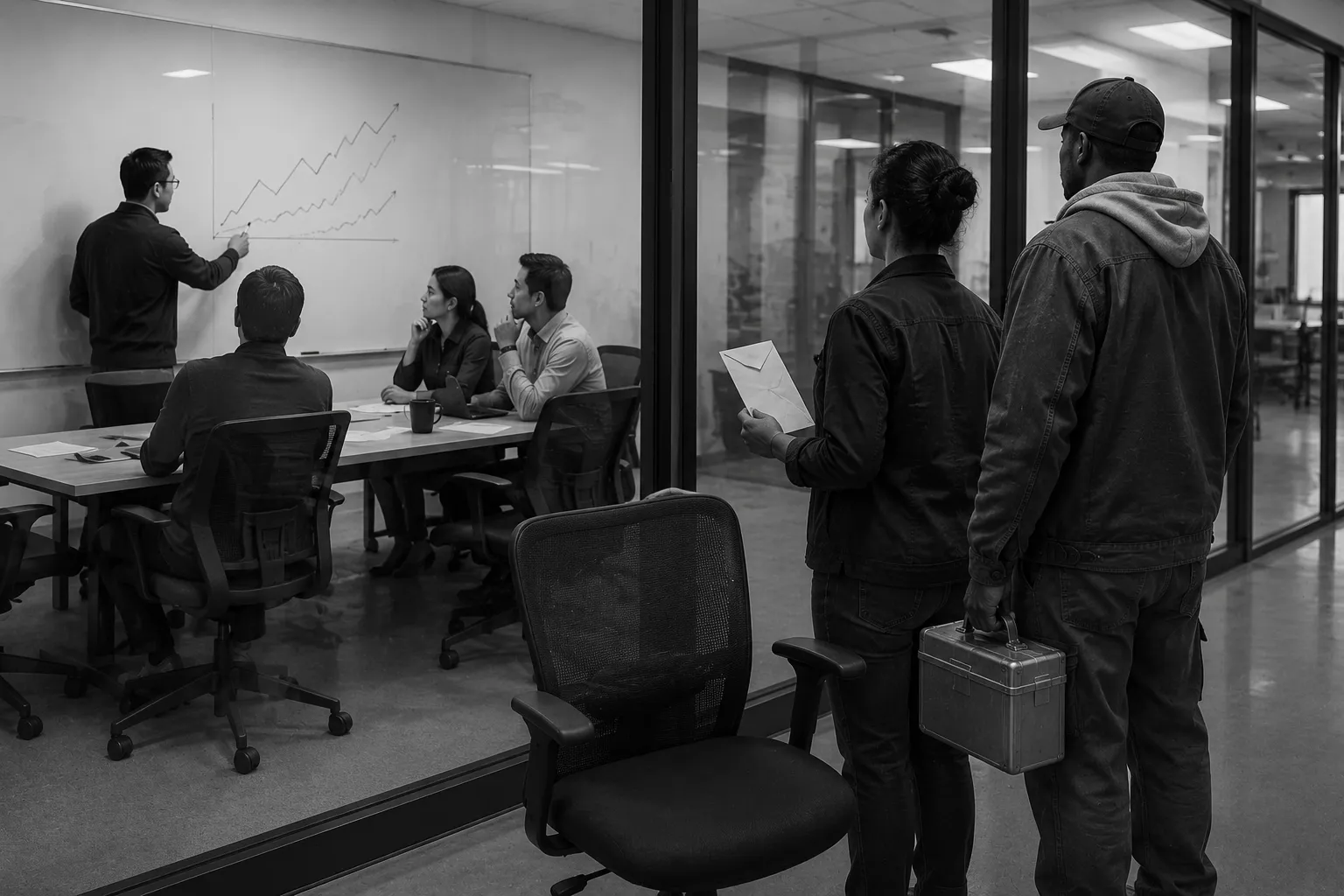
Stanford's 2026 AI Index assembled surveys showing a wide gap between AI experts and the American public. Pew data cited in the report found that 56 percent of experts expected AI to have a positive effect on the United States over twenty years. Eighty-four percent foresaw a largely positive effect on medical care, compared with 44 percent of the public. For work, the split was 73 percent against 23 percent. For the economy, 69 percent of experts were positive while 21 percent of the public agreed. Nearly two-thirds of Americans expected fewer jobs, and only 31 percent trusted the US government to regulate AI responsibly.
These figures describe people answering from different positions in the same economy. Researchers and industry specialists encounter models through laboratories, products and investment plans. Households encounter them through hiring decisions, medical institutions, electricity bills and public agencies. Expertise can estimate technical capability while leaving the distribution of costs outside its frame. Public anxiety becomes rational when promised gains arrive as forecasts and immediate exposure arrives through a workplace or monthly bill. The 50-point gap over jobs also creates a democratic problem for policy. A government that commands little trust cannot settle the dispute by repeating expert confidence. It has to specify who receives protection, who pays for infrastructure and how workers contest an automated decision. Until then, optimism will remain a professional survey response beside a household calculating its next utility payment.
La brecha experta
El Índice de IA 2026 de Stanford reunió encuestas que muestran una amplia distancia entre los expertos en IA y el público estadounidense. Los datos de Pew citados en el informe indican que el 56 por ciento de los expertos esperaba un efecto positivo de la IA en Estados Unidos durante los próximos veinte años. El 84 por ciento preveía un efecto mayormente positivo en la atención médica, frente al 44 por ciento del público. En el trabajo, la diferencia fue de 73 frente a 23 por ciento. Para la economía, el 69 por ciento de los expertos era optimista y el 21 por ciento del público coincidía. Casi dos tercios de los estadounidenses esperaban menos empleos, y apenas el 31 por ciento confiaba en que el gobierno regulara la IA responsablemente.
Las cifras describen a personas que responden desde posiciones distintas dentro de una misma economía. Investigadores y especialistas del sector encuentran modelos en laboratorios, productos y planes de inversión. Los hogares los encuentran en decisiones de contratación, instituciones médicas, facturas eléctricas y organismos públicos. El conocimiento experto puede estimar capacidad técnica y dejar fuera del encuadre la distribución de los costes. La ansiedad pública resulta razonable cuando las ventajas prometidas llegan como pronósticos y la exposición inmediata aparece en el trabajo o en una factura mensual. La diferencia de cincuenta puntos sobre el empleo también crea un problema democrático. Un gobierno que inspira poca confianza difícilmente resolverá la disputa repitiendo el optimismo experto. Tendrá que precisar quién recibe protección, quién paga la infraestructura y cómo puede un trabajador impugnar una decisión automatizada. Mientras eso falta, una familia sigue calculando el próximo recibo de electricidad.









