The Edited Memory
Google expanded prompt-based editing in Google Photos to India, Australia, and Japan, TechCrunch reported on January 27th. The feature lets Android users ask for changes in plain language, from removing objects and reducing blur to restoring an old photo, changing a friend's pose, removing glasses, or opening a subject's eyes after a blink. Google says the edits run inside the app and that C2PA Content Credentials will indicate when an image was created or altered with AI.
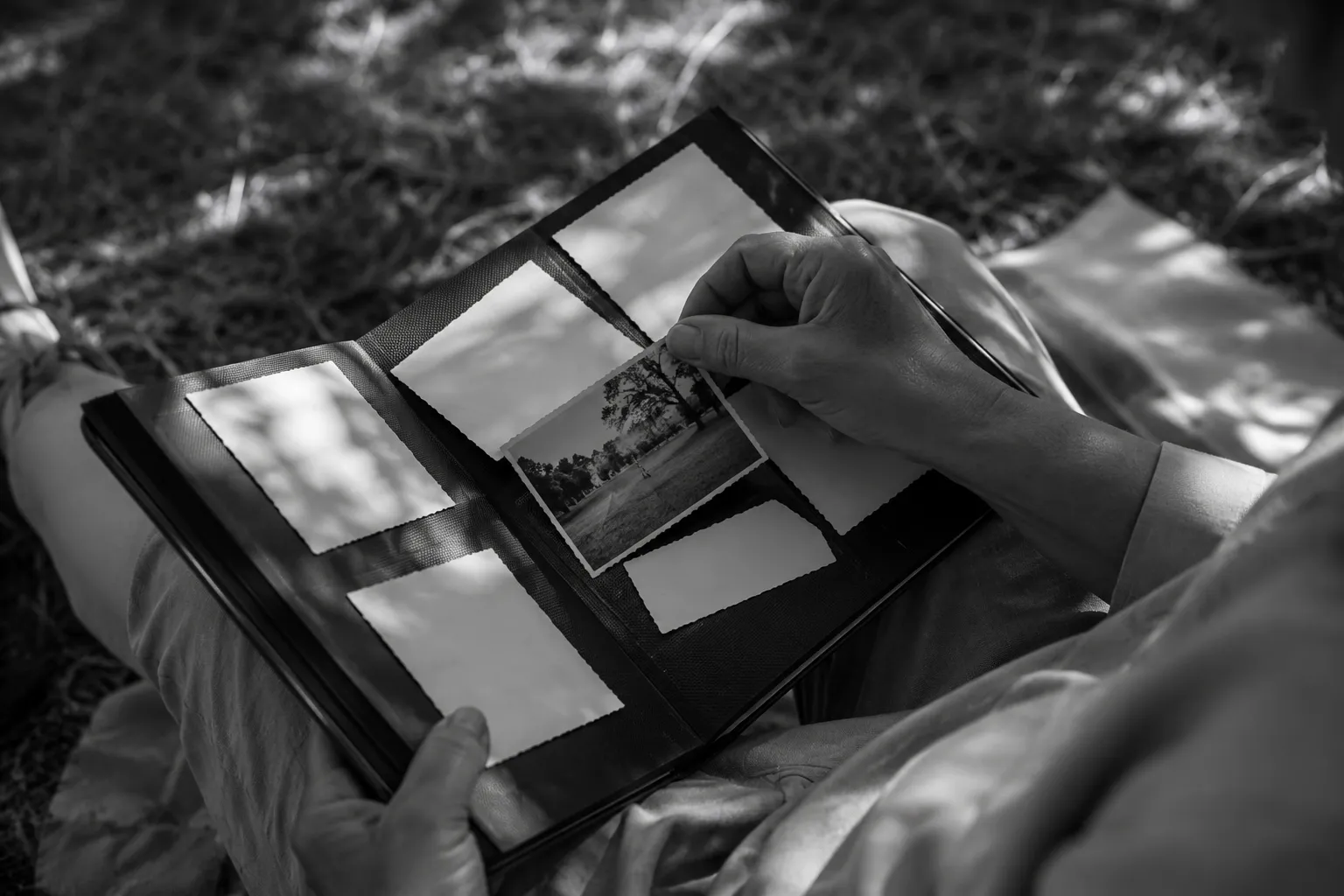
The edited memory moves image manipulation from specialist software into ordinary speech. A family picture no longer needs a trained editor, a menu of tools, or visible labor. It needs a sentence. That makes repair easier, especially for damaged archives and bad snapshots that people still want to keep. It also changes the moral temperature of the album. The unwanted motorcycle, closed eyes, bad background, awkward pose, and inconvenient object become defects waiting for instruction. Metadata may record the intervention, but the eye meets the improved scene first. Memory has always been selective. Google Photos gives that selectivity a command box and makes correction feel as natural as asking.
La memoria editada
Google expandió la edición por prompts en Google Photos a India, Australia y Japón, informó TechCrunch el 27 de enero. La función permite a usuarios de Android pedir cambios en lenguaje común, desde eliminar objetos y reducir desenfoque hasta restaurar una foto antigua, cambiar la pose de un amigo, quitar gafas o abrir los ojos de una persona que parpadeó. Google dice que las ediciones se ejecutan dentro de la app y que las credenciales C2PA indicarán cuándo una imagen fue creada o alterada con IA.
La memoria editada mueve la manipulación de imágenes desde el software especializado hacia el habla ordinaria. Una foto familiar ya no necesita un editor entrenado, un menú de herramientas ni trabajo visible. Necesita una frase. Eso facilita la reparación, sobre todo en archivos dañados y malas instantáneas que la gente aún quiere conservar. También cambia la temperatura moral del álbum. La motocicleta indeseada, los ojos cerrados, el fondo malo, la pose incómoda y el objeto inconveniente se vuelven defectos a la espera de una instrucción. Los metadatos pueden registrar la intervención, pero el ojo encuentra primero la escena mejorada. La memoria siempre fue selectiva. Google Photos le da a esa selectividad una caja de comandos y hace que corregir parezca tan natural como pedir.









