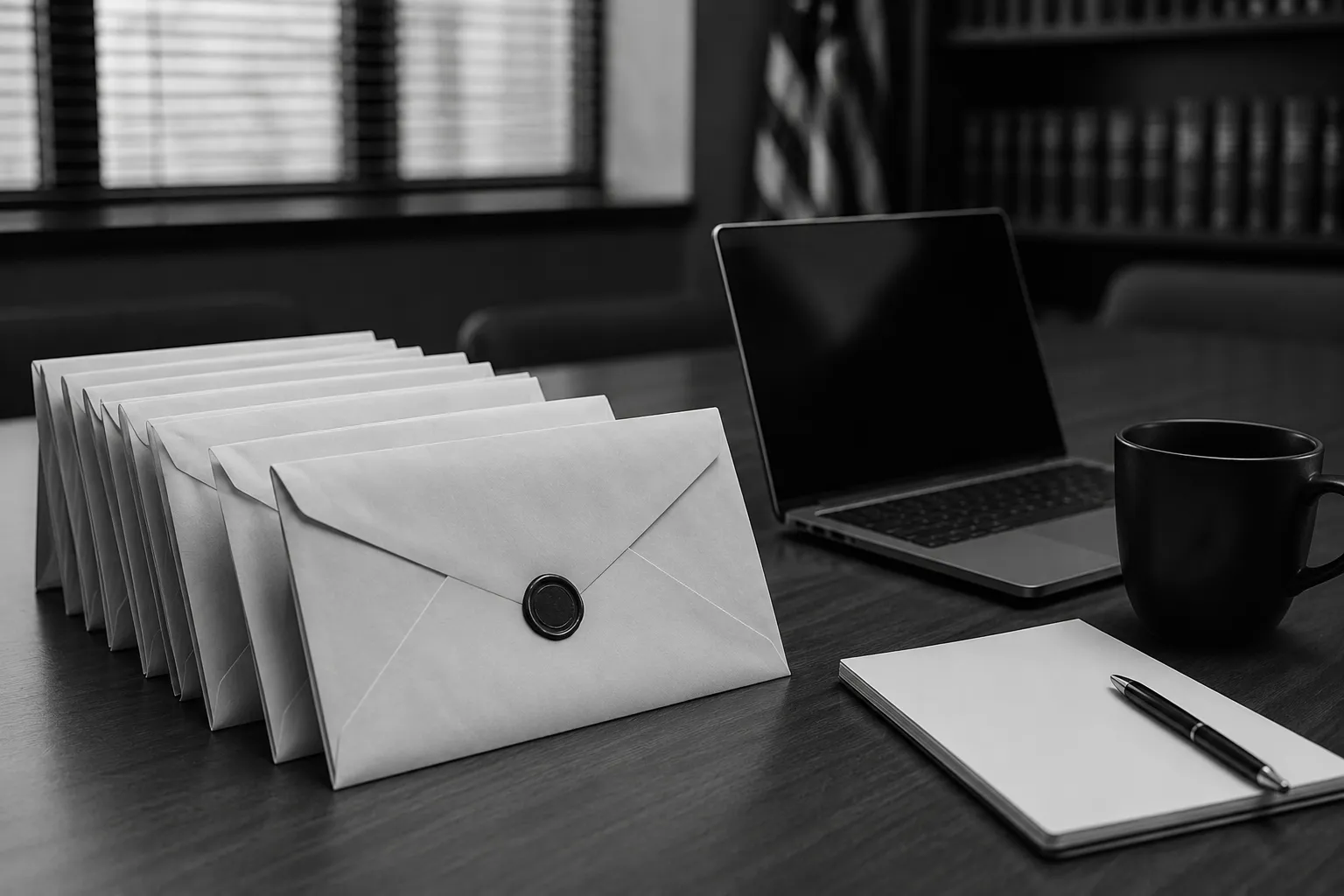
The Delusional Letter
U.S. attorneys general warned major technology companies about AI systems that produce delusional or dangerously persuasive outputs, Reuters reported on December 10th. The warning followed growing concern that chatbots can reinforce false beliefs, encourage risky behavior, or respond with confident language in moments of psychological fragility. A state legal officer does not need to prove that a model has intention. The letter asks companies to answer for design, marketing, safety testing, escalation rules, and the commercial decision to place conversational systems in front of ordinary users.
The word delusional is doing awkward work here. It belongs first to human suffering, then gets borrowed to describe software that has no belief, no fear, no private conviction. Yet the borrowing is useful because the harm happens through language that sounds settled. A user receives an answer with the cadence of certainty, often inside a private interface that invites continuation. The legal system is trying to catch up to a product whose danger may appear as a sentence, a refusal that arrives too late, or a recommendation phrased with calm. The companies can adjust filters and warning labels. The state letter turns those adjustments into possible evidence.
La carta delirante
Fiscales generales de Estados Unidos advirtieron a grandes compañías tecnológicas sobre sistemas de IA que producen respuestas delirantes o peligrosamente persuasivas, informó Reuters el 10 de diciembre. La advertencia siguió a una preocupación creciente por chatbots capaces de reforzar creencias falsas, alentar conductas riesgosas o responder con lenguaje seguro en momentos de fragilidad psicológica. Un funcionario legal estatal no necesita probar que un modelo tenga intención. La carta pide a las empresas responder por diseño, marketing, pruebas de seguridad, reglas de escalamiento y por la decisión comercial de poner sistemas conversacionales frente a usuarios comunes.
La palabra delirante hace aquí un trabajo incómodo. Pertenece primero al sufrimiento humano y luego se presta para describir software sin creencias, miedo ni convicción privada. Aun así, el préstamo sirve porque el daño ocurre a través de un lenguaje que suena asentado. Un usuario recibe una respuesta con cadencia de certeza, a menudo dentro de una interfaz privada que invita a continuar. El sistema legal intenta alcanzar un producto cuyo peligro puede aparecer como una frase, una negativa que llega tarde o una recomendación redactada con calma. Las compañías pueden ajustar filtros y etiquetas de advertencia. La carta estatal convierte esos ajustes en posible evidencia.









