The Cost of Free
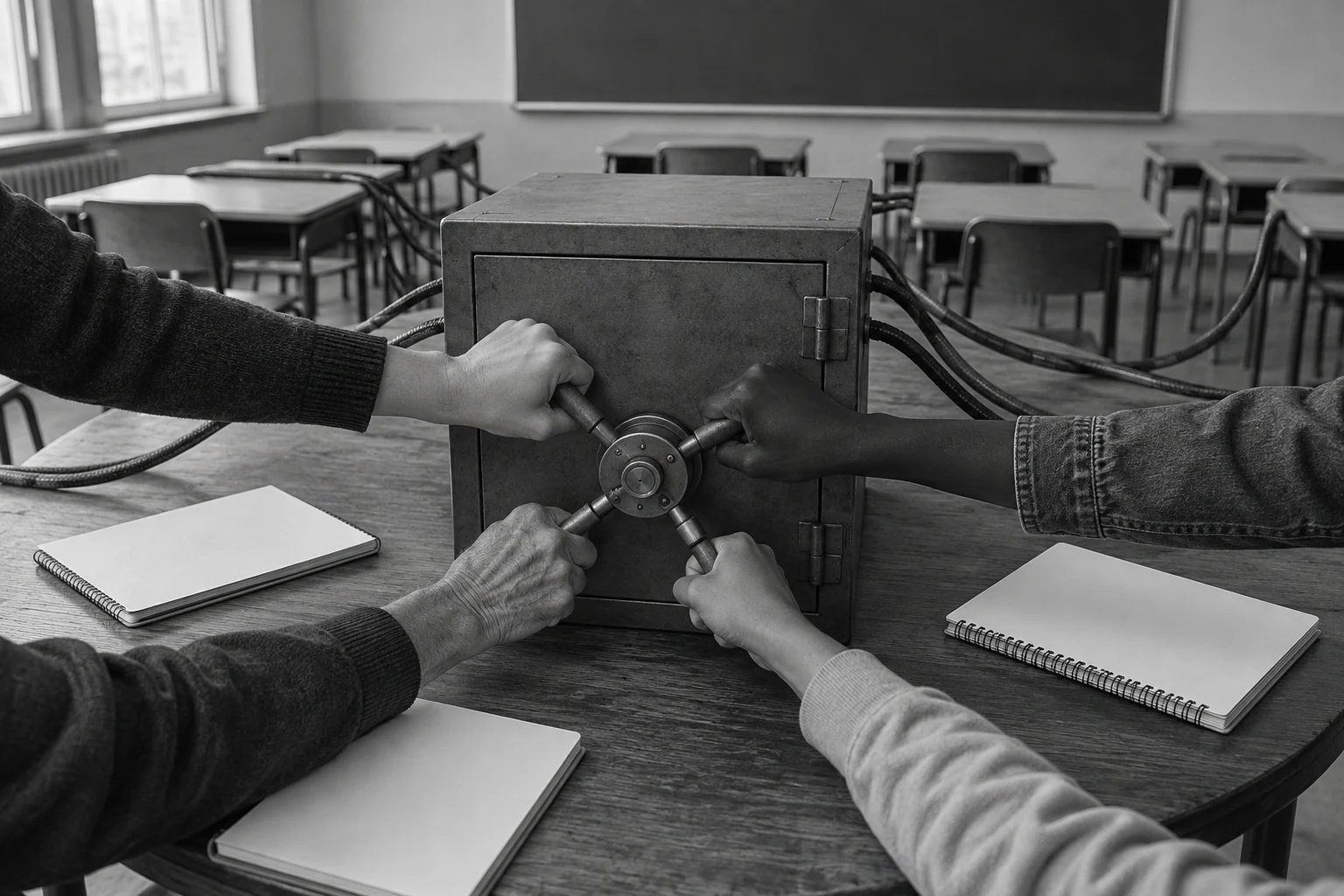
A group of over twenty-five education ministers and national representatives has adopted a UNESCO statement defining education as a human right and a common good in the age of artificial intelligence. Its eight priorities ask schools to use systems that can be audited, permit data to be moved elsewhere, involve teachers in purchasing decisions, protect children according to age, and allow institutions to stop using a tool when necessary. Providers should present evidence of educational benefit before deployment and accept responsibility for harm. Governments should also calculate the full cost of ownership, including systems that first enter classrooms through free accounts, donations, or vendor agreements.
Calling education a common good shifts the argument away from policing student assignments and toward who designs the conditions of learning. A free tool can establish habits, collect material, shape assessment, and make its eventual price difficult to refuse. Portability and an exit plan belong beside lesson plans; they keep access from hardening into dependence. UNESCO's accompanying survey found that ninety-three percent of participating academics believe students use generative AI for assignments, while sixty-three percent perceive declining cognitive capacities. Fewer than one percent favor a complete ban. Governed use is the practical alternative. Before a teacher opens an AI service for a class, the institution should know who can inspect the system, export its records, challenge a decision, disconnect it, and pay the bill after the free offer ends.
El costo de lo gratuito
Un grupo de más de veinticinco ministros de Educación y representantes nacionales adoptó una declaración de la UNESCO que define la educación como un derecho humano y un bien común en la era de la inteligencia artificial. Sus ocho prioridades piden sistemas auditables, datos portátiles, participación docente en las compras, protección adecuada para cada edad y la posibilidad de abandonar una herramienta. Los proveedores deberían demostrar el beneficio educativo antes de instalarla y responder por los daños. Los gobiernos también deberían calcular el costo total, incluso cuando el sistema entra al aula mediante cuentas gratuitas, donaciones o acuerdos comerciales.
Definir la educación como bien común desplaza la discusión desde la vigilancia de las tareas hacia quién diseña las condiciones del aprendizaje. Una herramienta gratuita puede crear hábitos, recoger material, moldear la evaluación y hacer difícil rechazar su precio futuro. La portabilidad y un plan de salida deben acompañar las lecciones para impedir que el acceso se convierta en dependencia. Una encuesta de la UNESCO halló que el noventa y tres por ciento de los académicos participantes cree que los estudiantes usan IA generativa en sus tareas, mientras el sesenta y tres por ciento percibe una caída de capacidades cognitivas. Menos del uno por ciento favorece una prohibición completa. Antes de abrir un servicio de IA para una clase, la institución debe saber quién puede inspeccionarlo, exportar sus registros, impugnar una decisión, desconectarlo y pagar la factura cuando termine la oferta gratuita.









