The Classroom Moratorium
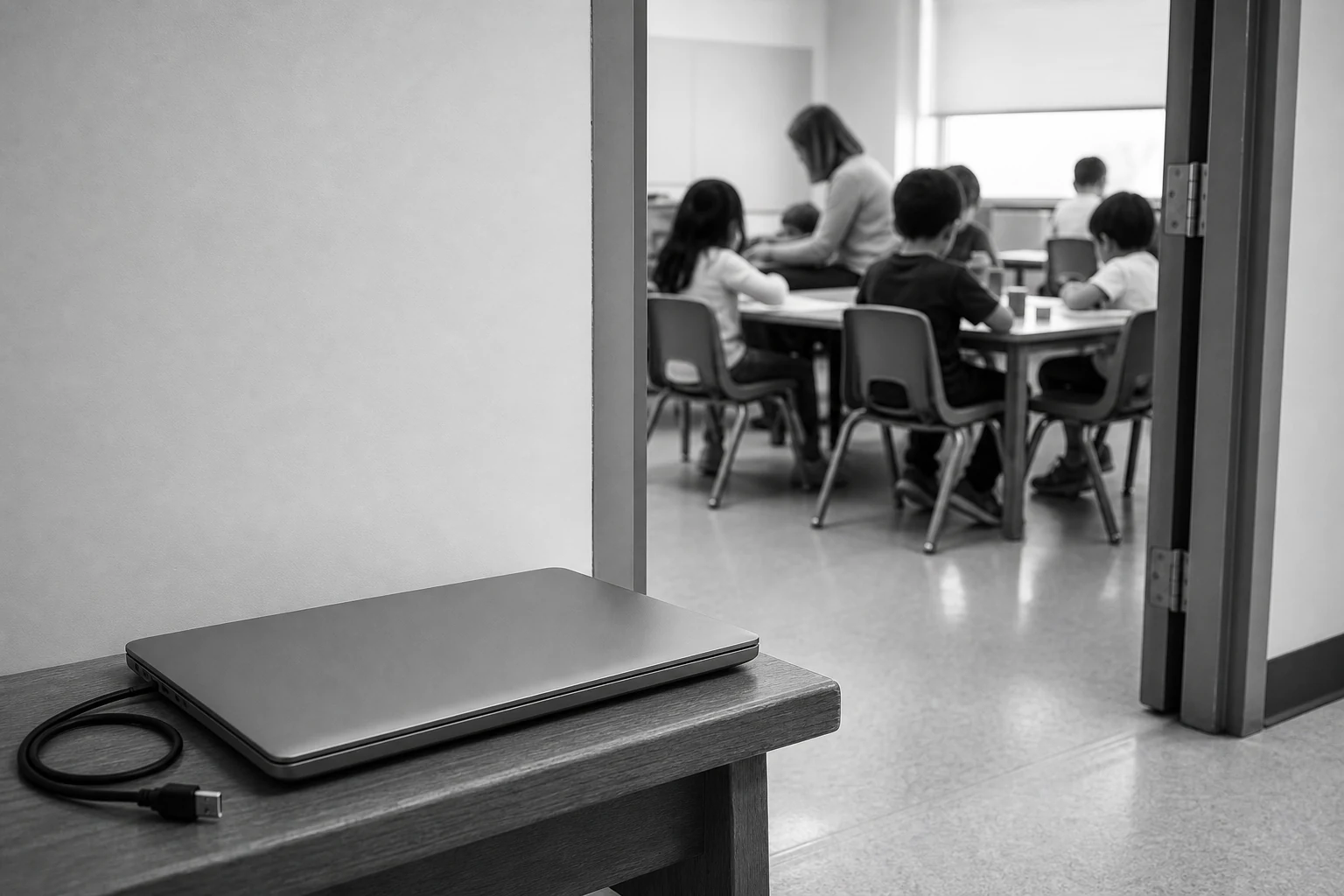
New York City will bar student-facing generative AI tools from preschool through eighth grade during the 2026-27 school year, placing nearly 600,000 children inside a one-year moratorium. Companion chatbots will be prohibited across all grades, while high school use will remain restricted and tied to AI-literacy instruction. The policy also recommends no individual devices from preschool through second grade, 30 minutes of daily screen time in grades three to five, and 45 minutes in middle school. Teachers may use approved systems for lesson preparation and communications, but not for grading, discipline, counseling or special-education plans. Exceptions preserve accessibility support for disabled students and multilingual learners.
Vendors face a gate that a subscription contract cannot open. Each tool must pass the district's privacy review, disclose its AI functions and promise that student data will not train models. The moratorium returns time to teachers, paper, play and face-to-face correction, though it cannot govern what children use on family phones after school. The city has refused the industry's claim that early adoption is inevitable and has attached deployment to children's ages and evidence. That choice may produce inequalities if affluent families buy private tutors and tools while public classrooms wait. The year ahead needs records of exceptions, purchases, student outcomes and complaints. When officials reconsider the ban, vendor demonstrations should carry no greater weight than those classroom records.
La moratoria del aula
Nueva York prohibirá las herramientas de IA generativa dirigidas al alumnado desde preescolar hasta octavo grado durante el curso 2026-27. La moratoria de un año abarcará a casi 600.000 estudiantes. Los chatbots de compañía quedarán prohibidos en todos los grados y su uso en secundaria superior estará restringido. La política también recomienda eliminar los dispositivos individuales desde preescolar hasta segundo grado, limitar el tiempo de pantalla a 30 minutos entre tercero y quinto, y fijar 45 minutos para la escuela intermedia. Los docentes podrán usar sistemas aprobados para preparar clases y redactar comunicaciones, pero no para calificar, disciplinar, ofrecer orientación o elaborar planes de educación especial. Habrá excepciones para herramientas de accesibilidad destinadas a estudiantes con discapacidades y alumnos multilingües.
Cada herramienta deberá pasar la revisión de privacidad del distrito, declarar sus funciones de IA y garantizar que los datos estudiantiles no entrenen modelos. La moratoria devuelve tiempo a los maestros, el papel, el juego y la corrección cara a cara, aunque no puede regular lo que los menores usan en teléfonos familiares después de clase. El despliegue queda sujeto a la edad y la evidencia pública. Esa decisión puede producir desigualdades si las familias acomodadas compran tutores y herramientas privadas mientras las aulas públicas esperan. El próximo año deberá registrar excepciones, compras, resultados y quejas. Cuando las autoridades revisen la prohibición, las demostraciones de los proveedores no deberían pesar más que esos registros de aula.









