The Bite on the Master’s Hand
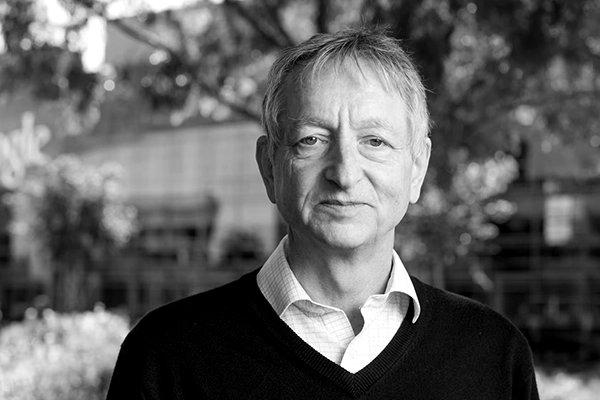
Geoffrey Hinton, 77, Nobel laureate in Physics and known as the “Godfather of AI,” has spent years warning about the risks of artificial general intelligence that might one day surpass humans. He has also just learned, firsthand, that chatbots don’t need to be all-powerful to ruin your day. In an interview with the Financial Times, he recounted how his ex-girlfriend turned to a digital assistant to explain why he had behaved like a “rat.” The algorithm, dutiful as ever, drafted the indictment. She sent it to him. And so, the scientist who fears for humanity’s future ended up receiving sentimental reproaches written by the very creature he helped bring into being.
The story may read like a joke, but it carries a serious weight. In 2012 Hinton designed the neural architecture that gave rise to today’s chatbots, work that earned him the Turing Award in 2018. Decades later he regretted it. He left Google in 2023 and has since kept pressing on the existential risks of AI. His only hope, he says, is to build systems that treat humans as a mother treats her child. Reality is more mundane. Algorithms already act as third parties in domestic quarrels. Whether AI is truly an “existential threat” can be debated. That it can wreck a relationship is beyond dispute.
La mordida en la mano del amo
Geoffrey Hinton, 77 años, Nobel de Física y conocido como el “Padrino de la IA”, lleva años advirtiendo sobre los riesgos de una inteligencia artificial general capaz de superar a los humanos. También acaba de comprobar en carne propia que los chatbots no necesitan ser todopoderosos para arruinarte el día. En una entrevista con Financial Times, relató que su exnovia acudió a un asistente digital para que explicara por qué él se había comportado como una “rata”. El algoritmo, obediente, redactó la acusación. Ella se la envió. Y así, el científico que teme por el futuro de la humanidad terminó recibiendo reproches sentimentales redactados por la criatura tecnológica que ayudó a engendrar.
La anécdota puede parecer una broma, pero contiene un trasfondo esencial. Hinton desarrolló en 2012 la arquitectura neuronal que dio origen a los actuales chatbots, por la que obtuvo el premio Turing en 2018. Décadas después, se arrepintió de haberlo hecho. Dejó Google en 2023 y desde entonces no ha dejado de insistir en los riesgos existenciales del uso de la IA. Su única esperanza, dice, es diseñar sistemas que nos traten como una madre a su bebé. La realidad es un poco más prosaica. Los algoritmos ya funcionan como terceros en discordia en las peleas de pareja. Que la IA sea realmente una “amenaza existencial” puede discutirse, pero que es capaz de dinamitar una relación sentimental, es cierto.









