The App's Verdict
The Dutch Data Protection Authority has fined Uber €824.99 million after finding that driver accounts had been temporarily or permanently deactivated through automated decisions without human intervention. The case began with a collective complaint representing over 170 drivers. According to France’s CNIL, which cooperated in the investigation, suspected fraud and low customer ratings could trigger account blocks that stopped drivers from accepting rides and earning income. Uber disputes the regulator’s account, says permanent deactivations receive human review and drivers can appeal, and plans to challenge the decision.
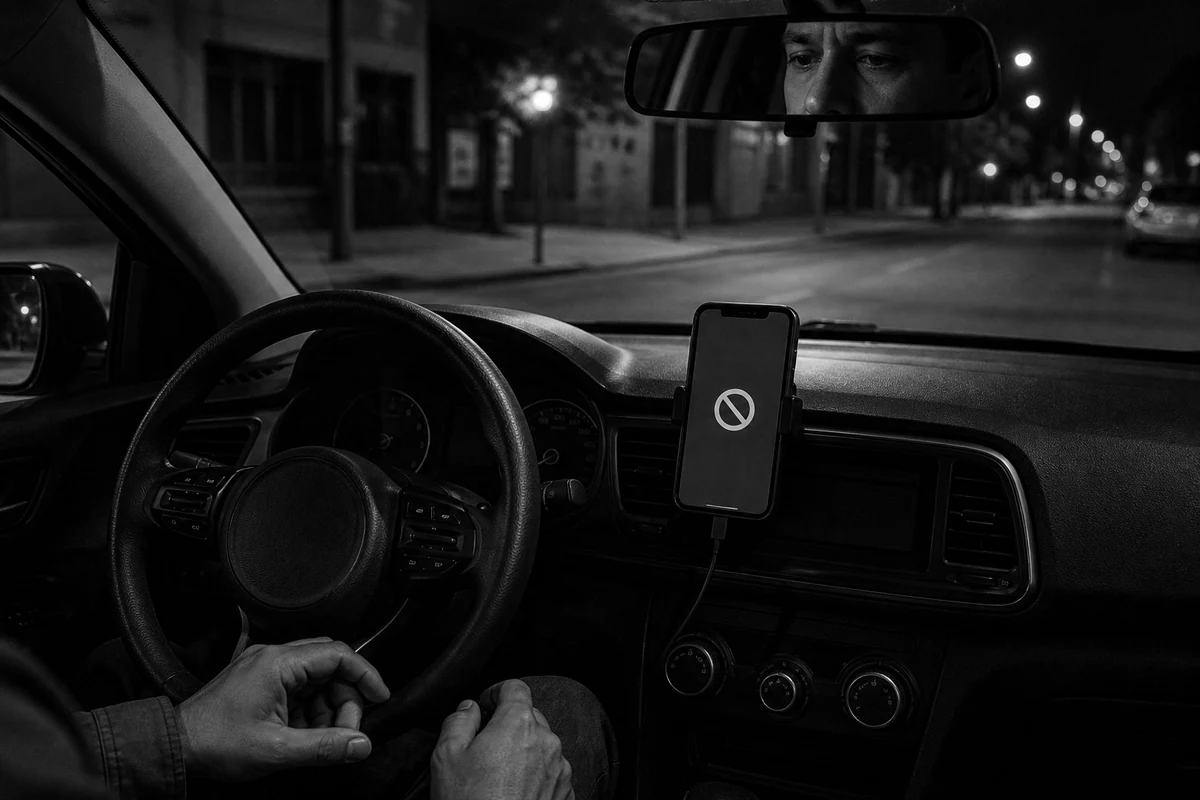
The fine makes algorithmic management visible at the exact point where software becomes a boss. A platform may describe a driver as independent, yet its interface can still decide when work begins, how conduct is measured and whether tomorrow’s income exists. Fraud detection and rating systems promise speed, but speed changes meaning when the person affected must prove an error to a process they cannot see. Europe’s rule against consequential automated decisions asks for something ordinary: a human who can explain, listen and take responsibility. The most revealing image is not a courtroom or a server room. It is a parked car, a darkened app and a worker waiting for the system to let work resume.
El veredicto de la aplicación
La Autoridad de Protección de Datos de los Países Bajos ha multado a Uber con 824,99 millones de euros tras determinar que algunas cuentas de conductores habían sido desactivadas de forma temporal o permanente mediante decisiones automatizadas sin intervención humana. El caso comenzó con una denuncia colectiva que representaba a más de 170 conductores. Según la CNIL francesa, que colaboró en la investigación, las sospechas de fraude y las bajas calificaciones de los clientes podían activar bloqueos que impedían aceptar viajes y generar ingresos. Uber rechaza la versión del regulador, afirma que las desactivaciones permanentes reciben revisión humana y que los conductores pueden apelar, y anunció que recurrirá la decisión.
La multa hace visible la gestión algorítmica justo en el punto donde el software se convierte en jefe. Una plataforma puede describir al conductor como independiente, pero su interfaz aún decide cuándo empieza el trabajo, cómo se mide la conducta y si existirá el ingreso de mañana. Los sistemas de detección de fraude y calificación prometen rapidez, pero la rapidez cambia de sentido cuando la persona afectada debe demostrar un error ante un proceso que no puede ver. La norma europea contra las decisiones automatizadas de alto impacto exige algo corriente: una persona capaz de explicar, escuchar y asumir responsabilidad. La imagen más reveladora no es un tribunal ni una sala de servidores. Es un automóvil estacionado, una aplicación apagada y un trabajador esperando que el sistema le permita volver a trabajar.









