
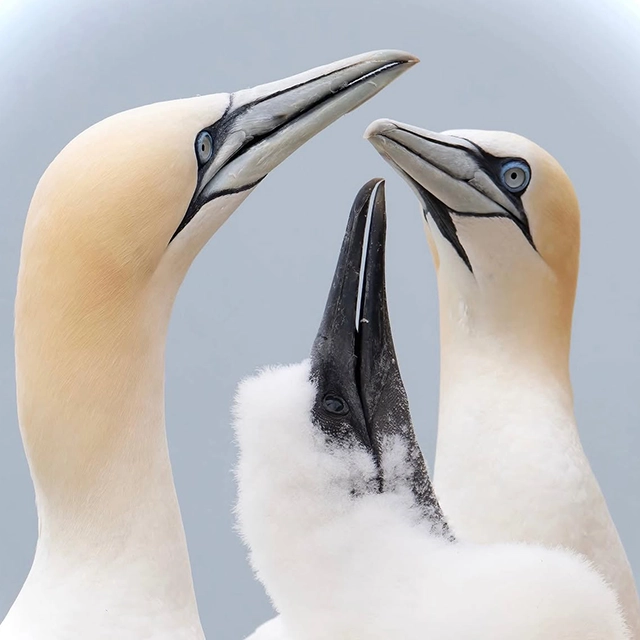
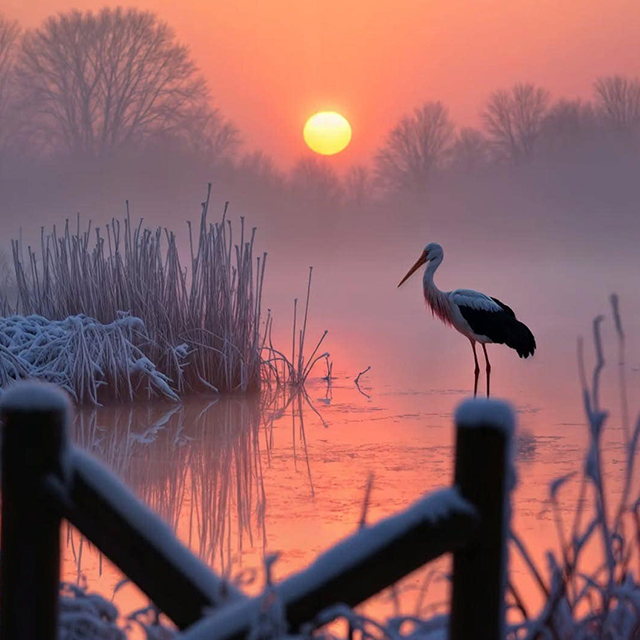
Like so many other wildlife photographs, this one immediately caught my attention. It was published in Digital Camera World, issue 312, October 2026, in the Reader Gallery section. A space intended to give visibility to work submitted by readers, with no distinction between amateurs, emerging photographers, and established professionals. They do not seem particularly interested in any genre or style, only in creativity, provided it finds a technically solid resolution...


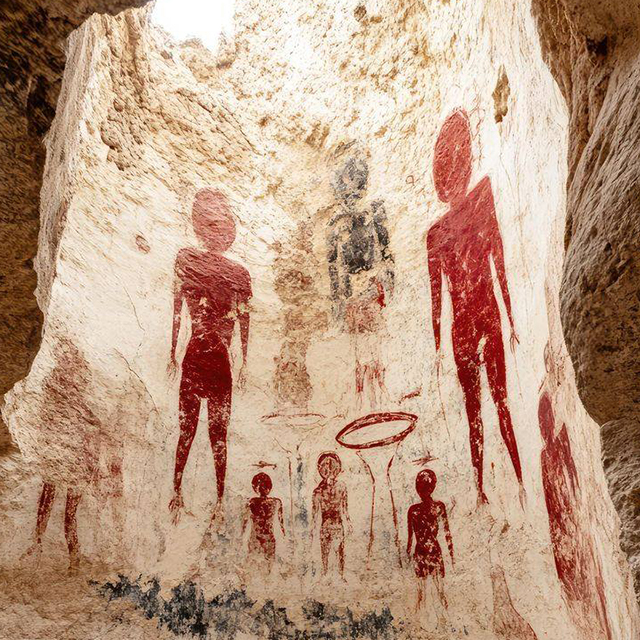
Alone in the vastness of space, that is. And many of us, alas, in the cramped solitude of our own rooms. Perhaps that is why I tend to raise an eyebrow —the left one— whenever I come across posts whose authors claim to detect, in ancient structures, rock art, or oral legends, undeniable evidence of extraterrestrial encounters at the dawn of time.
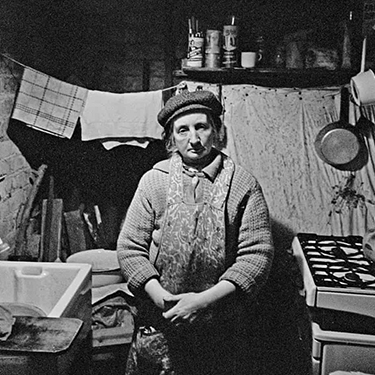
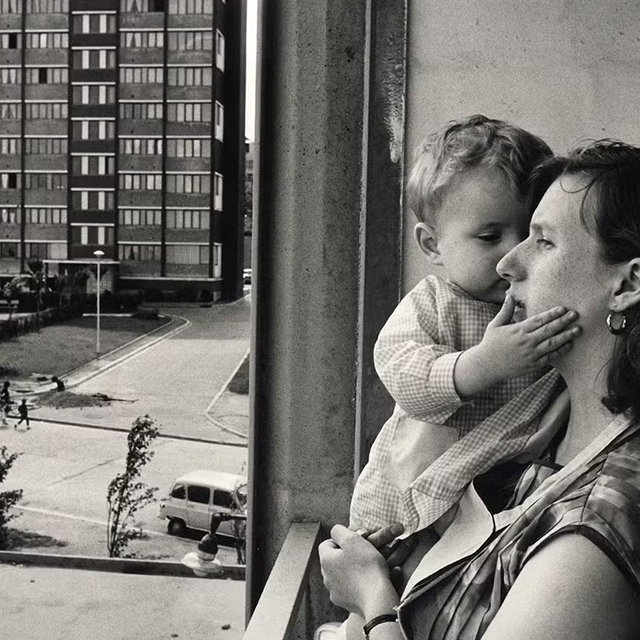
Just nine days ago, on Friday, June 20, photographer Nick Hedges passed away at the age of 81. He lived his life with the firm belief that photography is a powerful tool for driving social change. He wasn’t alone in this conviction—and speaking for myself, someone who only shoots with a phone, I’m beginning to take that idea seriously.
What do we see in the photograph—what is it, in fact, that the curator, the writer, the director of the MEP, and the readers of these reflections want to see? The image—taken by Janine in Vitry, in 1965—functions as a diptych that articulates two registers: one intimate, the other collective...
The last of these posts was published on June 7. More than two weeks without writing a single line. On my wall, yes—of course—because what I tend to write there is mostly about lived experience: the emotions they provoke, and the sediment they leave behind. A release, nothing more. Nothing to analyze.

While writing the previous chronicle, I took a few pauses to search for depictions of Achilles in the history of art. To my surprise, they are scarce—and rather anemic. The balance between his weight in the collective imagination and his trace in the visual arts is tenuous, almost absurd.
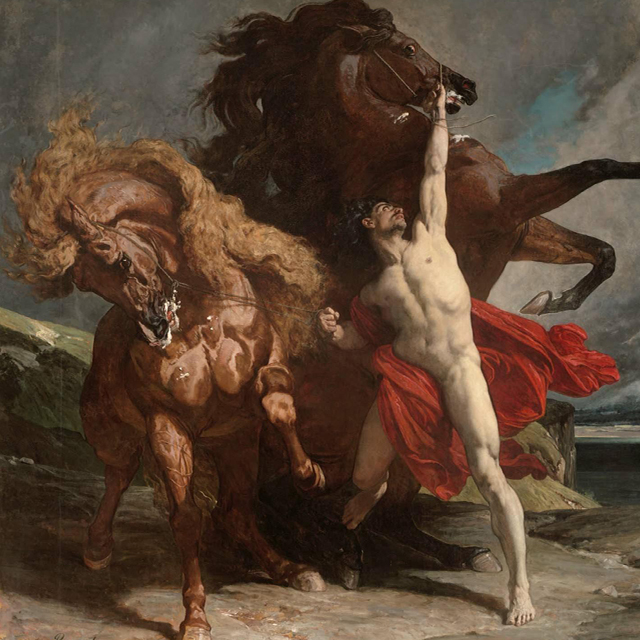
Years before immersing myself in Luis Segalá y Estalella’s Spanish rendering of the Iliad, I had already been moved by the exquisite summary José Martí wrote for La Edad de Oro. Its simplicity, its scandalous beauty, is devastating.

Yoko has been so fortunate in this life that she even has a portrait by Evelyn Sosa Rojas, a true master of the genre. Her expression—Yoko’s, not Eve’s—seems to ask, You wouldn’t happen to have something to eat around here, would you, man? It has now been preserved for posterity and will endure far beyond anything those of us who have spent a lifetime boiling chicken for her could ever have imagined.

This is one of those subjects that provokes a profound sense of revulsion in me. The feeling has several causes, and they contradict one another.

Last week, at the exhibition Osy Milián opened at Galería Zapata, I told Evelyn Sosa I wanted to write about one of her photographs. I also told her that it would not be an interpretation or a critical assessment of her work, but rather of that particular image. And I did not say then—though I say it now—that if the result resembled what is known in the field as an “art review,” it would be incidental and by no means intentional. That said, above you can see the photograph in question: one that draws my attention more than any of the others I’ve kept.
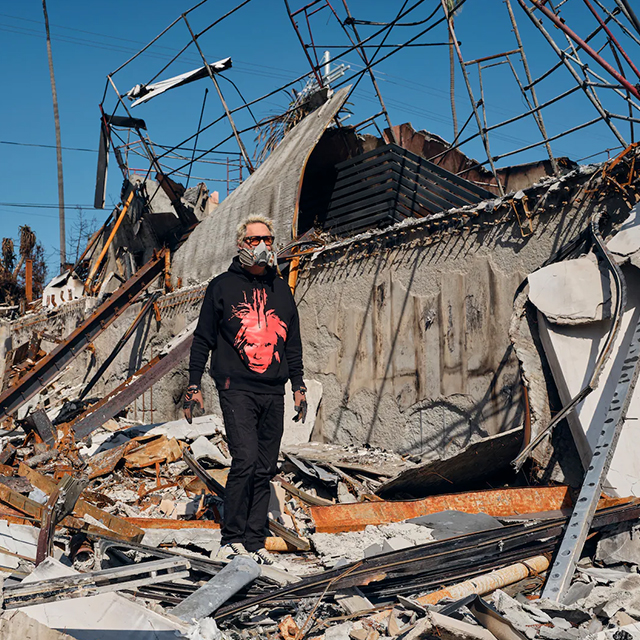
In The Climate of Art Collecting, Christopher Cameron examines how extreme weather events are radically reshaping the economics of the art world. In the wake of recent fires, hurricanes, and floods, private collections, galleries, and studios face losses without precedent, raising troubling questions about the fragility of cultural heritage and the limits of insurance. The piece shows how climate change is forcing collectors, insurers, and museums to rethink preservation strategies and their own responsibilities in a market growing ever more vulnerable.

This insightful article, published by Anny Shaw in The Art Newspaper on March 10, 2025, explores how the art world is shifting toward a slower, more reflective pace. Shaw notes that museums are staging fewer large‑scale exhibitions, prioritizing quality and depth over sheer quantity. Artists are scaling back their output, and collectors are becoming increasingly selective—prompting galleries, museums, and fairs to foster a more deliberate and meaningful connection with their audiences rather than relying on rapid turnover.
For several years now we have lived a large part of our lives on social networks. I would say we devote almost as much attention to them as to our most intimate emotional surroundings. Almost all of us are hooked—nearly addicted. These networks seem designed to trigger some reward system in the brain, releasing a quick shot of dopamine each time we receive the tribe’s approval. It’s a flash of instant gratification that urges us to keep typing, and at the same time keeps us staring at the screen when that approval doesn’t come. That’s on one side.
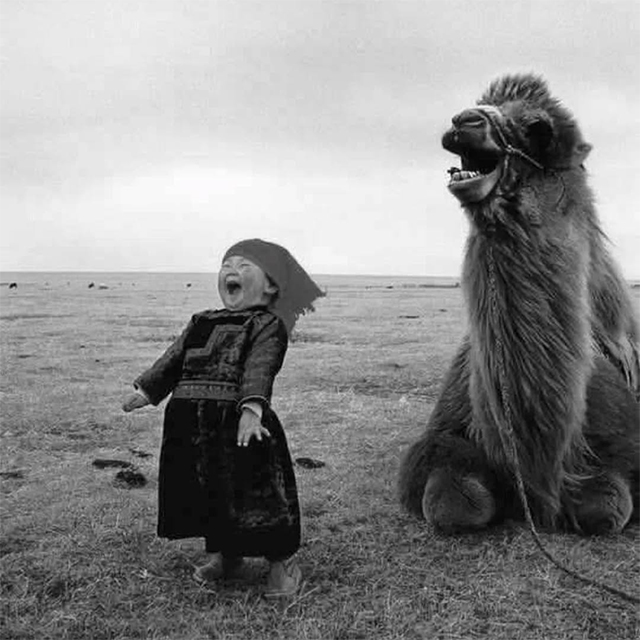
This photograph could have been taken by anyone. Close enough and with a camera in hand, it was only a matter of waiting for the moment. Does that mean, then, that with a decent camera we can walk out into the street, start shooting, and challenge the legacy of a Cartier‑Bresson, to name an example? Possible, yes—yet improbable. Cartier‑Bresson defined what we now understand as the capture of the decisive moment. His immortality rests on hundreds of photographs—almost all of them flawless—where the magic of that instant manifested before his eyes, camera poised. Far too many times for it to be mere chance.
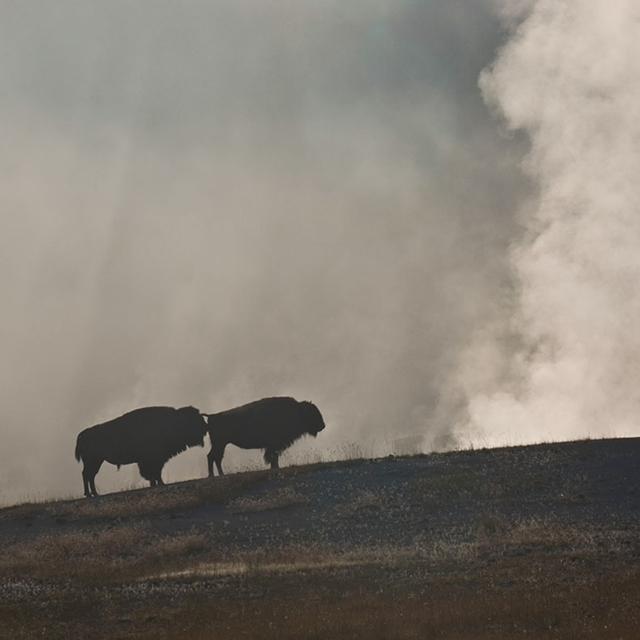
Don’t bother. There was neither a penultimate nor a last. That story was a lyrical invention by James Fenimore Cooper to captivate the eager readers of the early nineteenth century. The tribe, much diminished—now part of the Stockbridge‑Munsee—lives today in Wisconsin, to the west of the Great Lakes, enduring the heavy snowfalls the region bestows for much of the year. And what do they do? They run casinos, persistently demand the restitution of their lands, and in their spare time, pass on their culture to the new generations.
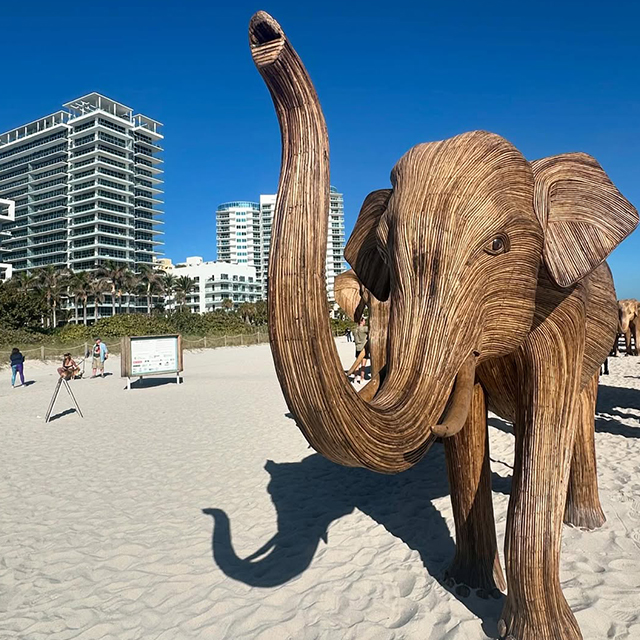
I’m not much of a Nuevo Herald reader. I download the PDF of its print edition every day only because, for work reasons, I try to stay informed about what’s happening in the city. I don’t like its design. Its use of typography is anarchic. The headlines jump wildly from one typeface to another, as if shoved toward the next text block. The masthead, for its part, looks like it just returned from the past. Beyond that, I’ve adapted to the broadsheet format. I used to prefer the tabloid, but now it makes no difference.


If you’re a regular reader of this blog and enjoy its content, you might consider contributing to its upkeep. Any amount, no matter how small, will be warmly appreciated
Founded in 2021, Echoes (Notes of Visual Narrative) invites everyone to explore together the visual codes that shape our world—art, photography, design, and advertising in dialogue with society.

Copyright © 2026 r10studio.com. All Rights Reserved. Website Powered by r10studio.com
Cincinnati, Ohio