October | 2026

Teen test accounts could download dozens of AI image-manipulation apps despite parental controls, the Tech Transparency Project reported on October 19. Researchers created four accounts registered as 13-year-old boys, comparing default settings with parent-supervised accounts on Apple and Google. The supervised accounts could access 24 apps on Apple and 51 on Google that TTP classified as nudification tools. Its definition includes generating images in underwear or swimwear. Apple disputes that classification for some mainstream editors and says it prohibits nudification apps. Google says it bans them too and suspended apps that violated its policies. These were controlled tests, not records of children using the services.
An age restriction depends on the accuracy of the label attached to each app. TTP says both stores rely on developers’ descriptions to assign those ratings. A parent asked to approve a download can therefore be making a decision with incomplete information about what the software allows. The store has already reviewed the product, placed it in a category and made it available. That chain should be checked against the app’s actual functions, including features added after approval. TTP also found that some apps removed from store listings still worked on its test phones. Taking down a listing closes one route to installation. Families also need clear notice about an installed app whose capabilities have made it unsafe.
Cuentas de prueba de adolescentes pudieron descargar decenas de apps de manipulación de imágenes con IA pese a tener controles parentales, según una investigación de Tech Transparency Project publicada el 19 de octubre. El equipo creó cuatro cuentas registradas como chicos de 13 años y comparó la configuración habitual con cuentas supervisadas por adultos en Apple y Google. Las supervisadas accedieron a 24 apps en Apple y 51 en Google que el estudio clasificó como herramientas de desnudo digital. Esa definición incluye imágenes en ropa interior o de baño. Apple rechaza esa clasificación para algunos editores y afirma que prohíbe las apps de desnudo digital. Google también dice prohibirlas y suspendió aplicaciones que incumplían sus normas. Fueron pruebas controladas, no registros de menores usando esos servicios.
Una restricción de edad depende de que la etiqueta de cada app sea correcta. Según el estudio, ambas tiendas utilizan las descripciones de los desarrolladores para asignarla. Quien autoriza una descarga puede estar decidiendo sin conocer todo lo que permite el programa. La tienda ya lo revisó, lo clasificó y lo puso a disposición del público. Es necesario contrastar esa clasificación con las funciones reales, incluidas las que aparezcan después de la aprobación. El equipo también encontró apps retiradas de las tiendas que seguían funcionando en sus teléfonos de prueba. Retirar una ficha cierra una vía de instalación. Las familias necesitan además un aviso claro cuando una app instalada incorpora funciones que la vuelven insegura.
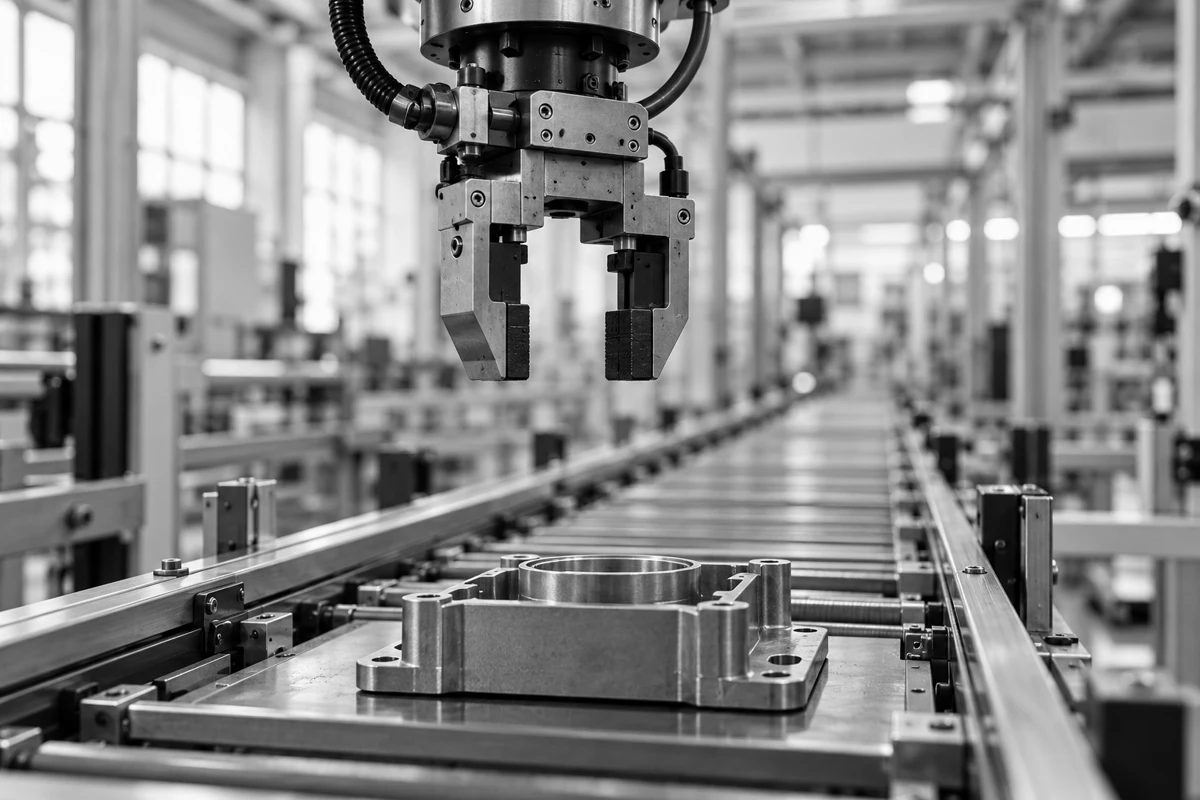
Siemens and NVIDIA are testing AI tools that propose production plans at Siemens’ electronics factory in Erlangen, Germany. Presented on October 19, the system generates alternatives when orders arrive and shows planners how each option performs against selected indicators. Proposals are checked in a digital twin, a virtual representation of the plant, before implementation. Siemens says agent-based planning could cut costs by up to 20%. That is a company claim about potential savings, not a guarantee for every factory. The plant, which makes power electronics and automation technology, employs about 1,000 people.
The indicators chosen by management will shape which plan looks best. A cheaper sequence could still leave a maintenance team too little time to inspect equipment or make an operator repeat a difficult task. Those effects need a place in the comparison. Workers who know the machines should be able to point out what the simulation misses and have that objection recorded. A planner who changes a proposed sequence also needs enough time to explain the decision, without pressure to accept the software’s first recommendation. Testing a plan virtually can avoid costly mistakes on the line. Its value will depend on how objections made in the workshop reach the people approving it. Before a proposal becomes the next shift’s instructions, someone must be responsible for checking it and authorized to stop it.
Siemens y NVIDIA prueban herramientas de IA que proponen planes de producción en la fábrica de electrónica de Siemens en Erlangen, Alemania. El sistema, presentado el 19 de octubre, genera alternativas cuando llegan pedidos y muestra a los planificadores cómo cumple cada opción los indicadores elegidos. Antes de aplicarlas, las propuestas se comprueban en un gemelo digital, una representación virtual de la planta. Siemens afirma que esta planificación podría reducir los costes hasta un 20 %. Es una estimación de la empresa sobre el ahorro posible, no una garantía para cualquier fábrica. La planta fabrica electrónica de potencia y equipos de automatización y emplea a unas mil personas.
Los indicadores que elija la dirección determinarán qué plan parece mejor. Una secuencia más barata podría dejar poco tiempo para revisar una máquina o exigir que alguien repita una tarea difícil. Esos efectos también deben entrar en la comparación. Quienes conocen los equipos deberían poder señalar lo que la simulación pasa por alto y dejar constancia de su objeción. El planificador que cambie una propuesta necesita tiempo para explicar por qué, sin la presión de aceptar la primera recomendación del programa. Probar un plan virtualmente puede evitar errores costosos en la línea. Su utilidad dependerá también de cómo lleguen las advertencias del taller a quienes lo aprueban. Antes de convertir una propuesta en instrucciones para el siguiente turno, alguien debe comprobarla y tener autoridad para detenerla.

Anthropic has proposed committing 5% of its shares to a new Public Benefit Fund, subject to stockholder approval. Announced on October 18, the fund will be wholly owned by the company. Possible uses include donations to nonprofits and direct distributions to particular groups. Anthropic names disruption to workers as one reason for creating it and says further details about governance will follow. The promise recognizes that a company selling automation may also have a responsibility to people affected by it. It remains a commitment of equity, with no payment schedule or rules identifying who will receive support in the announcement.
A worker whose income falls after an employer adopts AI would need to know whether the fund offers help, how to apply and who reviews a refusal. Those decisions determine whether a large corporate pledge becomes usable assistance. A company can finance valuable work while retaining the power to choose recipients and define acceptable outcomes. Describing its purpose as public benefit leaves that power intact until the governing rules give affected people a role. The fund could earn trust by publishing selection criteria and reporting actual distributions separately from the value of its shares. Workers and their representatives should be able to question those decisions. For someone trying to cover next month's rent, the useful figure will be the amount received and the date it arrives.
Anthropic propone destinar el 5 % de sus acciones a un nuevo fondo de beneficio público, sujeto a la aprobación de los accionistas. Lo anunció el 18 de octubre y será propiedad de la empresa. Entre sus posibles usos figuran las donaciones a organizaciones sin fines de lucro y las ayudas directas a determinados grupos. La compañía menciona los efectos de la IA sobre el empleo y promete explicar más adelante cómo se dirigirá el fondo. Reconoce así una responsabilidad hacia quienes puedan verse afectados por la automatización que vende. El anuncio compromete acciones, pero no establece fechas de pago ni reglas para determinar quién recibirá ayuda.
Una persona que pierda ingresos porque su empleador adopta IA necesitará saber si puede pedir apoyo, cómo solicitarlo y ante quién reclamar una negativa. Esas decisiones determinan si la promesa llega a convertirse en una ayuda concreta. Una empresa puede financiar proyectos valiosos y conservar la facultad de elegir a sus beneficiarios y definir qué resultados acepta. Llamarlo beneficio público deja esa facultad intacta mientras las reglas no den participación a las personas afectadas. Publicar los criterios de selección y separar las ayudas entregadas del valor de las acciones permitiría evaluar el fondo. Los trabajadores y sus representantes deberían poder cuestionar esas decisiones. Para quien necesita pagar el alquiler del mes siguiente, contará cuánto dinero recibe y cuándo llega.

The World Bank is putting small AI on the agenda of its Global AI and Digital Summit, which opens in Seoul on October 19. A session on October 20 will examine tools adapted to local needs. The Bank describes small AI as a design approach built around a specific problem and the devices people can access, including basic phones and sensors. Some applications can run models locally or use familiar channels such as text messages and voice. The ambition is to make useful services work with limited connectivity. These are proposals for development, with benefits that still have to be demonstrated in use.
A public agency buying such a service would still need a budget for maintenance and someone responsible when an answer fails. Running a model on a modest device can reduce dependence on a remote server, but the device needs power, repairs and software updates. Local data also requires people who can check whether an answer fits the language and circumstances of the person asking. Those costs belong in the contract from the start. Otherwise, a successful demonstration can leave a clinic or farming cooperative with equipment nobody can maintain. The Bank itself acknowledges the need for digital skills and trusted local institutions. Procurement should specify who tests the tool, who pays after the pilot ends, and where a person can challenge advice that has caused harm.
El Banco Mundial llevará la llamada IA pequeña a su cumbre sobre inteligencia artificial y desarrollo digital, que comienza en Seúl el 19 de octubre. Una sesión del día 20 abordará herramientas adaptadas a necesidades locales. La institución propone diseñarlas para resolver una tarea concreta con los dispositivos que la gente tiene a mano, incluidos teléfonos básicos y sensores. Algunas pueden ejecutar modelos en el propio aparato o comunicarse mediante mensajes de texto y voz. La intención es ofrecer servicios útiles donde la conexión es limitada. Por ahora son propuestas de desarrollo cuyos beneficios habrá que comprobar cuando se usen.
Una entidad pública que contrate uno de estos servicios necesitará dinero para mantenerlo y alguien que responda cuando falle una respuesta. Ejecutar el modelo en un aparato sencillo puede reducir la dependencia de un servidor remoto, pero hacen falta electricidad, reparaciones y actualizaciones. Trabajar con datos locales también exige personas capaces de comprobar si la respuesta encaja con el idioma y las circunstancias de quien consulta. Esos gastos deben figurar en el contrato desde el principio. De lo contrario, una demostración exitosa puede dejar a un centro de salud o una cooperativa agrícola con equipos que nadie sabe mantener. El propio Banco reconoce que hacen falta formación digital e instituciones locales de confianza. La compra debería precisar quién prueba la herramienta, quién paga cuando termina el ensayo y dónde puede reclamar una persona perjudicada por sus indicaciones.

Google’s paid News AI pilot now includes over 400 publications, the company announced on October 15. CNN confirmed a multi-year agreement granting content rights for experimental Google features. The pilot includes article overviews on Google News publisher pages and customizable audio briefings, with attribution and direct links. Google says it pays participating outlets for delivering and licensing that material. Neither announcement discloses the payment amounts. The arrangement gives a publisher revenue before a reader decides whether to leave the summary and open the original article.
A newsroom still pays for reporting even when a reader stops at the overview. A licensing fee can help cover that expense, but an editor also needs to know what happens to the relationship with the audience. Does the summary lead someone to subscribe, or satisfy the question without a visit? A prominent link offers a route back to the source; its presence alone cannot answer either question. The useful measures would include visits that become subscriptions and readers who return without passing through Google again. Those figures should be visible to participating publishers, alongside any mistakes introduced by the summary. A large outlet may have staff to compare the fee with changing traffic. A small newsroom needs the same information before deciding whether the agreement supports another reporter’s salary or merely replaces an income stream that is shrinking.
El programa de noticias con IA de Google ya reúne a más de 400 publicaciones, según anunció la empresa el 15 de octubre. CNN confirmó un acuerdo de varios años que autoriza el uso de su contenido en funciones experimentales de Google. El programa incluye resúmenes de artículos en las páginas de los medios dentro de Google News y boletines de audio personalizables, con atribución y enlaces directos. Google paga a los participantes por entregar y permitir el uso de ese material. Los anuncios no revelan los importes. El medio recibe ingresos antes de que el lector decida abrir el artículo original.
Una redacción sigue pagando por investigar aunque el lector se quede en el resumen. El pago por la licencia puede ayudar a cubrir ese gasto, pero también hace falta saber qué ocurre con la relación con el público. ¿El resumen anima a suscribirse o resuelve la consulta sin generar una visita? Un enlace visible facilita llegar a la fuente; su presencia no responde esas preguntas. Serviría conocer cuántas visitas terminan en suscripciones y cuántos lectores vuelven después sin pasar por Google. Los medios participantes deberían poder consultar esas cifras y los errores que introduzcan los resúmenes. Una empresa grande quizá tenga personal para comparar el pago con los cambios de tráfico. Una redacción pequeña necesita la misma información para valorar si el acuerdo permite pagar otro sueldo o apenas sustituye unos ingresos que están desapareciendo.

Decomp.dev has disabled its public project index and stopped accepting new projects. The site tracks efforts to reconstruct readable source code from released video games. Its maintainer says AI-assisted copies and rushed adaptations are damaging the volunteer community behind that work. Existing project pages and historical data will remain available. The notice accepts that AI can help when guided and reviewed properly. The maintainer says a lone hobbyist cannot keep judging the quality of hundreds of projects.
A volunteer who spends an evening explaining a difficult function contributes something a completion percentage cannot record. Another person learns how the program works and can help with the next problem. If recognition goes chiefly to whoever announces a finished version first, that teaching becomes harder to sustain. Someone still has to check the result, trace mistakes and answer questions after the announcement has circulated. Faster output can therefore increase the unpaid work required from experienced contributors. This is an awkward limit for a hobby measured through progress bars. The satisfying number can rise while the conditions for learning together deteriorate. A project can choose to use AI and still require a contributor to explain each change and accept responsibility for fixing it. Those requirements need to appear before a submission is counted as progress.
Decomp.dev desactivó su índice público y dejó de aceptar proyectos nuevos. El sitio registra los avances de quienes reconstruyen código legible a partir de videojuegos ya publicados. Su responsable afirma que las copias asistidas por IA y las adaptaciones apresuradas están perjudicando a la comunidad de voluntarios. Las páginas de proyectos existentes y sus datos históricos seguirán disponibles. El aviso reconoce que la IA puede ayudar si se utiliza con orientación y revisión. Su responsable dice que ya no tiene ganas ni energía para moderar cientos de proyectos.
Quien dedica una tarde a explicar una función difícil aporta algo que un porcentaje de avance no puede registrar. Otra persona aprende cómo funciona el programa y podrá ayudar con el siguiente problema. Si el reconocimiento se concentra en quien anuncia primero una versión terminada, resulta más difícil sostener esa enseñanza. Alguien tendrá que revisar el resultado, encontrar los errores y responder preguntas cuando el anuncio ya haya circulado. Producir más rápido puede aumentar el trabajo gratuito que recae sobre quienes tienen experiencia. Ahí aparece un límite incómodo para una afición medida con barras de progreso. El número puede subir mientras empeoran las condiciones para aprender juntos. Un proyecto puede aceptar IA y exigir que cada colaborador explique sus cambios y se responsabilice de corregirlos. Conviene establecer esas condiciones antes de contar una entrega como un avance.

Seven U.S. senators asked Meta to explain whether it claimed research tax credits for building and operating AI data centers. In a statement published October 14, they questioned reports that the company treated those facilities as experimental pilot models. They want the amount attributable to data centers and the reasoning behind the claim. The request does not establish that Meta broke tax law. Responding to earlier reporting, company spokesperson Andy Stone said Meta uses incentives Congress created to encourage domestic investment. That defense leaves the eligibility of particular expenses open to scrutiny.
A research tax credit lowers a company's tax bill, giving the public a financial stake in what qualifies as an experiment. An AI facility can contain genuine research while also serving as a production site. Deciding which costs receive support requires a closer account of what is being tested and what the company already knows how to build. Calling an entire expansion experimental risks making size itself a reason for subsidy. Rejecting every new facility as routine could also overlook work whose outcome is uncertain. The useful distinction has to survive an examination of equipment purchases and actual tests. Meta's answer should identify the claimed expenses and explain how each relates to research. Legislators and taxpayers would then have something firmer to assess than the industry's broad promise of future breakthroughs.
Siete senadores estadounidenses pidieron a Meta que explique si solicitó créditos fiscales de investigación por construir y operar centros de datos de IA. En un comunicado publicado el 14 de octubre, cuestionaron las informaciones que describen esas instalaciones como modelos piloto experimentales. Quieren conocer cuánto dinero corresponde a los centros de datos y qué justifica ese trato. La solicitud no demuestra que Meta haya infringido la ley tributaria. Ante las noticias previas, el portavoz Andy Stone defendió que la empresa utiliza incentivos creados por el Congreso para fomentar la inversión nacional. Esa respuesta no resuelve qué gastos concretos cumplen los requisitos.
Un crédito fiscal reduce los impuestos de una empresa. Por eso, decidir qué cuenta como experimento compromete también dinero público. Un centro de IA puede albergar investigación y funcionar a la vez como una instalación de producción. Para decidir qué gastos merecen apoyo hay que saber qué se está probando y qué sabe construir ya la empresa. Llamar experimental a toda una ampliación puede convertir su tamaño en un motivo para subvencionarla. Dar por rutinaria cualquier instalación nueva también podría dejar fuera trabajos de resultado incierto. La diferencia debe poder explicarse al revisar las compras de equipos y las pruebas realizadas. Meta debería detallar los gastos incluidos y su relación con la investigación. Así, legisladores y contribuyentes tendrían algo concreto que evaluar, más allá de la promesa de futuros avances.

Google DeepMind and Singapore’s GovTech announced an AI scam detector on October 14 that analyzes conversations on the phone itself. Built with Gemma, Google’s lightweight model, it screens incoming messages and examines suspicious exchanges for signs of manipulation. The developers say this local design keeps conversations out of government and Google servers. Access will require the user’s consent. Integration into applications is planned in phases, with no launch date given. A warning would ask someone to pause before sending money or sensitive information.
A person receiving an urgent message from a supposed bank could get a warning while still deciding whether to obey it. That pause offers a useful defense against fraud that depends on haste or trust. Keeping the analysis on the handset also avoids creating a central store of private exchanges for this purpose. Yet an alert can be wrong, and its wording can shape how someone reads a genuine request. The application's terms will determine which conversations the feature can access. Users need a plain explanation of that reach and a practical way to withdraw permission. They should also be able to inspect the reason for a warning without treating it as a verdict on the person writing. Before a rollout, the developers should publish how often the system misses scams and how often it flags ordinary messages. Those results would let citizens judge the protection being offered.
Google DeepMind y GovTech, la agencia tecnológica de Singapur, anunciaron el 14 de octubre un detector de estafas con IA que analiza conversaciones en el propio teléfono. Utiliza Gemma, un modelo ligero de Google, para revisar mensajes entrantes y buscar señales de manipulación en los intercambios sospechosos. Según los desarrolladores, las conversaciones no llegan a servidores de Google ni del Gobierno. El acceso requerirá consentimiento. La incorporación a las aplicaciones será gradual y todavía no tiene fecha. Una alerta pediría detenerse antes de enviar dinero o información sensible.
Quien reciba un mensaje urgente de un supuesto banco podría ver una advertencia mientras decide si sigue sus instrucciones. Esa pausa puede ayudar frente a estafas que aprovechan la prisa o la confianza. Analizar los mensajes en el teléfono evita además reunir esas conversaciones en una base de datos central para este fin. Pero una alerta puede equivocarse y cambiar cómo se interpreta una petición legítima. Las condiciones de cada aplicación definirán a qué conversaciones podrá acceder la herramienta. Hace falta explicar ese alcance con palabras claras y permitir que el usuario retire el permiso con facilidad. También debería poder saber por qué apareció una advertencia, sin tomarla como una sentencia sobre quien escribe. Antes de ofrecer el servicio, los desarrolladores deberían publicar cuántas estafas pasan inadvertidas y cuántos mensajes normales activan una alerta. Esos resultados permitirían valorar la protección que prometen.

The International Monetary Fund warned on October 13 that disappointing profits or investment in AI could trigger a market correction. At its financial stability briefing in Bangkok, the Fund also pointed to vulnerabilities in pension funds and insurers holding assets that can be difficult to sell. Its stress test found the banking sector broadly resilient, with a weaker group of banks exposed to trouble. The warning describes a possible shock, rather than announcing a crash or predicting its date. It asks what happens if the earnings expected from AI fail to arrive.
A worker can contribute to a retirement fund without choosing the technology companies or private investments it holds. That creates a quiet connection between an ordinary payslip and the industry's promises. If those investments lose value, the effect on a pension depends on the fund's holdings and the protections built into the plan. Selling hard-to-trade assets during a downturn can add pressure. The cultural habit of treating every larger model as proof of future prosperity makes those distinctions easy to overlook. A working tool and a profitable investment are separate claims, each requiring evidence. Fund managers should explain their exposure in terms members can understand, including how much money is committed and how readily it can be withdrawn. The person paying into the plan needs that information before losses make the connection visible.
El Fondo Monetario Internacional advirtió el 13 de octubre que unos beneficios o unas inversiones en IA por debajo de lo esperado podrían provocar una caída en los mercados. En su presentación sobre estabilidad financiera en Bangkok, señaló también los riesgos de los fondos de pensiones y las aseguradoras que mantienen inversiones difíciles de vender. Su prueba de estrés encontró que los bancos, en conjunto, resisten un golpe severo, aunque un grupo más débil quedaría expuesto. Es una advertencia sobre un riesgo posible. No anuncia un desplome ni le pone fecha. Plantea qué ocurriría si la IA no produce las ganancias esperadas.
Una persona puede aportar a un fondo de pensiones sin elegir las empresas tecnológicas ni las inversiones privadas que este mantiene. Así se conecta parte de su sueldo con las promesas de la industria. Si esas inversiones pierden valor, el efecto sobre la pensión dependerá de lo que tenga el fondo y de las garantías del plan. Vender activos difíciles de negociar en plena caída puede agravar las pérdidas. La costumbre de celebrar cada modelo más potente como prueba de prosperidad futura facilita que esos detalles pasen inadvertidos. Que una herramienta funcione y que una inversión sea rentable son afirmaciones distintas. Ambas necesitan pruebas. Quienes administran los fondos deberían explicar cuánto dinero está comprometido y con qué facilidad pueden recuperarlo. Esa información debe llegar a quien aporta antes de que una pérdida le revele dónde estaban sus ahorros.