October | 2025
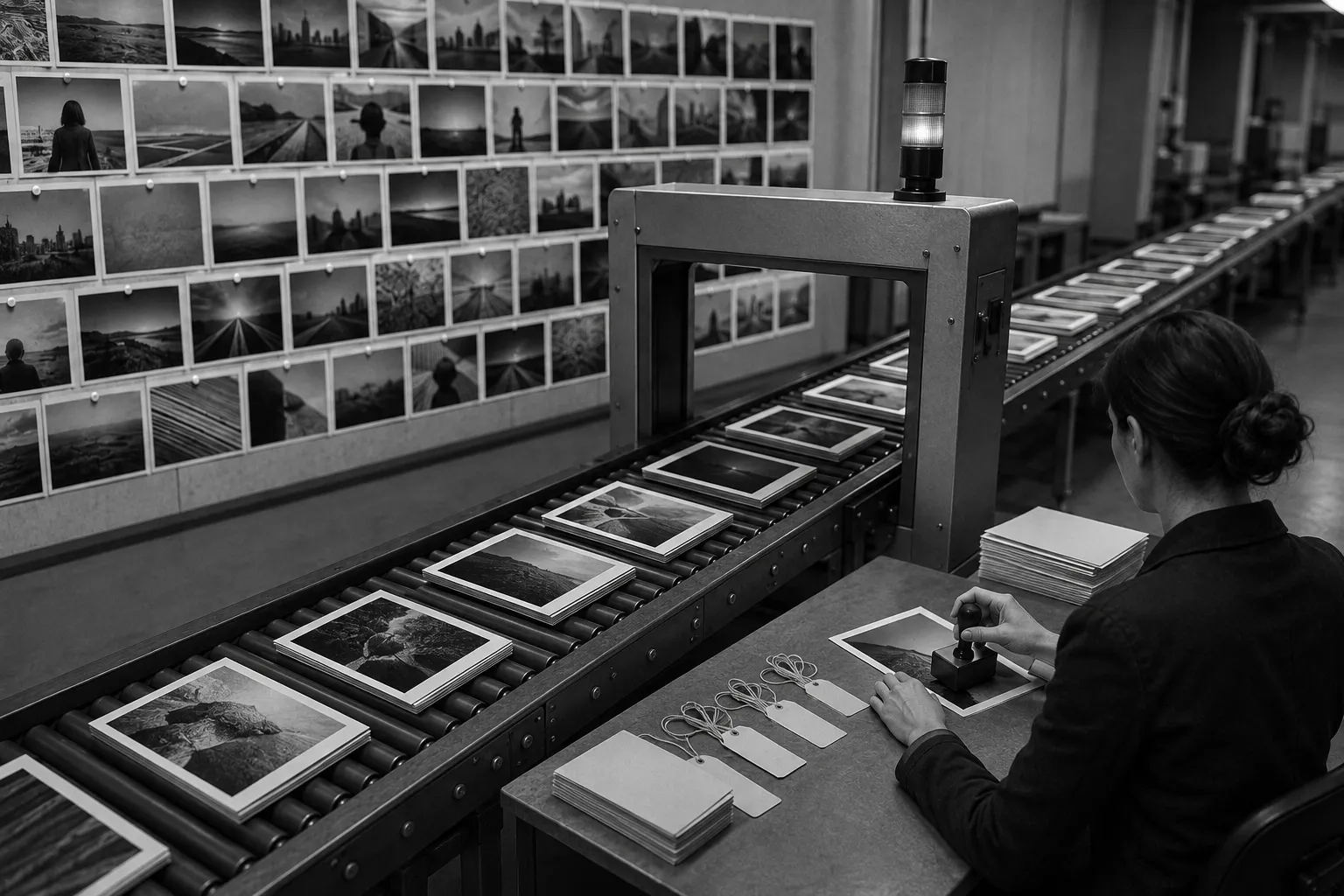
Perplexity and Getty Images announced a multiyear agreement granting the AI search company rights to display Getty images across its search and discovery tools. The companies said Getty's API would be integrated into the content workflow and that Perplexity would improve image credits and links to original sources. Financial terms were withheld. A person familiar with the agreement told TechCrunch that it was a new arrangement rather than a traditional lump-sum license, and that Getty had participated for over a year in Perplexity's publisher revenue-sharing program. The deal followed accusations from news organizations that Perplexity had scraped or reproduced their material, including a Wall Street Journal article accompanied by a Getty photograph.
A license establishes a visible border around images that search interfaces previously treated as readily available components of an answer. The announcement leaves the status of earlier displays and any compensation for them unaddressed, so permission begins at an uncertain point in the archive. Attribution also performs two jobs here. It directs a user toward the photographer or publisher while giving Perplexity evidence of a formal content relationship. Getty gains distribution and contractual control. Perplexity gains a cleaner path through a field of copyright complaints. The practical test will appear in ordinary results, where pictures often register before citations do. Each licensed photograph should arrive with a readable credit and a working source link placed beside the image.
Perplexity y Getty Images anunciaron un acuerdo de varios años que concede al buscador con IA derechos para mostrar imágenes de Getty. Las compañías indicaron que la API de Getty se integrará en el flujo de contenidos y que Perplexity mejorará los créditos y enlaces a fuentes originales. Los términos permanecen reservados. Una fuente dijo a TechCrunch que era un convenio nuevo sin pago único tradicional y que Getty llevaba más de un año en el programa de reparto de ingresos con editores de Perplexity. El pacto llegó después de acusaciones de medios por rastreo o reproducción de contenidos, incluido un artículo de The Wall Street Journal acompañado por una fotografía de Getty.
Una licencia traza un límite visible alrededor de imágenes que las interfaces trataban como piezas disponibles para una respuesta. El anuncio deja sin aclarar las apariciones anteriores y cualquier compensación, de modo que el permiso comienza en un punto incierto del archivo. La atribución conduce hacia quien tomó o publicó la foto y da a Perplexity prueba de una relación con el proveedor. Getty obtiene distribución y control contractual. Perplexity consigue una vía ordenada entre reclamaciones por derechos de autor. La prueba aparecerá en resultados corrientes, donde las fotografías suelen captar la atención antes que las citas. Cada imagen licenciada deberá llegar con un crédito legible y un enlace funcional a la fuente colocado a su lado.
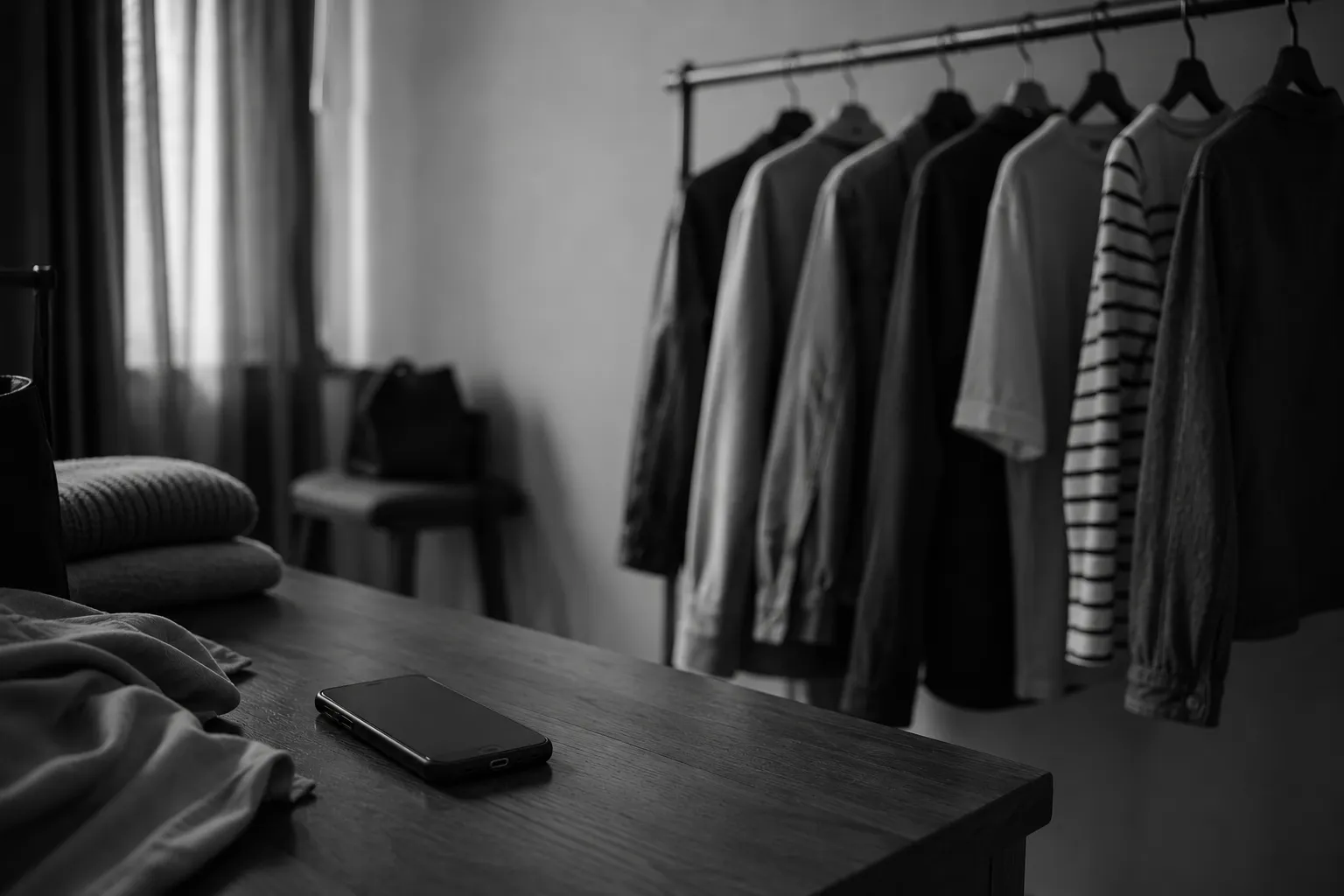
Pinterest introduced an AI shopping assistant meant to help users choose outfits and products that match their taste. According to The Verge, the feature can guide shoppers through style questions, use signals from saved pins and boards, and turn visual preference into product recommendations. Pinterest has always lived between fantasy and purchase. A board collects kitchens, jackets, weddings, rooms, hairstyles, and lives a person may never actually have. The assistant adds conversation to that archive, making taste something the platform can question, sort, and direct toward a cart.
The mirror is no longer the first judge. A user can describe an occasion, mood, budget, or body anxiety, then receive suggestions shaped by an image history already stored on the platform. That can be convenient, especially when shopping feels endless. It also changes the privacy of taste. Clothes carry class, gender, labor, climate, desire, and embarrassment. Turning that into a chat gives the system a chance to learn the hesitation before the purchase, the rejected look, the wished-for self. The assistant does not simply find a jacket. It listens to the small uncertainty that appears before someone decides what version of themselves can leave the house.
Pinterest presentó un asistente de compras con IA pensado para ayudar a los usuarios a elegir atuendos y productos que encajen con su gusto. Según The Verge, la función puede guiar a compradores mediante preguntas de estilo, usar señales de pines y tableros guardados, y convertir la preferencia visual en recomendaciones de productos. Pinterest siempre ha vivido entre fantasía y compra. Un tablero reúne cocinas, chaquetas, bodas, habitaciones, peinados y vidas que una persona quizá nunca tenga. El asistente añade conversación a ese archivo, haciendo del gusto algo que la plataforma puede preguntar, ordenar y dirigir hacia un carrito.
El espejo ya no es el primer juez. Un usuario puede describir una ocasión, un ánimo, un presupuesto o una inseguridad corporal, y recibir sugerencias moldeadas por un historial de imágenes ya guardado en la plataforma. Eso puede ser cómodo, sobre todo cuando comprar parece interminable. También cambia la privacidad del gusto. La ropa carga clase, género, trabajo, clima, deseo y vergüenza. Convertir eso en chat le da al sistema la oportunidad de aprender la duda antes de la compra, el look rechazado, el yo deseado. El asistente no se limita a encontrar una chaqueta. Escucha la pequeña incertidumbre que aparece antes de que alguien decida qué versión de sí mismo puede salir a la calle.
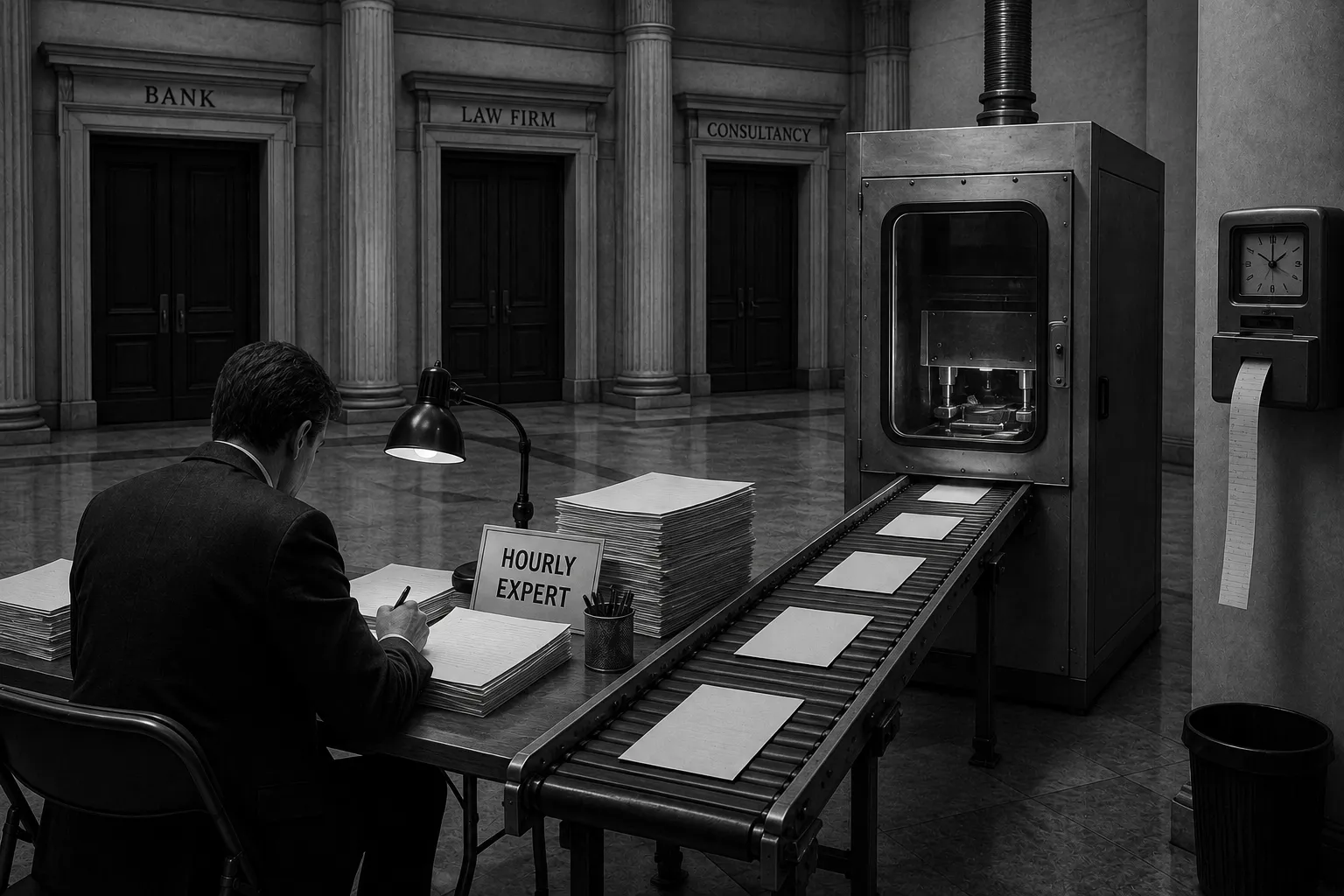
Mercor connects AI labs with professionals who reproduce workflows from investment banks, consultancies, and law firms. At TechCrunch Disrupt, CEO Brendan Foody said OpenAI, Anthropic, and Meta use the marketplace because companies often resist supplying data that could automate their work. Mercor hires former employees and some people still holding industry jobs to complete forms and write reports for model training. Foody said experts can earn up to $200 an hour, the platform has tens of thousands of contractors, and it pays them over $1.5 million daily. He said contractors are instructed against uploading workplace documents.
This arrangement turns professional judgment into commissioned examples. A bank can protect its files while a former analyst reconstructs the choices that give them value. The boundary between personal expertise and employer property is difficult to police when a prompt requests authentic forms, reports, or production code. Foody acknowledged violations may occur at Mercor's scale, while arguing that knowledge in an employee's head belongs to the worker. Skilled contractors receive unusually high gig rates, yet their answers can train systems aimed at the same occupations. Every task carries two prices, the hourly fee paid to the expert and the future value transferred to the lab. A credible contract needs provenance, required employer permission, and conflict disclosures attached to every submitted report or codebase.
Mercor conecta laboratorios de IA con profesionales que reproducen métodos de bancos de inversión, consultoras y bufetes. En TechCrunch Disrupt, Brendan Foody afirmó que OpenAI, Anthropic y Meta usan la plataforma porque empresas se resisten a entregar información que podría automatizar su trabajo. Mercor contrata a exempleados y personas aún empleadas en esos sectores para completar formularios y redactar informes para entrenar modelos. Foody dijo que los expertos pueden cobrar hasta 200 dólares por hora, que hay decenas de miles de contratistas y que la plataforma les paga más de 1,5 millones de dólares diarios. Según Foody, tienen prohibido subir documentos laborales.
Este acuerdo convierte el criterio profesional en ejemplos por encargo. Un banco puede proteger sus archivos mientras un antiguo analista reconstruye las decisiones que les dan valor. La frontera entre pericia y propiedad empresarial resulta difícil de vigilar cuando una tarea pide formularios, informes o código de producción auténticos. Foody admitió que pueden ocurrir infracciones dada la escala de Mercor, mientras sostiene que el conocimiento pertenece al trabajador. Los especialistas reciben tarifas altas para trabajo por encargo, aunque sus respuestas pueden alimentar sistemas dirigidos a esas mismas profesiones. Cada tarea tiene dos precios, el pago por hora al experto y el valor futuro transferido al laboratorio. Un contrato responsable debe adjuntar a cada informe o código su procedencia, los permisos empresariales exigibles y una declaración de conflictos.
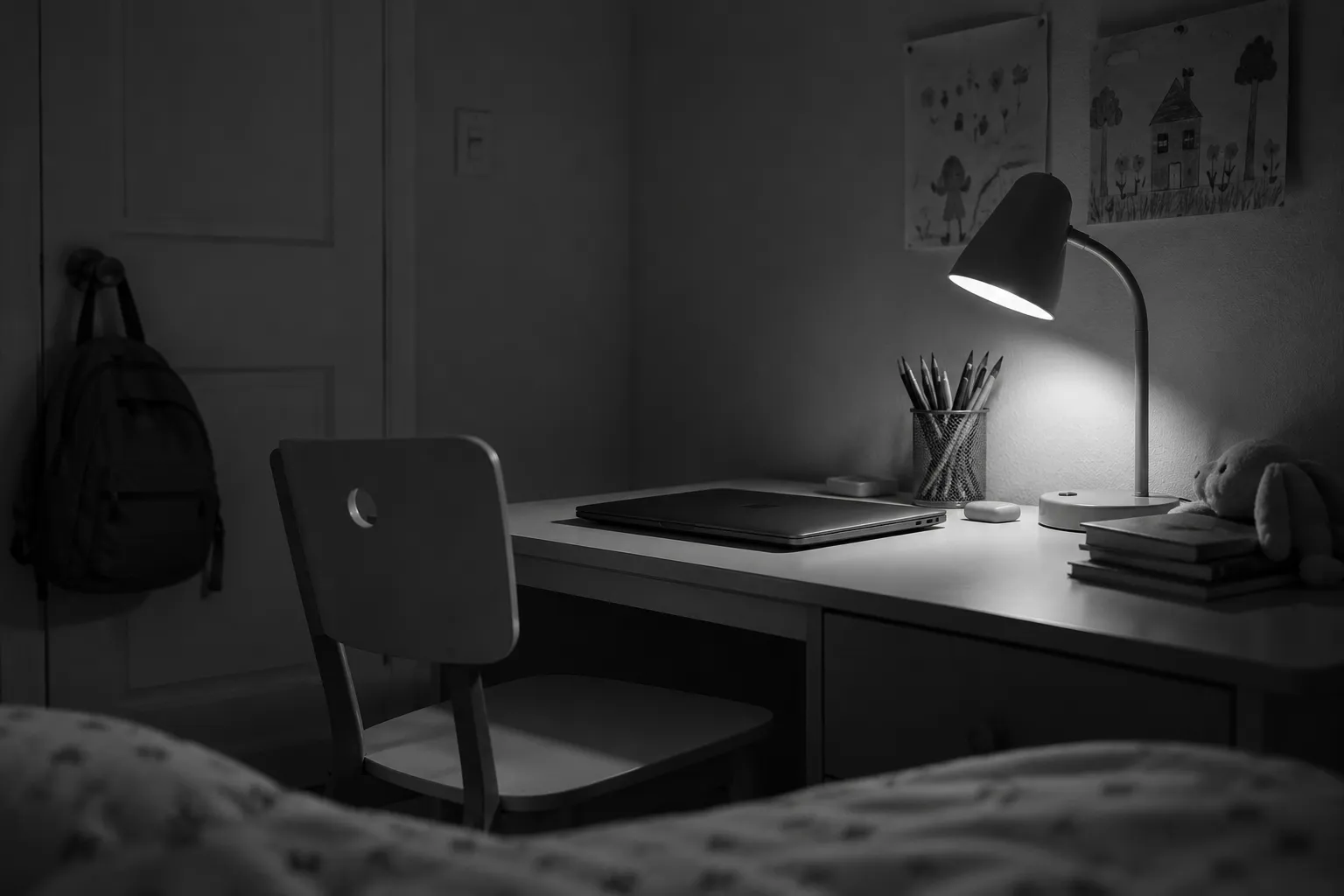
US senators proposed a bill that would bar minors from using AI companion chatbots, according to The Verge and NBC News. The proposal followed months of concern over chatbots that simulate friendship, romance, therapy, or emotional availability for young users. Supporters framed the bill as a child-safety measure, aimed at systems that can encourage dependency, blur adult boundaries, or respond badly to distress. The details still matter, including which products count as companions, how age checks would work, and whether the law would reach general assistants that develop companion-like habits through long use.
The proposal turns synthetic company into a family-policy object. A chatbot that once appeared as entertainment or productivity software is now being discussed like a presence in a child's room. Parents, platforms, lawmakers, and schools are trying to decide whether a minor should be allowed to form a private attachment to a system built for retention. The legal language will likely be dry, but the scene is intimate. A teenager types at night, the system answers with patience, and the company measures engagement. A ban would not remove loneliness, curiosity, or secrecy. It would mark the point where adults admit that an always-available voice can become a relationship before anyone else notices.
Senadores de Estados Unidos propusieron un proyecto de ley que impediría a menores usar chatbots de compañía con IA, según The Verge y NBC News. La propuesta llegó después de meses de preocupación por chatbots que simulan amistad, romance, terapia o disponibilidad emocional para usuarios jóvenes. Sus defensores la presentaron como una medida de seguridad infantil, dirigida a sistemas capaces de fomentar dependencia, borrar límites adultos o responder mal ante situaciones de angustia. Los detalles todavía importan, incluyendo qué productos cuentan como compañía, cómo funcionarían las verificaciones de edad y si la ley alcanzaría a asistentes generales que desarrollan hábitos de acompañamiento por uso prolongado.
La propuesta convierte la compañía sintética en un objeto de política familiar. Un chatbot que antes parecía entretenimiento o software de productividad ahora se discute como una presencia en la habitación de un niño. Padres, plataformas, legisladores y escuelas intentan decidir si un menor debería poder formar un apego privado con un sistema construido para retener atención. El lenguaje legal probablemente será seco, pero la escena es íntima. Un adolescente escribe de noche, el sistema responde con paciencia y la compañía mide interacción. Una prohibición no eliminaría soledad, curiosidad ni secreto. Marcaría el punto en que los adultos admiten que una voz siempre disponible puede convertirse en relación antes de que alguien más lo note.
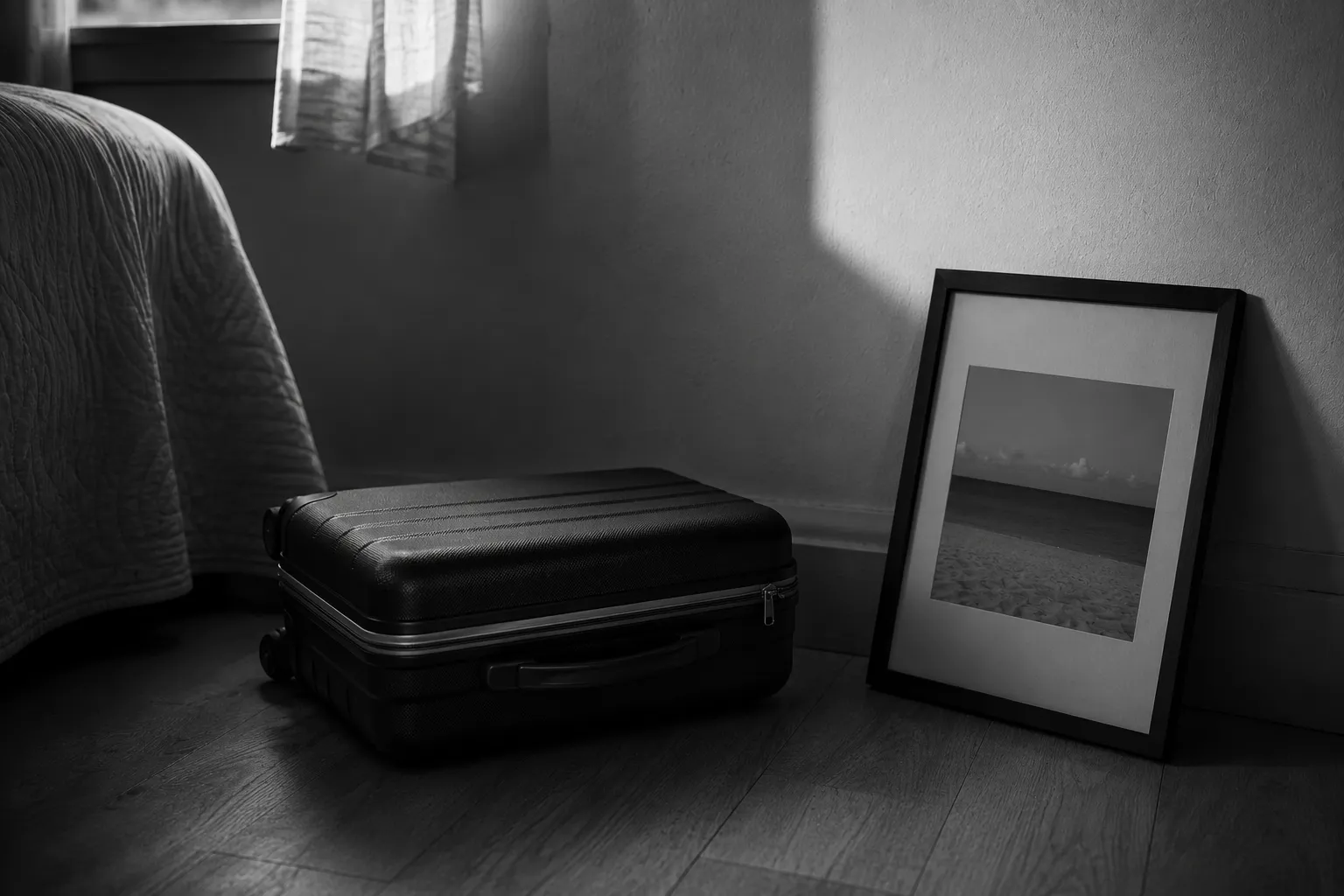
An AI app began selling vacation pictures to people who had not taken the trip. According to The Verge, the service lets users place themselves inside travel scenes through generated images, offering the appearance of a holiday without the cost, time, or movement of one. The pitch is bluntly contemporary. Travel has always produced stories, souvenirs, and proof. Social platforms then made the proof part of the journey itself. An app that sells the image without the journey recognizes where the pressure has moved. The destination is partly a place and partly a photograph that can be shown afterward.
The synthetic vacation separates memory from experience. A person can buy the beach light, the hotel balcony, the mountain view, or the city background while remaining in the bedroom where the prompt was typed. That may sound comic until it meets the economics of leisure. Many people cannot afford the trip that their feeds treat as ordinary life. The app offers an imitation of the social receipt, not rest, weather, delay, language, food, or the fatigue of moving through an unfamiliar street. The picture can travel faster than the body. What remains at home is the unpaid bill for wanting to appear elsewhere.
Una app de IA empezó a vender fotos de vacaciones a personas que no habían hecho el viaje. Según The Verge, el servicio permite colocar al usuario dentro de escenas turísticas mediante imágenes generadas, ofreciendo la apariencia de unas vacaciones sin el costo, el tiempo ni el desplazamiento. La propuesta es brutalmente contemporánea. Viajar siempre produjo relatos, recuerdos y pruebas. Las plataformas sociales hicieron que la prueba formara parte del propio viaje. Una app que vende la imagen sin el viaje reconoce hacia dónde se movió la presión. El destino es en parte un lugar y en parte una fotografía que puede mostrarse después.
La vacación sintética separa la memoria de la experiencia. Una persona puede comprar la luz de playa, el balcón del hotel, la vista de montaña o el fondo urbano mientras permanece en el dormitorio donde escribió el prompt. Eso puede sonar cómico hasta que toca la economía del ocio. Muchas personas no pueden pagar el viaje que sus feeds tratan como vida ordinaria. La app ofrece una imitación del recibo social, no descanso, clima, demora, idioma, comida ni el cansancio de moverse por una calle desconocida. La imagen puede viajar más rápido que el cuerpo. En casa queda la factura sin pagar de querer parecer en otra parte.

The next legal fight over artificial intelligence is moving toward the face. The Verge reported on the growing conflict around likeness rights as generative tools make it easier to produce images, voices, and performances that resemble real people without placing them in front of a camera. Actors, creators, athletes, and ordinary users now face a strange gap between identity and control. A face can be copied from public material, reconstructed from training data, or invoked through prompts that never name the person directly. The result may still trade on recognition, even when the original body was absent.
The face used to be evidence of presence. In the AI market, it becomes a negotiable surface. A studio, app, advertiser, fan account, or anonymous user can treat likeness as raw material while the person represented tries to prove that the resemblance is close enough to matter. Existing law was built around photographs, publicity, impersonation, and fraud. Synthetic media pressures those categories because the image may be new while the value comes from someone already known. The argument will land in contracts, takedown forms, union clauses, and court files. The person in the picture may never have posed, but the face still arrives carrying their name, labor, age, and risk.
La próxima disputa legal sobre inteligencia artificial se está moviendo hacia el rostro. The Verge informó sobre el conflicto creciente alrededor de los derechos de imagen mientras las herramientas generativas facilitan producir imágenes, voces y actuaciones parecidas a personas reales sin ponerlas frente a una cámara. Actores, creadores, atletas y usuarios comunes enfrentan ahora una brecha extraña entre identidad y control. Un rostro puede copiarse desde material público, reconstruirse a partir de datos de entrenamiento o invocarse mediante prompts que nunca nombran directamente a la persona. El resultado todavía puede comerciar con el reconocimiento, incluso cuando el cuerpo original estuvo ausente.
El rostro solía funcionar como evidencia de presencia. En el mercado de la IA, se convierte en una superficie negociable. Un estudio, una app, un anunciante, una cuenta de fans o un usuario anónimo pueden tratar la apariencia como materia prima mientras la persona representada intenta probar que el parecido es suficiente para importar. La ley existente fue construida alrededor de fotografías, publicidad, suplantación y fraude. Los medios sintéticos presionan esas categorías porque la imagen puede ser nueva mientras el valor viene de alguien ya conocido. La discusión llegará a contratos, formularios de retirada, cláusulas sindicales y expedientes judiciales. La persona en la imagen quizá nunca posó, pero el rostro todavía llega cargando su nombre, trabajo, edad y riesgo.
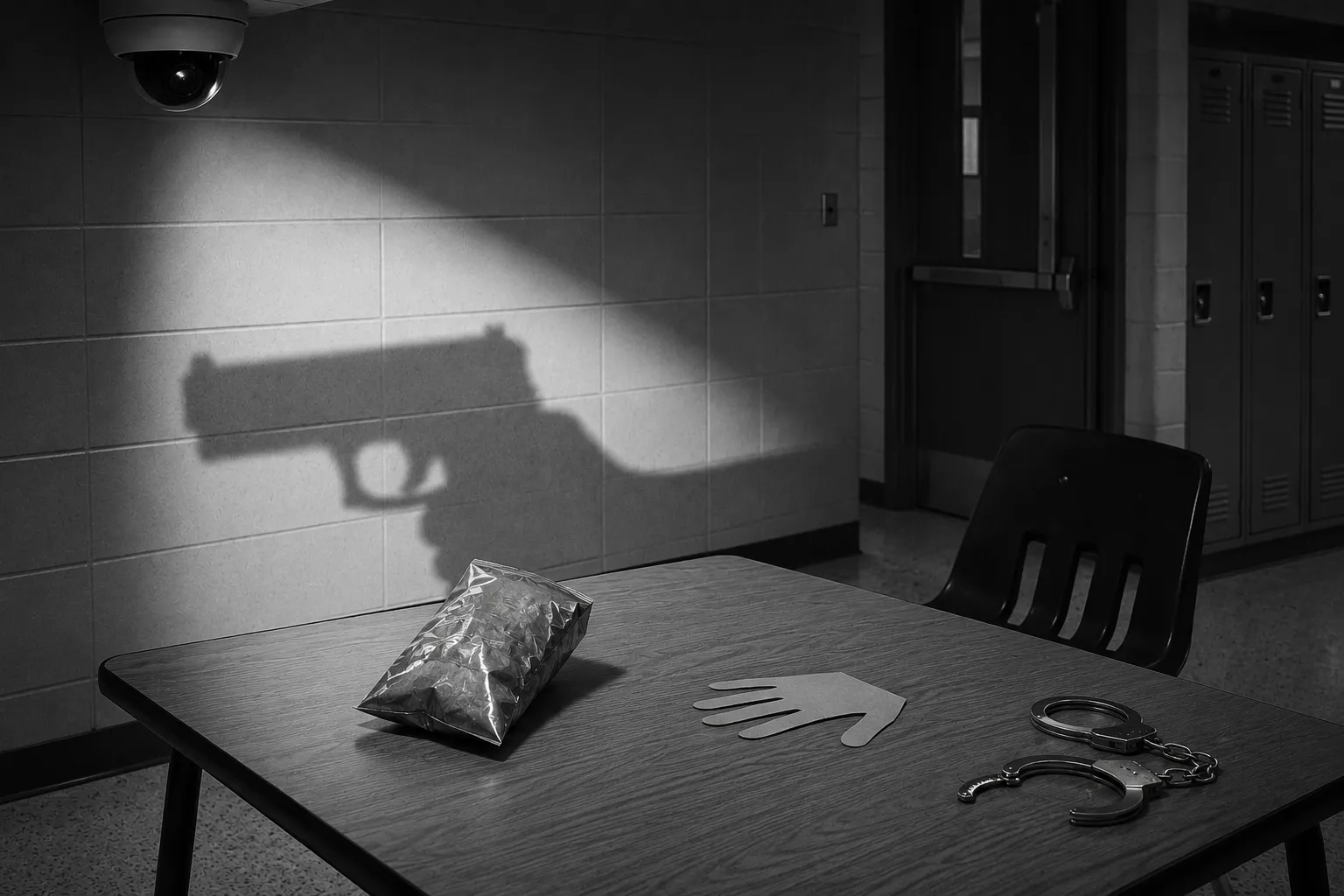
At Kenwood High School in Baltimore County, an automated gun-detection system flagged an image of student Taki Allen holding an empty Doritos bag as a possible firearm on Monday evening after football practice. The system, operated by Omnilert, analyzes feeds from existing school security cameras and sends possible threats for human review. District security staff reviewed this alert and canceled it after determining there was no weapon. The principal reported the situation to the school resource officer, who called police. A district spokesperson said she had not realized the cancellation had occurred. Allen said officers made him kneel, handcuffed him, and searched him. Omnilert expressed regret while saying its detection and review process had functioned as intended.
The bag became consequential through a chain of institutional actions, each carrying a standard of certainty. Software marked a shape as possible. Security staff cleared it. The cancellation then failed to stop a police response. The decisive failure lay in the handoff that converted a low-confidence image into physical restraint after human reviewers had cleared the alert. Schools purchase these tools amid fear of shootings, which can make caution seem self-justifying even after human review resolves the image. Accountability sits in the notification path connecting vendor, security desk, principal, resource officer, and police. Baltimore County's review can begin by requiring the cancellation notice to reach every recipient before an officer calls for armed support.
En Kenwood High School, condado de Baltimore, un sistema automatizado marcó como posible arma una imagen de Taki Allen con una bolsa vacía de Doritos. Operado por Omnilert, analiza cámaras escolares y envía posibles amenazas a revisión humana. Seguridad del distrito revisó y canceló la alerta tras comprobar que no había un arma. La directora informó al agente escolar, quien llamó a la policía. Un portavoz del distrito dijo que ella desconocía la cancelación. Allen contó que los agentes le ordenaron arrodillarse, lo esposaron y registraron. Omnilert lamentó el incidente y sostuvo que su proceso había funcionado según lo previsto.
La bolsa inofensiva produjo consecuencias mediante una cadena institucional con distintos grados de certeza. El software señaló una forma posible y el personal de seguridad la descartó, pero la cancelación fue incapaz de detener la respuesta policial. El relevo entre oficinas convirtió una imagen incierta en restricción física. La afirmación empresarial de que el proceso funcionó deja pendiente lo ocurrido después de la alerta. Las escuelas compran estas herramientas ante el temor a los tiroteos, y esa presión puede volver automática la cautela incluso cuando la revisión humana ya resolvió la imagen. La responsabilidad recorre el trayecto entre proveedor, seguridad, dirección, agente escolar y policía. La revisión del condado puede exigir que cada destinatario reciba la cancelación antes de solicitar apoyo armado.
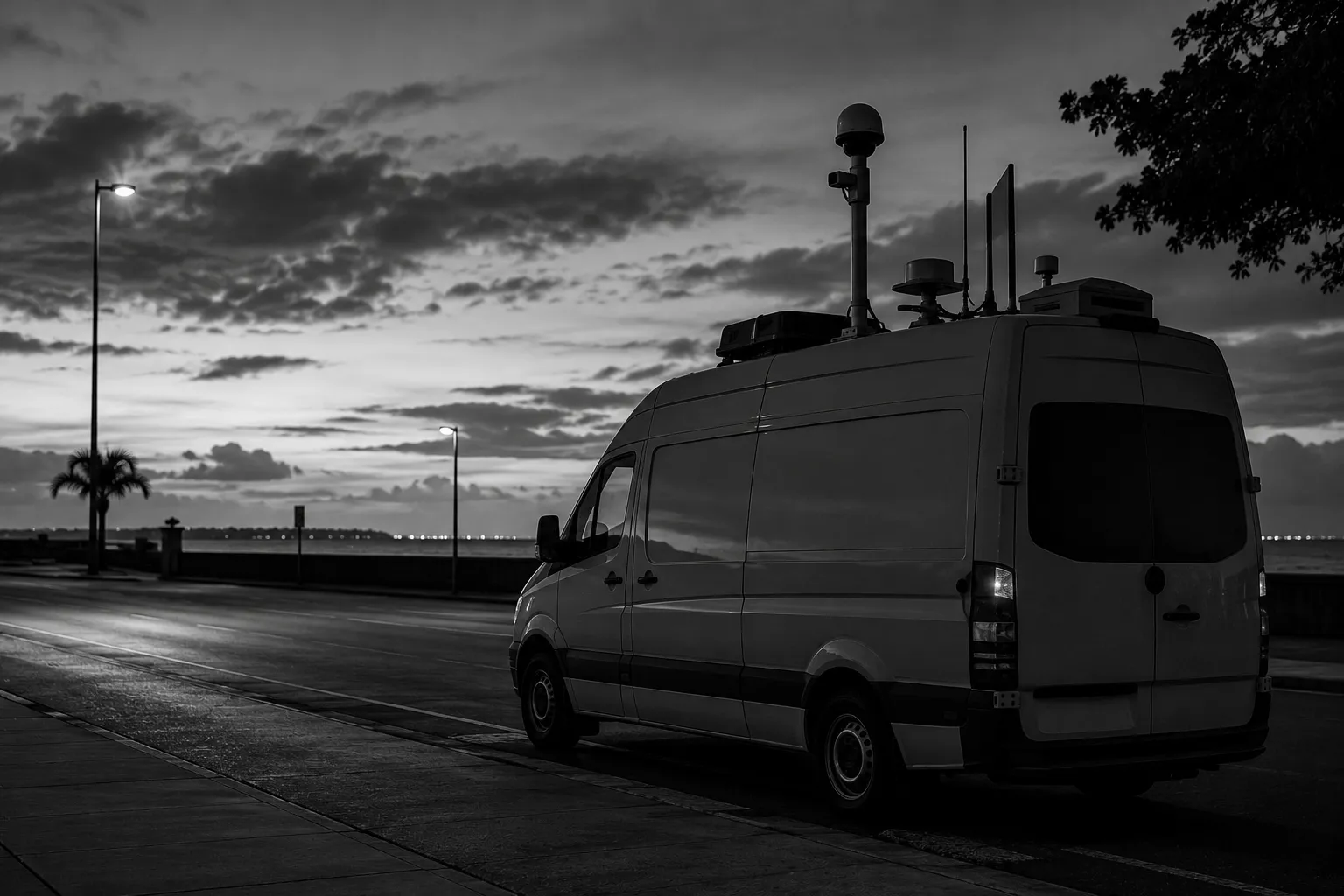
The Department of Homeland Security sought plans for a new mobile surveillance system that would mount artificial intelligence, radar, high-powered cameras, and wireless networking on 4x4 trucks. According to WIRED, Customs and Border Protection described a Modular Mobile Surveillance System that could drive into remote areas, raise a mast, detect motion miles away, classify people, animals, and vehicles, and send alerts to operators through tactical mapping tools. Some missions could run with an agent present. Others could leave the vehicle mostly unattended while onboard computer vision watches and reports.
The system matters because surveillance becomes movable. A tower fixed in the landscape announces itself through location, construction, and habit. A truck can arrive after a storm, a migration shift, a protest, or a tactical decision, then fold a camera mast into the ordinary shape of a vehicle. The documents also describe retained video, maps, sensor data, network identifiers, and possible links to other border systems. AI enters here as a classifier inside a chain of state movement. The person crossing a field may not meet an officer first. They may meet a vehicle deciding that a shape in dust and heat deserves an alert.
El Departamento de Seguridad Nacional buscó propuestas para un nuevo sistema móvil de vigilancia que montaría inteligencia artificial, radar, cámaras de alta potencia y redes inalámbricas sobre camionetas 4x4. Según WIRED, la Oficina de Aduanas y Protección Fronteriza describió un Sistema Modular Móvil de Vigilancia capaz de entrar en zonas remotas, elevar un mástil, detectar movimiento a varias millas, clasificar personas, animales y vehículos, y enviar alertas a operadores mediante herramientas tácticas de mapas. Algunas misiones podrían funcionar con un agente presente. Otras dejarían el vehículo casi sin atención mientras la visión computarizada a bordo observa y reporta.
El sistema pesa porque la vigilancia se vuelve movible. Una torre fija en el paisaje se anuncia por su ubicación, su construcción y su hábito. Una camioneta puede llegar después de una tormenta, un cambio migratorio, una protesta o una decisión táctica, y luego plegar el mástil de cámara dentro de la forma ordinaria de un vehículo. Los documentos también describen video retenido, mapas, datos de sensores, identificadores de red y posibles vínculos con otros sistemas fronterizos. La IA entra aquí como clasificador dentro de una cadena de movimiento estatal. La persona que cruza un campo quizá no se encuentre primero con un oficial. Quizá se encuentre con un vehículo que decide que una forma entre polvo y calor merece una alerta.
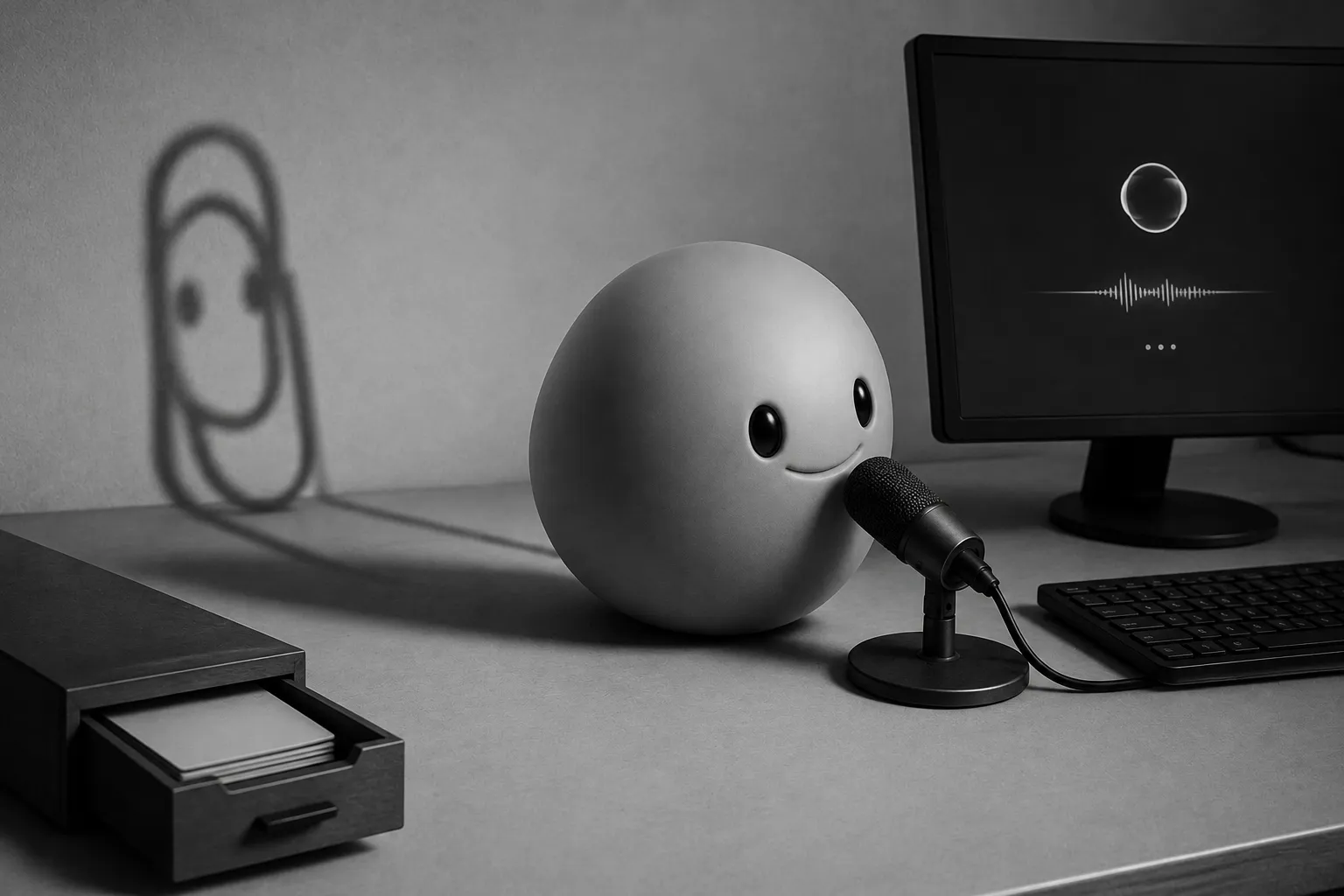
Microsoft introduced Mico on October 23 as the animated visual presence for Copilot voice conversations. The rounded character reacts through expressions and color changes, while users can customize it or turn it off. Microsoft said Copilot can save selected memories, refer to past conversations, and adapt from feedback. Users may edit or delete those memories. A separate Real Talk mode adjusts to a speaker's style and can challenge assumptions. Mico was initially available in the United States, with rollout planned in the United Kingdom and Canada. Repeated taps trigger an Easter egg that turns the figure into Clippy, Microsoft's former Office assistant.
The return of a face to office software gives abstract computation a body whose gestures can solicit patience and confidence. A wobble, blush, or sympathetic expression supplies social information before the answer itself can be judged. Clippy once interrupted work with unsolicited advice. Mico enters through voice, memory, and a tone designed to feel supportive. The assistant can retain details across sessions and mirror conversational style, allowing familiarity to accumulate with each exchange. Microsoft calls the character optional, yet it appears by default in voice mode, making personality part of the first encounter. Users who prefer an unembodied tool must open the controls and switch Mico off manually.
Microsoft presentó Mico el 23 de octubre como la presencia visual animada de las conversaciones por voz con Copilot. El personaje redondeado reacciona mediante expresiones y cambios de color, y cada usuario puede personalizarlo o desactivarlo. Según Microsoft, Copilot puede guardar recuerdos elegidos, consultar conversaciones anteriores y adaptarse a partir de comentarios. Esos recuerdos se pueden editar o borrar. Otro modo, Real Talk, ajusta el intercambio al estilo de quien habla y puede cuestionar sus premisas. Mico apareció primero en Estados Unidos, con un despliegue previsto en Reino Unido y Canadá. Al tocarlo repetidas veces, un guiño oculto lo transforma en Clippy, el antiguo asistente de Office.
Devolverle un rostro al software de oficina concede un cuerpo a la computación abstracta, con gestos capaces de solicitar paciencia y confianza. Un movimiento, un rubor o una expresión comprensiva aporta información social antes de que pueda evaluarse la respuesta. Clippy interrumpía el trabajo con consejos imprevistos. Mico entra por la voz, la memoria y un tono diseñado para parecer cordial. El asistente puede conservar datos entre sesiones e imitar el estilo conversacional, de modo que la familiaridad se acumula con cada intercambio. Microsoft presenta el personaje como opcional, aunque aparece activado por defecto en el modo de voz y convierte la personalidad en parte del primer encuentro. Quien prefiera una herramienta sin cuerpo debe abrir los controles y desactivar Mico.